
Nutrition comparison
Cheddar Cheese vs Provolone: Nutrition, Sodium, and Best Uses Compared
Cheddar delivers more calcium and bolder flavor per bite. Provolone melts smoother and has less sodium. Which cheese fits your needs? Full comparison inside.
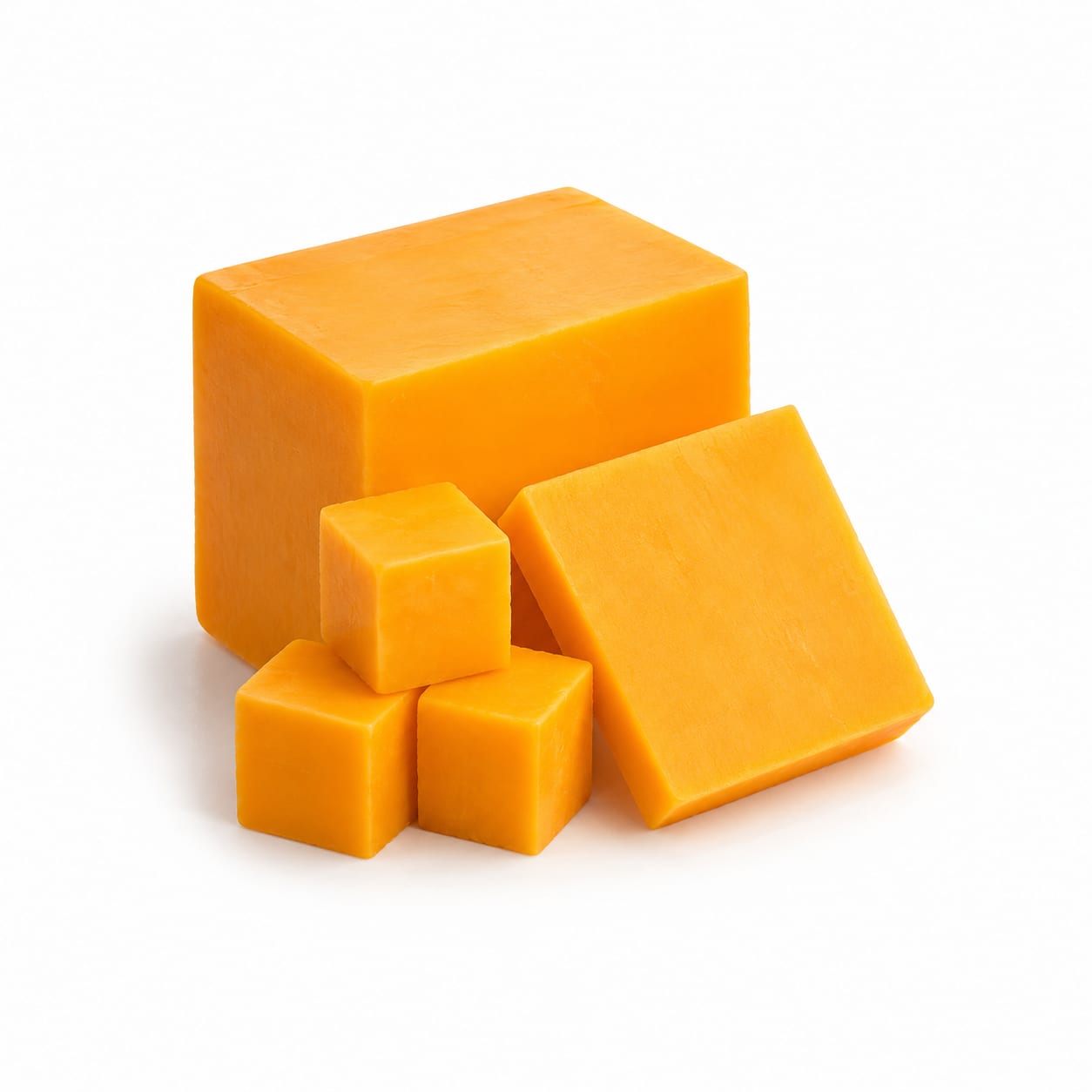
Cheddar Cheese
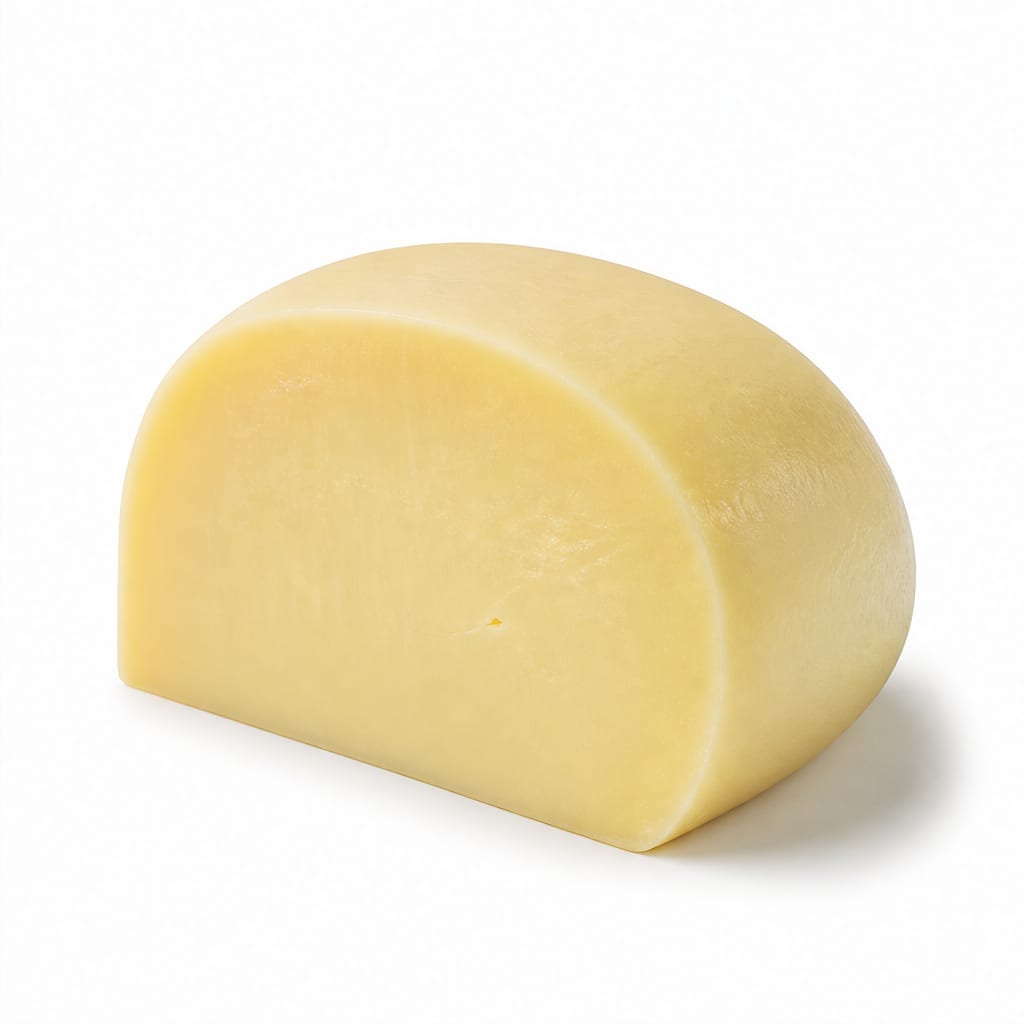
Provolone
Cheddar packs more calcium and stronger flavor per bite, while Provolone melts smoother and carries less sodium — making the better choice depend on what you value most.
Cheddar edges ahead on nutrient density and flavor-driven portion control, but Provolone's lower sodium and better meltability keep it competitive. The small gap reflects how context-dependent this choice truly is.
Nutritional density and flavor intensity versus lower sodium and superior meltability.
At a glance
Executive summary
Overall
It depends
Healthier
Cheddar Cheese
More practical
Provolone
Daily use
It depends
Key comparison lenses
Everyday cheese selection for sandwiches and cooking
Both are popular deli and cooking cheeses where people choose between them daily
Sodium and heart health tradeoffs
Cheese is a major sodium source and these two differ meaningfully in salt content
Flavor satisfaction and portion control
Stronger flavor can mean eating less overall, a key real-world factor
Lactose sensitivity and digestibility
Both are relatively low-lactose but aged varieties differ significantly
Calcium and bone health contribution
Both are calcium sources but cheddar delivers more per ounce
Best choice for
Cheddar Cheese
- People prioritizing calcium and vitamin K2 intake
- Those who prefer stronger flavor to feel satisfied with smaller portions
- Anyone wanting more nutritional bang per calorie
- Keto and low-carb dieters seeking higher fat content
Provolone
- People watching sodium for blood pressure management
- Those who want a milder cheese for sandwiches without overwhelming other flavors
- Anyone needing a superior melting cheese for cooking
- People who find strong cheese flavors unpleasant
Least suitable for
Cheddar Cheese
- People on strict low-sodium diets
- Those sensitive to strong flavors or aged cheese compounds
- Individuals prone to overeating rich foods
Provolone
- People seeking maximum calcium per serving
- Those wanting intense flavor satisfaction from small portions
- Vitamin K2-focused eaters
Deep comparison
Dimension by dimension
Each lens scores both foods and breaks down who each option suits.
- Dimension 1 · Priority 90Cheddar Cheese
Nutrient Density
Cheddar Cheese · 78Provolone · 65Cheddar delivers more calcium, vitamin A, and vitamin K2 per ounce than Provolone.
Tradeoff
Cheddar's richer nutrient profile comes with slightly more calories and fat per serving.
Why it matters
If cheese is your main calcium source, the difference adds up over years of daily eating.
Real-world impact
An ounce of Cheddar provides about 20% of daily calcium versus roughly 14% from Provolone — meaningful if you don't eat many other calcium-rich foods.
Cheddar Cheese
- Bone health support
- Vitamin K2 for cardiovascular and bone benefits
- More vitamin A for immune function
Better for
- Higher calorie density can contribute to overconsumption
Worse for
Provolone
- Lighter calorie load per serving
- Slightly less fat for those monitoring intake
Better for
- Less calcium means you need other sources to meet daily needs
Worse for
- Dimension 2 · Priority 88Provolone
Sodium Load
Cheddar Cheese · 42Provolone · 58Provolone typically contains 15-25% less sodium than Cheddar per ounce.
Tradeoff
Provolone's milder flavor partly comes from less salt, which is great for blood pressure but less satisfying if you love bold taste.
Why it matters
Cheese is a top sodium source in most Western diets — even small reductions per serving compound over time.
Real-world impact
Swapping Cheddar for Provolone on a daily sandwich could save you 50-80mg of sodium — not dramatic alone, but meaningful alongside other choices.
Cheddar Cheese
- Saltier flavor may satisfy cravings with less cheese overall
Better for
- Adds up quickly if you eat cheese multiple times daily
- Riskier for hypertension patients
Worse for
Provolone
- Easier on blood pressure
- Better fit for heart-healthy eating patterns
- Less sodium creep across the day
Better for
- Milder taste might lead to using more cheese to get the flavor hit you want
Worse for
- Dimension 3 · Priority 82Cheddar Cheese
Flavor Satisfaction and Portion Control
Cheddar Cheese · 80Provolone · 60Cheddar's bolder, sharper flavor delivers more satisfaction per bite, naturally encouraging smaller portions.
Tradeoff
Strong flavor is great for portion control but can overpower delicate dishes.
Why it matters
Many people overeat mild cheese because it takes more to feel satisfied — flavor intensity is an unconscious portion regulator.
Real-world impact
A thin slice of sharp Cheddar on a burger often feels like enough, while Provolone's subtlety might have you reaching for a second slice.
Cheddar Cheese
- Natural portion control through flavor intensity
- More satisfying snacking experience
- Better value per bite emotionally
Better for
- Can dominate milder ingredients
- Not ideal when you want cheese as a background note
Worse for
Provolone
- Won't compete with other ingredients in complex dishes
- Pleasant for people who find strong cheese overwhelming
Better for
- Easier to overeat without realizing
- Less emotionally satisfying per portion
Worse for
- Dimension 4 · Priority 78Provolone
Cooking Versatility and Meltability
Cheddar Cheese · 62Provolone · 82Provolone melts more evenly and smoothly than Cheddar, making it superior for hot sandwiches, pizza, and baked dishes.
Tradeoff
Cheddar's tendency to separate when melted can ruin texture but creates that coveted crispy cheese edge some people love.
Why it matters
Poor melting means oily separation and uneven coverage — frustrating when you want that perfect cheese pull.
Real-world impact
Provolone on a grilled cheese gives consistent gooey stretch. Cheddar can work but often weeps oil and needs lower heat and more patience.
Cheddar Cheese
- Creates delicious crispy browned edges when baked
- Excellent in casseroles where texture separation is acceptable
- Sharp Cheddar adds depth to mac and cheese flavor
Better for
- Can separate and become greasy when overheated
- Uneven melting frustrates quick cooking
Worse for
Provolone
- Reliable smooth melting every time
- Perfect for Philly cheesesteaks and hot sandwiches
- Even coverage on pizza and flatbreads
- Better cheese pull and visual appeal
Better for
- Less complex flavor contribution to cooked dishes
Worse for
- Dimension 5 · Priority 70Cheddar Cheese
Lactose Tolerance
Cheddar Cheese · 75Provolone · 65Aged Cheddar contains virtually zero lactose, while Provolone retains small amounts depending on aging.
Tradeoff
Young Provolone (dolce) has more lactose than aged Provolone (piccante), so the comparison depends on which variety you buy.
Why it matters
For lactose-sensitive individuals, even trace amounts can cause bloating and discomfort that ruins the eating experience.
Real-world impact
Most aged Cheddar is safe for lactose-intolerant people. Provolone is usually tolerable but less guaranteed — especially the younger, milder versions commonly sold.
Cheddar Cheese
- Virtually lactose-free when aged over 6 months
- Safer choice for lactose-sensitive individuals
- More predictable regardless of brand
Better for
- Young mild Cheddar still contains some lactose
Worse for
Provolone
- Aged piccante variety is also very low lactose
Better for
- Young Provolone dolce has enough lactose to trigger symptoms in sensitive people
- Less consistency between brands and aging levels
Worse for
- Dimension 6 · Priority 75Cheddar Cheese
Satiety and Fullness
Cheddar Cheese · 76Provolone · 66Cheddar's higher fat and protein content per ounce creates more sustained fullness than Provolone.
Tradeoff
Greater satiety comes with more calories — helpful for appetite control but risky if you eat beyond fullness.
Why it matters
Feeling satisfied after eating prevents grazing and unplanned snacking later.
Real-world impact
Cheddar as an afternoon snack with crackers tends to hold you longer before dinner. Provolone might leave you reaching for something else within an hour.
Cheddar Cheese
- Longer-lasting fullness between meals
- Better afternoon snack for preventing overeating at dinner
- Higher protein supports muscle maintenance
Better for
- Higher calorie load if you ignore fullness signals
Worse for
Provolone
- Lighter feeling after eating
- Less likely to feel overly full before activities
Better for
- May not satisfy hunger alone, leading to additional snacking
Worse for
Timeline
Health impact over time
Short-term
Hours to days
Cheddar Cheese
- Quick satiety from fat and protein combination
- Possible thirst from higher sodium content
- Rich mouthfeel that signals satisfaction quickly
Provolone
- Lighter post-eating feeling
- Less sodium-induced thirst
- Milder digestive load for sensitive stomachs
Long-term
Months to years
Cheddar Cheese
- Better calcium and vitamin K2 intake supports bone density over decades
- Higher sodium contribution could raise blood pressure if cheese is a daily staple
- More concentrated nutrients per calorie benefits overall diet quality
Provolone
- Lower daily sodium intake reduces long-term cardiovascular strain
- Slightly less calcium means relying more on other dietary sources
- Milder flavor profile may lead to gradually increasing portion sizes
Risk profile
Safety & processing
Both are traditional fermented cheeses with minimal additives. Cheddar is made with rennet, cultures, salt, and sometimes annatto for orange coloring. Provolone uses similar ingredients plus sometimes smoke flavoring for smoked varieties. Neither raises significant ultra-processing concerns, though pre-shredded versions of both contain anti-caking additives like cellulose — buy block form for the cleanest option.
Cheddar Cheese
Histamine sensitivity
mediumAged Cheddar is high in histamine and can trigger headaches, flushing, or digestive issues in histamine-intolerant individuals.
Listeria in unpasteurized varieties
lowRaw milk Cheddar carries slightly higher listeria risk, though aging requirements reduce this significantly. Pregnant women should choose pasteurized versions.
Annatto allergy
lowOrange Cheddar uses annatto coloring, which rarely causes allergic reactions in sensitive individuals.
Provolone
Histamine in aged varieties
mediumProvolone piccante (aged) can be high in histamine, similar to aged Cheddar. Young Provolone dolce is lower risk.
Smoked variety PAH exposure
lowSmoked Provolone may contain polycyclic aromatic hydrocarbons from the smoking process. Occasional consumption is low risk.
Listeria in unpasteurized varieties
lowSame raw milk consideration as Cheddar. Most commercial Provolone is pasteurized.
Who wins for whom
Audience fit
Same foods, different winners depending on your goal.
children
ProvoloneProvolone's milder flavor and smoother melt make it more kid-friendly. Lower sodium is also preferable for developing bodies.
daily consumption
It dependsProvolone is gentler on sodium for daily use, but Cheddar provides more nutrients per serving. Rotate both for the best balance.
diabetes
Cheddar CheeseBoth are near-zero carb, but Cheddar's higher fat content slows any blood sugar response more effectively and provides steadier energy.
elderly
ProvoloneLower sodium supports cardiovascular health in older adults, and Provolone's softer texture when melted is easier to chew for those with dental concerns.
muscle gain
Cheddar CheeseCheddar provides slightly more protein per ounce along with more calories needed for building, making it a more efficient muscle-supporting cheese.
weight loss
Cheddar CheeseCheddar's stronger flavor and higher satiety per ounce helps with portion control — you feel satisfied with less. Just measure servings carefully.
Your move
Decision guide
Choose Cheddar Cheese
- You want maximum calcium and vitamin K2 from your cheese
- Strong flavor helps you eat less and feel more satisfied
- You're building a low-carb or keto eating pattern
- You rarely eat other calcium-rich foods
- You're making cold sandwiches, cheese boards, or snacking
Choose Provolone
- You're managing blood pressure and watching sodium closely
- You need a reliable melting cheese for hot sandwiches or baked dishes
- You prefer milder flavors that don't dominate the meal
- You're cooking for kids who resist strong cheese
- You eat cheese multiple times daily and need the lower-sodium option
Either works if
- You're just adding cheese as a minor ingredient in a varied dish
- You tolerate both well and enjoy variety
- Neither cheese is a major daily staple in your diet
Avoid both if
- You have a dairy allergy — both are off the table
- You're on a strict low-fat diet — neither fits well
- You're severely sodium-restricted — even Provolone may be too much
- You have significant histamine intolerance — both aged cheeses can trigger symptoms
Final recommendation
Keep both in your rotation. Use Cheddar when flavor impact and nutrient density matter most — cold sandwiches, snacks, cheese boards. Use Provolone when you need smooth melting or want to keep sodium in check across a cheese-heavy day. The smartest approach isn't picking a winner — it's matching each cheese to its strengths.
Practical
Consumer tips
- 1
Buy block cheese, not pre-shredded — you avoid cellulose and anti-caking additives while getting better flavor and melt
- 2
Sharp or extra-sharp Cheddar gives more flavor per gram, naturally encouraging smaller portions
- 3
If sodium is a concern, check labels — brand variation in Provolone sodium content is surprisingly large
- 4
Aged Cheddar (12+ months) is virtually lactose-free and safe for most lactose-intolerant people
- 5
For the best melt with Provolone, let it come to room temperature before cooking — cold cheese seizes and separates
- 6
Freeze either cheese for up to 6 months — grate before freezing for easy portioning
- 7
Smoked Provolone adds incredible depth to sandwiches but enjoy it occasionally due to PAH compounds from smoking