
Nutrition comparison
Cheddar Cheese vs American Cheese: Nutrition, Meltability & Health
Compare Cheddar Cheese vs American Cheese. See which is healthier, which melts better, and understand the nutritional tradeoffs between real and processed cheese.
Overall winner · Cheddar Cheese
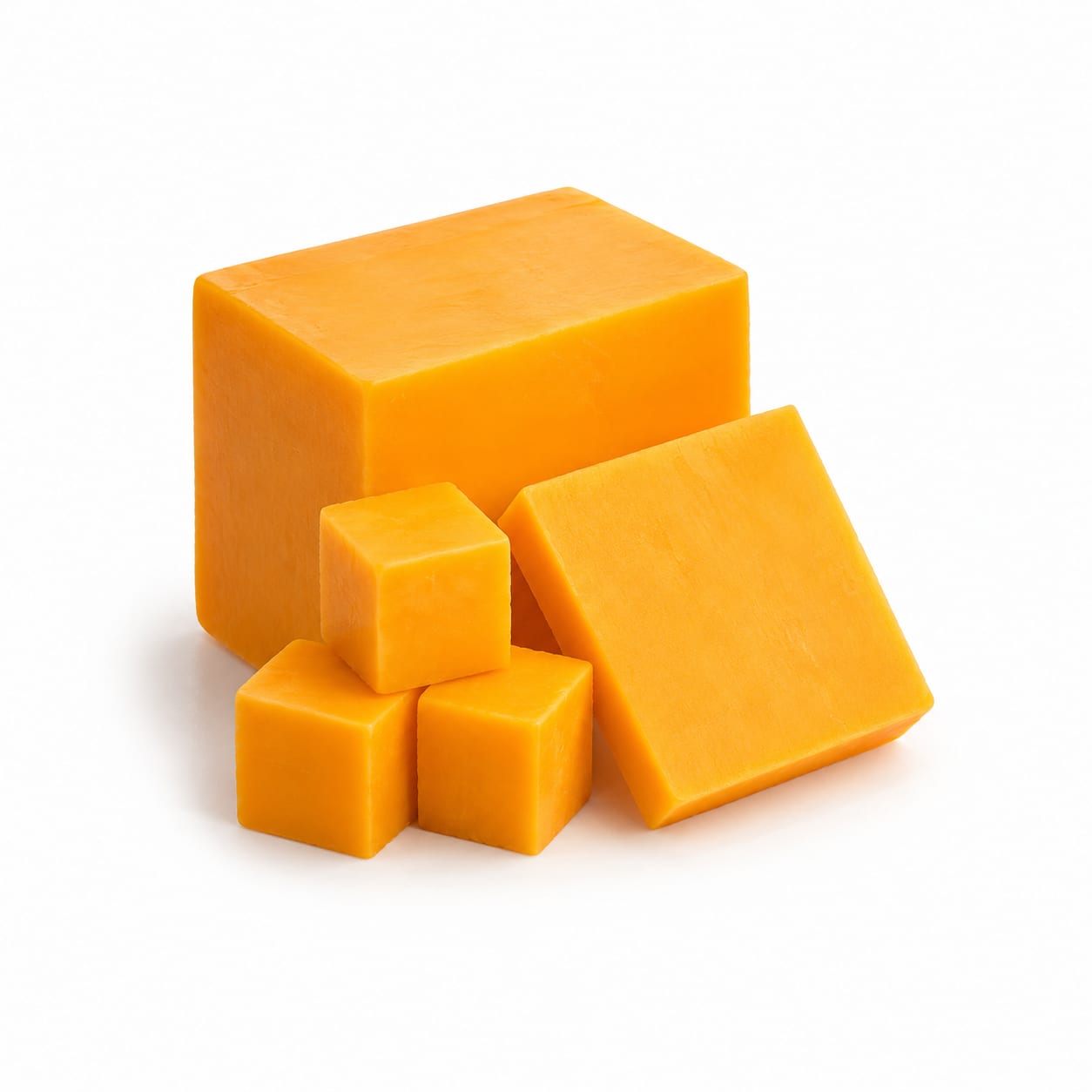
Cheddar Cheese
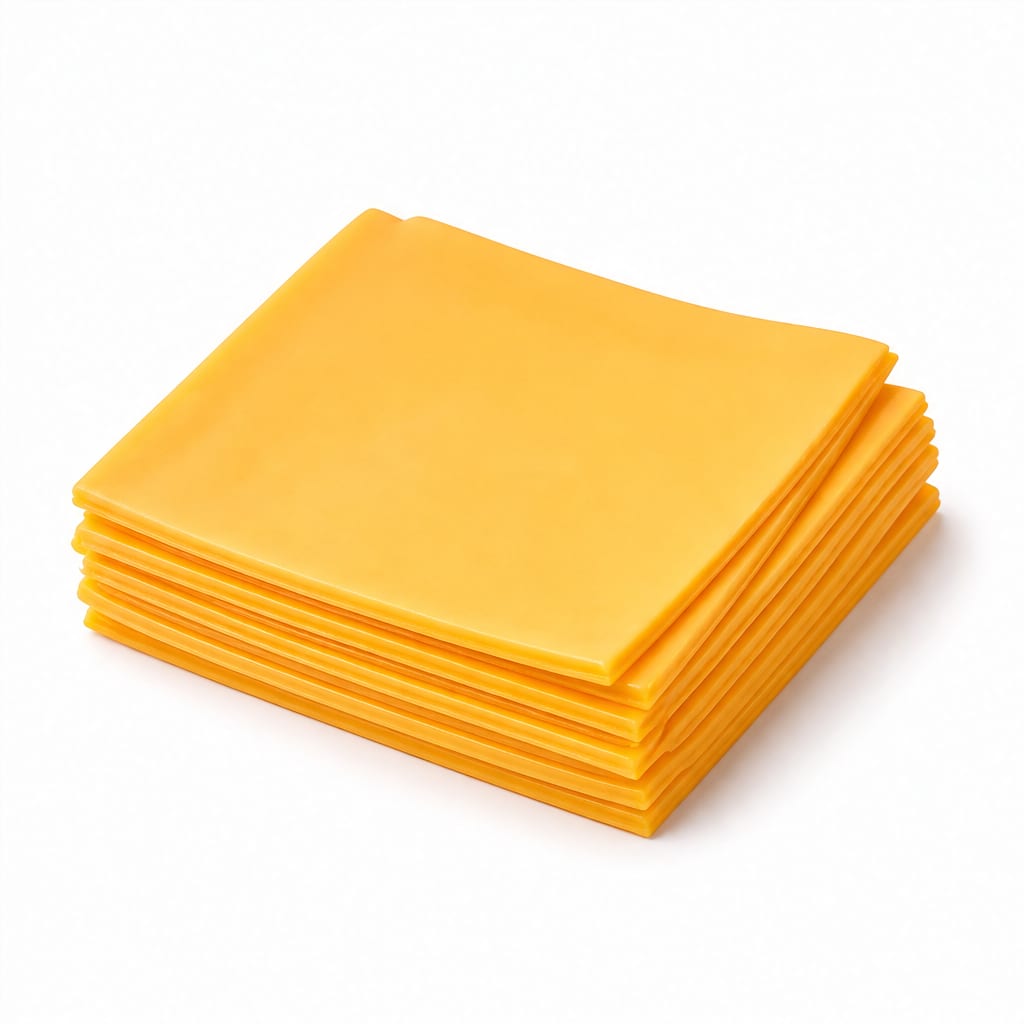
American Cheese
Cheddar Cheese wins on nutrition and clean ingredients, while American Cheese only wins when perfect meltability is the absolute priority.
Cheddar Cheese scores much higher due to superior nutritional density, a clean ingredient list, and lower sodium. American Cheese scores low because of its ultra-processed nature, high sodium, and artificial additives, despite its unmatched melting convenience.
You trade real nutrition and a clean label for engineered convenience and texture.
At a glance
Executive summary
Overall
Cheddar Cheese
Healthier
Cheddar Cheese
More practical
American Cheese
Daily use
Cheddar Cheese
Key comparison lenses
Natural vs Processed Food Choice
The primary difference is that Cheddar Cheese is a natural fermented food, while American Cheese is an ultra-processed cheese product designed for meltability.
Sodium and Heart Health Impact
American Cheese contains significantly more sodium, making it a concern for blood pressure and cardiovascular health compared to Cheddar Cheese.
Cooking and Meltability Needs
American Cheese is specifically engineered to melt smoothly without separating, which is why it is a staple in burgers and grilled cheese sandwiches.
Nutrient Density and Protein Quality
Cheddar Cheese offers more bioavailable protein and calcium per serving, whereas American Cheese dilutes these nutrients with water and emulsifiers.
Best choice for
Cheddar Cheese
- Cheese boards and snacking
- High-protein low-carb diets
- Families avoiding artificial ingredients
- Bone health support
American Cheese
- Classic burgers
- Gooey grilled cheese sandwiches
- Budget-friendly bulk cooking
- Picky eaters who prefer mild flavors
Least suitable for
Cheddar Cheese
- Severe lactose intolerance
- Strict low-sodium diets
- Recipes requiring perfectly smooth melting
American Cheese
- High blood pressure management
- Clean eating or whole food diets
- Those sensitive to phosphates or emulsifiers
Deep comparison
Dimension by dimension
Each lens scores both foods and breaks down who each option suits.
- Dimension 1 · Priority 90Cheddar Cheese
Nutritional Density
Cheddar Cheese · 85American Cheese · 40Cheddar Cheese packs significantly more protein and calcium per calorie compared to American Cheese.
Tradeoff
You get more actual nourishment from Cheddar Cheese, but American Cheese is often cheaper per slice.
Why it matters
Higher protein and calcium support muscle maintenance and bone strength more effectively.
Real-world impact
A Cheddar Cheese snack will keep you fuller for longer, while American Cheese leaves you hungry sooner.
Cheddar Cheese
- Bone density support
- Muscle maintenance
- Satiety between meals
Better for
American Cheese
- Meeting daily protein needs
- Maximizing nutrient intake per calorie
Worse for
- Dimension 2 · Priority 95Cheddar Cheese
Sodium Load
Cheddar Cheese · 55American Cheese · 20American Cheese contains nearly double the sodium of Cheddar Cheese, making it a risky everyday choice.
Tradeoff
The sodium in American Cheese acts as a preservative and flavor enhancer, but it heavily taxes your cardiovascular system.
Why it matters
High sodium intake is a leading driver of hypertension and bloating.
Real-world impact
Eating American Cheese daily can easily push you over your recommended sodium limit, leading to afternoon water retention and long-term heart strain.
Cheddar Cheese
- Blood pressure management
- Reducing water retention
Better for
American Cheese
- Heart health
- Staying under daily sodium limits
Worse for
- Dimension 3 · Priority 90Cheddar Cheese
Processing and Additives
Cheddar Cheese · 90American Cheese · 15Cheddar Cheese is made from just milk, cultures, salt, and enzymes. American Cheese contains emulsifiers, milk protein concentrates, and preservatives.
Tradeoff
Cheddar Cheese offers a clean label with whole food ingredients, while American Cheese sacrifices naturalness for a smooth, unbreakable melt.
Why it matters
Emulsifiers and ultra-processing can disrupt gut health and often signal a lower quality food matrix.
Real-world impact
Choosing Cheddar Cheese means eating real food. Choosing American Cheese means eating a food-like product engineered in a lab.
Cheddar Cheese
- Clean eating diets
- Gut health
- Avoiding artificial ingredients
Better for
American Cheese
- Whole food diets
- Minimizing chemical exposure
Worse for
- Dimension 4 · Priority 75American Cheese
Meltability and Cooking Performance
Cheddar Cheese · 50American Cheese · 98American Cheese melts into a perfectly smooth, creamy sauce without separating, while Cheddar Cheese can break or become greasy under high heat.
Tradeoff
The very emulsifiers that make American Cheese a nutritional downside are exactly what give it flawless cooking performance.
Why it matters
Texture is a huge part of food satisfaction, especially in comfort foods like mac and cheese or patty melts.
Real-world impact
Your homemade burgers will have that classic fast-food gooeyness with American Cheese, but a crumbly, oilier texture with Cheddar Cheese.
Cheddar Cheese
- Recipes requiring a smooth emulsion
Worse for
American Cheese
- Smooth cheese sauces
- Burger toppings
- Gooey grilled cheese sandwiches
Better for
Timeline
Health impact over time
Short-term
Hours to days
Cheddar Cheese
- Provides steady, satisfying energy
- Can cause constipation if eaten in excess due to low fiber
- May trigger mild bloating for those with lactose sensitivity
American Cheese
- Causes noticeable water retention due to high sodium
- May trigger headaches in sodium-sensitive individuals
- Highly palatable texture can encourage overeating
Long-term
Months to years
Cheddar Cheese
- Supports bone density through highly bioavailable calcium and vitamin K2
- Saturated fat content requires mindful portion control for heart health
- Aged varieties contain beneficial probiotics for gut health
American Cheese
- Frequent consumption raises hypertension risk due to excessive sodium
- Phosphate additives may harm kidney health over time
- Lacks the beneficial fermentation byproducts found in natural cheese
Risk profile
Safety & processing
Cheddar Cheese undergoes natural fermentation and aging. American Cheese is engineered by blending natural cheese with water, emulsifiers, and preservatives to create a uniform, shelf-stable product.
Cheddar Cheese
Listeria contamination
lowRaw milk Cheddar Cheese carries a slight listeria risk, but pasteurized versions are extremely safe.
Histamine intolerance
mediumAged Cheddar Cheese contains high levels of histamine, which can trigger headaches or skin flushing in sensitive individuals.
American Cheese
Sodium phosphate overload
mediumHigh phosphate intake from emulsifiers can damage blood vessels and accelerate kidney aging, especially in those with pre-existing conditions.
Excessive sodium intake
highA single slice provides a large chunk of the daily sodium limit, raising blood pressure significantly with regular consumption.
Who wins for whom
Audience fit
Same foods, different winners depending on your goal.
children
It dependsCheddar Cheese is better for growing bones and clean nutrition, but American Cheese is often preferred by picky eaters for its mild flavor and gooey texture.
daily consumption
Cheddar CheeseCheddar Cheese fits into a daily diet much more safely due to its natural ingredients and lower sodium profile.
diabetes
Cheddar CheeseBoth are low in carbs, but Cheddar Cheese has a cleaner ingredient list and less sodium, which is important for diabetic cardiovascular health.
elderly
Cheddar CheeseOlder adults need high-quality calcium and protein without the excessive sodium that threatens heart health.
muscle gain
Cheddar CheeseCheddar Cheese provides a higher dose of complete protein per serving to support muscle repair.
weight loss
Cheddar CheeseCheddar Cheese has more protein and less sodium, making it more satiating and less likely to cause bloating.
Your move
Decision guide
Choose Cheddar Cheese
- You want a nutrient-dense snack or meal addition
- You are watching your blood pressure or sodium intake
- You prefer eating whole, minimally processed foods
- You are building a charcuterie board or topping a salad
Choose American Cheese
- You are making a classic diner-style cheeseburger
- You need a perfectly smooth, gooey grilled cheese sandwich
- You are making a homemade cheese sauce that needs to stay emulsified
- You are on a very tight budget and need cheap calories
Either works if
- You just need a quick slice of cheese to satisfy a craving
- You are eating an occasional treat where nutrition is not the priority
Avoid both if
- You are strictly managing severe lactose intolerance
- You are following a vegan diet
- You are on a doctor-ordered low-saturated-fat diet
Final recommendation
Keep Cheddar Cheese as your everyday fridge staple for snacking, salads, and general cooking. Reserve American Cheese as an occasional specialty ingredient for when you absolutely need that perfect melt on a burger or in a comfort food grilled cheese.
Practical
Consumer tips
- 1
If you love the melt of American Cheese but want better nutrition, try mixing a slice of American Cheese with a slice of sharp Cheddar Cheese on your burger.
- 2
Opt for sharp or extra-sharp Cheddar Cheese; the stronger flavor means you can use less of it while still getting a satisfying taste.
- 3
Look for white American Cheese to avoid unnecessary artificial colorings like annatto or Yellow 5.
- 4
If sodium is a concern, always check the label on Cheddar Cheese, as sodium content can vary widely between brands.