
Nutrition comparison
Cheddar Cheese vs Pepper Jack: Which Is Healthier?
Compare Cheddar Cheese and Pepper Jack side by side — sodium, digestion, portion control, and cooking versatility. Find out which cheese fits your health goals better.
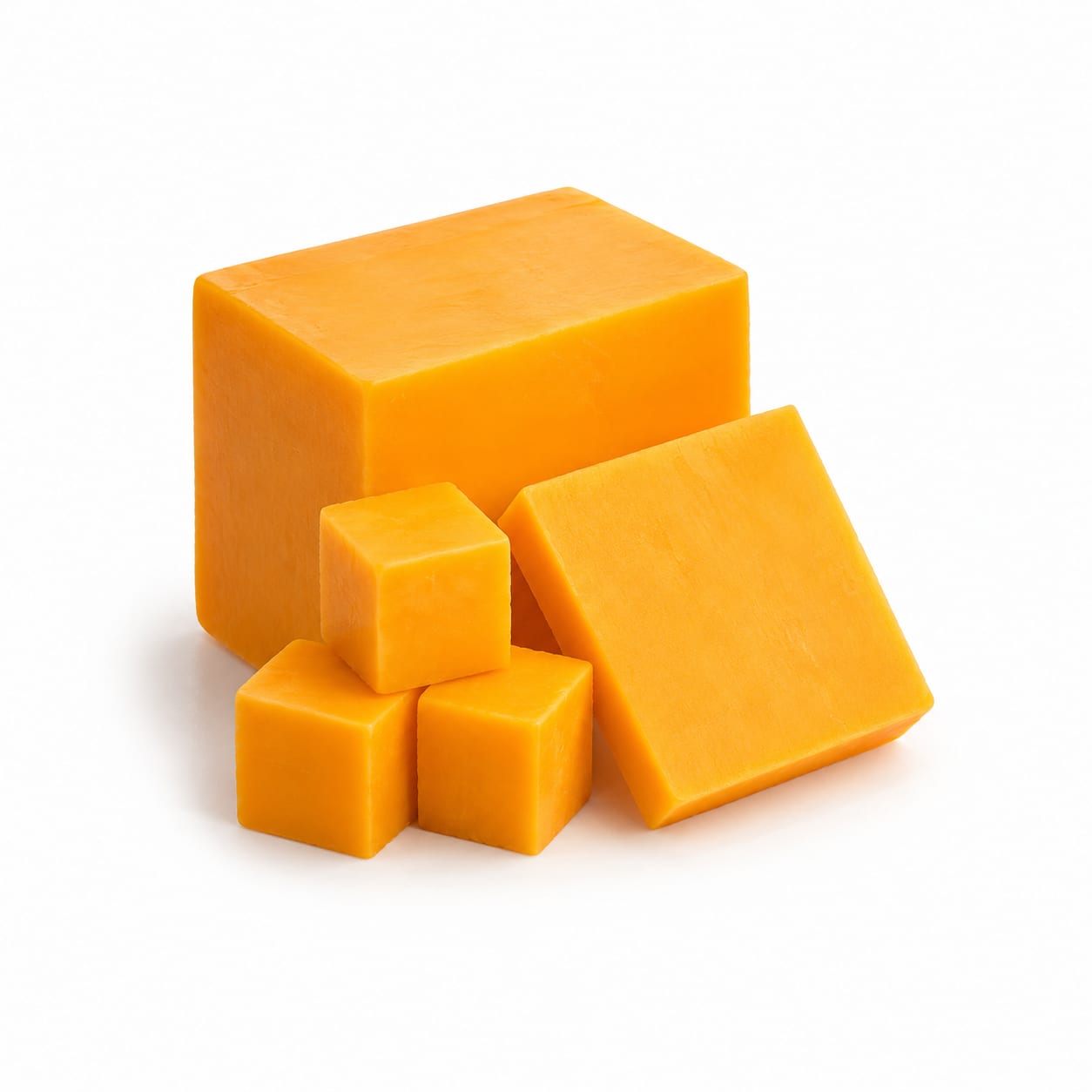
Cheddar Cheese
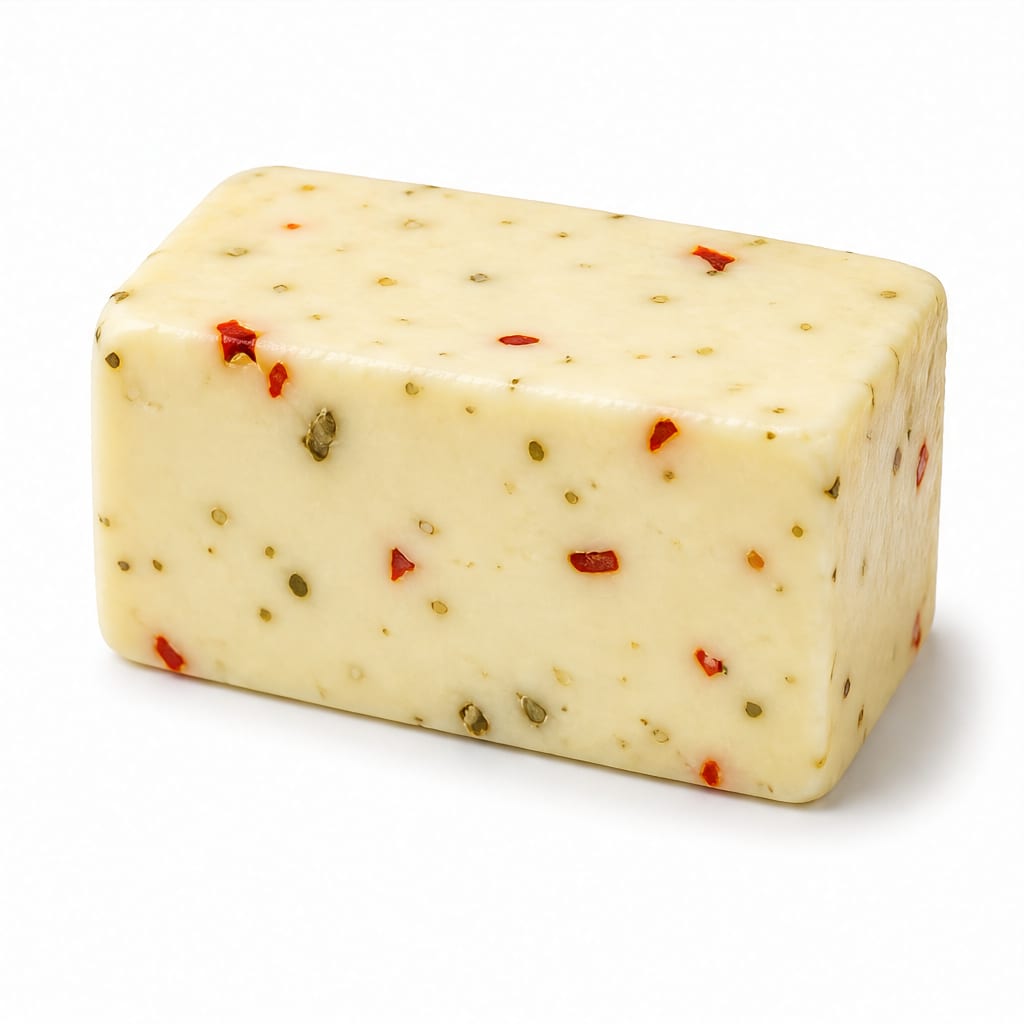
Pepper Jack
These two cheeses are nutritionally near-identical siblings with different personalities. Cheddar wins on versatility and digestibility; Pepper Jack wins on portion control and anti-inflammatory spice.
Scores are nearly tied because both are calorie-dense, high-saturated-fat cheeses with similar nutritional profiles. Cheddar edges ahead slightly on sodium control and digestive friendliness. Pepper Jack's capsaicin benefit is real but modest, and its higher sodium and irritation risk offset the gain.
Pepper Jack's capsaicin adds health benefits and slows eating, but irritates sensitive stomachs. Cheddar is gentler and more flexible, but easier to overeat.
At a glance
Executive summary
Overall
It depends
Healthier
It depends
More practical
Cheddar Cheese
Daily use
Cheddar Cheese
Key comparison lenses
Flavor satisfaction and portion control
Spice in Pepper Jack may naturally limit overeating, while Cheddar's milder taste makes it easier to overconsume
Sodium and heart health tradeoffs
Both are high-sodium cheeses, but added seasonings in Pepper Jack can push sodium even higher
Digestive tolerance and sensitivity
Capsaicin from jalapeños in Pepper Jack can irritate sensitive stomachs or trigger reflux
Cooking versatility and meal integration
Cheddar melts more predictably and pairs with nearly any dish, while Pepper Jack limits pairing options
Anti-inflammatory potential
Capsaicin has documented anti-inflammatory benefits, but dairy saturated fat counters this in both options
Best choice for
Cheddar Cheese
- Those with acid reflux or sensitive stomachs
- Meal preppers wanting one cheese for everything
- Families with kids who avoid spice
- Anyone watching sodium closely
Pepper Jack
- People who struggle with portion control
- Those seeking anti-inflammatory spice benefits
- Fans of bold flavor who eat less overall
- Metabolism-conscious snackers
Least suitable for
Cheddar Cheese
- People who find mild cheese boring and eat more to compensate
- Those wanting metabolic boost from capsaicin
Pepper Jack
- Anyone with GERD, ulcers, or IBS flare-ups
- Sodium-restricted diets
- Children or adults who dislike heat
Deep comparison
Dimension by dimension
Each lens scores both foods and breaks down who each option suits.
- Dimension 1 · Priority 90Cheddar Cheese
Sodium Load
Cheddar Cheese · 55Pepper Jack · 42Cheddar typically contains 170-200mg sodium per ounce. Pepper Jack often hits 200-250mg due to added salt in jalapeño processing and seasoning blends.
Tradeoff
That spicy kick costs you roughly 50mg more sodium per serving — meaningful if you eat cheese daily or have blood pressure concerns.
Why it matters
Both cheeses are already high-sodium foods. Adding more on top of that pushes Pepper Jack into riskier territory for heart health.
Real-world impact
Two ounces of Pepper Jack on a sandwich can deliver nearly 500mg sodium — a third of your daily limit before counting bread or condiments.
Cheddar Cheese
- Blood pressure management
- Daily cheese eaters
- Low-sodium diets
Better for
Pepper Jack
- Hypertension
- Kidney disease
- Heart-healthy eating plans
Worse for
- Dimension 2 · Priority 88Pepper Jack
Portion Control and Satiety
Cheddar Cheese · 48Pepper Jack · 68Pepper Jack's heat naturally slows eating and increases satisfaction with smaller amounts. Cheddar's smooth, familiar flavor makes it easy to keep slicing.
Tradeoff
You may eat 30-50% less Pepper Jack by weight simply because the spice signals your brain to stop sooner.
Why it matters
With cheese being so calorie-dense (~110 calories per ounce), any factor that reduces intake without reducing satisfaction is a real advantage.
Real-world impact
Someone who mindlessly eats 3 ounces of Cheddar while snacking might stop at 1.5-2 ounces of Pepper Jack — saving 110+ calories without trying.
Cheddar Cheese
- Portion control struggles
- Unconscious overeating
Worse for
Pepper Jack
- Weight management
- Mindless snacking tendency
- Emotional eaters
Better for
- Dimension 3 · Priority 82Cheddar Cheese
Digestive Tolerance
Cheddar Cheese · 60Pepper Jack · 40Cheddar is well-tolerated by most people aside from lactose concerns. Pepper Jack's capsaicin triggers heartburn, stomach irritation, and reflux in sensitive individuals.
Tradeoff
The same compound that helps with portion control can wreck your evening if you're prone to heartburn or GI issues.
Why it matters
Digestive discomfort after eating isn't just unpleasant — it disrupts sleep, reduces meal satisfaction, and makes healthy eating harder to sustain.
Real-world impact
A Pepper Jack grilled cheese at lunch could mean afternoon heartburn for someone with GERD, while the same sandwich with Cheddar would be fine.
Cheddar Cheese
- Acid reflux sufferers
- IBS or sensitive gut
- Evening snacking
Better for
Pepper Jack
- Robust digestion
- Those who tolerate spice well
Better for
- GERD
- Ulcers
- IBS flare-ups
- Acid sensitivity
Worse for
- Dimension 4 · Priority 70Pepper Jack
Anti-Inflammatory and Metabolic Benefit
Cheddar Cheese · 35Pepper Jack · 55Capsaicin in jalapeños has documented anti-inflammatory and mild metabolism-boosting effects. Cheddar offers no such benefit.
Tradeoff
The capsaicin dose in Pepper Jack is small — not therapeutic — but it's a meaningful edge over zero bioactive compounds in Cheddar.
Why it matters
Chronic inflammation drives most lifestyle diseases. Any whole-food source of anti-inflammatory compounds counts, even in modest amounts.
Real-world impact
Don't expect weight loss from Pepper Jack's capsaicin alone. Think of it as a small bonus on top of an otherwise indulgent food.
Cheddar Cheese
- Seeking functional food benefits
Worse for
Pepper Jack
- Anti-inflammatory eating patterns
- Metabolic health focus
- Whole-food bioactive intake
Better for
- Dimension 5 · Priority 75Cheddar Cheese
Cooking Versatility
Cheddar Cheese · 85Pepper Jack · 55Cheddar melts smoothly, pairs with sweet and savory dishes, and works from breakfast to dessert. Pepper Jack's heat limits it to savory, spice-friendly recipes.
Tradeoff
Cheddar is the Swiss-army-knife cheese. Pepper Jack is a specialty tool — excellent when you want heat, awkward when you don't.
Why it matters
More versatile foods reduce food waste, simplify shopping, and make meal planning easier — all of which support healthier eating long-term.
Real-world impact
Cheddar works on burgers, in mac and cheese, on apple slices, and in omelets. Pepper Jack clashes with fruit, overpowers delicate dishes, and limits leftovers reuse.
Cheddar Cheese
- Meal preppers
- Families with varied tastes
- Budget-conscious cooks
Better for
Pepper Jack
- Southwestern and Mexican dishes
- Burgers and sandwiches wanting a kick
Better for
- Delicate flavor pairings
- Sweet-and-savory combinations
- Kid-friendly meals
Worse for
- Dimension 6 · Priority 65Cheddar Cheese
Calcium and Bone Health
Cheddar Cheese · 72Pepper Jack · 68Both deliver solid calcium (~200mg per ounce), but Cheddar edges ahead slightly because it's often aged longer, concentrating minerals. Pepper Jack's added ingredients dilute calcium density per gram.
Tradeoff
The difference is small — roughly 5-10% more calcium in Cheddar per serving. Not a dealbreaker, but worth knowing if bone health is a priority.
Why it matters
Cheese is a top calcium source for many people. Small differences add up over years of daily consumption.
Real-world impact
Over a year of daily Cheddar instead of Pepper Jack, you'd get roughly 10-15g more calcium — a modest but real bone-health advantage.
Cheddar Cheese
- Osteoporosis prevention
- Older adults needing calcium
- Post-menopausal women
Better for
Pepper Jack
Timeline
Health impact over time
Short-term
Hours to days
Cheddar Cheese
- Quick satiety from fat and protein
- Possible constipation if eaten in large amounts
- Stable blood sugar — negligible carbs
- Mild lactose symptoms in sensitive individuals
Pepper Jack
- Same satiety benefits as Cheddar
- Possible heartburn or stomach warmth within 30 minutes
- Thermogenic feeling from capsaicin
- Higher thirst from extra sodium
Long-term
Months to years
Cheddar Cheese
- Elevated LDL cholesterol if consumed in excess daily
- Higher saturated fat intake linked to heart disease risk at high doses
- Reliable calcium source for bone maintenance
- Neutral to positive for weight if portions stay moderate
Pepper Jack
- Similar heart risk profile to Cheddar with added sodium concern
- Mild anti-inflammatory benefit from regular capsaicin exposure
- Slightly better weight maintenance odds due to natural portion limiting
- Potential for chronic GI irritation if spice sensitivity exists
Risk profile
Safety & processing
Both are fermented dairy products with similar processing. Cheddar contains milk, cultures, rennet, and salt. Pepper Jack adds jalapeños, often with preservatives like sodium benzoate or citric acid to maintain pepper color and flavor. Some brands use artificial colors or flavor enhancers in Pepper Jack, making label-reading more important.
Cheddar Cheese
Listeria contamination
lowAged cheeses carry slight listeria risk, especially from unpasteurized milk. Most commercial Cheddar uses pasteurized milk and aging reduces risk further.
Histamine intolerance
mediumAged Cheddar is high in histamine, which can trigger headaches, hives, or digestive issues in sensitive people.
Pepper Jack
Listeria contamination
lowSame baseline risk as Cheddar. Added peppers introduce minimal additional contamination risk if properly processed.
Added preservative exposure
lowSome brands use sodium benzoate or potassium sorbate in pepper pieces. Doses are small but worth avoiding if you're sensitive to preservatives.
Capsaicin-related GI damage
lowExtremely high capsaicin intake can damage stomach lining, but the amount in Pepper Jack cheese is far below concerning thresholds for healthy individuals.
Who wins for whom
Audience fit
Same foods, different winners depending on your goal.
children
Cheddar CheeseMost kids reject spicy food, and Cheddar's mild flavor makes it a reliable protein and calcium source for picky eaters.
daily consumption
Cheddar CheeseCheddar's lower sodium, better digestive tolerance, and cooking versatility make it more sustainable as an everyday cheese without accumulating health tradeoffs.
diabetes
It dependsBoth have near-zero carbs and won't spike blood sugar. Choose based on sodium tolerance and digestive sensitivity rather than glycemic concerns.
elderly
Cheddar CheeseOlder adults often have more sensitive digestion and higher blood pressure risk. Cheddar's lower sodium and gentler profile make it the safer daily choice.
muscle gain
Cheddar CheeseCheddar has marginally more protein per calorie and pairs better with a wider variety of muscle-building meals, making it easier to incorporate consistently.
weight loss
Pepper JackPepper Jack's heat naturally limits portions and provides slightly more satisfaction per bite, making it easier to eat less without feeling deprived.
Your move
Decision guide
Choose Cheddar Cheese
- You eat cheese daily and want the lowest-sodium option
- You have acid reflux, GERD, or a sensitive stomach
- You cook for a family with varied taste preferences
- You want one cheese that works in any recipe
- You're watching blood pressure or kidney health
Choose Pepper Jack
- You tend to overeat cheese and need built-in portion control
- You enjoy spicy food and have no digestive issues
- You want a small anti-inflammatory bonus from capsaicin
- You mostly use cheese in Southwestern, Mexican, or bold-flavor dishes
- You find mild cheese boring and end up eating more of it
Either works if
- You only eat cheese occasionally — the differences barely matter
- You're focused on protein or calcium — both deliver nearly identically
- You have no sodium, digestion, or weight concerns
Avoid both if
- You're on a strict low-saturated-fat diet for heart disease
- You have severe lactose intolerance or dairy allergy
- You're following a whole-food plant-based eating plan
- You need to limit sodium below 1500mg daily
Final recommendation
For most people eating cheese a few times a week, pick based on flavor preference — the nutritional gap is small. For daily eaters, Cheddar is the safer default thanks to lower sodium and gentler digestion. Reserve Pepper Jack for when you want the spice boost and natural portion control. Either way, keep portions to 1-2 ounces and pair with vegetables or whole grains to balance the meal.
Practical
Consumer tips
- 1
Read Pepper Jack labels carefully — some brands add artificial colors, preservatives, or excess sodium that cheapen the product
- 2
Aged Cheddar (12+ months) has more flavor per bite, which also helps with portion control without the heat
- 3
If you want Pepper Jack's benefits but find it too spicy, try mixing half Cheddar and half Pepper Jack on sandwiches or in omelets
- 4
Both cheeses freeze well for up to 6 months — buy in blocks when on sale and grate as needed
- 5
Pre-shredded versions of both cheeses contain anti-caking additives like cellulose — block cheese melts better and has cleaner ingredients
- 6
For the lowest sodium option across both, look for 'reduced sodium' Cheddar, which is more widely available than reduced-sodium Pepper Jack