
Nutrition comparison
Cheddar Cheese vs Parmesan: Nutrition, Sodium & Best Uses
Comparing Cheddar Cheese and Parmesan? Discover which cheese is better for protein, sodium, lactose intolerance, and cooking.
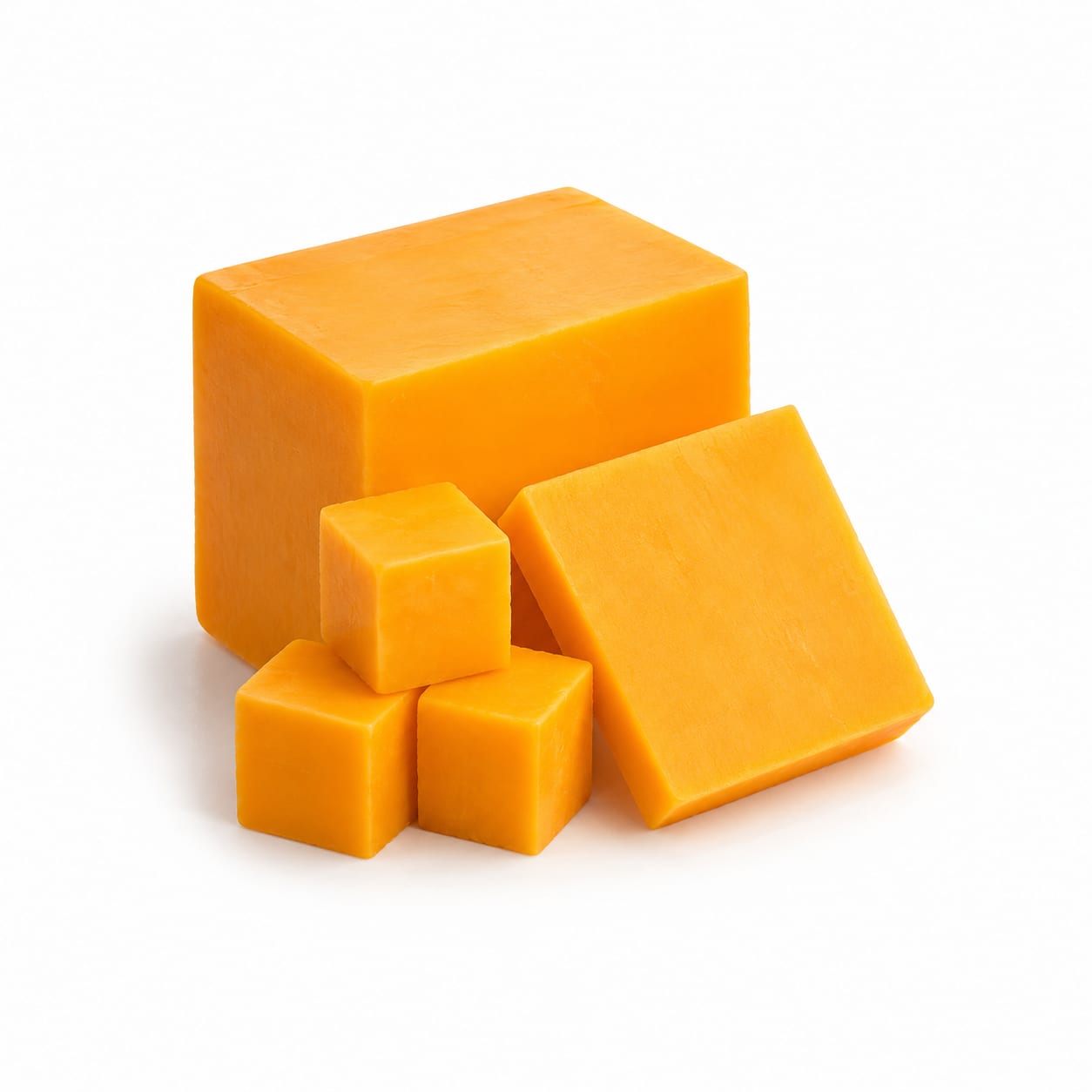
Cheddar Cheese
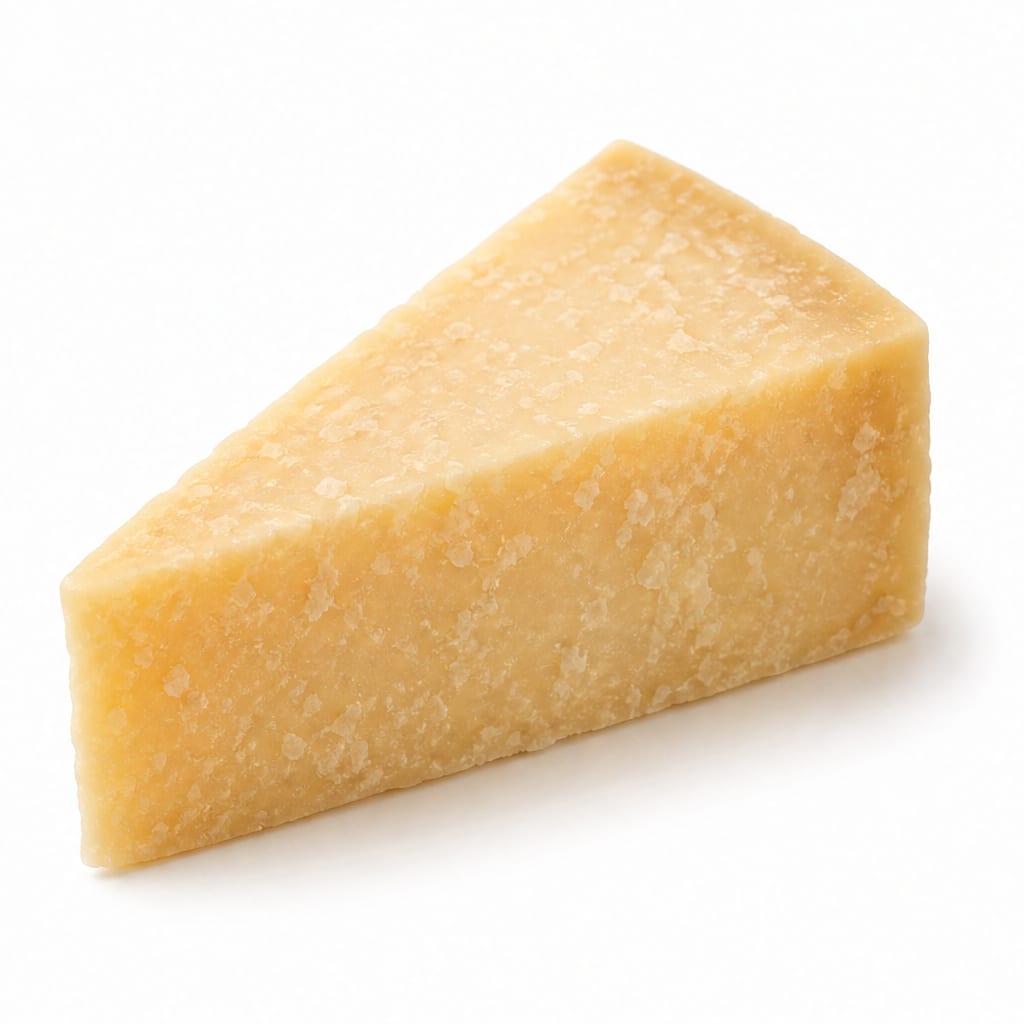
Parmesan
Cheddar Cheese is the more versatile, lower-sodium everyday cheese, while Parmesan delivers far more protein and calcium per bite but comes with a heavy sodium load.
Cheddar Cheese scores slightly higher for daily use due to lower sodium and better snacking versatility, but Parmesan dominates in nutrient density and digestibility.
Nutrient density and lactose-friendliness versus sodium content and eating versatility.
At a glance
Executive summary
Overall
It depends
Healthier
It depends
More practical
Cheddar Cheese
Daily use
Cheddar Cheese
Key comparison lenses
Sodium load and blood pressure impact
Parmesan is extremely high in sodium compared to Cheddar Cheese, which is a major deciding factor for daily consumption.
Protein and calcium density
Parmesan is aged longer, concentrating its protein and calcium per ounce far beyond Cheddar Cheese.
Lactose tolerance and digestibility
The extended aging of Parmesan breaks down virtually all lactose, making it safer for sensitive individuals than Cheddar Cheese.
Portion control and calorie density
Parmesan has an intense flavor that naturally limits portion sizes, whereas Cheddar Cheese is often eaten in larger, calorie-dense blocks.
Culinary versatility and snacking
Cheddar Cheese melts smoothly and is a standalone snack, while Parmesan is primarily a garnish or flavor enhancer.
Best choice for
Cheddar Cheese
- Sandwiches and burgers
- Melting over warm dishes
- Standalone snacking
- People managing blood pressure
Parmesan
- Pasta and salad toppings
- Lactose-sensitive individuals
- Maximizing protein per calorie
- Adding intense flavor with very small portions
Least suitable for
Cheddar Cheese
- Strict low-fat diets
- Severe lactose intolerance
- Flavor-boosting without adding bulk
Parmesan
- Low-sodium diets
- Melting applications
- Comfort food snacking
Deep comparison
Dimension by dimension
Each lens scores both foods and breaks down who each option suits.
- Dimension 1 · Priority 95Parmesan
Protein & Calcium Density
Cheddar Cheese · 65Parmesan · 95Parmesan packs significantly more protein and calcium per ounce because its low water content concentrates the nutrients.
Tradeoff
You get more muscle-building and bone-supporting nutrients per bite with Parmesan, but you also get a concentrated hit of sodium.
Why it matters
If you are eating small portions, Parmesan delivers more nutritional value per gram than Cheddar Cheese.
Real-world impact
A tablespoon of grated Parmesan on your salad gives a surprising protein and calcium boost, whereas you would need a much thicker slice of Cheddar Cheese to match it.
Cheddar Cheese
- Getting protein from a larger, more filling portion
Better for
- Lower nutrient density per ounce
Worse for
Parmesan
- Maximizing nutrients in a tiny portion size
- Bone health support in small doses
Better for
- Nutrient density comes with high sodium
Worse for
- Dimension 2 · Priority 95Cheddar Cheese
Sodium Load
Cheddar Cheese · 75Parmesan · 35Cheddar Cheese contains moderate sodium, while Parmesan is exceptionally high in salt due to its aging process.
Tradeoff
Parmesan offers more nutrients but at the cost of a heavy sodium dose that can quickly push you over daily limits.
Why it matters
For anyone watching their blood pressure or eating cheese multiple times a day, sodium content is the ultimate dealbreaker.
Real-world impact
Eating a few slices of Cheddar Cheese as a snack is manageable for blood pressure, but eating the same weight in Parmesan could easily exceed your sodium budget.
Cheddar Cheese
- Keeping daily sodium intake low
- Blood pressure management
Better for
- Still a significant source of sodium if overeaten
Worse for
Parmesan
- Post-workout hydration if sodium needs replenishing
Better for
- High risk for water retention and blood pressure spikes
Worse for
- Dimension 3 · Priority 85Parmesan
Lactose Content & Digestibility
Cheddar Cheese · 45Parmesan · 95The long aging process of Parmesan breaks down nearly all lactose, making it virtually lactose-free, unlike Cheddar Cheese.
Tradeoff
If dairy upsets your stomach, Parmesan is far safer, but you still have to contend with its high sodium.
Why it matters
Lactose intolerance affects a huge portion of the population, making digestibility a major quality-of-life factor.
Real-world impact
You can enjoy Parmesan on pasta without bloating, while Cheddar Cheese might cause stomach discomfort for sensitive individuals.
Cheddar Cheese
- Mild aging still reduces lactose compared to fresh cheese
Better for
- Contains enough lactose to trigger sensitivities
Worse for
Parmesan
- Virtually no lactose, safe for most intolerant individuals
- Easy on the stomach in small amounts
Better for
- Digestive comfort is irrelevant if high sodium causes bloating
Worse for
- Dimension 4 · Priority 80Parmesan
Flavor Intensity & Portion Control
Cheddar Cheese · 60Parmesan · 90Parmesan has a deeply savory, salty umami flavor that naturally restricts how much you eat, while Cheddar Cheese is mild and easy to overeat.
Tradeoff
Parmesan stops you from overeating through its intense flavor, but Cheddar Cheese offers a more comforting, easy-to-eat experience.
Why it matters
Calorie density in cheese makes portion control critical for weight management.
Real-world impact
You might casually slice through a thick block of Cheddar Cheese while watching TV, but a little grated Parmesan goes a long way before your palate is satisfied.
Cheddar Cheese
- Better for meals where you want a mild, creamy background flavor
Better for
- Easy to overconsume without realizing
Worse for
Parmesan
- Built-in portion control due to strong taste
- Maximum flavor per calorie
Better for
- Can overpower delicate dishes if used heavily
Worse for
- Dimension 5 · Priority 75Cheddar Cheese
Melting & Culinary Versatility
Cheddar Cheese · 90Parmesan · 40Cheddar Cheese melts beautifully and works in everything from grilled cheese to casseroles, while Parmesan clumps and gets gritty when melted alone.
Tradeoff
Cheddar Cheese is a culinary workhorse for hot dishes, whereas Parmesan is mostly a finishing cheese.
Why it matters
How a cheese cooks determines its real-world utility in your weekly meal prep.
Real-world impact
Cheddar Cheese makes a comforting, gooey grilled cheese sandwich; Parmesan makes a dry, oily, clumpy one.
Cheddar Cheese
- Melting over burgers and sandwiches
- Standalone cold snacking
- Creamy sauces
Better for
- Can separate and become greasy if overheated
Worse for
Parmesan
- Finishing pastas and risottos
- Flavoring breadcrumbs
Better for
- Poor melting texture
- Unsuitable as a primary cheese base
Worse for
Timeline
Health impact over time
Short-term
Hours to days
Cheddar Cheese
- Provides steady, filling energy from fat and protein
- May cause bloating or gas for those with mild lactose intolerance
- Satisfying as a standalone snack to curb hunger
Parmesan
- High sodium can cause immediate thirst and water retention
- Very easy on the digestive tract for lactose-sensitive people
- Intense umami flavor quickly satisfies savory cravings
Long-term
Months to years
Cheddar Cheese
- Regular consumption supports bone density through calcium, but saturated fat requires moderation
- Moderate sodium makes it easier to fit into a heart-healthy diet long-term
- Can contribute to elevated LDL cholesterol if eaten in large blocks daily
Parmesan
- Excellent for maintaining bone health and muscle mass with highly concentrated calcium and protein
- Frequent use can significantly increase daily sodium intake, risking hypertension
- Virtually no lactose means long-term digestive comfort for dairy-sensitive individuals
Risk profile
Safety & processing
Both Cheddar Cheese and Parmesan are traditional fermented foods made with minimal ingredients, but pre-shredded versions often contain anti-caking agents like cellulose.
Cheddar Cheese
Listeria contamination
lowUnpasteurized Cheddar Cheese carries a slight listeria risk, especially for pregnant women, but commercial versions are very safe.
Spoilage from improper storage
mediumCheddar Cheese can mold quickly if not sealed properly, though surface mold can often be safely cut off.
Parmesan
Histamine intolerance
mediumThe long aging process produces high levels of histamine, which can trigger headaches or rashes in sensitive individuals.
High sodium health impacts
highThe extreme sodium concentration poses a consistent risk for blood pressure and cardiovascular health if consumed liberally.
Who wins for whom
Audience fit
Same foods, different winners depending on your goal.
children
Cheddar CheeseCheddar Cheese has a milder flavor, lower sodium, and a softer texture that kids enjoy, making it far more appropriate for developing palates and kidneys.
daily consumption
Cheddar CheeseCheddar Cheese has a more balanced sodium profile, making it safer to eat on a daily basis without risking hypertension.
diabetes
It dependsBoth are very low in carbs and will not spike blood sugar; Cheddar Cheese is easier to eat as a filling snack, while Parmesan provides more protein to stabilize a meal.
elderly
ParmesanParmesan provides concentrated calcium for bone health and is easier to digest for those with developed lactose intolerance, provided their blood pressure is managed.
muscle gain
ParmesanParmesan offers more protein per ounce, making it a more efficient way to add muscle-building blocks to a meal.
weight loss
ParmesanParmesan's intense flavor and low lactose allow you to feel highly satisfied with a very small, low-calorie portion.
Your move
Decision guide
Choose Cheddar Cheese
- You want a gooey, melty cheese for sandwiches or burgers
- You are watching your sodium intake
- You need a satisfying, portable afternoon snack
- You are feeding children
Choose Parmesan
- You want a massive flavor boost for pasta or salad
- You are lactose intolerant but crave cheese
- You want maximum protein and calcium per bite
- You struggle with portion control and need a cheese that stops you naturally
Either works if
- You are on a low-carb or keto diet and need fat and protein
- You want a savory topping for eggs or roasted vegetables
Avoid both if
- You are strictly limiting saturated fat for heart disease
- You are following a vegan diet
- You have a severe dairy allergy
Final recommendation
Keep Cheddar Cheese in the fridge for everyday snacking and melting, and keep a wedge of Parmesan in the pantry for when you need a low-lactose, nutrient-dense flavor bomb. Use Cheddar Cheese as your dietary base and Parmesan as your secret weapon.
Practical
Consumer tips
- 1
Buy Parmesan in a block and grate it yourself; pre-grated versions contain cellulose to prevent clumping and lack the fresh flavor.
- 2
A sharp Cheddar Cheese gives you more flavor per slice than mild Cheddar Cheese, mimicking the portion-control benefits of Parmesan.
- 3
If you love Parmesan but hate the sodium, try mixing half Parmesan and half nutritional yeast for a similar umami punch with less salt.
- 4
To prevent Cheddar Cheese from molding, wrap it in parchment paper and then loosely in plastic wrap so it can breathe without drying out.