
Preserved Animal Product
Century Egg
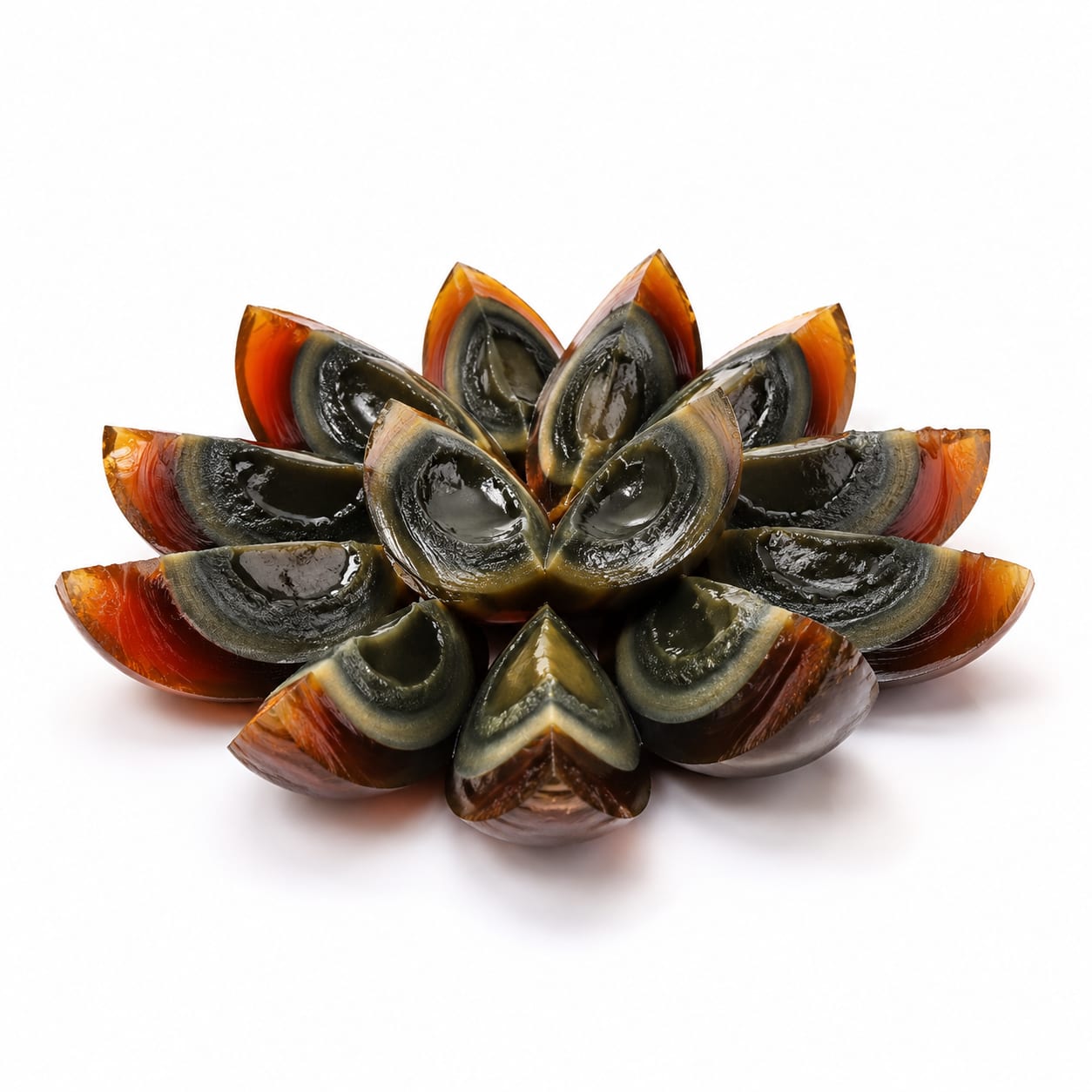
A traditional Chinese preserved egg with a gelatinous dark white and creamy, rich yolk created through alkaline curing.
A traditional Chinese preserved food made by curing duck, chicken, or quail eggs in a mixture of clay, ash, salt, quicklime, and rice hulls for several weeks to months, resulting in a dark, gelatinized egg white and a creamy, rich yolk.
high-protein high-sodium preserved egg
Typical serving · 50g
Common varieties · duck egg, chicken egg, quail egg, lead-free traditional, modern chemically accelerated
Overall context score across nutrition, safety, and diet fit
At a glance
Quick facts
Simple indicators based on nutrition, processing, and diet fit.
The story
What makes it unique
Alkaline fermentation denatures egg proteins, transforming the white into a dark, translucent gel and the yolk into a soft, greenish-black cream. Digestion is moderate, and satiety is high due to the dense protein and fat content. The macronutrient profile remains similar to a fresh egg, but sodium content increases significantly due to the curing salts.
Varieties: duck egg · chicken egg · quail egg · lead-free traditional · modern chemically accelerated
Per 100g
Nutrition breakdown
Macro balance and key metrics at a glance.
Energy
Density 1.71 kcal/g
Protein
Carbs
Fat
Fiber
Sugar
1 g
Sodium
600 mg
Potassium
150 mg
Glycemic index
0
Glycemic load
0
Water content
65%
Standout compounds
Nutrient highlights
Protein
highSupports muscle repair and satiety
Sodium
highElectrolyte balance, but easily overconsumed leading to high blood pressure
Vitamin A
moderateSupports vision and immune function
Iron
moderateEssential for oxygen transport in blood
Wellness map
Health scores & processing
NOVA processing scale
Traditionally preserved · Whole food
Traditional preservation uses alkaline clay, ash, salt, and lime. Modern industrial versions may use chemical accelerants like sodium hydroxide, pushing it closer to ultra-processed, but the traditional method is a centuries-old curing technique.
Diet compatibility
- Weight loss
- Muscle gain
- Diabetes
- Gut health
- Low carb
- High protein
- Heart health
Relative standing
Food rankings
Qualitative ranks compared to similar whole foods.
- Satietygood
- Blood sugarexcellent
- Nutrient densitymoderate
- Fitness fuelmoderate
- Processing qualitypoor
Eat with confidence
Food safety profile
Modern commercially produced century eggs are generally safe and lead-free, but consumers should verify sourcing to avoid traditional lead-cured varieties. High sodium is the primary dietary safety concern.
Evidence confidence 85%
- Pesticideslow
- Antibioticslow
- Heavy metalsmoderate
- Contaminationlow
Watch for
- lead (from traditional lead oxide methods)
- salmonella (if improperly cured)
Safer choices
Lead-free certified century eggs
Prep tips
Rinse the shell thoroughly under water before peeling. Consume in moderation due to high sodium content.
Historical use of lead oxide in the curing process to speed up production; modern regulations mandate lead-free production, but imported traditional batches may still pose a risk.
Deep dive
Health analysis
How this food may fit different goals and preparation choices.
Weight loss
High sodium causes water retention, masking fat loss on the scale. Calorie density is moderate, but portion control is needed due to the rich fat content.
Blood sugar
Virtually zero carbohydrates, resulting in no glycemic spike, making it safe for blood sugar management.
Fitness & energy
Provides a dense source of protein and fat for muscle maintenance, but lacks fast-digesting carbs for immediate workout fuel.
Gut health
Lacks dietary fiber and the high sodium content may negatively impact gut microbiome balance if consumed in excess.
Processing quality
Alkaline preservation alters the food significantly, increasing sodium and changing protein structures, though it remains a whole-food derivative.
Food safety
Lead contamination is a historical risk largely mitigated by modern regulations, but verifying lead-free sourcing is essential.
Common mistakes
Eating multiple eggs in one sitting, which delivers an excessive sodium load, or assuming the dark color indicates spoilage rather than a natural alkaline reaction.
Best preparation
Served chilled with pickled ginger, chopped in congee, or sliced in tofu salads to balance the rich, alkaline flavor.
Practical guide
Best use cases
When and how this food fits real eating patterns.
Low-carb condiment
Chopped into salads or tofu for a savory umami boost without adding carbohydrates.
Congee topping
Sliced into rice porridge to add rich, creamy protein and depth of flavor.
Traditional appetizer
Served with pickled ginger as a palate cleanser and high-protein starter.
Balance sheet
Pros & cons
Upsides
- Highly bioavailable complete protein
- Zero carbohydrates
- Rich in umami flavor
- Long shelf life without refrigeration
- Good source of Vitamin A and Iron
Trade-offs
- Very high in sodium
- Historical lead contamination risks
- Strong off-putting flavor for unaccustomed palates
- High dietary cholesterol
- Alkaline processing reduces some natural vitamins
Fit check
Who is it for?
Great match
- low-carb diets
- flavor enhancement in Asian cuisine
- shelf-stable protein
Consider alternatives
- low-sodium diets
- hypertension management
- those sensitive to strong flavors
Side by side
How it compares
Open the full head-to-head analysis for nutrition, safety, and practical tradeoffs.
This food
Century Egg
VS90% alike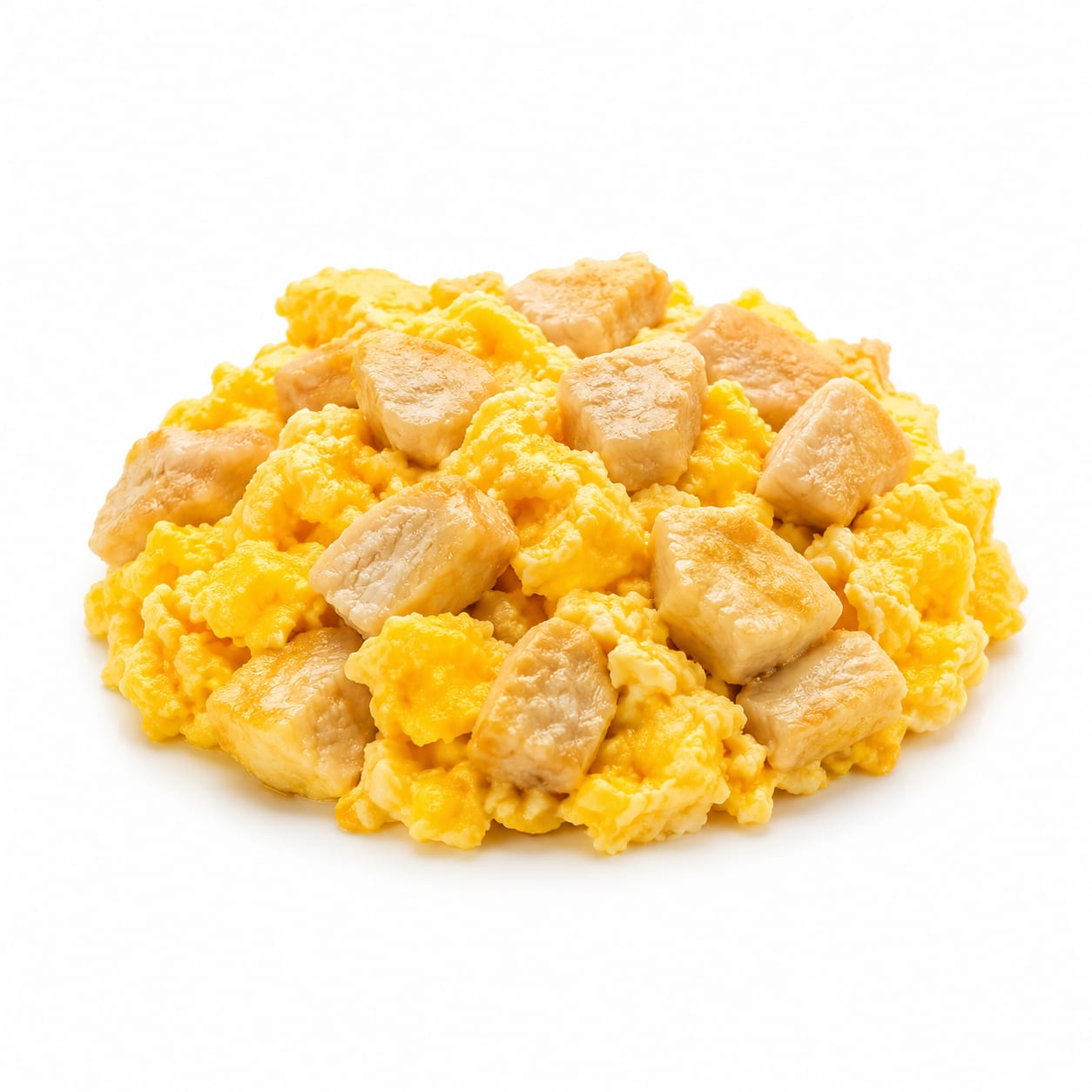
Compare with
Chicken Egg
Century eggs are much higher in sodium and have an altered texture due to curing, while chicken eggs are fresher, lower in sodium, and more versatile.
Chicken eggs are lower in sodium and better for daily eating, while century eggs offer a unique umami flavor but with a heavy salt load.
This food
Century Egg
VS95% alike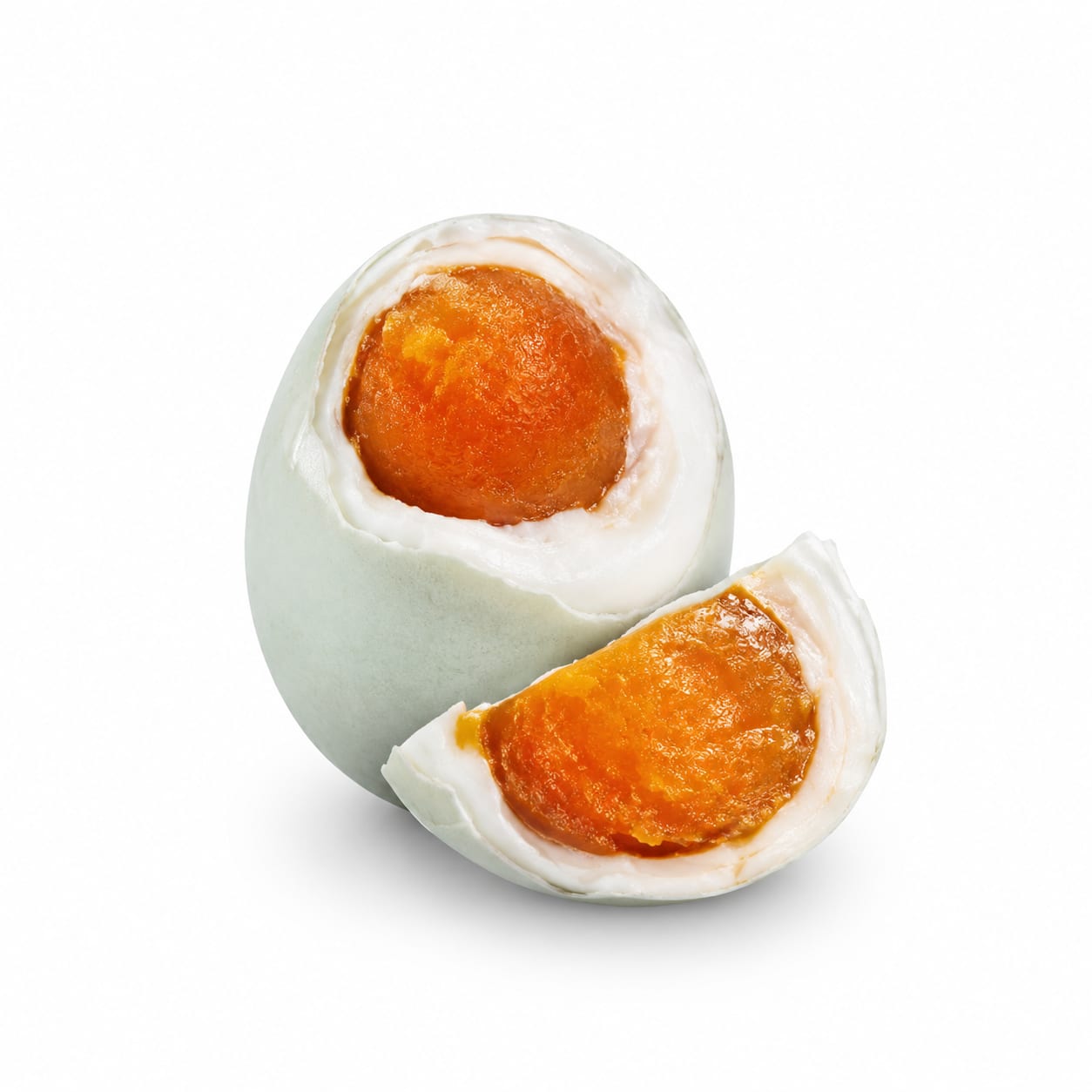
Compare with
Duck Egg
Duck eggs are larger and naturally higher in fat and protein than chicken eggs. Century eggs made from duck eggs retain these nutrients but gain massive sodium content.
Fresh duck eggs provide richer nutrition without the extreme sodium of a century egg, making them healthier for regular consumption.
This food
Century Egg
VS98% alike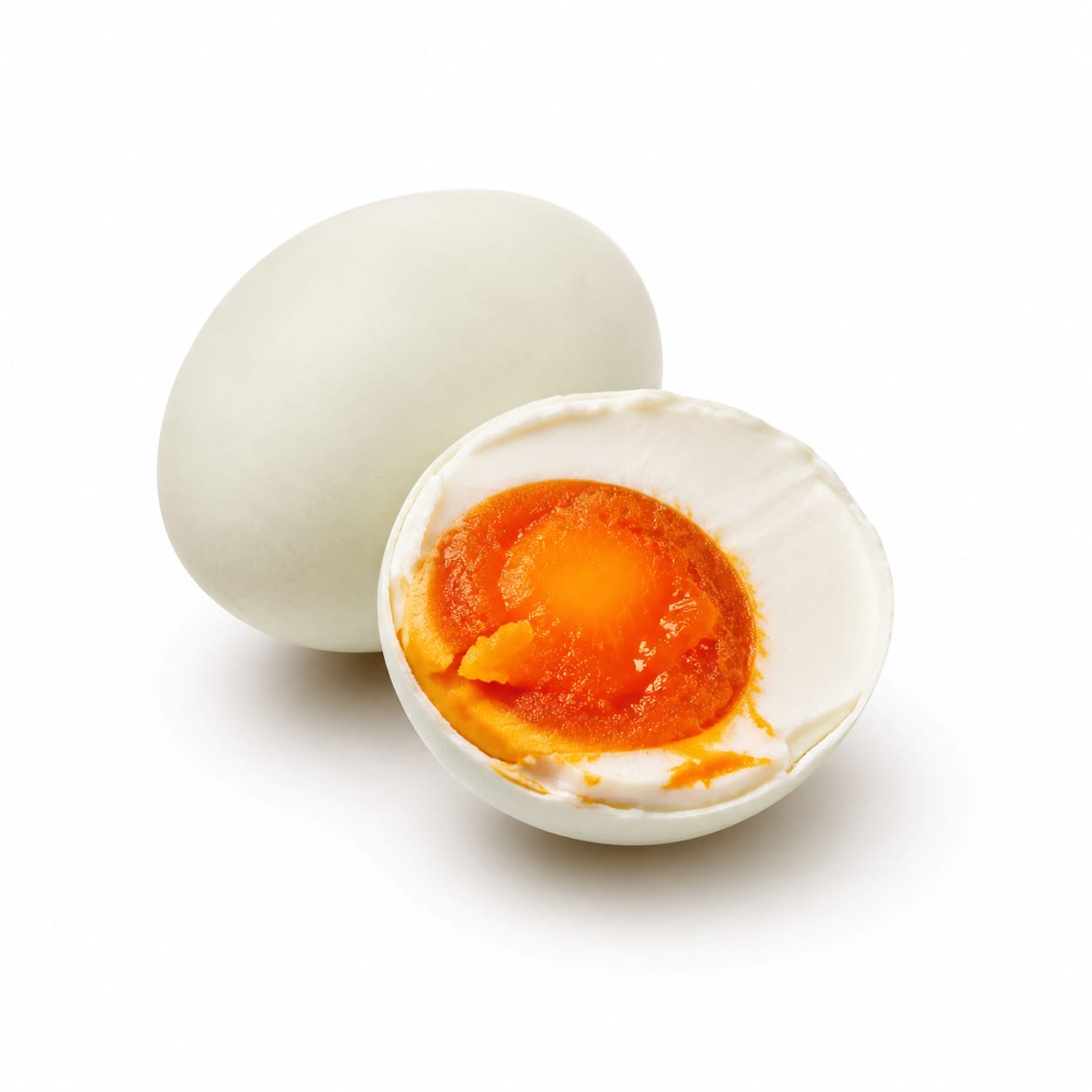
Compare with
Salted Duck Egg
Both are preserved eggs high in sodium, but salted duck eggs are cured with brine or salted charcoal, retaining a cooked yolk texture and clear white, whereas century eggs are alkaline-cured and fully transformed.
Century eggs are lower in calories than salted duck eggs, but both are very high in sodium and should be eaten in moderation.
This food
Century Egg
VS80% alike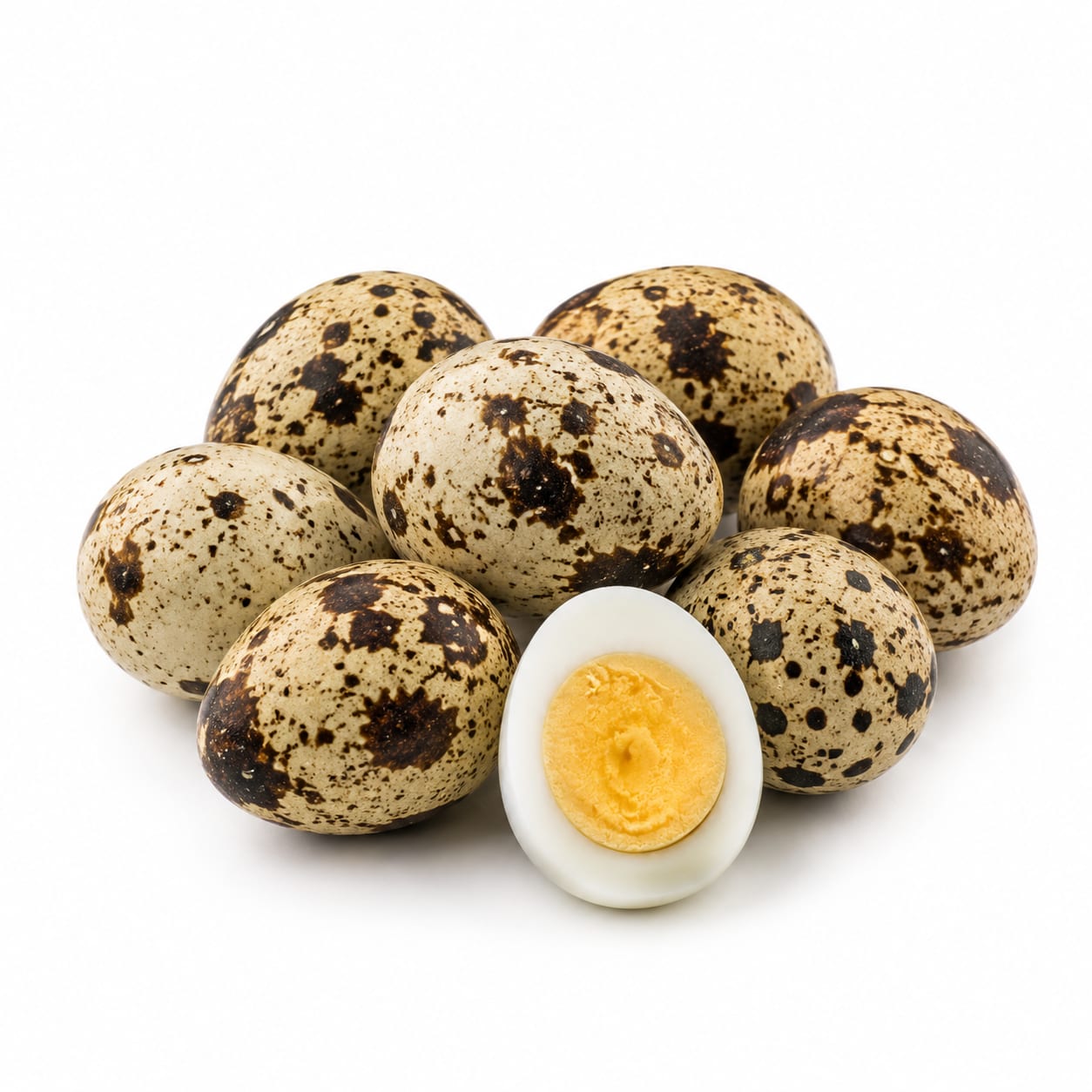
Compare with
Quail Egg
Quail eggs are bite-sized, mild, and lower in sodium per serving. Century quail eggs are popular appetizers but pack a concentrated sodium hit.
Fresh quail eggs are a lower-sodium, milder option, while century quail eggs offer a punchy, savory flavor with high salt content.
This food
Century Egg
VS60% alike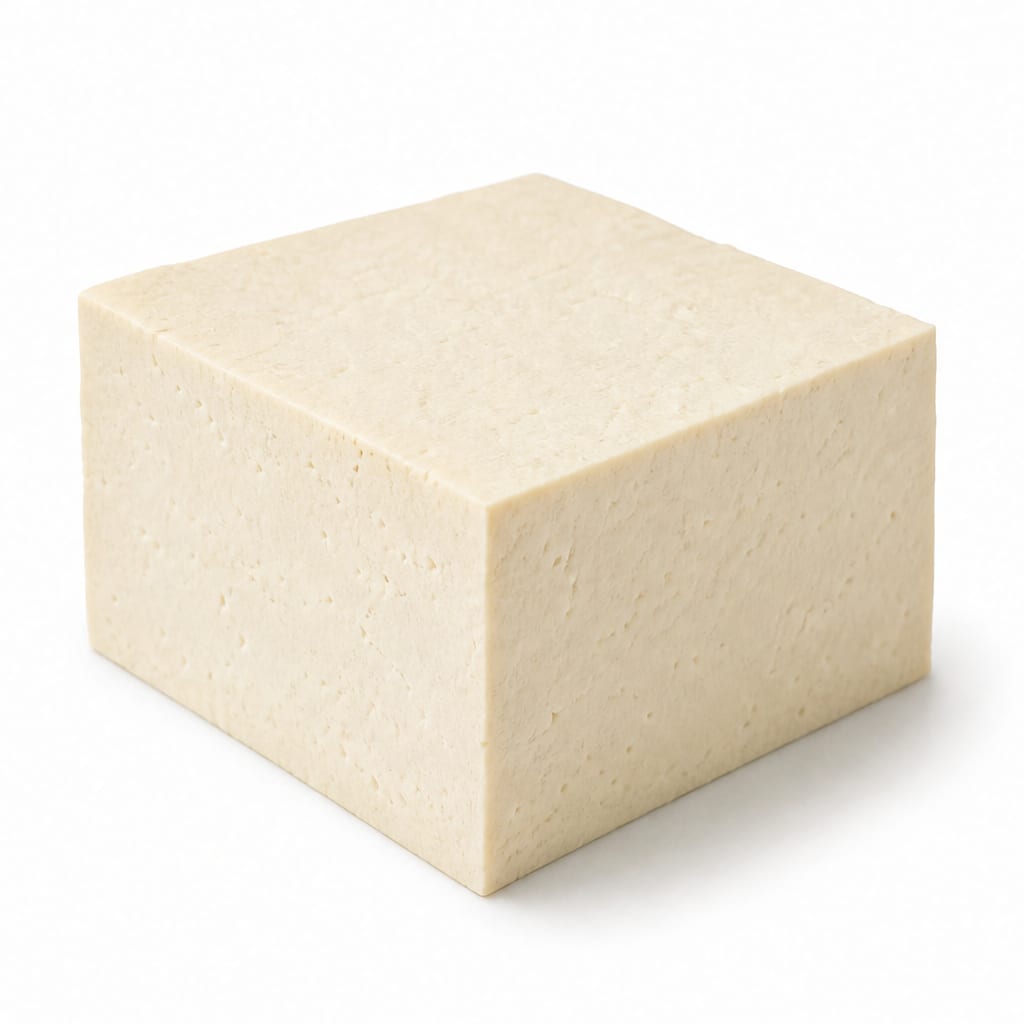
Compare with
Tofu
Tofu is a low-calorie, low-sodium plant protein, while century egg is a high-sodium, high-fat animal protein. They complement each other nutritionally.
Tofu provides low-calorie hydration and plant protein, while century egg adds rich umami and fat, making tofu the healthier base.
This food
Century Egg
VS55% alike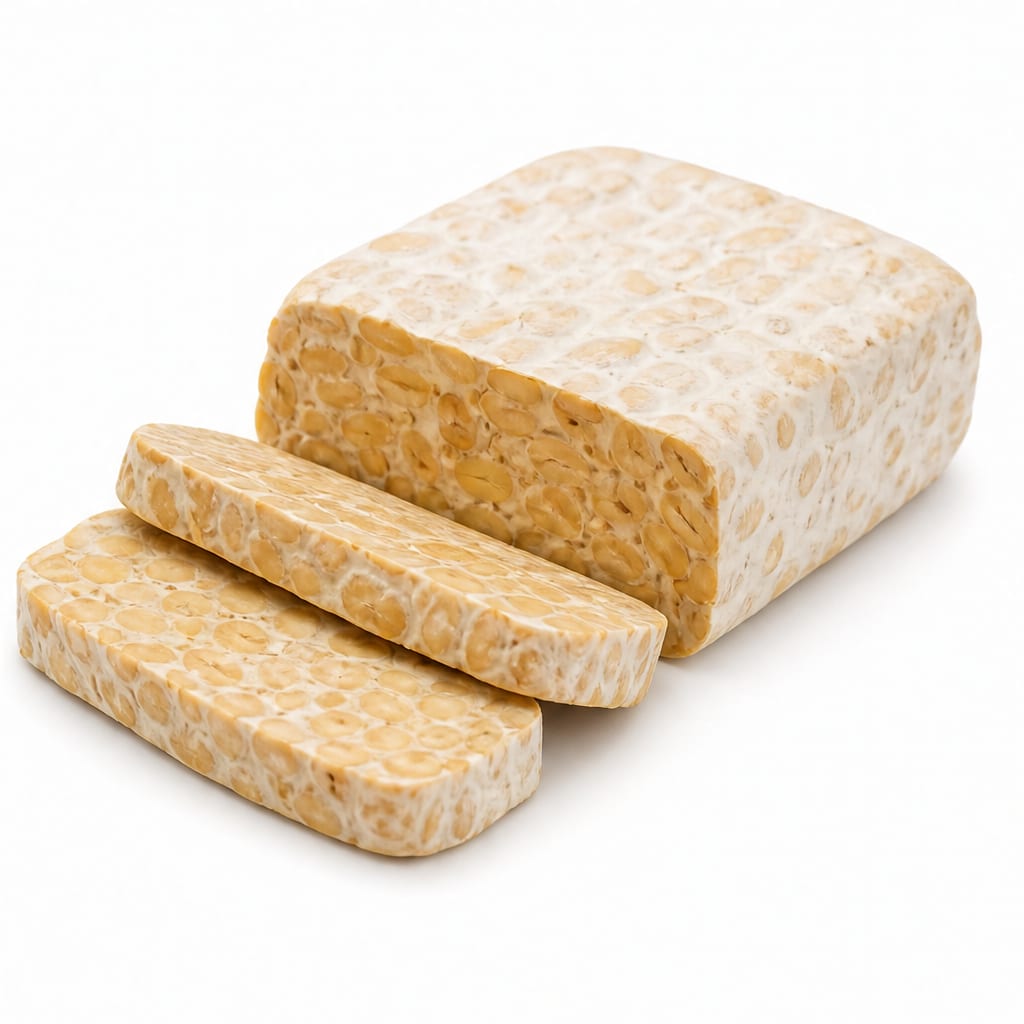
Compare with
Tempeh
Tempeh is a fermented soy product high in fiber and gut-friendly probiotics with low sodium. Century egg is fermented via alkaline curing, offering no fiber and extremely high sodium.
Tempeh is much better for gut health and blood sugar control, while century egg is a low-carb but high-sodium indulgence.
This food
Century Egg
VS50% alike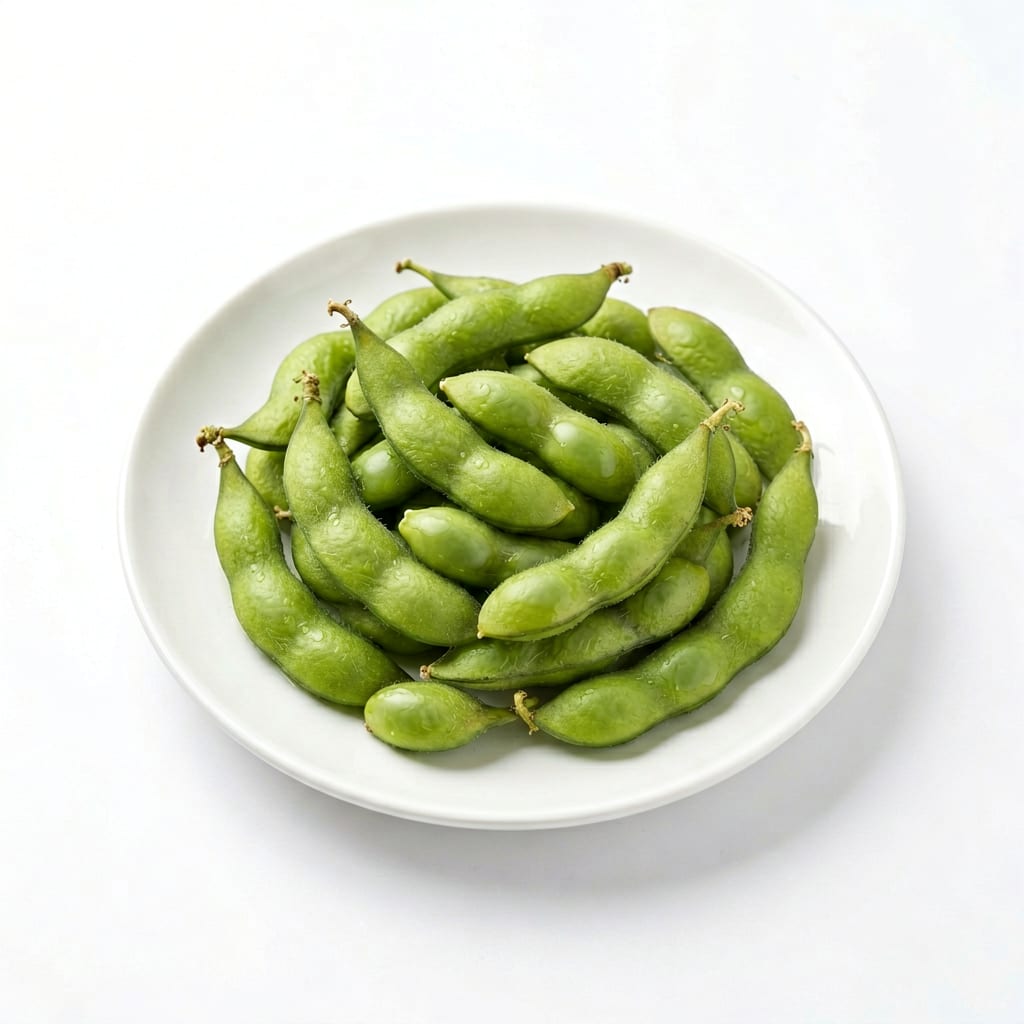
Compare with
Edamame
Edamame offers fresh, fiber-rich protein with minimal sodium (if unsalted), whereas century eggs are dense, sodium-heavy preserved proteins.
Edamame is a heart-healthy, high-fiber snack, easily beating century egg for daily nutrition and blood pressure management.
This food
Century Egg
VS45% alike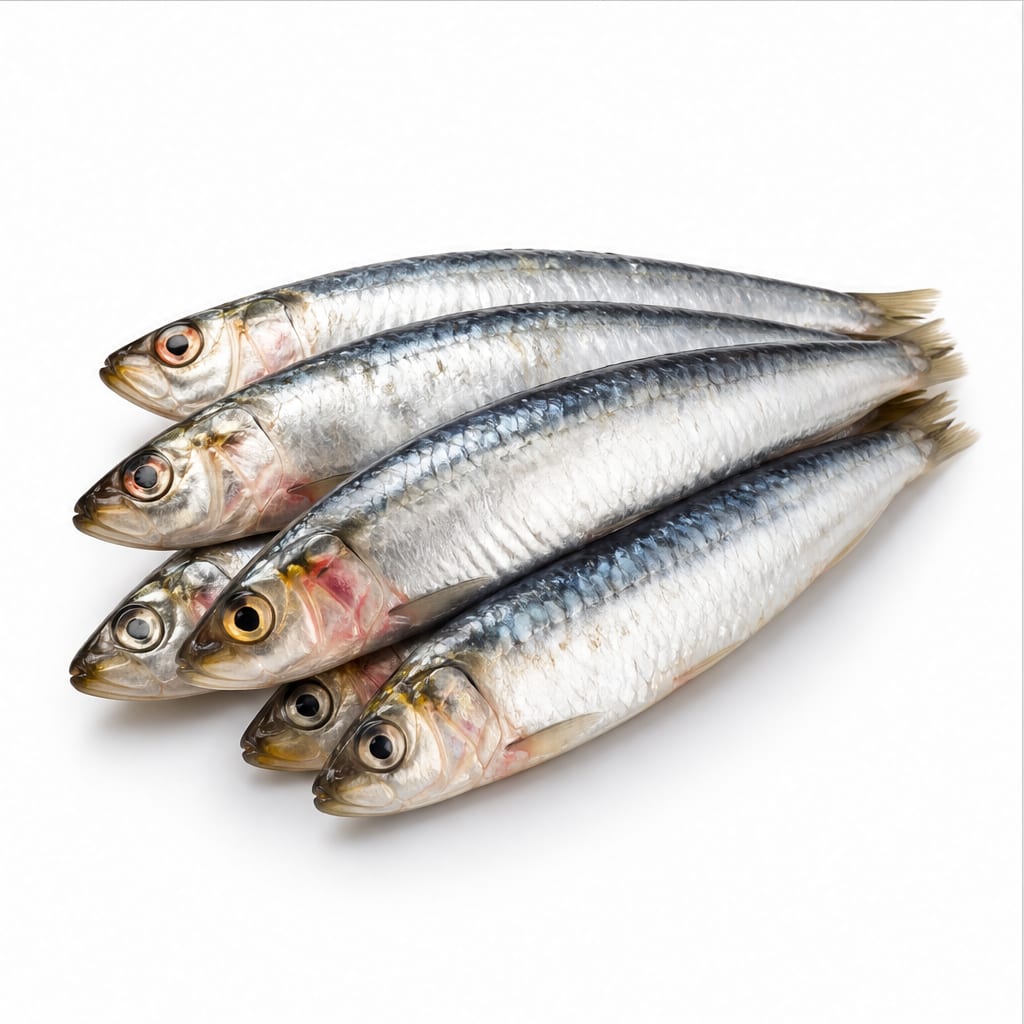
Compare with
Sardines
Sardines are rich in Omega-3s and calcium but also high in sodium if canned. Century eggs lack Omega-3s but provide similar intense umami and high protein.
Sardines provide anti-inflammatory Omega-3 fats, making them healthier for the heart than the sodium-heavy century egg.
This food
Century Egg
VS40% alike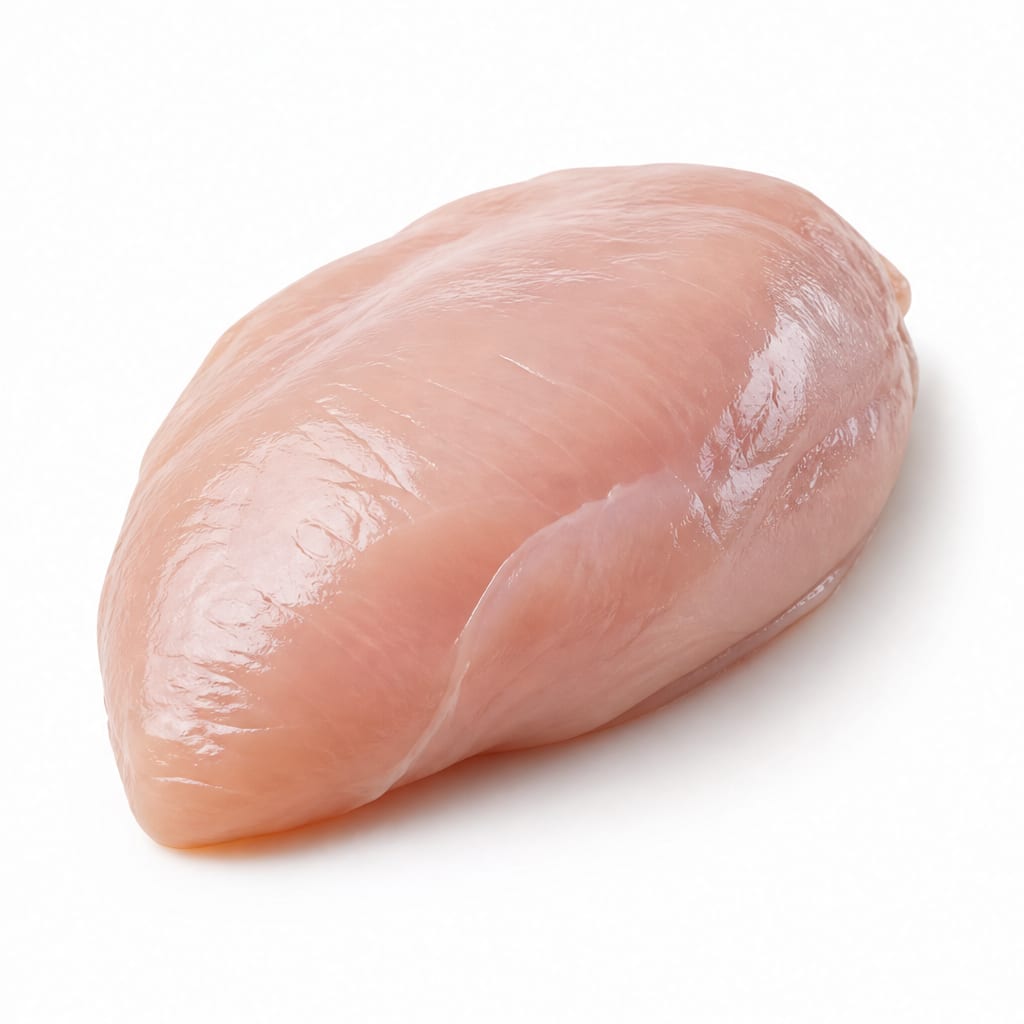
Compare with
Chicken Breast
Chicken breast is a lean, fresh protein with virtually no sodium or carbs. Century egg is a fatty, extremely high-sodium preserved protein.
Chicken breast is far superior for lean muscle gain and weight loss, while century egg serves mainly as a flavor condiment.
This food
Century Egg
VS50% alike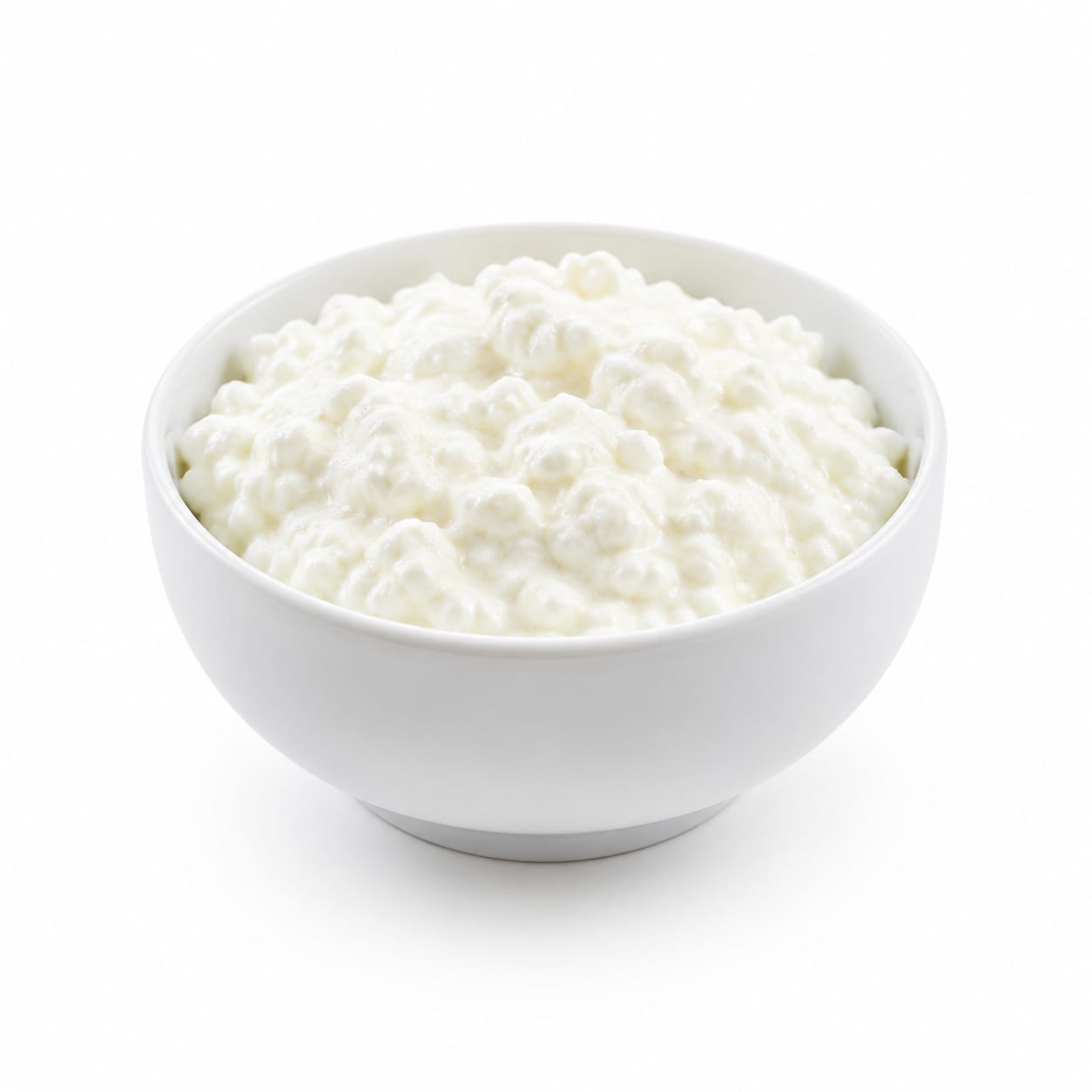
Compare with
Cottage Cheese
Cottage cheese offers slow-digesting casein protein and calcium, but can be high in sodium. Century egg is denser in calories and much higher in sodium per gram.
Cottage cheese provides better satiety and muscle-building casein protein with less sodium per calorie than a century egg.
Common questions
FAQ
Answers aligned with how people search for this food.
Are century eggs safe to eat?
Modern commercially produced century eggs are safe and lead-free, though they are high in sodium and should be eaten in moderation.
Do century eggs contain lead?
Traditional methods used lead oxide to speed curing, but modern regulations require lead-free production. Always check labeling to ensure they are lead-free.
Can diabetics eat century eggs?
Yes, they contain almost zero carbohydrates and will not spike blood sugar, making them suitable for diabetic diets.
Why is the yolk green and the white black?
The color change is a natural chemical reaction where alkaline salts break down proteins into amino acids and hydrogen sulfide, reacting with iron in the yolk.
Is century egg high in cholesterol?
Like regular eggs, they contain dietary cholesterol, but current research suggests dietary cholesterol has minimal impact on blood cholesterol for most people.
How do you eat century egg?
It is typically served chilled, chopped over silken tofu with soy sauce and sesame oil, paired with pickled ginger, or cooked into rice congee.
Transparency
Data confidence
Estimated confidence for nutrition data, interpretation, safety notes, and comparisons.
Nutrition data
Health analysis
Food safety
Comparisons