
Nutrition comparison
Century Egg vs Quail Egg: Which Is Healthier and Safer to Eat?
Compare century egg and quail egg on sodium, safety, nutrition, and daily suitability. Learn which egg is better for regular consumption and which should stay an occasional treat.
Overall winner · Quail Egg
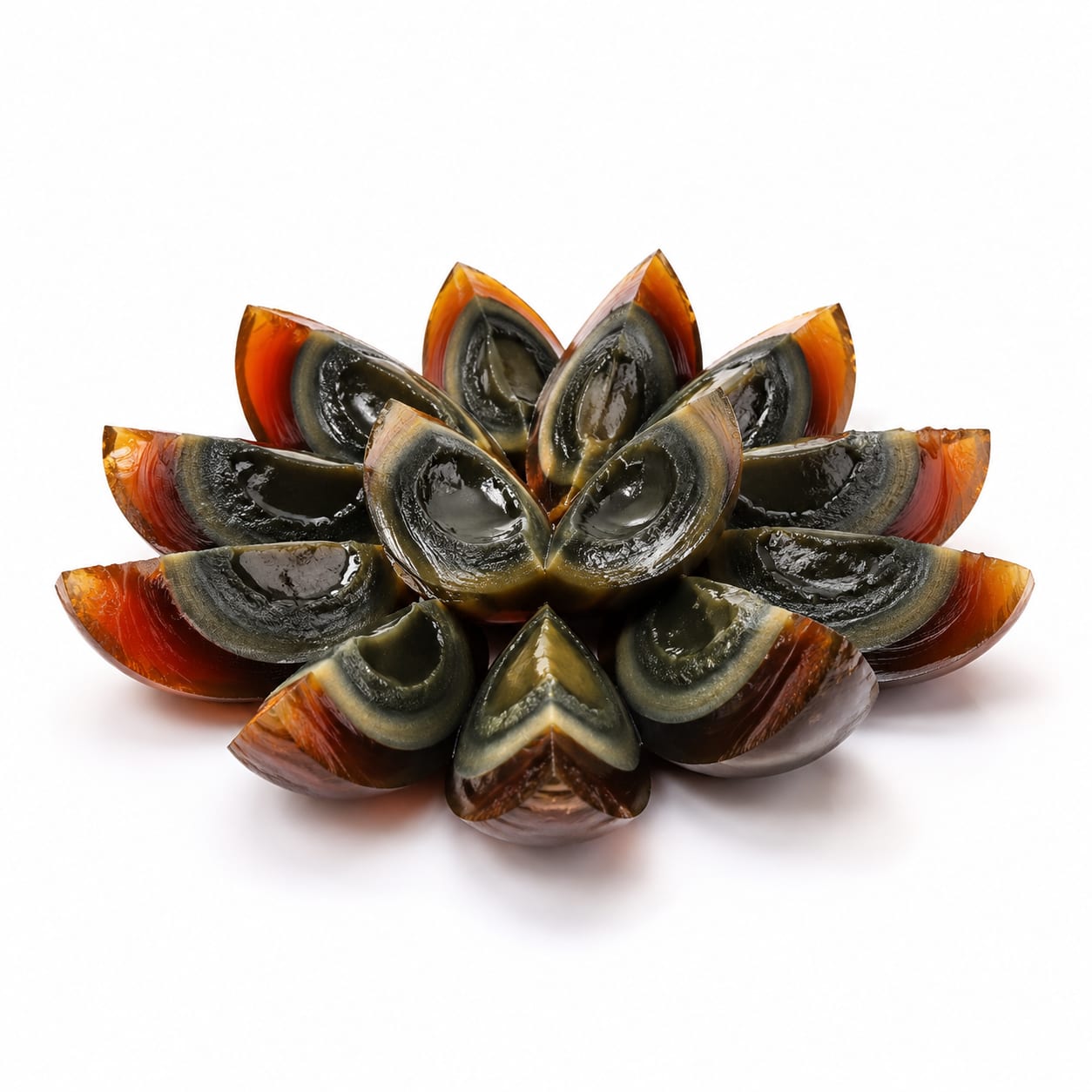
Century Egg
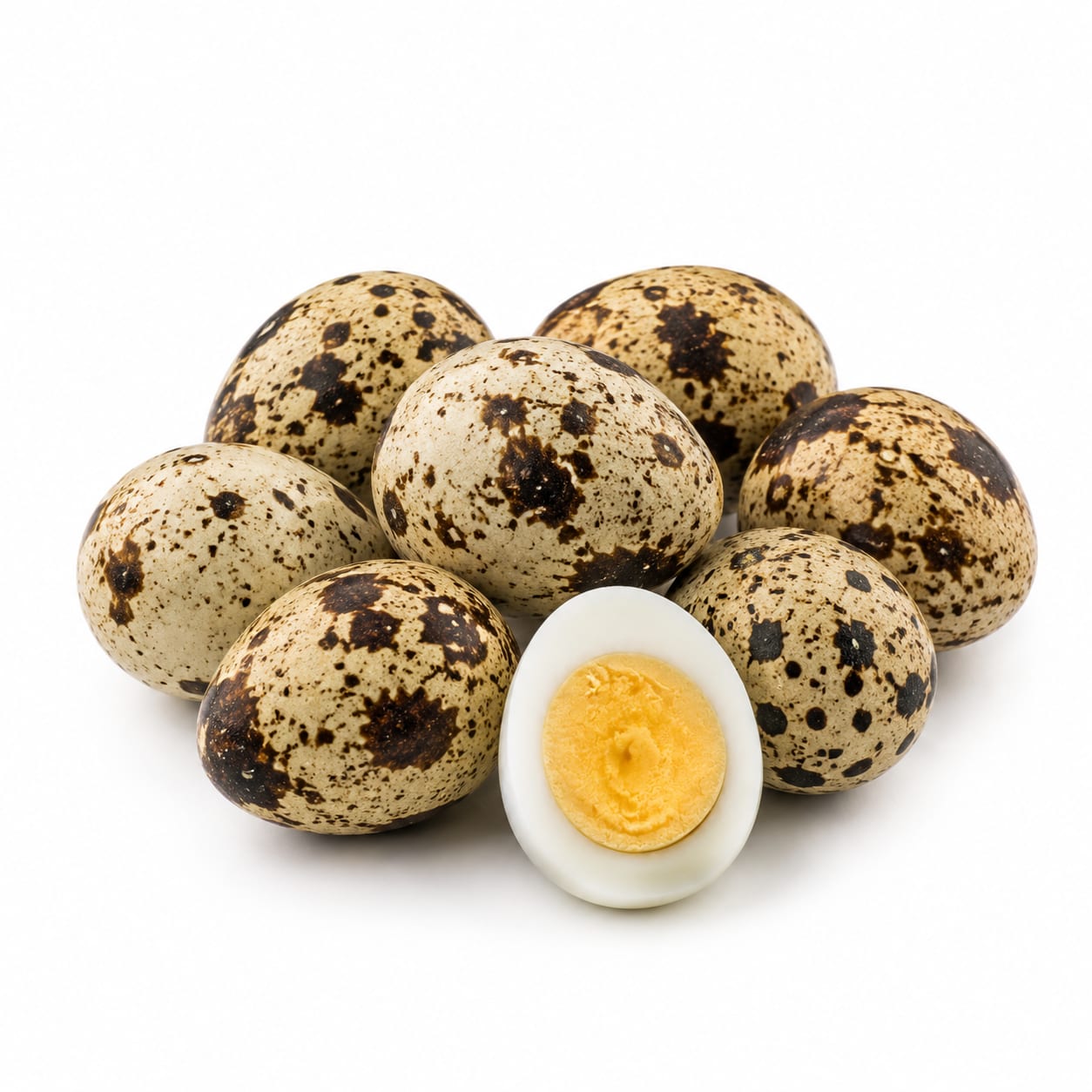
Quail Egg
Quail eggs are the safer, more versatile daily choice. Century eggs are an occasional delicacy with a heavy sodium tradeoff.
Quail eggs score significantly higher due to minimal processing, low sodium, and strong nutrient density. Century eggs lose ground on sodium load, preservation chemicals, and heavy metal risk, though they remain culturally valuable as an occasional food.
Century eggs deliver bold flavor and cultural tradition but carry high sodium and processing concerns. Quail eggs offer clean, fresh nutrition with far fewer risks.
At a glance
Executive summary
Overall
Quail Egg
Healthier
Quail Egg
More practical
Quail Egg
Daily use
Quail Egg
Key comparison lenses
sodium and preservation risks
Century eggs are preserved with high sodium and alkaline compounds, making sodium load the single biggest differentiator
everyday safety for regular consumption
Users comparing these two eggs likely want to know which is safer to eat regularly, given century egg's controversial preservation methods
nutrient density per bite
Both are small, concentrated foods where nutritional payoff per serving matters
protein quality and bioavailability
Both are egg-based proteins but preservation alters century egg's protein structure significantly
culinary versatility and accessibility
Century egg is a niche ingredient while quail eggs are more adaptable across cuisines
Best choice for
Century Egg
- Adventurous eaters seeking traditional Chinese flavors
- Occasional appetizer or dim sum experience
- Those wanting a unique umami-rich ingredient
Quail Egg
- Daily protein supplementation
- Families wanting nutrient-dense mini eggs
- People managing sodium intake
- Anyone seeking a clean, minimally processed egg option
Least suitable for
Century Egg
- People with hypertension or sodium sensitivity
- Children and pregnant women due to lead contamination risk
- Anyone eating eggs daily
Quail Egg
- Those needing large protein portions per serving
- People who find peeling tiny eggs frustrating
Deep comparison
Dimension by dimension
Each lens scores both foods and breaks down who each option suits.
- Dimension 1 · Priority 95Quail Egg
sodium_and_mineral_load
Century Egg · 15Quail Egg · 85Century eggs contain roughly 500-600mg sodium per egg versus quail eggs at roughly 15-20mg each. This is the most lopsided difference in the entire comparison.
Tradeoff
You get intense preserved flavor from century eggs but at the cost of nearly a quarter of your daily sodium limit in a single egg.
Why it matters
High sodium intake directly raises blood pressure and stroke risk. Eating century eggs regularly makes it very hard to stay under recommended limits.
Real-world impact
One century egg can spike your sodium more than three quail eggs combined. If you already eat processed foods, century eggs push you over the edge fast.
Century Egg
- Those who salt their food minimally and have room for sodium
Better for
- Hypertensive individuals
- People with kidney concerns
Worse for
Quail Egg
- Anyone monitoring blood pressure
- People who eat other salty foods throughout the day
Better for
- Dimension 2 · Priority 92Quail Egg
processing_and_chemical_exposure
Century Egg · 20Quail Egg · 90Century eggs are preserved in alkaline mixtures for weeks, historically including lead oxide. Quail eggs are sold fresh with no preservation chemicals.
Tradeoff
The transformation that gives century eggs their unique texture and color comes from chemical processing that introduces contamination risks.
Why it matters
Even modern century eggs may contain trace heavy metals. Lead exposure is cumulative and particularly harmful for children and pregnant women.
Real-world impact
If you eat century eggs occasionally, risk is low. But as a regular habit, the cumulative exposure adds up in ways fresh quail eggs simply avoid.
Century Egg
- Families with young kids
- People who already eat preserved foods regularly
Worse for
Quail Egg
- Pregnant women
- Children
- Anyone concerned about long-term chemical exposure
Better for
- Dimension 3 · Priority 85Quail Egg
nutrient_density
Century Egg · 50Quail Egg · 82Quail eggs retain full vitamin content including B12, selenium, and riboflavin. Century eggs lose significant vitamin content during preservation while gaining some concentrated minerals.
Tradeoff
Preservation concentrates certain minerals in century eggs but destroys heat-sensitive and alkaline-sensitive vitamins that quail eggs keep intact.
Why it matters
If you are eating eggs partly for their vitamin content, century eggs deliver a diminished nutritional profile compared to fresh quail eggs.
Real-world impact
Quail eggs give you more of what eggs are famous for — B vitamins, choline, and selenium. Century eggs are more about flavor than nutrition.
Century Egg
- Those seeking iron and concentrated minerals
Better for
- Those counting on eggs for vitamin content
Worse for
Quail Egg
- Anyone eating eggs for vitamin B12
- People relying on eggs as a nutrient cornerstone
Better for
- Dimension 4 · Priority 75Quail Egg
protein_quality
Century Egg · 45Quail Egg · 80Quail eggs provide complete, unaltered protein with high bioavailability. Century egg proteins are partially denatured by the alkaline preservation process.
Tradeoff
Both are complete proteins, but century egg's preservation breaks down some amino acid structures, reducing digestibility slightly.
Why it matters
If you are eating eggs for muscle maintenance or recovery, you want protein your body can actually use efficiently.
Real-world impact
After a workout, quail eggs give you cleaner protein recovery. Century eggs still work but are less efficient and come with sodium you do not want post-exercise.
Century Egg
Quail Egg
- Athletes and active individuals
- Older adults preserving muscle mass
Better for
- Dimension 5 · Priority 70Quail Egg
culinary_versatility
Century Egg · 35Quail Egg · 75Quail eggs work in everything from salads to ramen to bento boxes. Century eggs have a narrow but passionate culinary niche.
Tradeoff
Century eggs deliver an irreplaceable flavor that defines certain dishes. Quail eggs are more adaptable but less distinctive.
Why it matters
If you want an egg you can use multiple ways throughout the week, quail eggs fit more meals. Century eggs demand specific recipes.
Real-world impact
You can drop quail eggs into soup, salad, or rice bowls easily. Century eggs really only shine in congee, cold tofu plates, or specific dim sum dishes.
Century Egg
- Cooks making traditional Chinese congee or cold appetizer plates
Better for
- Those unfamiliar with Chinese cooking techniques
Worse for
Quail Egg
- Home cooks wanting a versatile mini egg
- People who enjoy Japanese or Southeast Asian cuisines
Better for
- Dimension 6 · Priority 65Quail Egg
digestive_tolerance
Century Egg · 40Quail Egg · 78Quail eggs are gentle on digestion and sometimes recommended for people with chicken egg sensitivities. Century eggs can cause stomach discomfort due to high alkalinity.
Tradeoff
The ammonia compounds and alkaline nature of century eggs can irritate sensitive stomachs, while quail eggs are among the easiest eggs to digest.
Why it matters
If you have any digestive sensitivity, century eggs are more likely to cause bloating or discomfort than quail eggs.
Real-world impact
Quail eggs feel light and easy after eating. Century eggs can sit heavy, especially if you are not used to them.
Century Egg
- Anyone with acid reflux or alkaline sensitivity
Worse for
Quail Egg
- People with sensitive digestion
- Those who find chicken eggs heavy
Better for
Timeline
Health impact over time
Short-term
Hours to days
Century Egg
- Noticeable sodium spike after eating, especially if consuming multiple eggs
- Possible mild stomach discomfort from alkaline compounds
- Strong ammonia aroma that can be off-putting if unfamiliar
Quail Egg
- Quick, clean protein energy without sodium burden
- Easy digestion with no heavy or bloated feeling
- Mild, pleasant flavor that does not overwhelm other foods
Long-term
Months to years
Century Egg
- Regular consumption increases hypertension risk significantly due to sodium
- Cumulative heavy metal exposure if sourcing is not verified
- Potential kidney strain from chronic high sodium intake
Quail Egg
- Sustained B-vitamin and selenium intake supports immune and nervous system
- Low sodium profile supports healthy blood pressure long-term
- Consistent high-quality protein helps maintain muscle and satiety
Risk profile
Safety & processing
Century eggs undergo weeks of alkaline preservation using salt, quicklime, and ash. Historically, lead oxide was used to speed curing. Modern production is safer but trace contamination remains possible. Quail eggs are sold fresh with no additives or preservation.
Century Egg
Lead and heavy metal contamination
mediumHistorically preserved using lead oxide. Modern regulations limit this, but unverified sources may still contain trace lead. Cumulative exposure is the real concern.
High sodium load
highA single century egg can contain 500mg or more sodium, which is a significant portion of the daily 2300mg limit.
Bacterial contamination if improperly stored
lowThe alkaline preservation environment actually inhibits most bacteria, but poor handling after opening can introduce pathogens.
Quail Egg
Salmonella if consumed raw
mediumLike all eggs, raw quail eggs carry salmonella risk. Cook them thoroughly to eliminate this concern.
Choking hazard for young children
lowTheir small size makes them easy to swallow whole, which could be a choking risk for toddlers.
Who wins for whom
Audience fit
Same foods, different winners depending on your goal.
children
Quail EggQuail eggs are gentle, nutritious, and free from the heavy metal risks that make century eggs unsuitable for kids.
daily consumption
Quail EggLow sodium, clean processing, and strong nutrient density make quail eggs a sustainable daily choice. Century eggs should be occasional at most.
diabetes
Quail EggBoth eggs are low in carbs, but quail eggs avoid the sodium that worsens cardiovascular risk in diabetic patients.
elderly
Quail EggOlder adults need to manage blood pressure and kidney health. Quail eggs support both; century eggs threaten both.
muscle gain
Quail EggFresh, unaltered protein in quail eggs supports muscle repair better than the denatured protein in century eggs.
weight loss
Quail EggQuail eggs are low in sodium, rich in protein, and help with satiety without water retention from excess salt.
Your move
Decision guide
Choose Century Egg
- You are preparing traditional Chinese congee or a dim sum spread
- You want a bold, umami flavor experience and accept the sodium tradeoff
- You eat preserved foods rarely and want something culturally authentic
Choose Quail Egg
- You want a clean, nutrient-dense egg for daily eating
- You are monitoring sodium, blood pressure, or kidney health
- You need versatile protein that works across many cuisines
- You are feeding children or pregnant women
Either works if
- You simply want a protein-rich small egg and sodium is not a concern today
- You are building a varied appetizer plate with both fresh and preserved options
Avoid both if
- You have egg allergies or severe cholesterol restrictions
- You are on a strict low-cholesterol diet under medical supervision
Final recommendation
Keep quail eggs in your regular rotation for clean, versatile nutrition. Enjoy century eggs as an occasional delicacy when the culinary moment calls for it, but do not treat them as everyday food. The sodium and processing gap between these two is simply too large to ignore.
Practical
Consumer tips
- 1
Look for century eggs labeled lead-free or from reputable brands with safety testing
- 2
If you love century egg flavor, try limiting yourself to one per week and pairing it with low-sodium foods
- 3
Quail eggs can be boiled in 3-4 minutes — much faster than chicken eggs — making them a quick snack option
- 4
Peel quail eggs more easily by shocking them in ice water after boiling
- 5
If you are new to century eggs, start with small amounts in congee where the flavor blends more gently