
Nutrition comparison
Century Egg vs Duck Egg: Nutrition, Safety & Taste Compared
Compare Century Egg vs Duck Egg to see which is healthier. Learn about sodium, processing, protein, and which egg fits your diet best.
Overall winner · Duck Egg
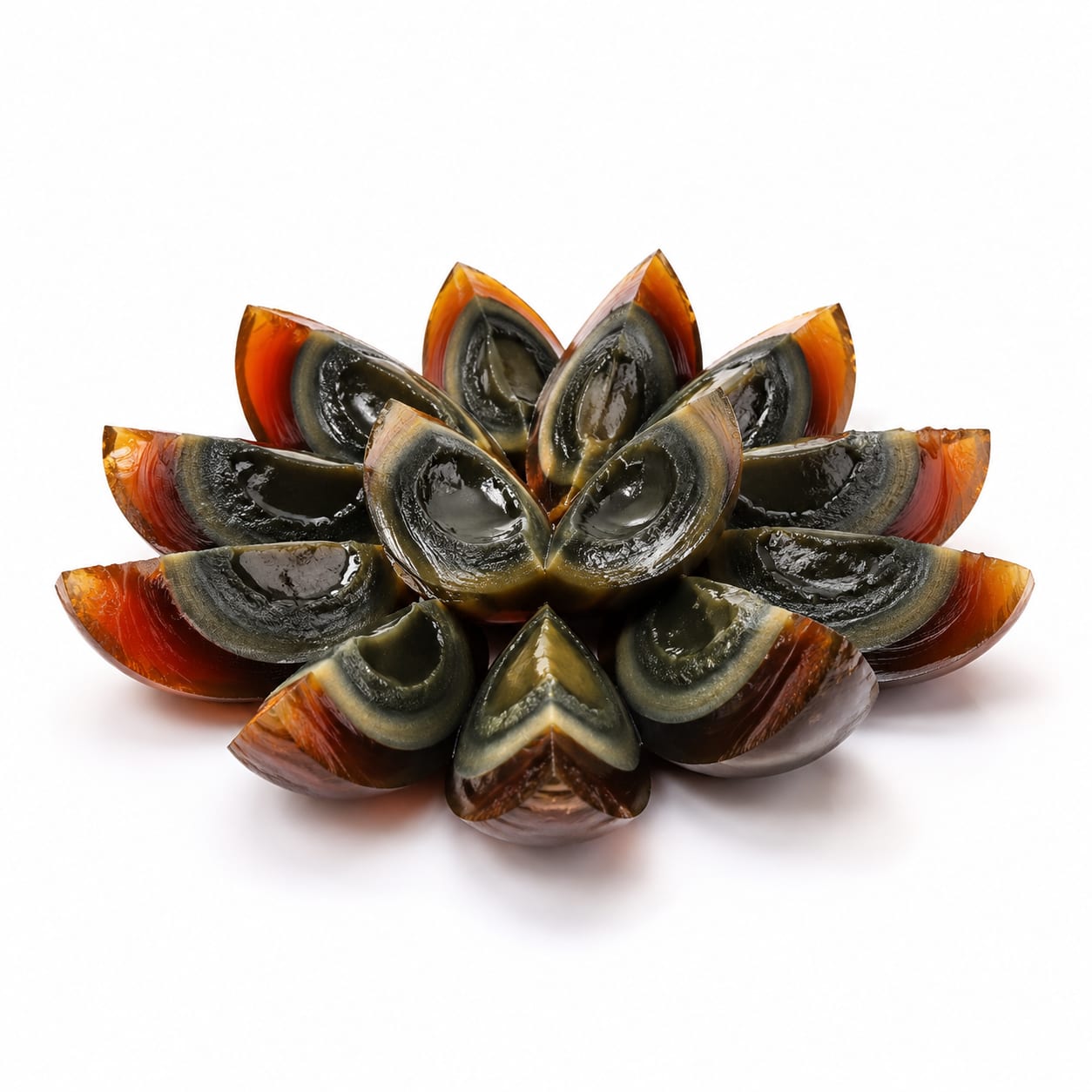
Century Egg
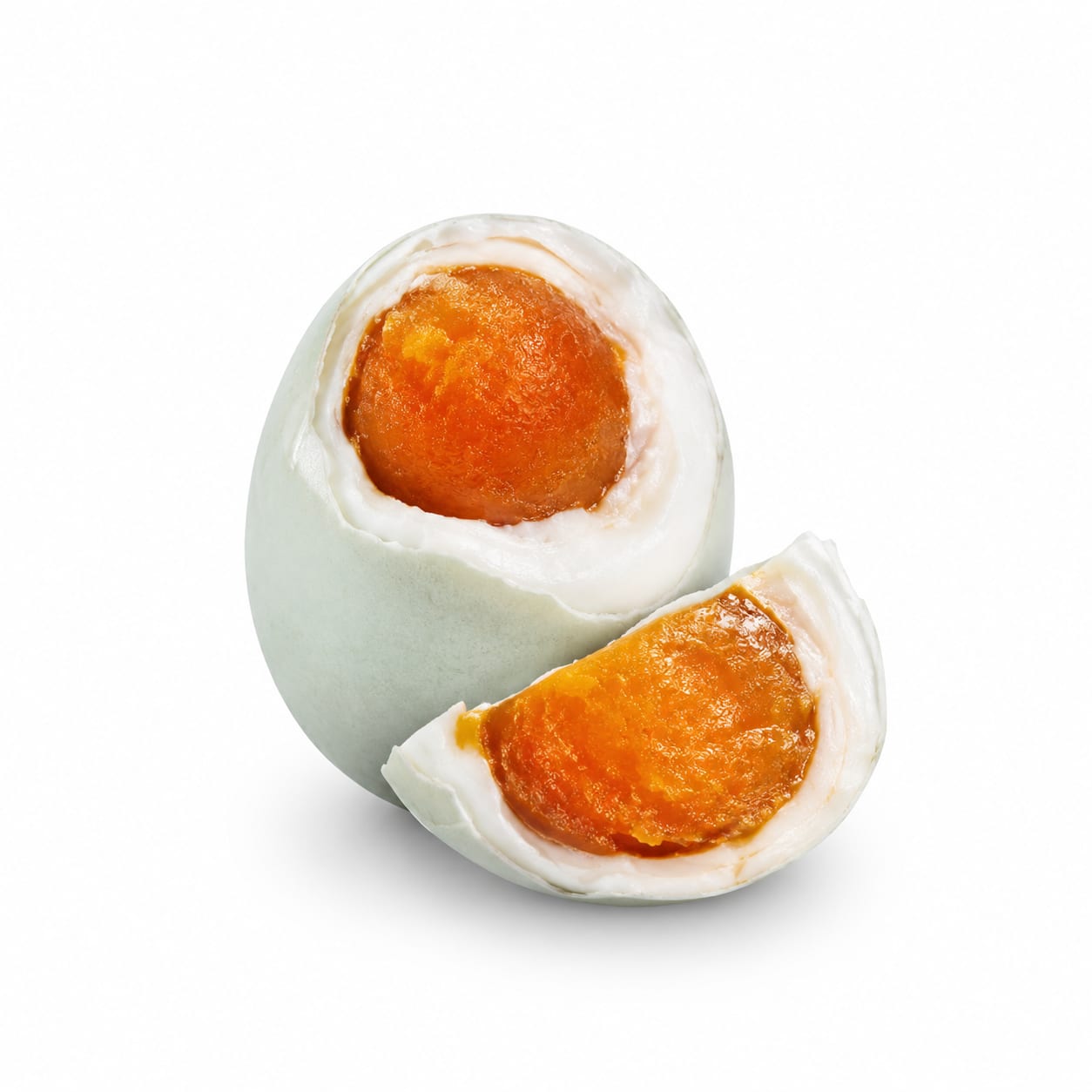
Duck Egg
Duck Egg is the more natural, nutrient-dense choice for regular eating, while Century Egg is a high-sodium delicacy best enjoyed occasionally.
Duck Egg scores significantly higher due to its natural nutrient profile and meal versatility, while Century Egg is penalized for heavy processing and extreme sodium content.
Rich, natural protein and steady energy from Duck Egg versus the intense, preserved flavor and massive sodium hit of Century Egg.
At a glance
Executive summary
Overall
Duck Egg
Healthier
Duck Egg
More practical
Duck Egg
Daily use
Duck Egg
Key comparison lenses
Processing and Additive Exposure
Century Egg is heavily cured with alkaline salts, while Duck Egg is a natural whole food, making processing the most critical differentiator.
Sodium Load and Blood Pressure Impact
The preservation process makes Century Egg extremely high in sodium, a major concern for daily health that Duck Egg naturally avoids.
Nutritional Integrity and Protein Quality
Curing alters the protein structure and degrades vitamins in Century Egg, whereas Duck Egg offers intact, high-quality protein and fats.
Culinary Role and Satiety
Duck Egg serves as a filling meal centerpiece, while Century Egg is primarily a flavor enhancer or garnish.
Best choice for
Century Egg
- Occasional culinary indulgence
- Adding umami depth to congee
- Adventurous eaters seeking unique flavors
Duck Egg
- High-protein breakfasts
- Baking richer pastries
- Keto or low-carb diets
Least suitable for
Century Egg
- People with hypertension
- Daily consumption
- Those sensitive to sodium
Duck Egg
- Strict low-fat diets
- People managing very high cholesterol
- Those who find the flavor too rich
Deep comparison
Dimension by dimension
Each lens scores both foods and breaks down who each option suits.
- Dimension 1 · Priority 85Duck Egg
Nutritional Density
Century Egg · 40Duck Egg · 85Duck Egg delivers superior natural protein, B vitamins, and healthy fats, whereas the preservation process degrades some vitamins and alters proteins in Century Egg.
Tradeoff
You lose natural vitamin integrity for a unique texture and flavor in Century Egg.
Why it matters
Natural, intact nutrients are more bioavailable and support daily energy and muscle maintenance better.
Real-world impact
A Duck Egg keeps you full and energized for hours; a Century Egg is more of a flavor accent than a sustaining meal.
Century Egg
- Quick umami flavor enhancement
Better for
- Reliable daily protein source
Worse for
Duck Egg
- Post-workout recovery
- Sustained morning energy
Better for
- Light snacking
Worse for
- Dimension 2 · Priority 90Duck Egg
Sodium and Mineral Load
Century Egg · 15Duck Egg · 80Century Egg is extremely high in sodium due to the curing process, while Duck Egg contains only natural, minimal sodium.
Tradeoff
The preservation that makes Century Egg shelf-stable also makes it a sodium bomb compared to the naturally low-sodium Duck Egg.
Why it matters
High sodium intake directly impacts blood pressure and fluid retention.
Real-world impact
Eating a Century Egg can easily push you toward your daily sodium limit, while a Duck Egg will not cause bloating.
Century Egg
- Long-term pantry storage without refrigeration
Better for
- Blood pressure management
- Reducing bloating
Worse for
Duck Egg
- Heart-healthy diets
- Avoiding afternoon water retention
Better for
- Those needing extreme sodium restriction who still want an egg
Worse for
- Dimension 3 · Priority 95Duck Egg
Processing and Additives
Century Egg · 20Duck Egg · 95Duck Egg is a whole, unprocessed food. Century Egg is heavily processed using alkaline salts, and historically lead, though modern methods are safer.
Tradeoff
You trade natural freshness for months of shelf life and a completely transformed chemical profile.
Why it matters
Minimally processed foods are easier on the digestive system and lack controversial chemical residues.
Real-world impact
Duck Egg feels like a fresh farm food; Century Egg feels like a preserved specialty with a complicated label.
Century Egg
- Emergency food supplies
Better for
- Those avoiding preservatives
Worse for
Duck Egg
- Clean eating
- Avoiding chemical additives
Better for
- Camping without coolers
Worse for
- Dimension 4 · Priority 75Duck Egg
Culinary Versatility and Satiety
Century Egg · 50Duck Egg · 85Duck Egg can be fried, boiled, or baked, offering high satiety. Century Egg is mostly a garnish or condiment.
Tradeoff
Duck Egg is a meal centerpiece; Century Egg is a supporting flavor actor.
Why it matters
Foods that form the base of a meal provide better hunger control and dietary flexibility.
Real-world impact
You can build a filling breakfast around a Duck Egg, but a Century Egg just adds flair to your congee.
Century Egg
- Elevating simple dishes with complex flavor
Better for
- Being the main protein source of a meal
Worse for
Duck Egg
- Making substantial meals
- Baking rich desserts
Better for
- Adding fermented, umami depth
Worse for
Timeline
Health impact over time
Short-term
Hours to days
Century Egg
- Immediate sodium hit
- Strong alkaline taste can cause mild throat irritation
- Very filling due to density but not volume
Duck Egg
- Rich, satisfying feeling of fullness
- Sustained energy from high fat and protein
- Can feel heavy if eaten in large quantities
Long-term
Months to years
Century Egg
- Increased risk of hypertension if consumed frequently
- Potential exposure to trace heavy metals depending on sourcing
- Digestive adaptation to high-alkaline foods
Duck Egg
- Supports muscle maintenance from complete protein
- High cholesterol may be a concern for susceptible individuals
- Excellent choline intake for brain health
Risk profile
Safety & processing
Duck Egg is a natural, whole protein source. Century Egg undergoes weeks of alkaline curing, fundamentally altering its structure and introducing additives like sodium carbonate and sometimes controversial metal salts for curing acceleration.
Century Egg
Heavy metal contamination
mediumHistorically cured using lead oxide; modern methods use copper or zinc, but trace contamination remains a concern in poorly regulated products.
High bacterial risk if improperly cured
lowIf the alkaline environment is not maintained properly during curing, harmful bacteria can survive.
Duck Egg
Salmonella
mediumLike all raw eggs, fresh Duck Eggs carry a salmonella risk if not cooked thoroughly.
Allergenicity
lowEgg allergies apply equally to duck and chicken eggs.
Who wins for whom
Audience fit
Same foods, different winners depending on your goal.
children
Duck EggChildren need natural, high-quality protein for growth and should avoid the high sodium and potential heavy metal traces in Century Egg.
daily consumption
Duck EggDuck Egg is a natural whole food suitable for daily meals; Century Egg is a preserved delicacy meant for occasional enjoyment.
diabetes
Duck EggBoth are low-carb, but Duck Egg's natural fats provide steadier blood sugar support without the inflammatory sodium load of Century Egg.
elderly
Duck EggOlder adults need to watch blood pressure closely, making Duck Egg's low sodium much safer than Century Egg's extreme salt content.
muscle gain
Duck EggDuck Egg offers a complete, un-denatured protein profile essential for muscle repair, while Century Egg's proteins are broken down during curing.
weight loss
Duck EggDuck Egg provides high satiety and protein with zero carbs, making it better for controlling hunger, whereas Century Egg's sodium causes water retention.
Your move
Decision guide
Choose Century Egg
- You are making congee or a cold tofu appetizer and need that signature umami kick
- You want a shelf-stable egg product for travel or emergency food supplies
- You are exploring traditional Chinese cuisine and want the authentic experience
Choose Duck Egg
- You want a filling, high-protein breakfast to start your day
- You are baking and need a richer, larger egg with a higher fat content
- You are watching your sodium intake or blood pressure
Either works if
- You need a zero-carb, keto-friendly food
- You want a nutrient-dense alternative to chicken eggs
Avoid both if
- You have a severe egg allergy
- You are on a strict low-fat, low-cholesterol diet as mandated by a cardiologist
Final recommendation
Keep Duck Egg as your everyday protein source for its natural nutrition and versatility. Treat Century Egg as a flavorful garnish for special meals, not a dietary staple, due to its heavy processing and sodium load.
Practical
Consumer tips
- 1
When buying Century Egg, look for brands labeled lead-free to avoid heavy metal exposure.
- 2
Duck Eggs have larger yolks and higher fat content than chicken eggs, making them incredible for baking custards and pastries.
- 3
Rinse Century Egg before peeling to remove any residual curing mud or husk.
- 4
If you find Century Egg's strong alkaline flavor off-putting, pair it with ginger and vinegar to balance the taste.