
Nutrition comparison
Century Egg vs Salted Duck Egg: Nutrition, Safety, and Which to Choose
Compare century egg and salted duck egg on sodium, fat, food safety, and taste. Find out which preserved egg is healthier and which fits your diet best.
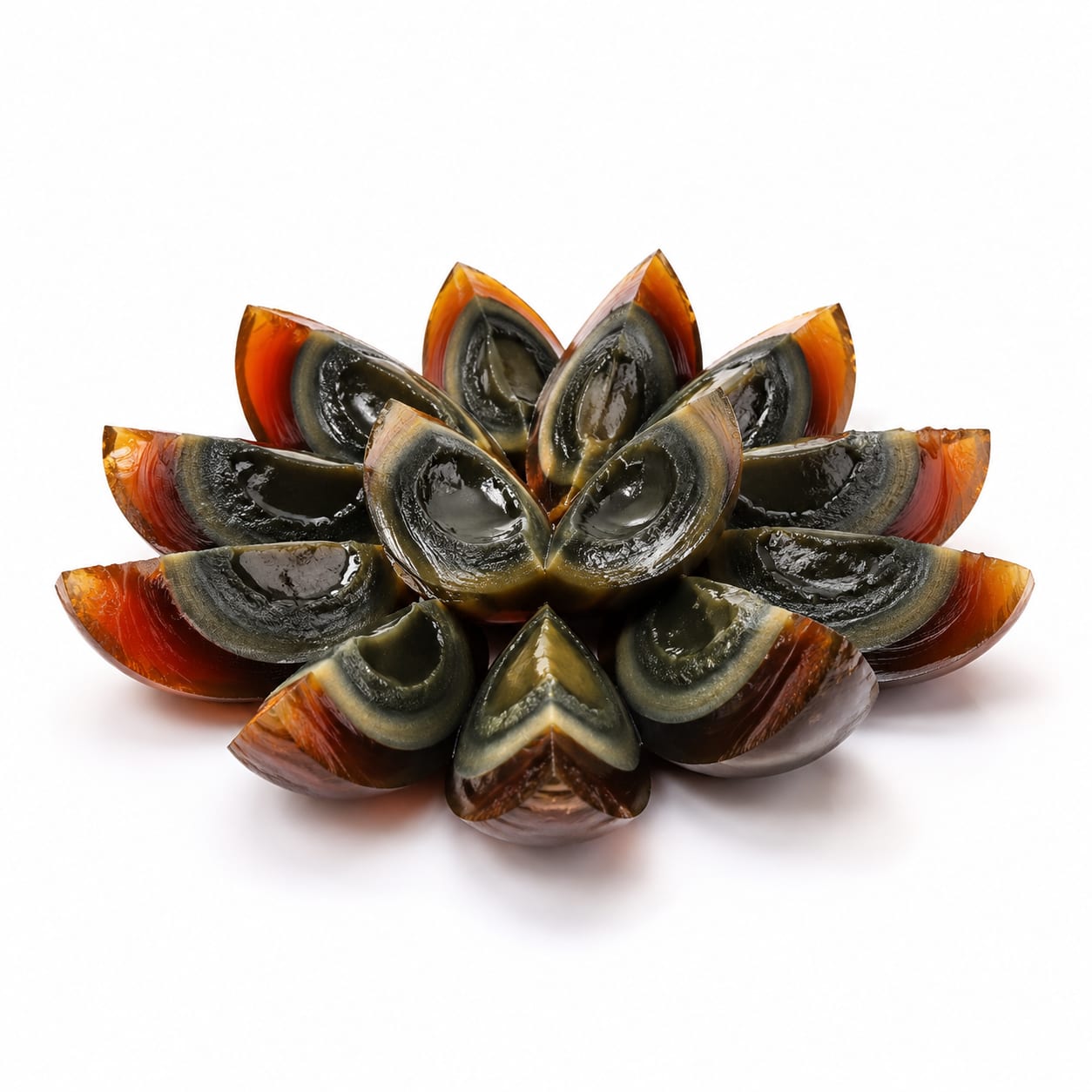
Century Egg
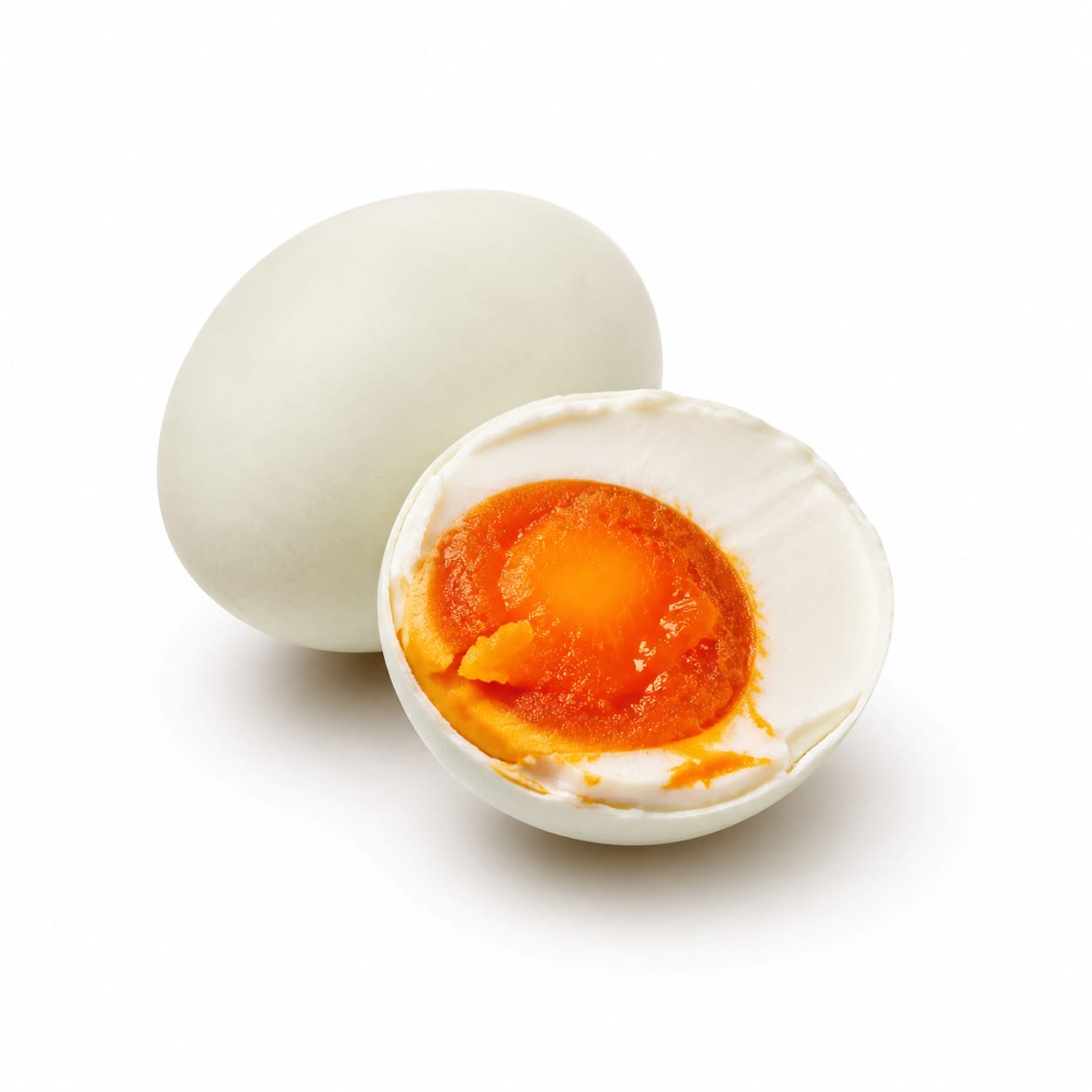
Salted Duck Egg
Both are preserved delicacies best enjoyed in moderation, but century egg has less sodium while salted duck egg offers richer, more satisfying fat content.
Century egg scores slightly higher due to lower sodium and fat content, but both are preserved foods with limited daily-use suitability, keeping scores modest and close.
Century egg wins on lower sodium and fat, while salted duck egg wins on richer flavor, better satiety from fat, and fewer contamination concerns.
At a glance
Executive summary
Overall
It depends
Healthier
Century Egg
More practical
Salted Duck Egg
Daily use
It depends
Key comparison lenses
sodium and blood pressure impact
Both are preserved eggs with very high sodium, making this the dominant health concern for most users
contamination and food safety
Century eggs carry historical lead contamination risk; salted duck eggs carry botulism risk from improper curing
fat and calorie density
Salted duck egg yolks are significantly richer and more calorie-dense, impacting weight and heart health decisions
everyday moderation practicality
Neither egg is meant for daily consumption, but users want to know which is easier to include occasionally
culinary versatility and enjoyment
Both are traditional delicacies used differently in cooking, affecting how often people actually eat them
Best choice for
Century Egg
- People watching sodium intake
- Those limiting dietary fat
- Diners seeking a lighter preserved egg experience
- Anyone concerned about calorie density
Salted Duck Egg
- Those wanting a more filling, satisfying preserved egg
- Home cooks making mooncakes or congee toppings
- People who find century egg's appearance or texture off-putting
- Diners prioritizing food safety from reputable sources
Least suitable for
Century Egg
- People with lead exposure concerns, especially children
- Anyone disturbed by strong alkaline aromas
- Those who need satisfying fat content to feel full
Salted Duck Egg
- People on strict low-sodium diets
- Those managing high cholesterol or heart disease
- Anyone counting calories closely
Deep comparison
Dimension by dimension
Each lens scores both foods and breaks down who each option suits.
- Dimension 1 · Priority 95Century Egg
sodium_load
Century Egg · 35Salted Duck Egg · 20Both are very high in sodium, but salted duck egg packs significantly more per serving due to the brine-curing process.
Tradeoff
Century egg is still quite salty but leaves more room in your daily sodium budget compared to salted duck egg.
Why it matters
A single salted duck egg can deliver over half your daily sodium limit, making it risky for blood pressure if eaten alongside other salty foods.
Real-world impact
If you eat one salted duck egg with congee for breakfast, you may need to keep the rest of your day very low-sodium to stay within healthy limits.
Century Egg
- People with hypertension
- Those trying to reduce bloating from salt
Better for
Salted Duck Egg
- Anyone on a low-sodium diet
- People prone to water retention
Worse for
- Dimension 2 · Priority 80Salted Duck Egg
fat_and_calorie_density
Century Egg · 55Salted Duck Egg · 40Salted duck egg has a much richer, oilier yolk with more fat and calories, while century egg is leaner.
Tradeoff
The extra fat in salted duck egg makes it more satisfying and filling, but also more calorie-dense and harder on cholesterol goals.
Why it matters
If you are watching weight or heart health, the leaner century egg is easier to fit in. If you want something rich and satisfying, salted duck egg delivers more.
Real-world impact
One salted duck egg yolk can feel like a small indulgence that keeps you full for hours, while a century egg feels lighter and less satiating on its own.
Century Egg
- Calorie-conscious eaters
- Those managing cholesterol
Better for
- Anyone who finds low-fat meals unsatisfying
Worse for
Salted Duck Egg
- People wanting a satisfying, rich treat
- Those who need fat to feel full
Better for
- People tracking calories closely
- Those with high cholesterol concerns
Worse for
- Dimension 3 · Priority 90Salted Duck Egg
food_safety_and_contamination
Century Egg · 40Salted Duck Egg · 60Century egg has a historical lead contamination issue from traditional curing methods, while salted duck egg's main risk is improper handling causing bacterial growth.
Tradeoff
Modern century eggs from reputable producers are lead-free, but the risk lingers in poorly regulated sources. Salted duck egg is generally safer when properly cured and stored.
Why it matters
For children and pregnant women, even trace lead exposure is a serious concern, making century egg a riskier choice from unknown sources.
Real-world impact
Buying century eggs from trusted brands with lead-free certifications removes most concern, but if you are eating at a restaurant with unknown sourcing, salted duck egg is the safer bet.
Century Egg
- Children under 6
- Pregnant women
- People buying from unverified vendors
Worse for
Salted Duck Egg
- Families with young children
- Pregnant women
- Anyone unsure about sourcing quality
Better for
- Dimension 4 · Priority 60It depends
protein_quality
Century Egg · 55Salted Duck Egg · 55Both provide similar amounts of complete, high-quality protein from duck egg, with preservation doing minimal damage to amino acid profiles.
Tradeoff
Neither stands out here. Both deliver solid protein, but neither should be your primary protein source due to sodium and fat tradeoffs.
Why it matters
The protein is a nice bonus but not a reason to choose either food, since fresher egg options give you the same protein without the sodium load.
Real-world impact
Think of the protein in both as a side benefit, not a deciding factor. You would not eat either for muscle recovery.
Century Egg
Salted Duck Egg
- Dimension 5 · Priority 55Salted Duck Egg
digestive_tolerance
Century Egg · 40Salted Duck Egg · 55Century egg's strong alkaline nature can upset sensitive stomachs, while salted duck egg is gentler despite its saltiness.
Tradeoff
The ammonia-like aroma and high pH of century egg can cause nausea or discomfort in some people, especially those new to it.
Why it matters
If you have a sensitive stomach or are trying preserved eggs for the first time, salted duck egg is usually easier to tolerate.
Real-world impact
Many people need to acquire a taste for century egg, while salted duck egg's rich, familiar egg flavor is more immediately approachable.
Century Egg
- People already accustomed to century egg
Better for
- People prone to nausea from strong smells
- Those with acid reflux triggered by alkaline foods
Worse for
Salted Duck Egg
- Those with sensitive digestion
- First-time preserved egg eaters
Better for
- Dimension 6 · Priority 65It depends
culinary_versatility
Century Egg · 55Salted Duck Egg · 55Century egg shines in cold dishes and congee, while salted duck egg is essential for mooncakes, stir-fries, and savory pastries.
Tradeoff
They serve different culinary roles. Century egg is more of a standalone delicacy, while salted duck egg yolk is a versatile cooking ingredient.
Why it matters
Your choice may depend more on what dish you are making than on nutrition, since both are traditional ingredients with specific uses.
Real-world impact
If you are topping congee, century egg is classic. If you are making salted egg yolk shrimp or mooncakes, only salted duck egg works.
Century Egg
- Cold appetizer plates
- Topping for plain congee
Better for
- Cooked dishes requiring a melty, rich yolk
Worse for
Salted Duck Egg
- Baking and pastry fillings
- Stir-fry sauces and coatings
- Savory snack applications
Better for
- Cold dishes where the gelatinous white is desired
Worse for
Timeline
Health impact over time
Short-term
Hours to days
Century Egg
- Noticeable thirst from moderate-to-high sodium
- Possible mild stomach discomfort from alkaline pH if unused to it
- Quick protein satisfaction without heavy fullness
Salted Duck Egg
- Strong thirst and possible bloating from very high sodium
- Rich, heavy satiety from the oily yolk
- More immediate feeling of fullness compared to century egg
Long-term
Months to years
Century Egg
- Lower cumulative sodium exposure than salted duck egg when eaten at similar frequency
- Potential lead exposure risk if sourcing is not verified over years of consumption
- Minimal impact on cholesterol due to lower fat content
Salted Duck Egg
- Higher cumulative sodium load increases blood pressure risk with regular consumption
- More dietary fat and cholesterol from the rich yolk, relevant for heart health over time
- Fewer contamination concerns with properly produced eggs
Risk profile
Safety & processing
Both are traditional preservation methods using salt and alkaline materials, but century egg's use of quicklime, ash, and historically lead oxide makes it more chemically involved. Salted duck egg relies primarily on salt brine or salted clay, a simpler process with fewer additive concerns.
Century Egg
Lead contamination
mediumTraditional curing used lead oxide to speed production. Modern regulated producers use copper or zinc instead, but unverified sources may still contain lead. Especially concerning for children.
Bacterial contamination from improper curing
lowIf the alkaline environment is not maintained correctly during curing, harmful bacteria can survive. Reputable producers prevent this reliably.
Salted Duck Egg
Botulism from improper curing
lowRare but possible if eggs are home-cured in anaerobic conditions without adequate salt concentration. Commercially produced eggs are generally safe.
Excessive sodium intake
highA single salted duck egg can contain 1000-2000mg of sodium, approaching or exceeding daily recommended limits for some populations.
Who wins for whom
Audience fit
Same foods, different winners depending on your goal.
children
Salted Duck EggSalted duck egg avoids the lead contamination risk of century egg, which is especially important for developing children, though both are too salty for regular childhood consumption.
daily consumption
It dependsNeither should be eaten daily. Both are preserved foods meant for occasional enjoyment. If forced to choose, century egg's lower sodium makes it slightly less harmful at low frequency.
diabetes
Century EggBoth are very low in carbohydrates, but century egg's lower sodium makes it slightly less concerning for cardiovascular risk that diabetics already face.
elderly
Century EggLower sodium and fat content make century egg gentler on aging cardiovascular systems, provided it comes from a verified lead-free source.
muscle gain
It dependsNeither is ideal for muscle gain. Both provide similar protein, but the sodium and fat make them poor primary protein sources.
weight loss
Century EggLower calories and fat make century egg easier to fit into a calorie deficit, though both should be occasional foods only.
Your move
Decision guide
Choose Century Egg
- You are watching your sodium or fat intake closely
- You enjoy the unique gelatinous texture and complex flavor
- You are buying from a verified lead-free producer
- You want a lighter preserved egg that will not weigh you down
Choose Salted Duck Egg
- You want a richer, more satisfying preserved egg experience
- You are cooking dishes that need a creamy, oily salted yolk
- You are serving people who find century egg's appearance or aroma off-putting
- Food safety from contamination is a top priority, especially for children
Either works if
- You are eating preserved eggs only occasionally as a treat
- You want to add traditional Chinese flavors to congee or simple dishes
- You have no specific sodium or cholesterol restrictions
Avoid both if
- You are on a strict low-sodium diet for blood pressure or kidney disease
- You have severe egg allergies
- You are looking for a daily protein source rather than an occasional delicacy
Final recommendation
Choose century egg when you want a lighter, lower-sodium preserved egg and can verify lead-free sourcing. Choose salted duck egg when you crave something richer and more satisfying, or when cooking for children where lead safety matters most. Either way, treat both as occasional delicacies, not everyday foods, and balance them with plenty of fresh vegetables and low-sodium dishes throughout the rest of your day.
Practical
Consumer tips
- 1
Look for century egg brands labeled 'lead-free' or 'copper-process' to avoid contamination risk
- 2
Limit yourself to one preserved egg per sitting and avoid other high-sodium foods in the same meal
- 3
Salted duck egg yolks can be separated and used in smaller amounts to get the flavor with less sodium
- 4
Pair either egg with plain congee and steamed vegetables to dilute the sodium impact
- 5
Store both types in the refrigerator after opening and consume within a few days
- 6
If you are new to preserved eggs, start with salted duck egg for a more approachable flavor before trying century egg