
Nutrition comparison
Century Egg vs Chicken Egg: Nutrition, Safety, and Health Comparison
Discover the nutritional differences between century eggs and chicken eggs. Compare sodium, protein, safety risks, and which egg is healthier for daily consumption.
Overall winner · Chicken Egg
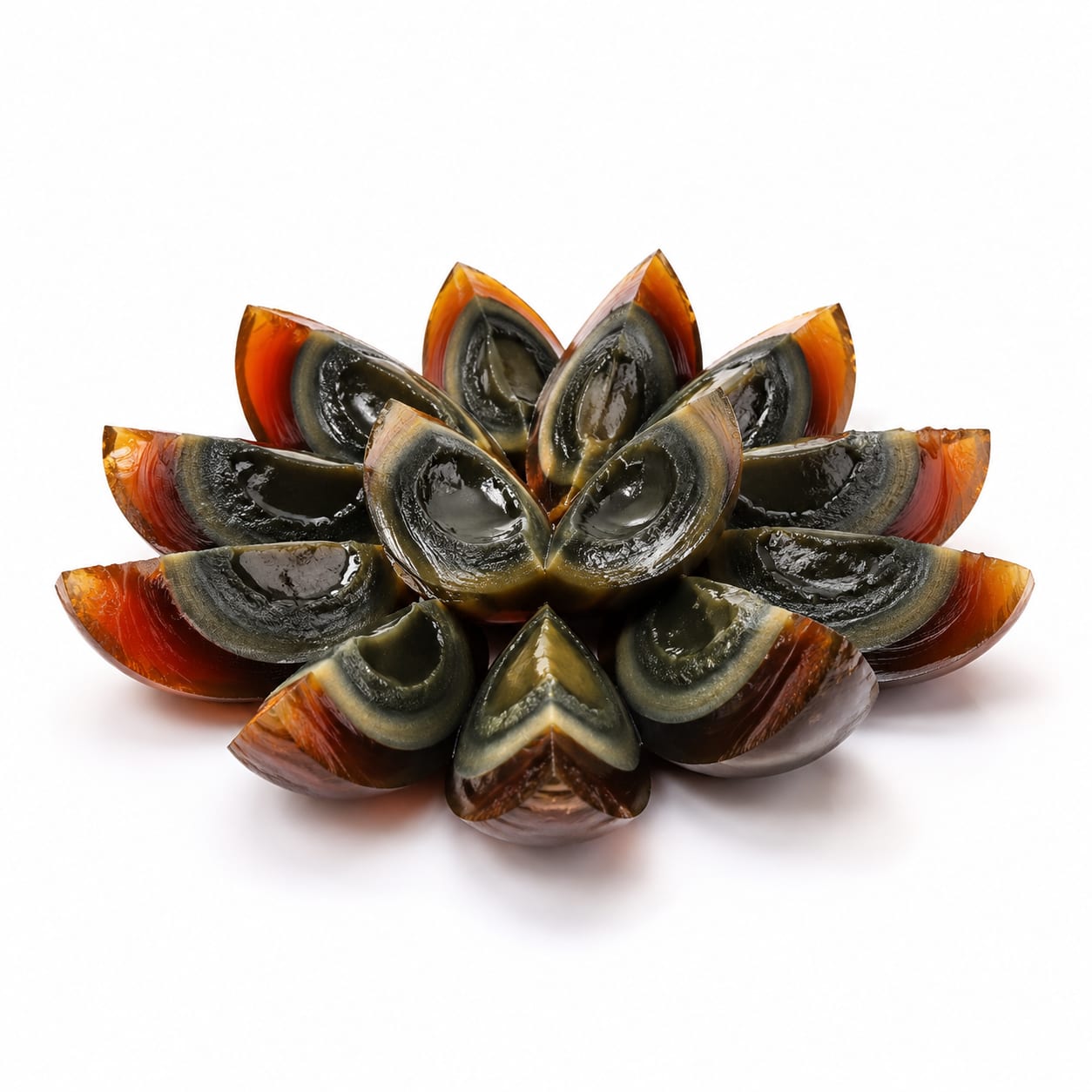
Century Egg
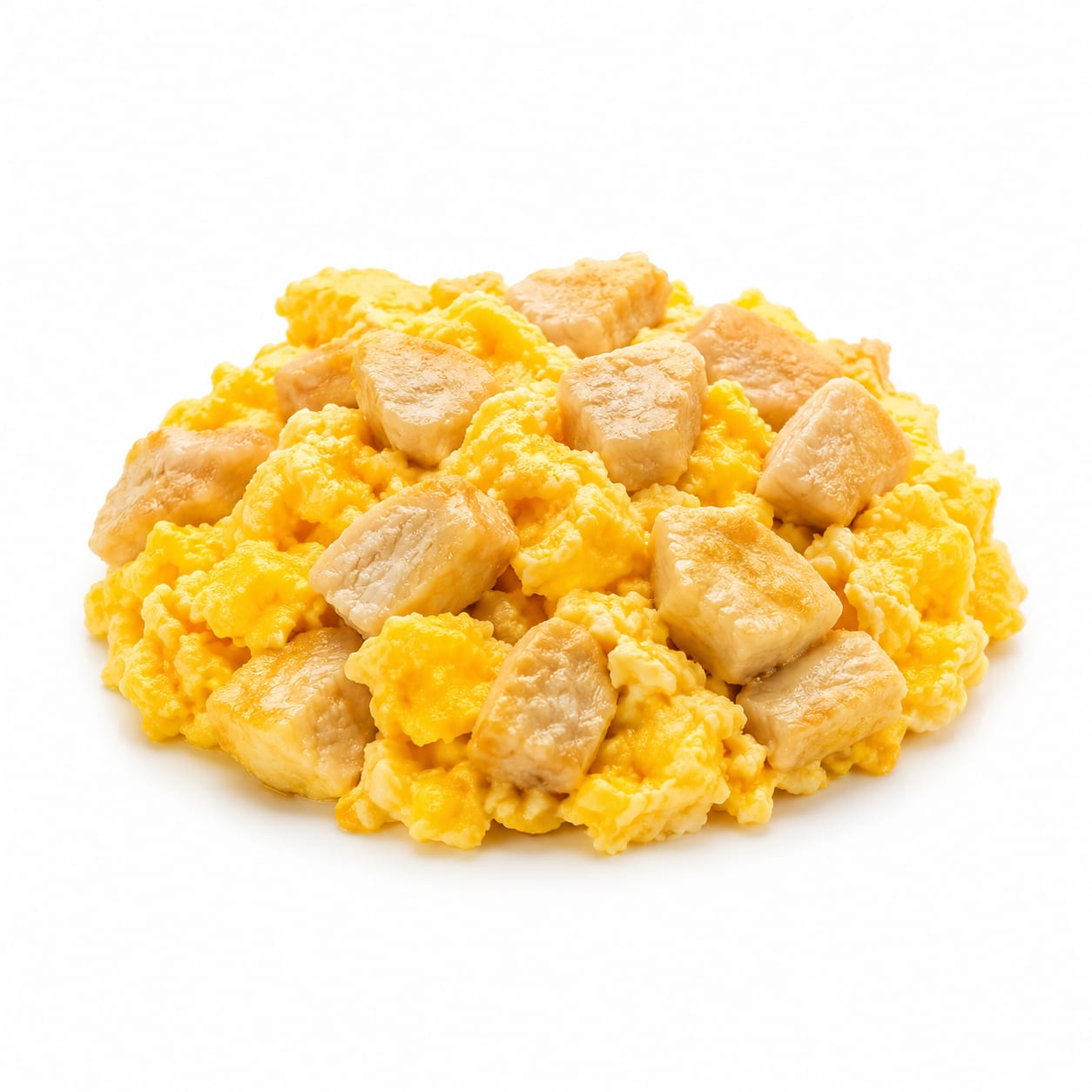
Chicken Egg
Chicken eggs are the clear winner for daily nutrition and safety, while century eggs are a high-sodium specialty treat best enjoyed occasionally.
Chicken eggs score significantly higher due to their superior nutrient-to-calorie ratio, low sodium, minimal processing, and everyday versatility. Century eggs lose substantial points for their high sodium content, processing concerns, and limited culinary use.
You trade low sodium, high versatility, and safety with chicken eggs for a unique, intense umami flavor with century eggs.
At a glance
Executive summary
Overall
Chicken Egg
Healthier
Chicken Egg
More practical
Chicken Egg
Daily use
Chicken Egg
Key comparison lenses
Sodium and blood pressure impact
Century eggs are cured with salt and alkali, making them extremely high in sodium compared to naturally low-sodium chicken eggs.
Processing level and additives
Century eggs undergo a complex preservation process, while chicken eggs are consumed in their natural state.
Food safety and heavy metal exposure
Traditional century egg production sometimes involves lead oxide, raising contamination concerns not present in standard chicken eggs.
Everyday versatility and practicality
Chicken eggs are a daily dietary staple with endless cooking methods, whereas century eggs are a specialty ingredient.
Best choice for
Century Egg
- Adding intense umami flavor to congee
- Cultural and traditional cuisine experiences
- Adventurous eaters seeking unique textures
Chicken Egg
- Daily protein intake
- Quick and versatile meals any time of day
- Heart-healthy and low-sodium diets
Least suitable for
Century Egg
- People with high blood pressure
- Children and pregnant women due to contamination risks
- Those watching their sodium intake
Chicken Egg
- People with severe egg allergies
- Strict vegans
Deep comparison
Dimension by dimension
Each lens scores both foods and breaks down who each option suits.
- Dimension 1 · Priority 95Chicken Egg
Sodium and Heart Health
Century Egg · 15Chicken Egg · 95Century eggs are packed with sodium from the curing process, whereas chicken eggs are naturally sodium-free.
Tradeoff
You get a deeply seasoned, salty flavor with century eggs, but at the cost of a massive sodium hit that can spike blood pressure.
Why it matters
High sodium intake is a leading driver of hypertension and cardiovascular strain. Eating just one century egg can use up a significant portion of your daily sodium budget.
Real-world impact
A single century egg can contain over 500mg of sodium, leaving you bloated and thirsty, while a chicken egg has virtually zero.
Century Egg
- Satisfying salt cravings without adding table salt
Better for
- Risk of blood pressure spikes
- Triggering water retention and bloating
Worse for
Chicken Egg
- Keeping blood pressure in check
- Maintaining a light, non-bloated feeling after eating
Better for
- Needing to add salt separately for flavor
Worse for
- Dimension 2 · Priority 85Chicken Egg
Protein Quality and Satiety
Century Egg · 65Chicken Egg · 95Both offer solid protein, but chicken eggs provide a more complete, bioavailable protein profile that keeps you fuller longer.
Tradeoff
The alkaline curing process of century eggs breaks down some proteins, slightly reducing their digestibility and satiety power compared to fresh chicken eggs.
Why it matters
Higher protein quality means better muscle maintenance and steadier energy. Chicken eggs are the gold standard for protein absorption.
Real-world impact
A couple of chicken eggs for breakfast will keep you full until lunch. Century eggs, usually eaten in smaller amounts as a garnish, will not provide the same staying power.
Century Egg
- Providing pre-broken-down proteins that are slightly easier to chew for those with dental issues
Better for
- Less effective at keeping hunger at bay
Worse for
Chicken Egg
- Post-workout muscle recovery
- Staying full through a busy morning
Better for
- Can feel heavy if eaten in large quantities right before physical activity
Worse for
- Dimension 3 · Priority 90Chicken Egg
Processing and Additives
Century Egg · 25Chicken Egg · 95Chicken eggs are a whole food straight from nature. Century eggs are heavily preserved using salt, quicklime, and ash.
Tradeoff
The complex chemical transformation gives century eggs their unique texture and flavor, but introduces concerns about industrial additives and heavy metals.
Why it matters
Minimally processed foods are generally easier on the body and carry fewer long-term health risks than preserved foods.
Real-world impact
You can confidently cook a chicken egg knowing exactly what it is. With century eggs, sourcing matters greatly to avoid poor-quality preservatives.
Century Egg
- Shelf stability without refrigeration
Better for
- Risk of consuming industrial chemicals if cheaply produced
- Unpredictable ingredient lists
Worse for
Chicken Egg
- Clean eating and whole-food diets
- Transparency of ingredients
Better for
- Short shelf life if not refrigerated
Worse for
- Dimension 4 · Priority 85Chicken Egg
Food Safety and Contamination
Century Egg · 40Chicken Egg · 80Chicken eggs carry a slight salmonella risk, but century eggs have a documented history of lead contamination from traditional curing methods.
Tradeoff
While modern chicken eggs are strictly regulated for pathogens, century eggs require careful sourcing to ensure lead-free production.
Why it matters
Lead exposure, even in small amounts, is neurotoxic and particularly dangerous for children and pregnant women.
Real-world impact
Cooking chicken eggs eliminates most pathogen risks. With century eggs, no amount of cooking removes heavy metals if they were used in the curing process.
Century Egg
- No risk of salmonella due to the alkaline environment killing bacteria
Better for
- Potential lead exposure if from unregulated sources
- Not recommended for young children or pregnant women
Worse for
Chicken Egg
- Highly regulated safety standards in modern farming
- Safe for children and pregnant women when cooked
Better for
- Risk of food poisoning if consumed raw or undercooked
Worse for
Timeline
Health impact over time
Short-term
Hours to days
Century Egg
- Immediate thirst and bloating from high sodium
- Slight digestive adjustment to the strong alkaline nature
Chicken Egg
- Quick and sustained satiety
- Steady energy without a sugar crash
Long-term
Months to years
Century Egg
- Increased risk of hypertension if consumed frequently
- Potential heavy metal accumulation with poor-quality sources
Chicken Egg
- Improved muscle maintenance and satiety management
- Sustained intake of choline for brain health
Risk profile
Safety & processing
Century eggs undergo a deliberate chemical transformation using alkali, salt, and sometimes questionable industrial accelerants. Chicken eggs remain in their natural, unaltered state.
Century Egg
Lead and heavy metal contamination
highSome traditional or unregulated producers still use lead oxide to speed up the curing process, posing serious neurological risks.
Excessive sodium intake
mediumThe curing process loads the egg with sodium, which can quickly push daily intake past healthy limits.
Chicken Egg
Salmonella infection
lowModern washing and refrigeration practices make salmonella rare, but it remains a risk if eggs are consumed raw or undercooked.
Allergic reactions
lowEgg allergies are common, particularly in children, though many outgrow them.
Who wins for whom
Audience fit
Same foods, different winners depending on your goal.
children
Chicken EggChicken eggs provide essential choline for brain development. Century eggs should be avoided due to potential lead contamination and extreme sodium.
daily consumption
Chicken EggChicken eggs are one of the most sustainable, nutritious daily foods available. Century eggs are a specialty item meant for occasional enjoyment.
diabetes
Chicken EggChicken eggs have zero carbs and will not spike blood sugar. The high sodium in century eggs worsens the cardiovascular risks already associated with diabetes.
elderly
Chicken EggOlder adults need high-quality protein to prevent muscle loss and must watch their blood pressure, making chicken eggs the safer, healthier choice.
muscle gain
Chicken EggChicken eggs offer superior protein bioavailability and are easy to eat in bulk, which is essential for muscle building.
weight loss
Chicken EggChicken eggs are low in calories, high in protein, and keep you full, making them a weight loss staple. Century eggs are too salty and typically eaten with carb-heavy congee.
Your move
Decision guide
Choose Century Egg
- You are making traditional congee or a cold appetizer plate
- You crave that specific intense, earthy umami flavor
- You are eating it as an occasional cultural delicacy, not a health food
Choose Chicken Egg
- You need a quick, filling breakfast
- You are meal prepping for the week
- You want a clean, high-quality protein source for fitness or weight management
Either works if
- You want a protein-rich addition to a meal and have no sodium restrictions
- You are simply craving eggs in some form today
Avoid both if
- You have a severe egg allergy
- You are strictly following a vegan diet
Final recommendation
Keep chicken eggs as your everyday nutritional workhorse. Enjoy century eggs sparingly as a flavor treat, and always buy them from reputable, lead-free brands to protect your health.
Practical
Consumer tips
- 1
When buying century eggs, look for labels explicitly stating lead-free or copper-free to avoid heavy metal exposure.
- 2
Limit century egg consumption to once a week at most to keep your sodium intake in check.
- 3
Pair century eggs with plain congee and vegetables rather than salty soy sauce to balance the overall sodium of the meal.
- 4
For chicken eggs, poaching or boiling preserves their nutrient profile better than frying in heavy oils.