
Nutrition comparison
Century Egg vs Tempeh: Which Fermented Protein Is Actually Better for You?
Compare century egg and tempeh on safety, sodium, protein, gut health, and daily usability. Discover why tempeh wins for regular eating and when century egg is worth the indulgence.
Overall winner · Tempeh
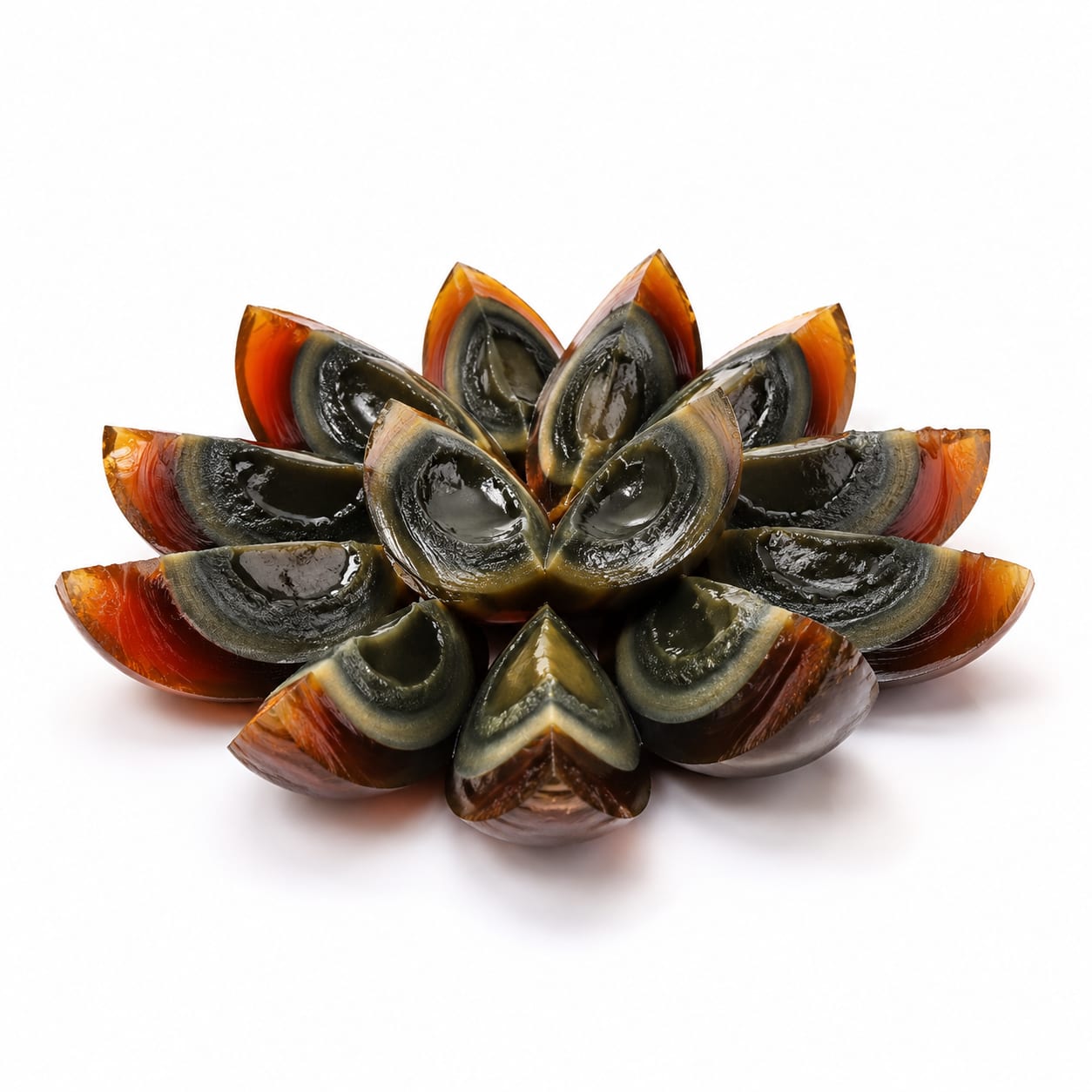
Century Egg
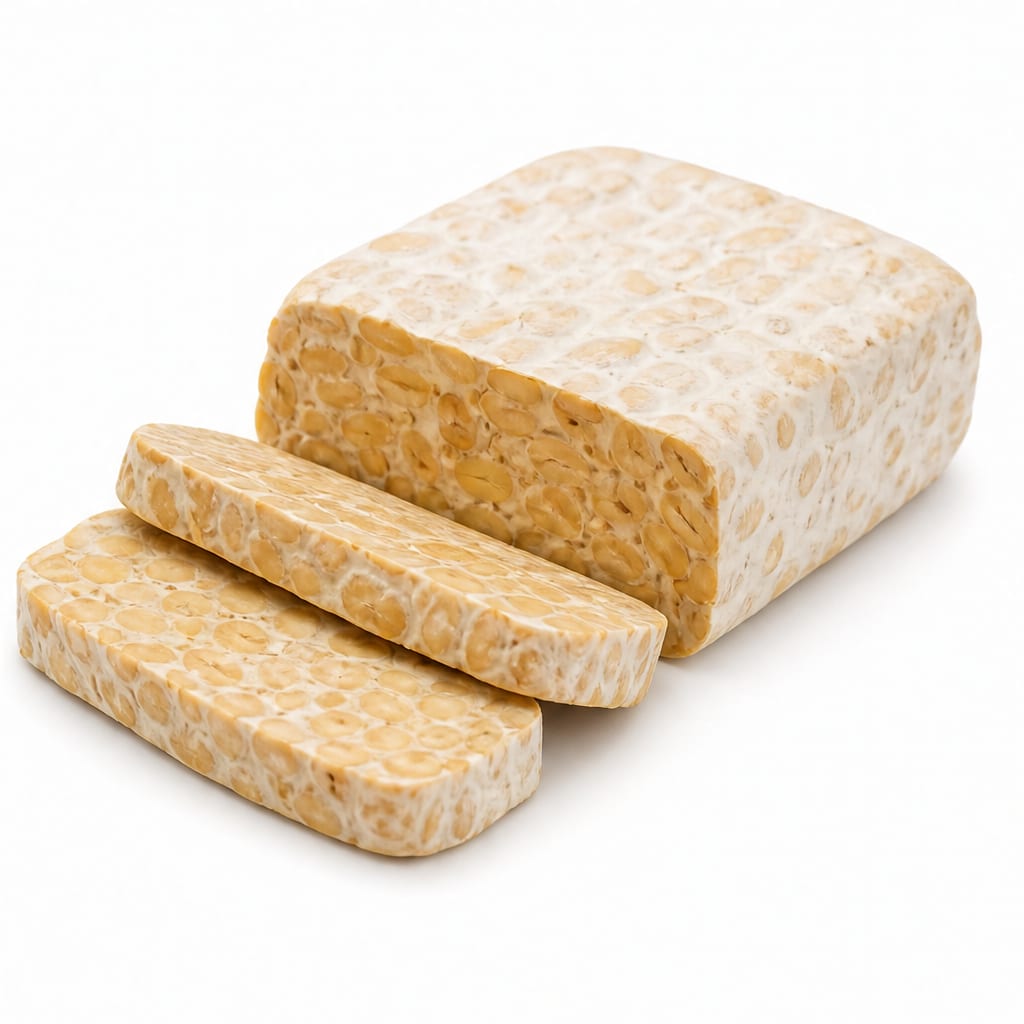
Tempeh
Tempeh wins decisively for regular eating. Century egg is an occasional delicacy with real safety tradeoffs.
Tempeh scores much higher due to its safety profile, daily usability, probiotic benefits, and balanced nutrition. Century egg loses ground on sodium load, heavy metal risk, and lack of regular-consumption viability.
You trade the unique cultural experience and rich umami of century egg for tempeh's safer, gut-friendly, daily-usable nutrition.
At a glance
Executive summary
Overall
Tempeh
Healthier
Tempeh
More practical
Tempeh
Daily use
Tempeh
Key comparison lenses
safety and contamination risk
Century eggs carry legitimate heavy metal and alkaline processing concerns that significantly affect daily consumption decisions
protein quality and daily usability
Both foods are protein sources but differ dramatically in how often you can realistically eat them
fermentation health benefits
Tempeh offers probiotic and gut health advantages while century egg fermentation is purely preservation-driven
sodium and blood pressure impact
Century egg is extremely high in sodium, making it risky for regular consumption especially for hypertensive individuals
cultural authenticity vs nutritional practicality
Users often weigh traditional food heritage against modern nutritional understanding
Best choice for
Century Egg
- Occasional cultural or nostalgic enjoyment
- Adding intense umami depth to congee or salads
- Experiencing traditional Chinese culinary heritage
Tempeh
- Daily plant-based protein needs
- Gut health and probiotic support
- Sodium-conscious meal planning
- Sustained energy and satiety throughout the day
Least suitable for
Century Egg
- People monitoring sodium intake
- Children and pregnant women due to lead risk
- Anyone seeking a daily protein staple
- Those with kidney concerns
Tempeh
- People with soy allergies or sensitivities
- Those avoiding fermented foods during certain medication regimens
- Individuals seeking high-heme iron sources
Deep comparison
Dimension by dimension
Each lens scores both foods and breaks down who each option suits.
- Dimension 1 · Priority 95Tempeh
sodium_and_blood_pressure_impact
Century Egg · 15Tempeh · 85A single century egg can deliver 500-700mg of sodium. Tempeh keeps sodium minimal unless you season it heavily yourself.
Tradeoff
Century egg delivers bold preserved flavor but at a blood pressure cost. Tempeh is mild but lets you control salt entirely.
Why it matters
High sodium intake from preserved foods silently raises hypertension risk over years, especially for older adults.
Real-world impact
Eating century egg regularly could push you over daily sodium limits without realizing it. Tempeh stays safely under budget.
Century Egg
- Flavor intensity without adding extra seasoning
Better for
- Blood pressure control
- Kidney strain with regular consumption
- Fluid retention and bloating
Worse for
Tempeh
- Hypertension management
- Kidney-friendly eating patterns
- Post-workout meals where you want to control electrolytes
Better for
- Those who find unsalted tempeh bland and overcompensate with soy sauce
Worse for
- Dimension 2 · Priority 92Tempeh
heavy_metal_and_contamination_risk
Century Egg · 25Tempeh · 80Traditional century egg production uses lead oxide in some regions. Tempeh's main risk is pesticide residue from conventional soybeans.
Tradeoff
Century egg carries a low-probability but high-impact contamination risk. Tempeh's risk is manageable by choosing organic.
Why it matters
Lead exposure even in small amounts accumulates and affects neurological health, especially concerning for children.
Real-world impact
A few century eggs per year pose minimal risk. Weekly consumption compounds exposure. Organic tempeh virtually eliminates its primary concern.
Century Egg
- Children and developing nervous systems
- Pregnant women
- Anyone eating preserved foods regularly
Worse for
Tempeh
- Long-term safety with frequent consumption
- Families with children
- Anyone prioritizing contaminant avoidance
Better for
- Conventional soy tempeh may carry pesticide residues if not organic
Worse for
- Dimension 3 · Priority 88Tempeh
protein_quality_and_satiety
Century Egg · 55Tempeh · 82Tempeh provides roughly 19g of complete plant protein per 100g with fiber that keeps you full. Century egg offers solid protein but in a small package with no fiber.
Tradeoff
Century egg has slightly more bioavailable protein per gram but tempeh's fiber creates longer-lasting fullness.
Why it matters
Satiety determines whether you stay satisfied or reach for snacks an hour later.
Real-world impact
A tempeh bowl at lunch keeps you full until dinner. A century egg in congee is satisfying momentarily but less sustaining alone.
Century Egg
- Higher protein density per bite
- Complete amino acid profile from animal source
Better for
- No fiber means faster return of hunger
- Small serving size limits total protein intake
Worse for
Tempeh
- Extended satiety from fiber-protein combination
- Plant-based protein for vegetarian and vegan diets
- Larger serving sizes without excessive calories
Better for
- Lower leucine content than animal proteins for muscle synthesis
Worse for
- Dimension 4 · Priority 85Tempeh
gut_health_and_fermentation_benefits
Century Egg · 30Tempeh · 90Tempeh fermentation produces beneficial probiotics and increases nutrient bioavailability. Century egg fermentation is alkaline preservation with no probiotic benefit.
Tradeoff
Tempeh actively supports your microbiome. Century egg is preserved but microbiologically inert or even hostile to beneficial bacteria.
Why it matters
Gut health influences digestion, immunity, mood, and long-term disease risk more than most people realize.
Real-world impact
Regular tempeh eaters often notice improved digestion and regularity. Century egg offers no such benefits and its sodium can disrupt gut lining.
Century Egg
- No probiotic benefit whatsoever
- High sodium may irritate gut lining
Worse for
Tempeh
- Probiotic support for digestive regularity
- Enhanced nutrient absorption from fermentation
- Anti-inflammatory gut environment
Better for
- Probiotics can be reduced with high-heat cooking
Worse for
- Dimension 5 · Priority 75Tempeh
versatility_and_meal_integration
Century Egg · 35Tempeh · 85Tempeh absorbs marinades, crumbles into stir-fries, grills as steaks, and works across cuisines. Century egg has a narrow culinary window.
Tradeoff
Century egg delivers a unique irreplaceable flavor in specific dishes. Tempeh adapts to virtually any meal format.
Why it matters
Foods you can cook multiple ways stay interesting longer and resist meal fatigue.
Real-world impact
You can eat tempeh five days a week in different preparations. Century egg gets repetitive after two servings and most people only want it with congee.
Century Egg
- Authentic Chinese and Southeast Asian dishes
- Congee and cold appetizer plates
Better for
- Very limited dish compatibility
- Strong flavor that dominates rather than blends
Worse for
Tempeh
- Stir-fries, grain bowls, sandwiches, salads, tacos
- Multiple cuisine adaptations from Indonesian to Mexican
- Meal prep and batch cooking
Better for
- Requires seasoning skill to shine
Worse for
- Dimension 6 · Priority 70Tempeh
calorie_efficiency_and_weight_management
Century Egg · 50Tempeh · 78Both are moderate calorie foods, but tempeh's fiber and protein combination supports better appetite control per calorie consumed.
Tradeoff
Century egg is lower in total calories but less filling. Tempeh has more calories but keeps you satisfied longer.
Why it matters
Weight management is less about calorie counting and more about eating foods that naturally prevent overeating.
Real-world impact
A 200-calorie tempeh serving prevents snacking for hours. A century egg at 100 calories leaves you hungry again soon.
Century Egg
- Lower absolute calorie count per serving
Better for
- Low satiety per calorie may lead to overeating other foods
Worse for
Tempeh
- Better calorie-to-satiety ratio
- Fiber slows digestion and stabilizes blood sugar
- Less likely to trigger cravings later
Better for
- Higher calorie density if you eat large portions mindlessly
Worse for
Timeline
Health impact over time
Short-term
Hours to days
Century Egg
- Immediate sodium hit may cause thirst and mild bloating
- Strong umami flavor can trigger overeating in some people
- Alkaline taste may cause mild stomach discomfort in sensitive individuals
Tempeh
- Improved digestion noticeable within days for some people
- Mild gas or bloating possible when first introducing fermented soy
- Steadier energy levels after meals due to combined protein and fiber
Long-term
Months to years
Century Egg
- Regular consumption increases hypertension and cardiovascular risk from chronic high sodium
- Potential heavy metal accumulation with frequent intake depending on source quality
- Kidney stress from sustained sodium load over years
Tempeh
- Improved gut microbiome diversity with consistent consumption
- Better cholesterol markers from soy isoflavones in most studies
- Sustained plant protein intake supports muscle maintenance into older age
Risk profile
Safety & processing
Century egg undergoes aggressive alkaline chemical preservation using salt, quicklime, and ash. Some producers still use lead oxide. Tempeh is simply fermented soybeans with a fungal starter, one of the most natural protein processing methods available.
Century Egg
Lead contamination
highTraditional curing methods may use lead oxide to speed production. Even small amounts accumulate neurologically over time. Modern producers have reduced this but enforcement varies by country.
Excessive sodium
highA single egg can contain 500-700mg sodium, roughly a third of the daily recommended limit. Regular consumption easily exceeds safe thresholds.
Alkaline residue
mediumThe preservation process creates strongly alkaline conditions. While generally safe in finished product, poor quality control can leave irritating residues.
Tempeh
Pesticide residue on conventional soybeans
mediumSoy is a heavily sprayed crop. Choosing organic tempeh significantly reduces this concern.
Soy allergen exposure
lowSoy is a common allergen but tempeh fermentation may reduce allergenicity slightly compared to unfermented soy.
Improper home fermentation contamination
lowStore-bought tempeh is very safe. Home-made tempeh carries slight risk if hygiene practices are poor.
Who wins for whom
Audience fit
Same foods, different winners depending on your goal.
children
TempehChildren should avoid century egg due to lead exposure risk affecting neurological development. Tempeh is safe and provides growing bodies with quality protein.
daily consumption
TempehTempeh is designed for regular eating across Indonesian culture. Century egg is traditionally an occasional food, not a staple.
diabetes
TempehTempeh's fiber slows glucose absorption and stabilizes blood sugar. Century egg's sodium worsens cardiovascular risk that diabetics already face.
elderly
TempehOlder adults need sodium control for blood pressure and bone-preserving protein. Tempeh supports both. Century egg works against both.
muscle gain
TempehTempeh provides more total protein per realistic serving and can be eaten in larger quantities daily without safety concerns.
weight loss
TempehTempeh's fiber-protein combo keeps you full longer per calorie, reducing the urge to snack between meals.
Your move
Decision guide
Choose Century Egg
- You want an authentic cultural experience a few times per year
- You are preparing traditional congee or cold appetizer plates for a gathering
- You have no sodium concerns and trust your source's quality standards
Choose Tempeh
- You need a reliable daily protein source that supports gut health
- You are managing blood pressure, weight, or cardiovascular risk
- You want a versatile ingredient that works across many meals and cuisines
- You are vegetarian, vegan, or reducing animal product intake
Either works if
- You are simply looking for a fermented food experience and enjoy both profiles
- You eat a varied diet where neither food dominates your weekly intake
Avoid both if
- You have severe soy allergies making tempeh impossible and sodium restrictions ruling out century egg
- You are on a strict low-protein diet for kidney disease management
Final recommendation
Keep century egg as a rare treat for cultural enjoyment, perhaps monthly at most. Make tempeh your regular fermented protein. This gives you the best of both worlds: the nostalgic pleasure of traditional flavors without the health costs of frequent consumption, plus the daily nutritional benefits of a genuinely health-supporting food.
Practical
Consumer tips
- 1
Seek out organic tempeh to avoid pesticide residue from conventional soybean farming
- 2
If eating century egg, limit to once or twice monthly and source from reputable producers with lead-free certification
- 3
Marinate tempeh in soy sauce, maple syrup, and smoked paprika for a bacon-like flavor that works in sandwiches and salads
- 4
Pair century egg with fresh vegetables and rice to dilute the sodium load per bite
- 5
Freeze extra tempeh within a few days of opening. It retains texture and probiotics well
- 6
Avoid giving century egg to children under six due to lead exposure risk regardless of source quality