
Nutrition comparison
Century Egg vs Chicken Breast: Nutrition, Protein & Health Comparison
Compare Century Egg vs Chicken Breast. Discover which is better for protein, weight loss, and daily nutrition, and learn the health tradeoffs.
Overall winner · Chicken Breast
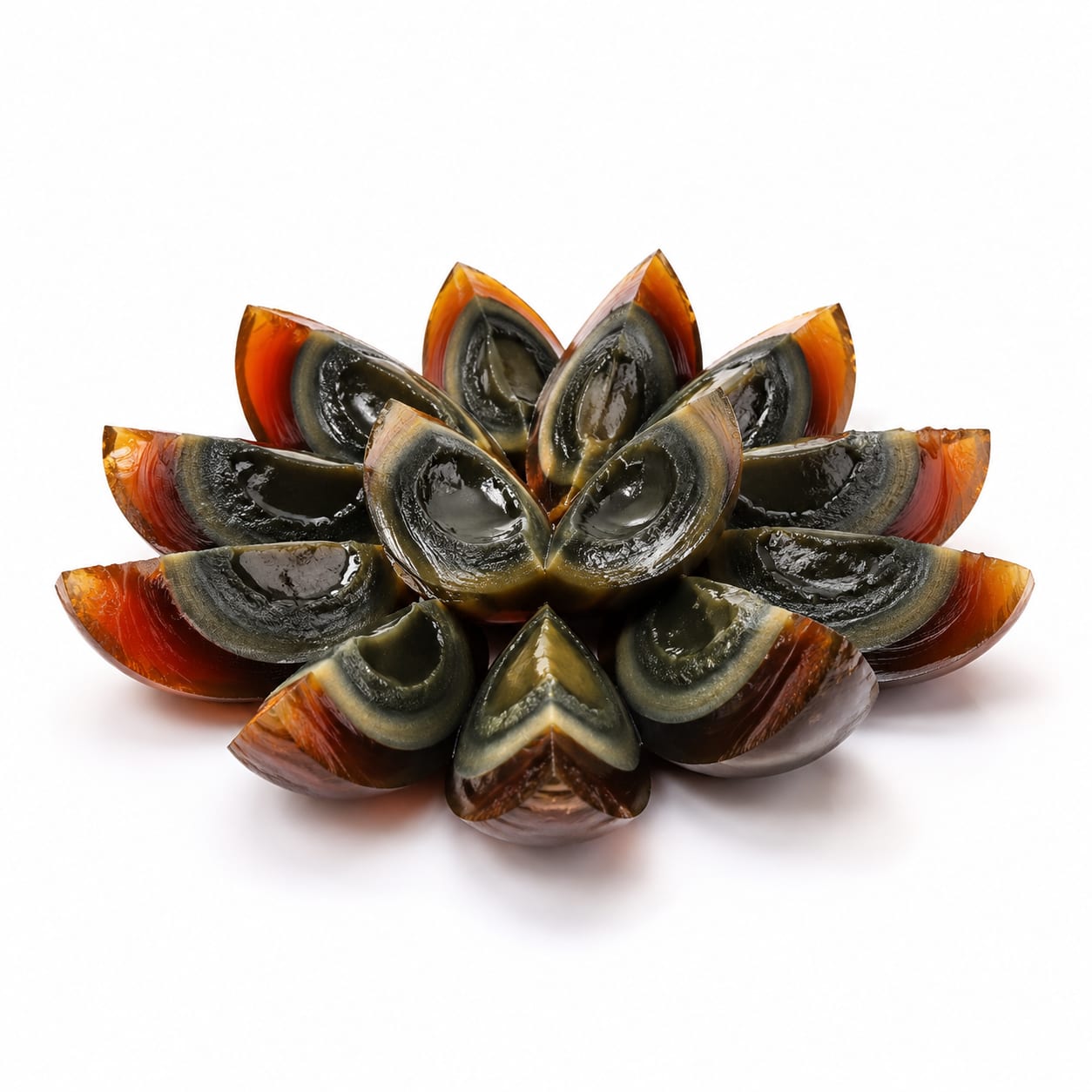
Century Egg

Chicken Breast
Chicken Breast is the clear winner for everyday nutrition, offering lean protein without the sodium hit, while Century Egg is a niche flavor experience best enjoyed occasionally.
Chicken Breast dominates due to its superior protein-to-calorie ratio and low sodium, making it a dietary staple. Century Egg is heavily penalized for its extreme sodium content and processing, limiting it to occasional delicacy status.
Rich, complex preserved flavor versus clean, lean protein and heart health.
At a glance
Executive summary
Overall
Chicken Breast
Healthier
Chicken Breast
More practical
Chicken Breast
Daily use
Chicken Breast
Key comparison lenses
Protein quality and muscle support
Chicken Breast is a gold-standard lean protein, while Century Egg offers moderate protein with heavy tradeoffs.
Sodium load and blood pressure impact
Century Egg is cured with high salt and alkaline materials, making sodium a major differentiator.
Processing level and naturalness
Comparing a highly preserved traditional food against a raw, whole muscle meat.
Weight management and satiety
Users often choose between these for diet planning, where calorie density and fullness matter.
Best choice for
Century Egg
- Adventurous eaters seeking bold flavors
- Traditional Asian cuisine enthusiasts
- Occasional condiment use in congee
Chicken Breast
- Athletes needing reliable protein
- Weight loss seekers
- Meal preppers
- High-protein dieters
Least suitable for
Century Egg
- People with hypertension
- Daily consumption
- Those sensitive to high sodium
Chicken Breast
- Strict vegetarians
- Those seeking intense, complex flavors
Deep comparison
Dimension by dimension
Each lens scores both foods and breaks down who each option suits.
- Dimension 1 · Priority 95Chicken Breast
Protein Quality & Muscle Support
Century Egg · 40Chicken Breast · 98Chicken Breast provides top-tier lean protein for muscle repair, whereas Century Egg offers moderate protein burdened by sodium and fat.
Tradeoff
You sacrifice pure, efficient protein for a rich, umami flavor profile.
Why it matters
Muscle maintenance and satiety rely on high-quality, bioavailable protein.
Real-world impact
Eating Chicken Breast after a workout repairs muscle effectively; Century Egg does not fit this role well.
Century Egg
- Adding savory depth to dishes
Better for
- Clean bulking
- Athletic performance
Worse for
Chicken Breast
- Post-workout recovery
- Maintaining muscle mass in aging adults
Better for
- Flavor complexity in traditional recipes
Worse for
- Dimension 2 · Priority 90Chicken Breast
Sodium & Blood Pressure Impact
Century Egg · 10Chicken Breast · 95Century Egg is extremely high in sodium due to the preservation process, while Chicken Breast is naturally low in sodium.
Tradeoff
Preserved flavor and shelf stability come with a heavy sodium load that spikes blood pressure.
Why it matters
High sodium intake is a leading driver of hypertension and cardiovascular strain.
Real-world impact
A single Century Egg can contain a massive chunk of your daily sodium limit, leaving you thirsty and bloated.
Century Egg
- Preservation without refrigeration
Better for
- Blood pressure management
- Kidney health
Worse for
Chicken Breast
- Heart health
- Reducing morning bloating
Better for
- Long shelf life without freezing
Worse for
- Dimension 3 · Priority 85Chicken Breast
Processing & Naturalness
Century Egg · 15Chicken Breast · 95Chicken Breast is a whole, unadulterated food, while Century Egg undergoes weeks of chemical preservation using alkali and salt.
Tradeoff
The unique gelatinous texture and taste of Century Egg require heavy processing that alters the food's natural state.
Why it matters
Minimally processed foods are generally easier on the digestive system and long-term health.
Real-world impact
Chicken Breast is straightforward to cook and digest; Century Egg involves unknowns regarding curing agents and historical contamination risks.
Century Egg
- Unique gelatinous texture creation
Better for
- Minimally processed diets
- Sensitive stomachs
Worse for
Chicken Breast
- Clean eating diets
- Whole food approaches
Better for
- Shelf-stable emergency food
Worse for
- Dimension 4 · Priority 80Chicken Breast
Weight Management & Satiety
Century Egg · 30Chicken Breast · 92Chicken Breast keeps you full on fewer calories, while Century Egg is calorie-dense for its small size and less satiating.
Tradeoff
A small preserved egg packs calories and sodium without the volume to keep you full.
Why it matters
Satiety per calorie is crucial for sustainable weight management.
Real-world impact
A Chicken Breast salad fills you up for hours; a Century Egg leaves you reaching for more food soon after.
Century Egg
- Keto diet flavor enhancement in small amounts
Better for
- Appetite control
- Cutting phases
Worse for
Chicken Breast
- Calorie counting
- Volume eating
Better for
- High-fat, low-protein dietary needs
Worse for
- Dimension 5 · Priority 65It depends
Micronutrient Profile
Century Egg · 60Chicken Breast · 75Chicken Breast provides B vitamins and selenium, while Century Egg offers concentrated iron and vitamin D, but with heavy sodium baggage.
Tradeoff
Century Egg has some interesting micronutrients, but the delivery mechanism is compromised by salt.
Why it matters
Micronutrients support daily energy metabolism and immune function.
Real-world impact
Chicken Breast supports steady energy; Century Egg offers a small iron boost but is not worth the sodium for most people.
Century Egg
- Iron supplementation in small doses
Better for
- Low-sodium mineral intake
Worse for
Chicken Breast
- B-vitamin replenishment
- Thyroid support via selenium
Better for
- Vitamin D sourcing
Worse for
Timeline
Health impact over time
Short-term
Hours to days
Century Egg
- Bloating and thirst from sodium
- Immediate blood pressure spike
- Strong, lingering aftertaste
Chicken Breast
- Satiety and fullness
- Steady energy without crashes
- Easy digestion if cooked properly
Long-term
Months to years
Century Egg
- Increased hypertension risk if consumed frequently
- Potential exposure to heavy metals depending on sourcing
- Cardiovascular strain from chronic high sodium
Chicken Breast
- Improved muscle mass and metabolism
- Healthy weight maintenance
- Low cardiovascular risk
Risk profile
Safety & processing
Century Egg relies on alkaline salts, clay, and curing compounds to transform the egg over weeks. Chicken Breast is a raw, unadulterated whole meat.
Century Egg
Heavy Metal Contamination
mediumTraditional curing methods sometimes used lead oxide to speed up the process; modern methods are safer, but risk varies by manufacturer and region.
Bacterial Contamination
lowAs a highly alkaline preserved product, bacteria are generally inhibited, but improper handling can still cause foodborne illness.
Chicken Breast
Salmonella
mediumRaw chicken is a common carrier of salmonella; requires strict hygiene and proper cooking temperatures to eliminate risk.
Antibiotic Residues
lowConventional poultry farming may use antibiotics, though regulations typically limit residues in the final meat product.
Who wins for whom
Audience fit
Same foods, different winners depending on your goal.
children
Chicken BreastChildren need clean protein for growth and should avoid the high sodium and potential heavy metal risks of preserved eggs.
daily consumption
Chicken BreastChicken Breast is a sustainable, safe daily staple; Century Egg is too high in sodium and processing for regular use.
diabetes
Chicken BreastChicken Breast has zero carbs and will not spike blood sugar, whereas Century Egg's high sodium worsens cardiovascular risks common in diabetes.
elderly
Chicken BreastOlder adults need high-quality protein to prevent muscle loss and low sodium to protect heart health, making Chicken Breast the clear choice.
muscle gain
Chicken BreastChicken Breast is a complete, lean protein source optimal for muscle repair and growth without excess fat.
weight loss
Chicken BreastChicken Breast offers high volume and protein with minimal calories and sodium, making it far easier to stay in a deficit.
Your move
Decision guide
Choose Century Egg
- You want a bold culinary experience
- You are making traditional congee
- You crave umami flavor occasionally
Choose Chicken Breast
- You need reliable, lean protein
- You are managing your weight or blood pressure
- You are meal prepping for the week
Either works if
- You want a zero-carb protein source and are strictly controlling portions
Avoid both if
- You have severe egg and poultry allergies
Final recommendation
Treat Chicken Breast as your dietary workhorse and Century Egg as an occasional delicacy. Your heart and muscles will thank you for making Chicken Breast the default.
Practical
Consumer tips
- 1
Look for 'lead-free' labels when buying Century Eggs to ensure safer curing methods were used.
- 2
Pair Century Egg with tofu or in congee to dilute the sodium impact per bite.
- 3
Brine Chicken Breast before cooking to keep it juicy and prevent the dreaded dry texture.
- 4
Weigh Chicken Breast raw for the most accurate calorie and protein tracking.