
Nutrition comparison
Century Egg vs Tofu: Which Is Healthier and Safer to Eat?
Compare century egg and tofu on protein, sodium, safety, and daily usability. Learn which is better for weight loss, heart health, and everyday meals.
Overall winner · Tofu
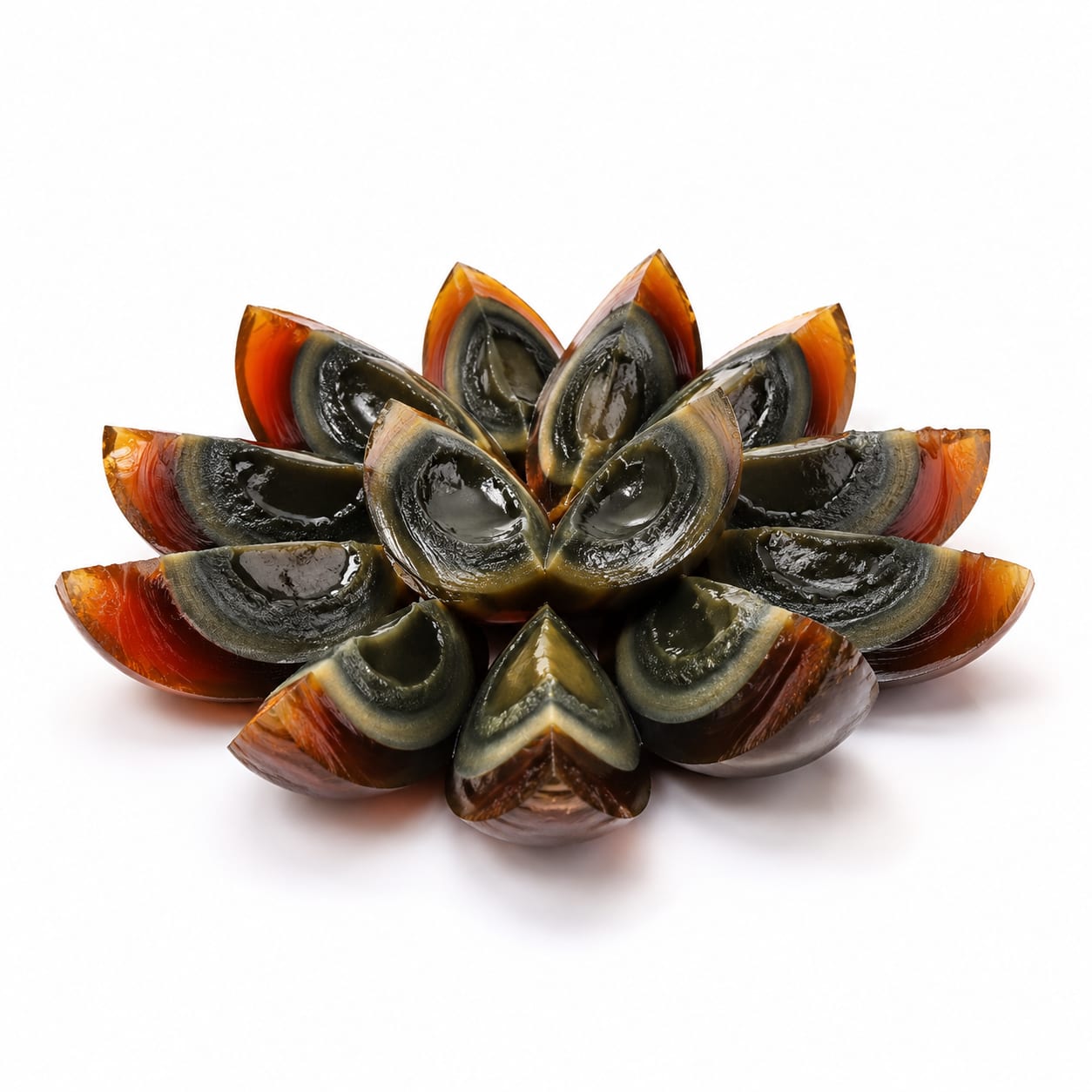
Century Egg
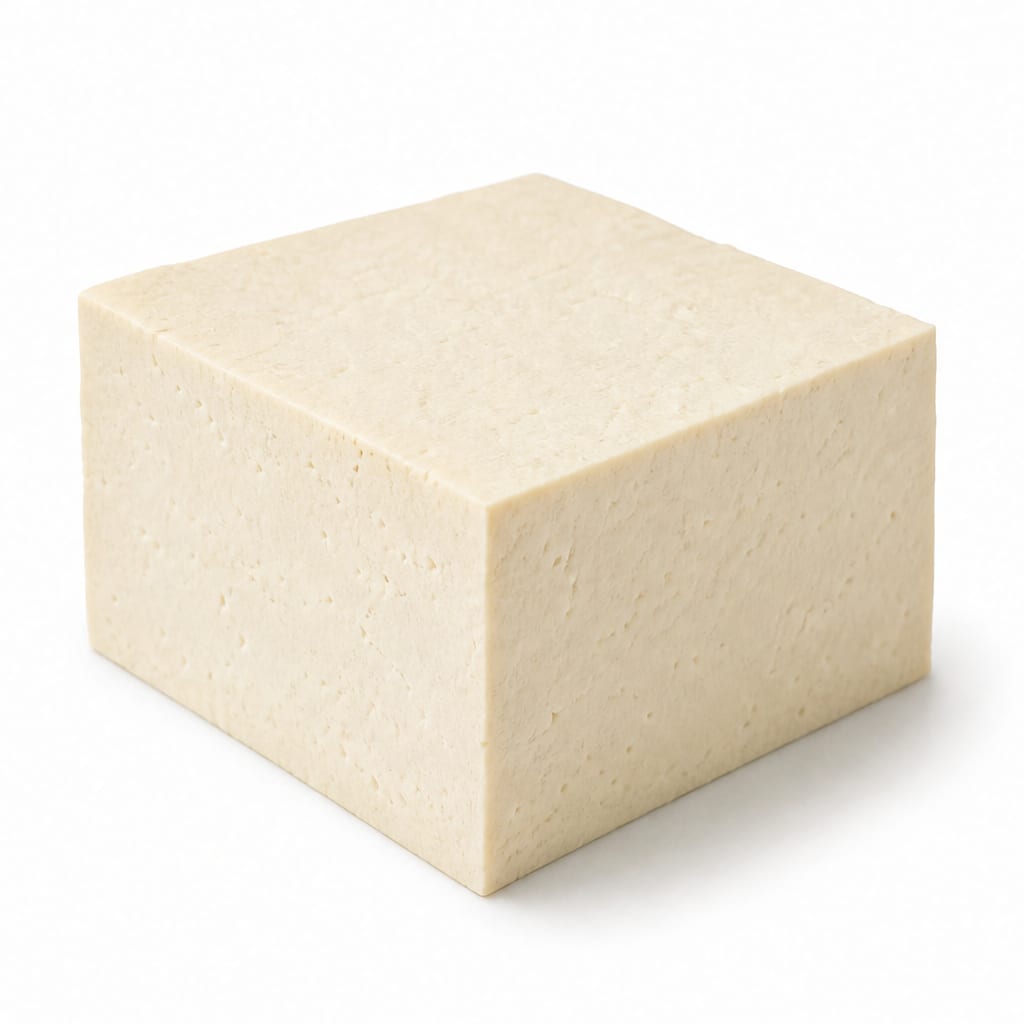
Tofu
Tofu wins for daily nutrition and safety, while century eggs offer a flavorful occasional treat with real tradeoffs.
Tofu scores significantly higher due to its safety profile, daily usability, and clean nutrition. Century eggs lose ground on sodium, heavy metal risk, and limited everyday practicality, though they earn some points for protein density and unique culinary value.
Century eggs deliver bold umami flavor and complete animal protein but carry high sodium and preservation-related risks; tofu provides clean, versatile plant protein you can eat every day without concern.
At a glance
Executive summary
Overall
Tofu
Healthier
Tofu
More practical
Tofu
Daily use
Tofu
Key comparison lenses
Sodium and preservation safety concerns
Century eggs are preserved with alkali and salt, raising sodium and heavy metal exposure questions that dominate the health comparison
Everyday vs occasional eating
Tofu is a daily staple across Asia while century eggs are a condiment or delicacy, making frequency of use a core decision factor
Heavy metal and contaminant risk
Traditional century egg production historically used lead oxide, and residual contamination remains a consumer concern
Processing and naturalness
Century eggs undergo weeks of chemical preservation while tofu is simply coagulated soy milk, a stark processing difference
Protein source comparison
Both are protein-rich foods but from animal vs plant origins, affecting amino acid profile and dietary fit
Best choice for
Century Egg
- Adding intense umami depth to congee or salads
- Cultural and culinary authenticity in Chinese cuisine
- Occasional high-flavor low-volume protein boost
Tofu
- Daily plant-based protein needs
- Heart-healthy and low-sodium diets
- Weight management and satiety without excess calories
Least suitable for
Century Egg
- People managing hypertension or sodium-restricted diets
- Children and pregnant women due to lead exposure risk
- Anyone seeking a clean everyday protein staple
Tofu
- Those with soy allergies or sensitivities
- People seeking strong bold flavors without heavy seasoning
- Very low-calorie diets where even moderate calories matter
Deep comparison
Dimension by dimension
Each lens scores both foods and breaks down who each option suits.
- Dimension 1 · Priority 95Tofu
Sodium Load
Century Egg · 15Tofu · 90A single century egg can contain 500-800mg of sodium, roughly a third of your daily limit. Tofu is naturally very low in sodium.
Tradeoff
That intense preserved flavor in century eggs comes with a sodium hit that adds up fast if you eat more than one.
Why it matters
High sodium intake directly raises blood pressure and stroke risk, especially for people who are salt-sensitive.
Real-world impact
Eating two century eggs with congee at breakfast could use up half your sodium budget before noon.
Century Egg
- Those who sweat heavily and need electrolyte replenishment
Better for
- Hypertension patients
- Kidney disease patients
Worse for
Tofu
- Anyone watching blood pressure
- People who eat other salty foods throughout the day
Better for
- Endurance athletes needing sodium replacement
Worse for
- Dimension 2 · Priority 80Century Egg
Protein Quality and Density
Century Egg · 82Tofu · 70Century eggs provide complete animal protein with all essential amino acids in a compact serving. Tofu offers solid plant protein but with slightly lower leucine content.
Tradeoff
You get more bioavailable protein per bite from century eggs, but the serving size is small and the sodium baggage is heavy.
Why it matters
Complete protein with high digestibility supports muscle maintenance and satiety more efficiently.
Real-world impact
One century egg delivers about 6-7g of protein in a small package, while you need a half cup of firm tofu for similar amounts.
Century Egg
- Older adults needing efficient protein in small volumes
- People with small appetites who need nutrient density
Better for
- People who want large protein portions without sodium overload
Worse for
Tofu
- Vegans and vegetarians building meals around plant protein
- Those who want protein without the sodium cost
Better for
- Those needing maximal leucine per calorie for muscle synthesis
Worse for
- Dimension 3 · Priority 88Tofu
Safety and Contaminant Risk
Century Egg · 30Tofu · 88Traditional century egg production used lead oxide to speed curing, and while modern methods are safer, contamination concerns persist. Tofu has minimal contamination risk.
Tradeoff
That distinctive translucent amber color and creamy yolk come from an aggressive chemical preservation process that leaves some consumers uneasy.
Why it matters
Chronic low-level lead exposure affects neurological health, especially in children, and no safe threshold exists.
Real-world impact
A pregnant woman eating century eggs regularly could expose the developing fetus to avoidable heavy metals.
Century Egg
- Adults eating them occasionally from reputable modern producers
Better for
- Children under 6
- Pregnant and breastfeeding women
- People with kidney impairment who retain heavy metals
Worse for
Tofu
- Pregnant women and children
- Anyone concerned about cumulative toxic exposure
Better for
- Those with soy allergies who must avoid tofu entirely
Worse for
- Dimension 4 · Priority 75Tofu
Culinary Versatility
Century Egg · 35Tofu · 92Tofu absorbs flavors, works in soups, stir-fries, desserts, and smoothies, and can be eaten raw or cooked. Century eggs have one flavor profile and limited pairings.
Tradeoff
Century eggs are irreplaceable in specific dishes but useless outside that niche. Tofu is the culinary chameleon that works anywhere.
Why it matters
A versatile protein source makes healthy eating sustainable because you never get bored.
Real-world impact
You can meal-prep tofu five ways for the week. Century eggs are a garnish you crave maybe once a month.
Century Egg
- Creating authentic Chinese cold dishes and congee toppings
- Impressing guests with a unique delicacy
Better for
- Anyone wanting a go-to protein for varied meals
Worse for
Tofu
- Weekly meal prep
- Adapting to any cuisine from Japanese to Mexican
- Budget-friendly bulk cooking
Better for
- Cooking traditional Chinese banquet dishes requiring century eggs
Worse for
- Dimension 5 · Priority 70Tofu
Calorie Efficiency and Satiety
Century Egg · 55Tofu · 80Firm tofu provides more food volume and satiety per calorie than century eggs, which are calorie-dense for their small size.
Tradeoff
Century eggs feel rich and satisfying in small amounts but do not fill you up. Tofu takes up plate space and keeps you fuller longer.
Why it matters
Volume and satiety determine whether you stay satisfied or reach for snacks an hour later.
Real-world impact
A tofu stir-fry with vegetables fills a bowl and satisfies for hours. A century egg is gone in three bites.
Century Egg
- Small appetites wanting concentrated calories
- Snacking situations where volume is not the goal
Better for
- Emotional eaters who need physical fullness to feel satisfied
Worse for
Tofu
- Weight loss relying on food volume and fullness
- Active people needing satisfying meals
Better for
- Those needing calorie-dense foods for weight gain
Worse for
- Dimension 6 · Priority 65It depends
Digestive Tolerance
Century Egg · 60Tofu · 60Century eggs are easy to digest due to protein denaturation during curing, but their alkalinity can bother some stomachs. Tofu is gentle for most but causes bloating in soy-sensitive people.
Tradeoff
Neither is a clear winner. It depends entirely on your personal digestive quirks.
Why it matters
A technically healthy food that causes bloating or discomfort undermines nutrition goals and quality of life.
Real-world impact
Some people find tofu makes them gassy, while others find century eggs leave an alkaline aftertaste that upsets their stomach.
Century Egg
- People with soy intolerance who need non-soy protein
Better for
- People with sensitive stomachs who react to preserved foods
Worse for
Tofu
- Those sensitive to high-alkaline or high-sodium foods
Better for
- People with IBS or soy sensitivity who experience bloating
Worse for
Timeline
Health impact over time
Short-term
Hours to days
Century Egg
- High sodium may cause thirst and mild bloating shortly after eating
- The alkaline preservation can create an unusual mouthfeel some find unpleasant
- Rich umami flavor may trigger cravings for more salty foods
Tofu
- Provides steady energy without sodium-driven thirst
- Soy fiber may cause temporary bloating in unaccustomed eaters
- Light and easy on the stomach for most people
Long-term
Months to years
Century Egg
- Regular consumption increases sodium-related cardiovascular risk
- Potential cumulative heavy metal exposure if sourcing is poor
- Occasional consumption poses minimal long-term risk for healthy adults
Tofu
- Consistent intake associated with lower heart disease risk
- Soy isoflavones may support bone density in postmenopausal women
- Daily consumption is safe and beneficial for most populations
Risk profile
Safety & processing
Century eggs are preserved for weeks in a mixture of clay, ash, salt, quicklime, and rice hulls, fundamentally transforming the egg through alkaline chemical reactions. Tofu is made by coagulating soy milk with salts or acids, a simple process closer to cheese-making than chemical preservation.
Century Egg
Lead and heavy metal contamination
mediumTraditional methods used lead oxide. Modern production has reduced this, but testing still finds variable levels depending on manufacturer and region.
High sodium intake
highA single egg can contain 500-800mg sodium, making regular consumption risky for blood pressure management.
Bacterial contamination from improper curing
lowIf preservation conditions are not controlled, harmful bacteria can survive. Reputable producers mitigate this effectively.
Tofu
Soy allergen exposure
mediumSoy is a top 8 allergen. Reactions range from mild hives to anaphylaxis in sensitive individuals.
GMO soy sourcing
lowMost conventional tofu in the US is made from GMO soybeans. Organic or non-GMO verified options are widely available.
Antinutrient content
lowRaw soy contains trypsin inhibitors and phytates, but these are largely deactivated during tofu production.
Who wins for whom
Audience fit
Same foods, different winners depending on your goal.
children
TofuChildren are more vulnerable to lead exposure and should avoid century eggs. Tofu is safe, gentle, and provides growing bodies with quality plant protein.
daily consumption
TofuTofu is one of the safest and most sustainable daily protein sources. Century eggs are best limited to a few times per month.
diabetes
TofuTofu has minimal impact on blood sugar and provides steady energy. Century eggs' high sodium worsens cardiovascular risk that diabetics already face.
elderly
TofuOlder adults need blood pressure control and bone support. Tofu supports both, while century eggs' sodium works against cardiovascular health.
muscle gain
Century EggCentury eggs offer slightly more bioavailable complete protein per gram, though the sodium cost makes them a supplementary rather than primary protein source.
weight loss
TofuTofu provides more volume and satiety per calorie, making it easier to eat satisfying meals while staying in a deficit.
Your move
Decision guide
Choose Century Egg
- You want an authentic flavor experience in Chinese dishes like century egg congee or cold tofu with century egg
- You are a healthy adult eating them occasionally from a trusted brand
- You need a compact protein source and are not sodium-sensitive
Choose Tofu
- You want a clean, versatile protein you can eat daily without worry
- You are managing blood pressure, heart health, or sodium intake
- You need a neutral-flavored base for meal prep across different cuisines
Either works if
- You are simply looking for a non-meat protein source and have no specific health restrictions
- You enjoy both foods and want to rotate them based on the meal
Avoid both if
- You have both a soy allergy and sodium restrictions, leaving few safe options in this category
- Your doctor has advised a low-protein diet for kidney disease
Final recommendation
Keep tofu as your everyday protein staple and treat century eggs as an occasional delicacy. If you love century eggs, enjoy one every few weeks from a reputable producer, but do not make them a regular part of your diet. Tofu gives you far more nutritional value per bite with none of the safety tradeoffs.
Practical
Consumer tips
- 1
Look for century eggs labeled lead-free or from modern producers who use copper sulfate instead of lead oxide in curing
- 2
Limit century eggs to 1-2 per week maximum if you are a healthy adult, and avoid them entirely if you have hypertension
- 3
Choose firm tofu for stir-fries and grilling, silken tofu for soups and desserts, to get the most culinary mileage
- 4
Press tofu for 15-20 minutes before cooking to improve texture and help it absorb marinades better
- 5
If you are new to tofu, start with seasoned or marinated versions to bridge the flavor gap before cooking plain tofu
- 6
Pair century eggs with rice porridge and vegetables to dilute the sodium load per bite
- 7
Store tofu in water in the fridge and change the water daily to keep it fresh for up to a week