
Nutrition comparison
Century Egg vs Sardines: Nutrition, Safety, and Health Comparison
Compare century eggs and sardines on omega-3s, sodium, protein, contamination risk, and daily nutrition value. Find out which preserved food vs canned fish is healthier for you.
Overall winner · Sardines
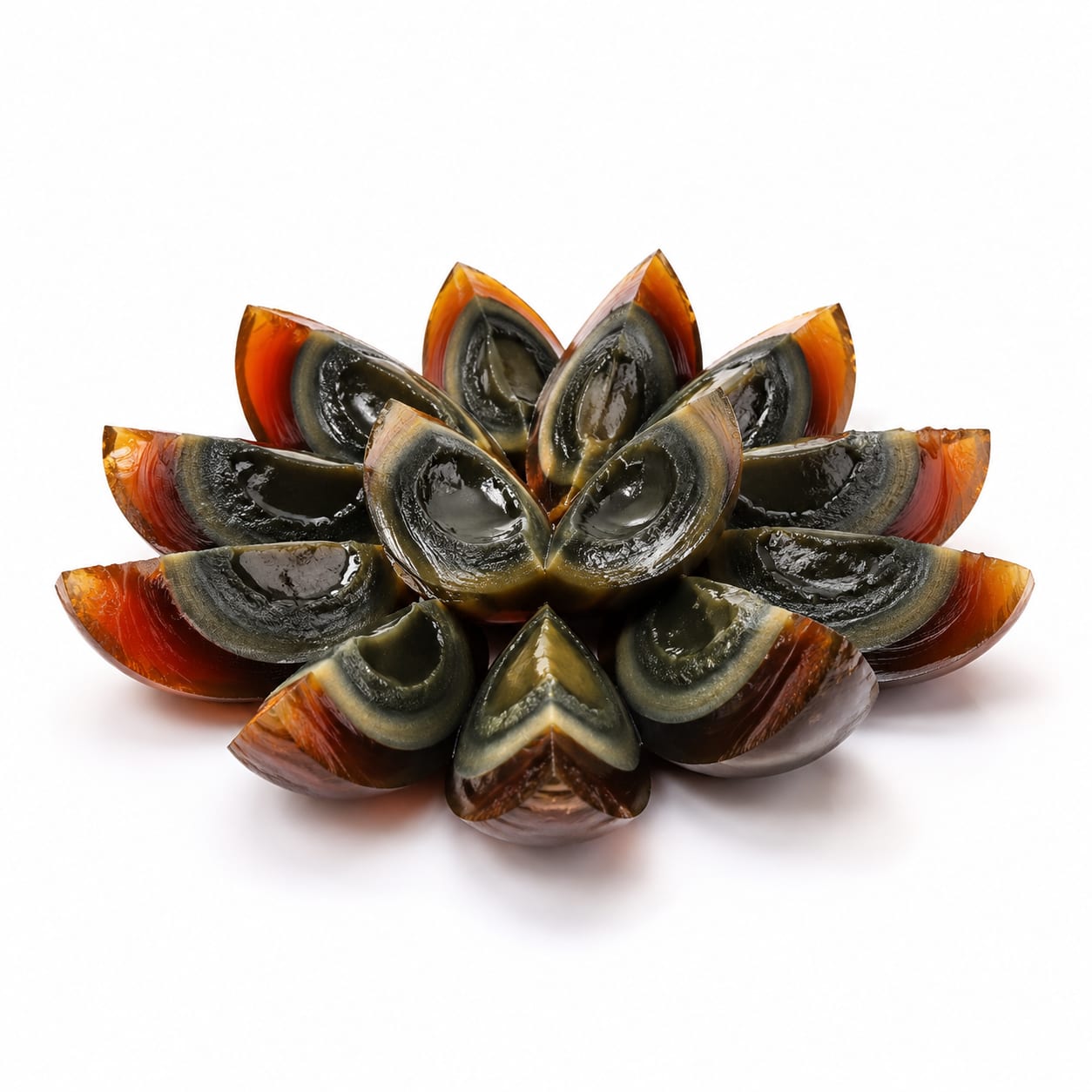
Century Egg
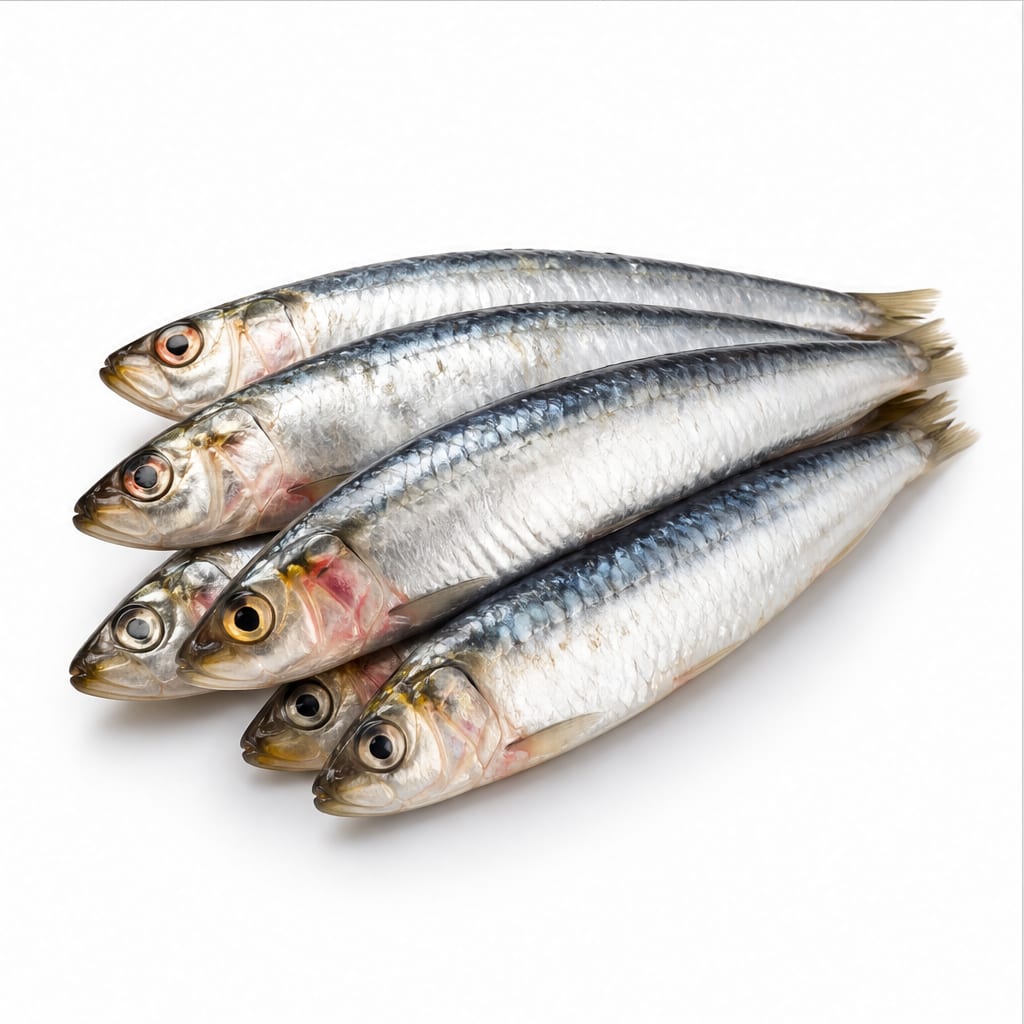
Sardines
Sardines win decisively for everyday nutrition and long-term health, while century eggs remain an occasional cultural delicacy with real safety tradeoffs.
Sardines score dramatically higher due to omega-3 content, calcium, vitamin D, and minimal processing. Century eggs lose ground on sodium load, contamination risk, and lack of essential fatty acids. The gap is large but century eggs still have cultural and occasional culinary value.
Sardines give you omega-3s, calcium, and clean protein daily. Century eggs offer a unique culinary experience but come with heavy sodium, preservation chemicals, and contamination history.
At a glance
Executive summary
Overall
Sardines
Healthier
Sardines
More practical
Sardines
Daily use
Sardines
Key comparison lenses
traditional preserved vs natural protein source
Century eggs are heavily preserved through alkaline curing, while sardines are a naturally nutrient-dense whole food with minimal processing
sodium and heart health tradeoffs
Both foods carry sodium concerns but from very different sources, with very different cardiovascular implications
food safety and contamination risks
Century eggs have historical lead contamination concerns; sardines carry microplastic and purine considerations
omega3 vs unique preservation nutrients
Sardines deliver direct EPA/DHA omega-3s, while century eggs offer preserved protein with some mineral concentration but no essential fatty acids
cultural delicacy vs everyday nutrition
Century eggs are typically an occasional condiment, while sardines can be a regular nutritional staple
Best choice for
Century Egg
- Occasional cultural enjoyment and culinary tradition
- Adding umami depth to congee and cold dishes
- Experiencing unique textures and flavors as a treat
Sardines
- Daily omega-3 intake without supplements
- Bone-supportive calcium and vitamin D
- Sustainable, affordable protein with heart benefits
Least suitable for
Century Egg
- Anyone monitoring sodium closely
- Children and pregnant women due to contamination risk
- Regular daily consumption as a protein source
Sardines
- Gout sufferers due to purine content
- People with severe fish allergies
- Those who cannot tolerate strong fish flavors
Deep comparison
Dimension by dimension
Each lens scores both foods and breaks down who each option suits.
- Dimension 1 · Priority 95Sardines
heart_health_and_omega3s
Century Egg · 20Sardines · 92Sardines are one of the best omega-3 sources available. Century eggs offer no essential fatty acids and come with heavy sodium that strains cardiovascular health.
Tradeoff
Choosing century eggs means missing out on the most proven heart-protective nutrients in the diet entirely.
Why it matters
Omega-3s from fish reduce heart disease risk, lower triglycerides, and calm inflammation. Sodium-preserved foods do the opposite over time.
Real-world impact
Eating sardines twice weekly can meaningfully lower heart disease risk. Regular century egg consumption would likely raise blood pressure over months.
Century Egg
- Zero risk of fish oil burps or digestive discomfort from omega-3s
Better for
- No omega-3 fatty acids whatsoever
- High sodium works against blood pressure goals
- Cholesterol content adds cardiovascular burden
Worse for
Sardines
- Direct EPA and DHA omega-3s for heart and brain
- Anti-inflammatory fat profile
- Triglyceride-lowering potential with regular consumption
Better for
- Omega-3s can cause fishy aftertaste in some people
Worse for
- Dimension 2 · Priority 90Sardines
sodium_load_and_blood_pressure
Century Egg · 15Sardines · 55Both foods are sodium-heavy, but century eggs are dramatically saltier per serving. Even canned sardines typically contain less sodium than a single century egg.
Tradeoff
If blood pressure is a concern, neither is ideal, but sardines give you far more nutritional value per milligram of sodium consumed.
Why it matters
Excess sodium raises blood pressure and stroke risk. The nutritional return on your sodium investment matters enormously.
Real-world impact
One century egg can deliver 500-800mg sodium. You get omega-3s and calcium with sardines for similar sodium cost.
Century Egg
- No additional sodium if you prepare it without soy sauce
Better for
- Extremely sodium-dense from preservation process
- Often served with additional soy sauce doubling the load
- Minimal potassium to balance the sodium
Worse for
Sardines
- Lower sodium per serving than century eggs
- Potassium content helps partially offset sodium
- More nutritional value per mg of sodium consumed
Better for
- Canned versions still contribute meaningful sodium
- Salt-packed varieties can be very high in sodium
Worse for
- Dimension 3 · Priority 82Sardines
protein_quality_and_density
Century Egg · 55Sardines · 88Both provide complete protein, but sardines deliver more protein per calorie with superior amino acid availability and added collagen from bones.
Tradeoff
Century eggs offer decent protein but in a sodium-dense, calorie-matched package. Sardines give you more protein with far more micronutrient support.
Why it matters
Protein quality affects muscle maintenance, satiety, and metabolic health. The company protein keeps matters as much as the amount.
Real-world impact
A tin of sardines provides 20-25g protein with omega-3s. A century egg gives 6-7g protein with heavy sodium.
Century Egg
- Concentrated protein in a small serving size
- No fish allergy risk
Better for
- Less total protein per serving
- Protein comes packaged with heavy sodium
- Lower leucine content than fish protein
Worse for
Sardines
- Higher protein per serving and per calorie
- Collagen and connective tissue from bones
- Superior amino acid profile for muscle maintenance
Better for
- Fish protein can cause digestive discomfort in some
Worse for
- Dimension 4 · Priority 78Sardines
bone_health_nutrients
Century Egg · 25Sardines · 90Sardines with edible bones are one of the best dietary calcium sources outside dairy. Century eggs provide minimal bone-supportive nutrients.
Tradeoff
If you are avoiding dairy, sardines become almost irreplaceable for calcium. Century eggs offer nothing comparable for bone density.
Why it matters
Calcium and vitamin D work together for bone strength. Most adults under-consume both, increasing osteoporosis risk over decades.
Real-world impact
One tin of sardines provides roughly 30-35% of daily calcium needs. You would need to eat many century eggs to match that, with unacceptable sodium.
Century Egg
- Contains some phosphorus which supports bone structure
Better for
- Negligible calcium content
- No vitamin D to support mineral absorption
- High sodium actually increases calcium excretion
Worse for
Sardines
- Exceptional calcium from soft edible bones
- Natural vitamin D enhances calcium absorption
- Phosphorus works synergistically with calcium
Better for
- Calcium benefit requires eating the soft bones
Worse for
- Dimension 5 · Priority 88Sardines
contamination_and_safety
Century Egg · 25Sardines · 70Century eggs have a documented history of lead contamination from processing. Sardines are low-mercury but carry microplastic and purine concerns.
Tradeoff
Historical lead issues with century eggs are serious, especially for children. Sardines are among the safest fish for mercury but are not risk-free.
Why it matters
Heavy metals accumulate over time and affect neurological development. Choosing lower-contamination protein sources matters for long-term health.
Real-world impact
Modern century egg production has improved but contamination risk persists in some products. Sardines remain one of the lowest-mercury fish available.
Century Egg
- No mercury or microplastic concerns from fish
- Modern production methods have reduced lead risk
Better for
- Historical and ongoing lead contamination risk
- Alkaline preservation uses harsh chemicals
- Quality control varies significantly by producer
Worse for
Sardines
- Very low mercury compared to larger fish
- Sustainable small fish with shorter contamination exposure
- No alkaline chemical preservation concerns
Better for
- Microplastic contamination present in all seafood
- Purine content triggers gout in susceptible people
Worse for
- Dimension 6 · Priority 65It depends
culinary_versatility_and_enjoyment
Century Egg · 60Sardines · 65Century eggs offer a unique irreplaceable flavor for specific dishes. Sardines are more versatile overall but have a polarizing fish taste.
Tradeoff
Nothing substitutes for century egg in traditional recipes. Sardines work in more dishes but cannot replicate that specific preserved egg experience.
Why it matters
Food must be enjoyable to be sustainable. Cultural connection to food has genuine wellness value beyond pure nutrition.
Real-world impact
Century eggs transform congee and cold tofu plates. Sardines work on toast, in pasta, on salads, or straight from the tin.
Century Egg
- Irreplaceable in traditional Chinese cuisine
- Unique texture and umami depth nothing else provides
- Cultural and emotional significance for many eaters
Better for
- Very limited culinary applications beyond traditional dishes
- Polarizing flavor and texture for uninitiated eaters
Worse for
Sardines
- Works in Mediterranean, Asian, and Western dishes
- Multiple preparation options including grilling and mashing
- Convenient ready-to-eat format from the can
Better for
- Strong fish flavor limits some applications
- Smell can be off-putting in shared spaces
Worse for
Timeline
Health impact over time
Short-term
Hours to days
Century Egg
- Noticeable thirst from high sodium content
- Possible mild digestive adjustment to alkaline-preserved proteins
- Quick protein satisfaction in a small serving
Sardines
- Immediate omega-3 availability for anti-inflammatory effect
- Strong satiety from protein and healthy fat combination
- Possible fishy aftertaste for sensitive individuals
Long-term
Months to years
Century Egg
- Elevated blood pressure risk with regular consumption
- Potential heavy metal accumulation depending on source quality
- Cultural dietary satisfaction and maintained food traditions
Sardines
- Reduced cardiovascular disease risk with consistent intake
- Improved bone density from calcium and vitamin D
- Lower inflammatory markers from regular omega-3 consumption
Risk profile
Safety & processing
Century eggs undergo weeks of alkaline preservation using salt, quicklime, and clay. Canned sardines are typically just fish, salt, and oil. The processing gap is substantial and favors sardines heavily for clean eating goals.
Century Egg
Lead contamination
highTraditional curing methods used lead oxide. Modern production has reduced but not eliminated this risk, especially in less regulated markets.
Excessive sodium intake
highSingle egg can contain 500-800mg sodium, a third or more of daily recommended limit, often compounded by soy sauce pairing.
Alkaline chemical residue
mediumPreservation uses sodium hydroxide and quicklime. Residual alkalinity can irritate sensitive digestive systems.
Sardines
Purine content and gout
mediumSardines are high in purines which can trigger gout flares in susceptible individuals. Not a concern for most people.
Microplastic exposure
lowAll seafood contains some microplastic contamination. Sardines accumulate less than larger fish due to shorter lifespan.
Canned sodium content
mediumCanned varieties vary widely in sodium. Oil-packed and no-salt-added options significantly reduce this concern.
Who wins for whom
Audience fit
Same foods, different winners depending on your goal.
children
SardinesSardines provide growing bodies with calcium, vitamin D, and brain-building omega-3s. Century eggs carry lead contamination risk that is especially dangerous for developing nervous systems.
daily consumption
SardinesSardines can safely be eaten multiple times per week with accumulating health benefits. Century eggs are best limited to occasional enjoyment due to sodium and contamination concerns.
diabetes
SardinesSardines have near-zero carbs with omega-3s that improve insulin sensitivity. Century eggs are also low-carb but the sodium load worsens the hypertension that often accompanies diabetes.
elderly
SardinesSardines support bone density, heart health, and anti-inflammatory needs critical for aging bodies. Century eggs work against blood pressure and bone health goals common in older adults.
muscle gain
SardinesSardines deliver more complete protein per serving with anti-inflammatory omega-3s that support recovery. Century eggs provide modest protein with too much sodium for athletic diets.
weight loss
SardinesSardines provide high protein and omega-3s that promote satiety and fat metabolism. Century eggs are too sodium-dense and nutritionally sparse per calorie for weight loss support.
Your move
Decision guide
Choose Century Egg
- You want an authentic experience of traditional Chinese cuisine
- You are eating congee or cold tofu and need that specific flavor
- You treat it as an occasional delicacy, not a nutrition source
- You have verified the source uses lead-free production methods
Choose Sardines
- You want heart-protective omega-3s without supplements
- You need a convenient, affordable, shelf-stable protein source
- Bone health is a priority, especially if you avoid dairy
- You want anti-inflammatory nutrition you can eat several times weekly
Either works if
- You want a low-carb protein source with strong flavor
- You enjoy bold, polarizing foods that not everyone appreciates
- You are building a culturally diverse eating pattern
Avoid both if
- You are on a strict low-sodium diet for blood pressure management
- You have severe sodium sensitivity or kidney disease requiring sodium restriction
Final recommendation
Make sardines a regular part of your weekly rotation for genuine health benefits. Save century eggs for occasional cultural enjoyment, sourcing carefully from reputable producers. The nutritional gap between these foods is too large to ignore, but the cultural value of century eggs does not need to be zero — just infrequent.
Practical
Consumer tips
- 1
Choose sardines packed in water or olive oil with no-salt-added labels to minimize sodium while maximizing omega-3 benefits
- 2
If eating century eggs, look for lead-free certification on packaging and limit to one egg per sitting at most
- 3
Pair century eggs with potassium-rich foods like sliced cucumber to partially offset the sodium load
- 4
Mash sardines with mustard and lemon as a quick, satisfying spread that masks fishiness for hesitant eaters
- 5
Rinse canned sardines briefly if sodium is a major concern, though you will lose some oil-based omega-3s
- 6
Avoid giving century eggs to children or pregnant women due to residual contamination risk regardless of source