
Nutrition comparison
Century Egg vs Edamame: Which Is Healthier for Daily Eating?
Compare Century Egg and Edamame on sodium, protein, fiber, safety, and daily usability. Find out which food is better for weight loss, heart health, and everyday snacking.
Overall winner · Edamame
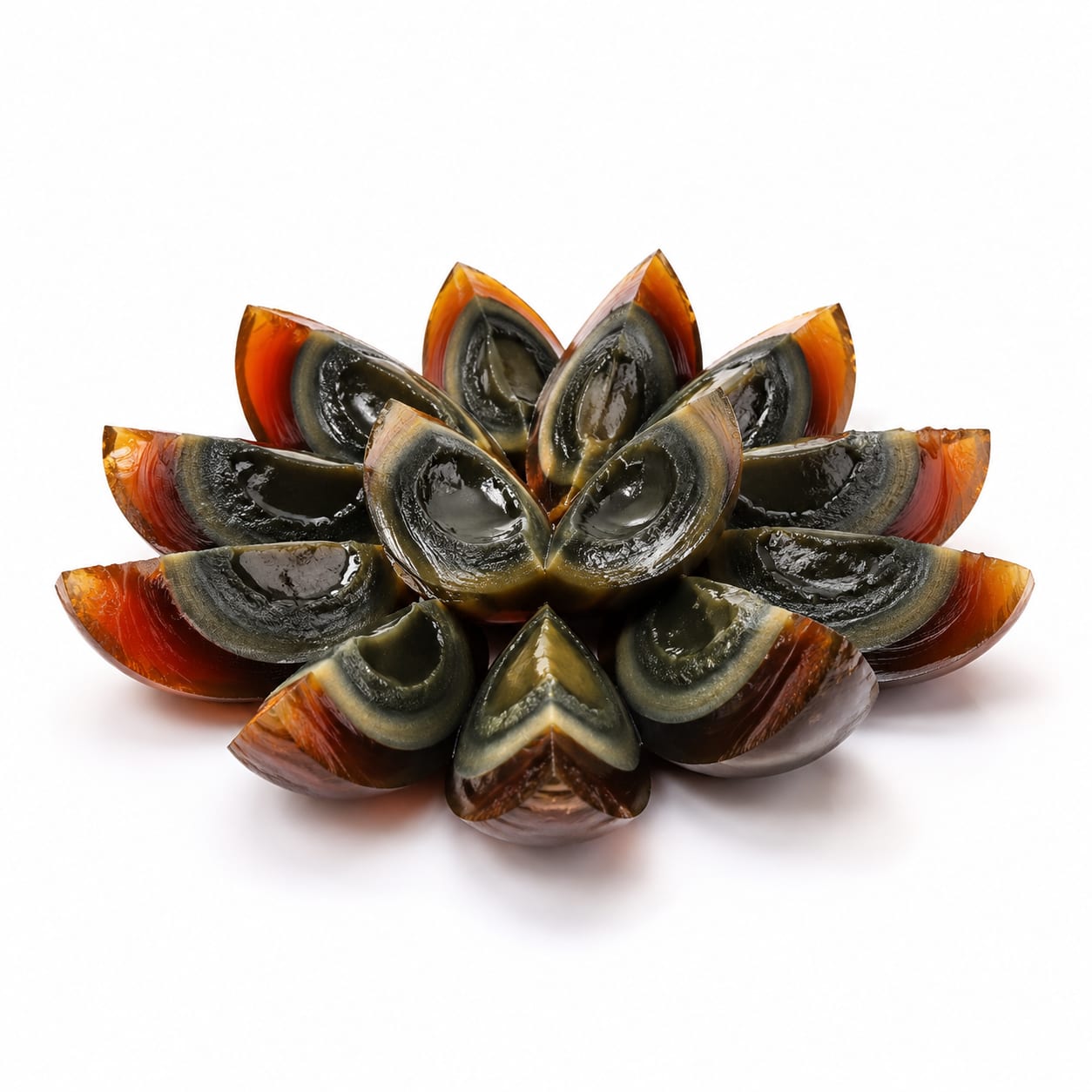
Century Egg

Edamame
Edamame is the clearly healthier everyday choice, offering fiber, clean protein, and minimal processing. Century Egg is a culturally rich delicacy best enjoyed occasionally due to its high sodium and preservation concerns.
Edamame scores significantly higher due to its clean nutritional profile, fiber content, and safety for regular consumption. Century Egg's high sodium, processing concerns, and lack of fiber keep its score low despite decent protein content.
Century Egg delivers bold flavor and culinary tradition at the cost of heavy sodium and processing risks, while Edamame provides steady nutrition with almost no downsides for daily eating.
At a glance
Executive summary
Overall
Edamame
Healthier
Edamame
More practical
Edamame
Daily use
Edamame
Key comparison lenses
Sodium and heart health impact
Century Egg is extremely high in sodium due to preservation, while Edamame is naturally low — this is the single most important health tradeoff
Processing and chemical safety concerns
Century Egg involves alkaline preservation with potential heavy metal exposure, whereas Edamame is minimally processed with simpler safety considerations
Daily snack viability and sustainability
Users likely want to know which food can be eaten regularly without health consequences
Protein quality and plant vs animal source
Both foods are protein-rich but from different sources, affecting digestibility and amino acid profiles
Fiber and digestive health
Edamame provides significant fiber while Century Egg provides none, creating a major nutritional gap
Best choice for
Century Egg
- Cultural and traditional meals where authenticity matters
- Occasional culinary exploration and flavor experience
- Adding umami depth to congee or cold dishes
- People seeking rich, creamy texture in small portions
Edamame
- Daily high-protein snacking without guilt
- Weight management and satiety between meals
- Heart-healthy eating patterns
- Post-workout recovery with plant protein
- Fiber-boosting additions to salads and bowls
Least suitable for
Century Egg
- Anyone monitoring sodium for blood pressure
- Children due to lead contamination potential
- Pregnant women concerned about heavy metals
- Daily or frequent consumption habits
Edamame
- People with soy allergies or sensitivities
- Those on strict low-FODMAP diets
- Individuals concerned about GMO crops who cannot source organic
Deep comparison
Dimension by dimension
Each lens scores both foods and breaks down who each option suits.
- Dimension 1 · Priority 95Edamame
Sodium and Blood Pressure Impact
Century Egg · 12Edamame · 90A single Century Egg can contain 500-800mg of sodium — roughly a third of your daily limit. Edamame naturally contains almost none unless you add salt yourself.
Tradeoff
Century Egg's preservation method loads it with sodium, making it risky for blood pressure. Edamame gives you full control over salt content.
Why it matters
High sodium intake is the leading dietary risk factor for hypertension and stroke. Eating Century Egg regularly could easily push you over safe limits.
Real-world impact
One Century Egg with congee at breakfast can use up most of your sodium budget before noon, leaving no room for the rest of the day's meals.
Century Egg
- Situations where sodium loss through heavy sweating is a real concern
Better for
- Older adults with existing blood pressure concerns
- People who eat other preserved or processed foods regularly
Worse for
Edamame
- Anyone with hypertension or prehypertension
- People trying to reduce bloating and water retention
- Heart-healthy eating patterns like DASH diet
Better for
- Endurance athletes who actually need more sodium during competition
Worse for
- Dimension 2 · Priority 90Edamame
Processing and Chemical Safety
Century Egg · 25Edamame · 85Century Egg is preserved using alkaline compounds and historically involved lead oxide. Modern production is safer but contamination risks remain. Edamame is simply steamed or boiled young soybeans.
Tradeoff
Traditional preservation gives Century Egg its unique character but introduces chemical exposure that Edamame completely avoids.
Why it matters
Long-term exposure to heavy metals and processing chemicals accumulates harm that may not show up for years.
Real-world impact
Choosing Century Egg a few times a year is unlikely to cause harm, but making it a weekly habit compounds your exposure to substances your body cannot easily eliminate.
Century Egg
- Occasional traditional meals where the cultural experience outweighs the small risk
Better for
- Families with young children who might eat small portions
- People already exposed to heavy metals through other sources
Worse for
Edamame
- Pregnant women and children who are most vulnerable to heavy metals
- Anyone prioritizing clean eating and minimal chemical exposure
- People with kidney issues who cannot filter toxins efficiently
Better for
- Those who cannot verify non-GMO or organic sourcing and worry about pesticide residues
Worse for
- Dimension 3 · Priority 80Edamame
Fiber and Digestive Health
Century Egg · 5Edamame · 88Edamame provides about 5-8g of fiber per cup, supporting digestion and gut health. Century Egg contains zero fiber.
Tradeoff
Century Egg offers protein without any digestive support, while Edamame delivers both protein and the fiber your gut bacteria need.
Why it matters
Fiber isn't just about regularity — it feeds beneficial gut bacteria, stabilizes blood sugar, and helps you feel full longer.
Real-world impact
A bowl of edamame keeps you satisfied for hours. A Century Egg disappears quickly and leaves you hungry again soon after.
Century Egg
- Very low-fiber diets prescribed for specific digestive conditions
Better for
- People who already eat low-fiber diets and need improvement
Worse for
Edamame
- Anyone struggling with constipation or irregular digestion
- People managing blood sugar who need slower carbohydrate absorption
- Weight management through better satiety
Better for
- Individuals with IBS who may be sensitive to soy fiber
Worse for
- Dimension 4 · Priority 75Edamame
Protein Quality and Content
Century Egg · 65Edamame · 80Both foods provide solid protein. Century Egg offers about 6-7g per egg with complete amino acids from an animal source. Edamame delivers about 17g per cup as high-quality plant protein.
Tradeoff
Century Egg has slightly more bioavailable protein per calorie, but Edamame provides more total protein per serving with the added benefit of fiber.
Why it matters
Protein quality matters for muscle maintenance, satiety, and metabolic health — both foods deliver, but Edamame gives you more volume and fullness per serving.
Real-world impact
A cup of edamame after a workout gives you meaningful protein with staying power. A Century Egg provides a quick protein hit but leaves you wanting more food soon.
Century Egg
- Small, concentrated protein portions when volume is limited
- Complete amino acid profile from animal sources
Better for
- People who need substantial protein per meal for muscle building
Worse for
Edamame
- Larger, more satisfying protein servings for active people
- Plant-based eaters needing reliable protein sources
- Sustained energy without the crash that follows heavy preserved foods
Better for
- Those with soy protein allergies or intolerances
Worse for
- Dimension 5 · Priority 70Edamame
Convenience and Versatility
Century Egg · 55Edamame · 82Edamame is easy to find frozen, quick to prepare, and works in salads, bowls, or as a standalone snack. Century Egg is more niche, requires sourcing from Asian markets, and has limited pairing options.
Tradeoff
Century Egg offers a unique flavor that cannot be replicated, but Edamame fits into almost any meal effortlessly.
Why it matters
Foods that are easy to incorporate get eaten more often, making them more impactful for your actual daily nutrition.
Real-world impact
You can keep frozen edamame on hand for months and prepare it in 5 minutes. Century Egg requires a trip to a specialty store and careful storage.
Century Egg
- Authentic Chinese dishes where nothing else substitutes
- Impressing guests with a conversation-starting appetizer
Better for
- Busy weeknight cooking when you need something fast
- People without access to Asian grocery stores
Worse for
Edamame
- Meal prep and weekly planning
- Quick after-work snacks
- Adding protein to any bowl, salad, or stir-fry without extra cooking
Better for
- Diners seeking bold, distinctive flavors rather than mild nutrition
Worse for
- Dimension 6 · Priority 65Edamame
Micronutrient Density
Century Egg · 50Edamame · 78Edamame provides folate, vitamin K, magnesium, and iron. Century Egg retains some minerals from eggs but loses certain vitamins during preservation while concentrating sodium.
Tradeoff
Century Egg concentrates certain minerals but at the cost of vitamin degradation and sodium loading. Edamame offers a broader, cleaner micronutrient profile.
Why it matters
Micronutrient density determines how much real nourishment you get per calorie eaten.
Real-world impact
Eating edamame regularly contributes meaningfully to your daily vitamin and mineral targets. Century Egg contributes some nutrients but the sodium cost is steep.
Century Egg
- Getting concentrated selenium and vitamin D from the egg yolk
Better for
- Relying on it as a meaningful vitamin source given the sodium tradeoff
Worse for
Edamame
- Meeting daily folate needs, especially important during pregnancy
- Boosting magnesium intake for muscle and nerve function
- Getting vitamin K for bone and blood health
Better for
- Getting vitamin B12, which is absent in plant foods
Worse for
Timeline
Health impact over time
Short-term
Hours to days
Century Egg
- Noticeable thirst after eating due to high sodium content
- Potential mild stomach discomfort from the alkaline preservation compounds
- Quick satiety from rich texture but hunger returns fast due to zero fiber
Edamame
- Sustained fullness from the combination of protein and fiber
- Steady energy without blood sugar spikes
- Mild bloating possible if you are not used to eating soy foods regularly
Long-term
Months to years
Century Egg
- Regular consumption increases risk of hypertension and cardiovascular disease from chronic high sodium intake
- Potential cumulative heavy metal exposure depending on manufacturing standards
- No fiber contribution means missing out on gut health benefits if eaten frequently in place of fiber-rich foods
Edamame
- Improved cardiovascular markers from fiber, plant protein, and isoflavones
- Better gut microbiome diversity from regular fiber intake
- Possible modest cholesterol reduction from soy protein when eaten consistently
Risk profile
Safety & processing
Century Egg undergoes weeks of alkaline preservation using salt, quicklime, and ash — historically with lead oxide. Modern methods are improved but still involve significant chemical transformation. Edamame is simply harvested young soybeans, typically steamed or boiled with no transformation beyond cooking.
Century Egg
Lead and heavy metal contamination
mediumTraditional production used lead oxide to speed curing. Modern regulations have reduced this, but contamination still occurs in products from unregulated sources, especially imported ones.
Excessive sodium intake
highA single egg can contain 500-800mg of sodium, making it easy to exceed daily limits especially when paired with other seasoned dishes.
Bacterial contamination from improper curing
lowIf preservation conditions are not properly controlled, harmful bacteria can survive. Commercially produced eggs from reputable sources are generally safer.
Edamame
Pesticide residue on conventional soy crops
mediumSoy is one of the most heavily pesticide-treated crops. Choosing organic edamame significantly reduces this concern.
GMO exposure
lowMost US-grown soy is genetically modified. While health risks of GMO soy remain debated, organic or non-GMO verified edamame avoids this entirely.
Allergic reactions in soy-sensitive individuals
mediumSoy is a top 8 allergen. Reactions can range from mild digestive discomfort to severe anaphylaxis in sensitive people.
Who wins for whom
Audience fit
Same foods, different winners depending on your goal.
children
EdamameEdamame is a safe, fun, finger-friendly snack with growing nutrients. Century Egg poses heavy metal risks that are especially concerning for developing bodies.
daily consumption
EdamameEdamame can be eaten daily with positive health effects. Century Egg should be limited to occasional enjoyment due to sodium and processing concerns.
diabetes
EdamameEdamame's fiber slows glucose absorption and stabilizes blood sugar. Century Egg's lack of fiber and high sodium makes it a less supportive choice for metabolic health.
elderly
EdamameOlder adults need fiber for digestion and low sodium for blood pressure management. Edamame supports both. Century Egg works against these priorities.
muscle gain
EdamameEdamame delivers more total protein per serving alongside fiber that supports nutrient absorption. Century Egg provides complete protein but in smaller quantities per serving.
weight loss
EdamameEdamame provides high volume, fiber, and protein for relatively few calories, keeping you full longer. Century Egg is calorie-dense for its small size and its sodium causes water retention that masks real weight progress.
Your move
Decision guide
Choose Century Egg
- You are preparing a traditional Chinese meal and cultural authenticity matters
- You want a bold, unique flavor experience and are comfortable with occasional indulgence
- You have no sodium restrictions and enjoy preserved foods in moderation
- You are curious about expanding your culinary horizons with small, infrequent tastings
Choose Edamame
- You want a reliable daily protein snack that supports your health goals
- You are managing blood pressure, weight, or blood sugar
- You need something quick, filling, and easy to keep stocked in your freezer
- You care about clean eating with minimal processing and chemical exposure
Either works if
- You are simply looking for a protein-rich food and have no specific health restrictions
- You enjoy both foods and want to rotate them based on the meal context
Avoid both if
- You have egg allergies and soy allergies simultaneously
- You are on a very strict low-protein diet for kidney disease management
Final recommendation
Make Edamame your everyday go-to for protein snacking and meal building. Save Century Egg for special occasions and cultural meals where the experience matters more than the nutrition profile. The gap between these two foods is large — Edamame is clearly the healthier choice for regular consumption, while Century Egg is best treated as an occasional delicacy rather than a dietary staple.
Practical
Consumer tips
- 1
Look for organic or non-GMO verified edamame to avoid pesticide and GMO concerns
- 2
Buy frozen shelled edamame for maximum convenience — it steams in minutes
- 3
If eating Century Egg, check the country of origin and look for products certified lead-free
- 4
Limit Century Egg to once or twice a month maximum, and balance it with low-sodium foods the rest of the day
- 5
Rinse edamame before eating if sodium from added salt is a concern
- 6
Pair Century Egg with plenty of vegetables and broth to dilute the sodium impact of the meal
- 7
Keep edamame portions to about one cup for a satisfying snack that stays under 200 calories