
Nutrition comparison
Century Egg vs Cottage Cheese: Which Is Healthier for Daily Eating?
Compare century egg and cottage cheese on protein, sodium, safety, and daily usability. Find out which food fits your health goals and when to choose each one.
Overall winner · Cottage Cheese
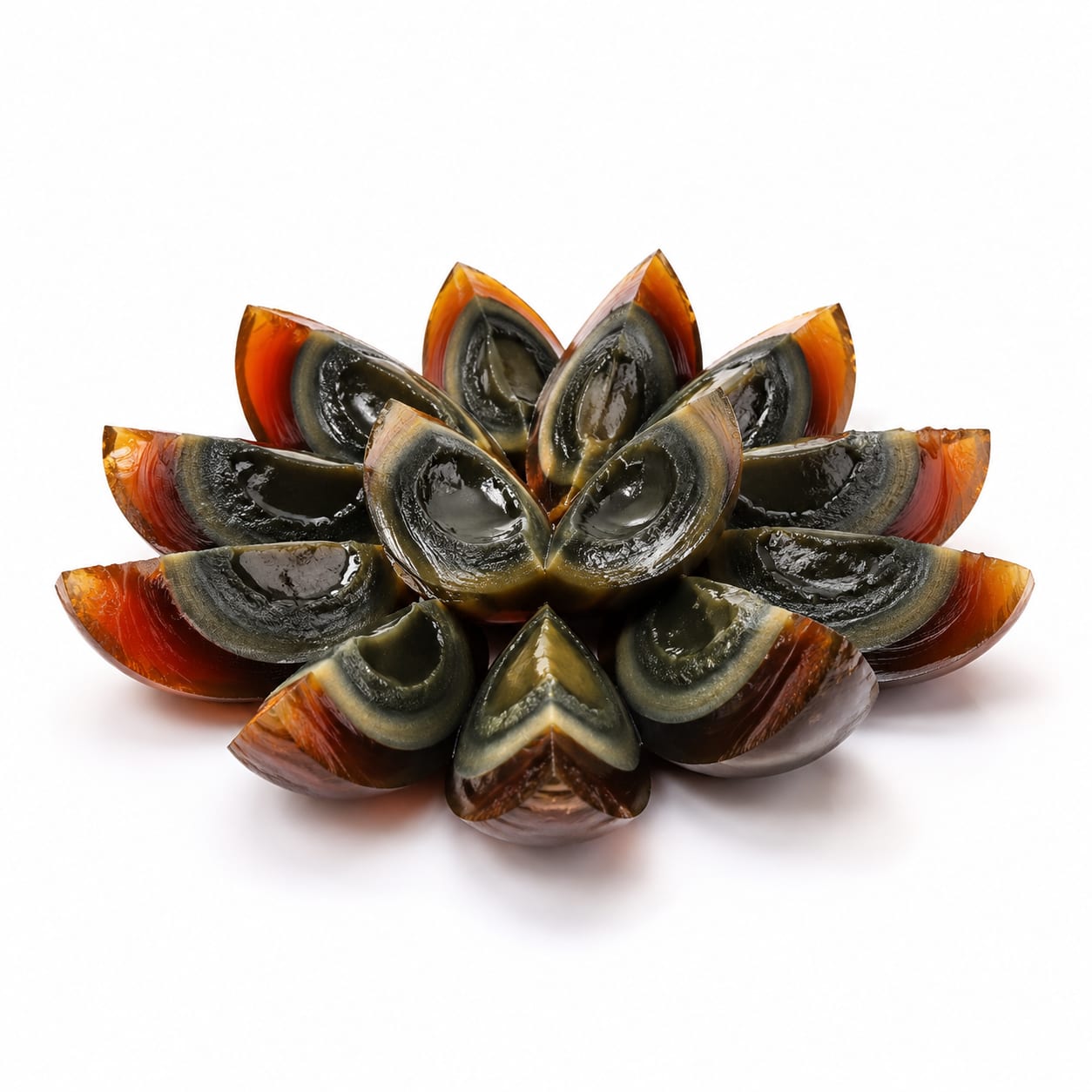
Century Egg
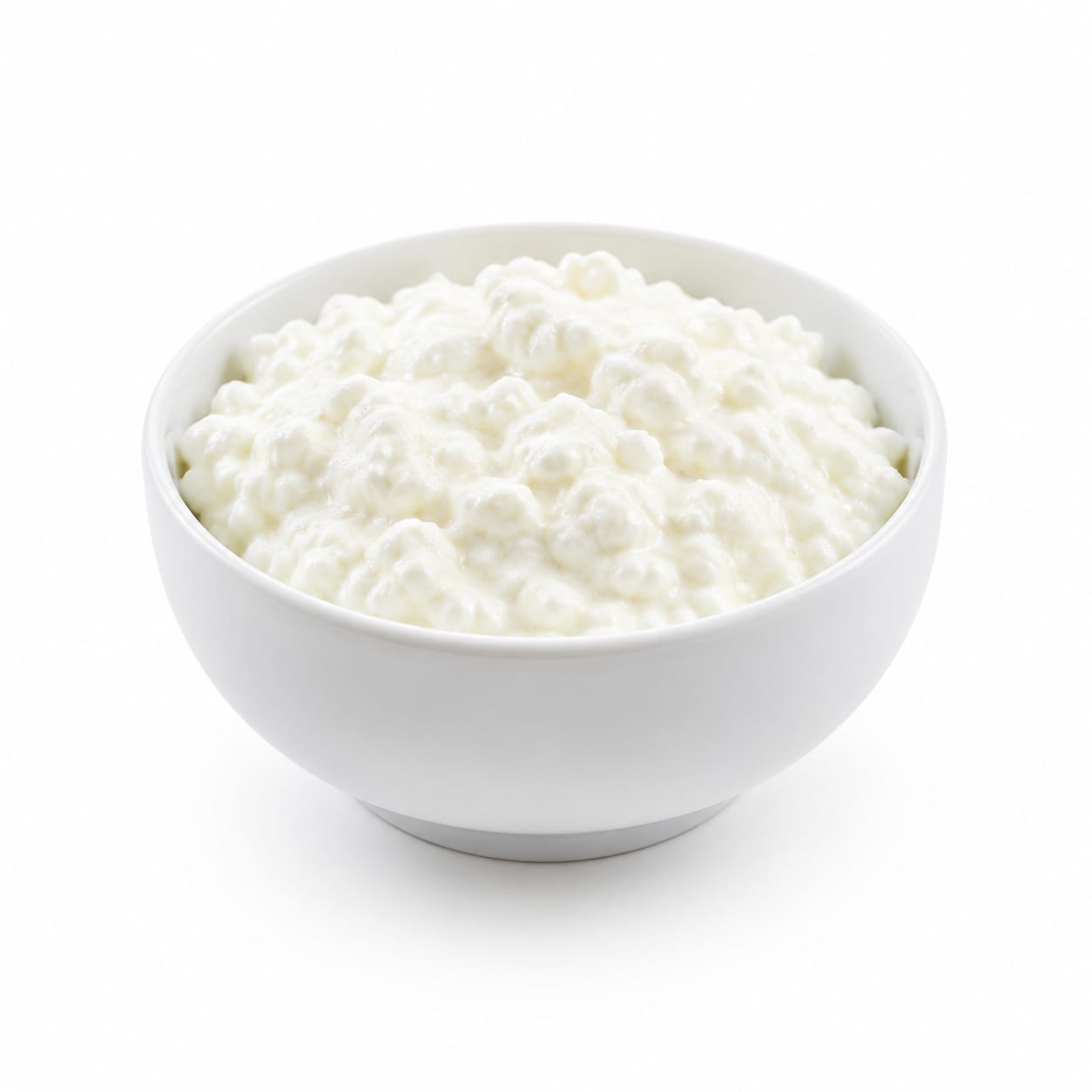
Cottage Cheese
Cottage cheese wins for everyday nutrition with far more protein and versatility, but century egg offers a unique flavor experience in small amounts.
Cottage cheese scores substantially higher due to its strong protein profile, daily usability, and broader safety margin. Century egg is not designed to be a nutritional staple — it is a preserved delicacy with high sodium and limited practical daily value.
Cottage cheese delivers sustained protein and satiety for daily use, while century egg is a high-sodium delicacy best enjoyed occasionally for flavor rather than nutrition.
At a glance
Executive summary
Overall
Cottage Cheese
Healthier
Cottage Cheese
More practical
Cottage Cheese
Daily use
Cottage Cheese
Key comparison lenses
protein quality and satiety for daily eating
Cottage cheese is a protein staple while century egg is eaten in small amounts as a condiment, making protein relevance very different between them
sodium and preservation safety concerns
Century egg is preserved with high sodium and carries historical heavy metal contamination risk, which is a primary consumer worry
digestive tolerance and gut comfort
Cottage cheese causes issues for lactose-sensitive people while century egg's strong fermentation can upset unfamiliar stomachs
weight management and calorie density
These foods sit on opposite ends of the eating pattern spectrum — one is a diet staple, the other a flavor accent
cultural familiarity and everyday practicality
Century egg is unfamiliar and intimidating to many Western consumers while cottage cheese is mainstream but polarizing in texture
Best choice for
Century Egg
- Adventurous eaters seeking bold umami flavor
- Traditional Chinese cuisine enthusiasts
- Those wanting a low-carb flavor enhancer in small portions
Cottage Cheese
- People focused on high-protein diets
- Weight management and satiety seekers
- Post-workout recovery eaters
- Anyone wanting a versatile everyday fridge staple
Least suitable for
Century Egg
- People on low-sodium diets
- Children and pregnant women due to contamination risk
- Anyone unfamiliar or uncomfortable with fermented foods
Cottage Cheese
- Lactose-intolerant individuals
- Dairy-free or vegan eaters
- People who dislike soft lumpy textures
Deep comparison
Dimension by dimension
Each lens scores both foods and breaks down who each option suits.
- Dimension 1 · Priority 95Cottage Cheese
Protein Quality and Satiety
Century Egg · 30Cottage Cheese · 88Cottage cheese provides abundant slow-digesting casein protein that keeps you full for hours. Century egg contains some protein but is eaten in such small quantities that it barely moves the needle.
Tradeoff
You get real hunger satisfaction from cottage cheese as a meal component. Century egg is a garnish, not a protein source.
Why it matters
If you are eating to stay full and fuel your body, cottage cheese does the job. Century egg cannot serve that role no matter how you use it.
Real-world impact
A bowl of cottage cheese after a workout actually helps recovery. A century egg sliced over congee adds flavor but will not satisfy hunger on its own.
Century Egg
- Adding savory depth to a meal without adding many calories
Better for
- Anyone relying on it as a protein source
Worse for
Cottage Cheese
- Staying full between meals
- Muscle recovery after exercise
- Replacing higher-calorie snacks
Better for
- People who cannot tolerate dairy
Worse for
- Dimension 2 · Priority 90Cottage Cheese
Sodium and Blood Pressure Impact
Century Egg · 20Cottage Cheese · 65Century egg is extremely high in sodium due to its preservation process. Cottage cheese contains moderate sodium but far less per typical serving.
Tradeoff
One century egg can deliver a significant portion of your daily sodium limit. Cottage cheese has enough sodium to notice but stays within reasonable bounds.
Why it matters
For anyone watching blood pressure or kidney health, century egg is a challenging choice. The sodium load is intrinsic to how it is made.
Real-world impact
Eating century egg regularly could easily push daily sodium intake over recommended limits. Cottage cheese is manageable with portion awareness.
Century Egg
- No realistic sodium advantage
Better for
- Anyone on a low-sodium medical plan
- People who already eat processed or restaurant foods frequently
Worse for
Cottage Cheese
- People with hypertension
- Those tracking daily sodium intake
- Kidney-conscious eaters
Better for
- Strict low-sodium dieters still need to watch portions
Worse for
- Dimension 3 · Priority 85Cottage Cheese
Safety and Contamination Risk
Century Egg · 35Cottage Cheese · 75Century egg has historical issues with lead contamination from traditional processing methods. Modern production is safer but risks persist in poorly regulated sources. Cottage cheese carries standard dairy risks but is generally well-regulated.
Tradeoff
Cottage cheese safety depends on refrigeration and pasteurization standards. Century egg safety depends heavily on the manufacturer and country of origin.
Why it matters
If you cannot verify the source of your century eggs, you are trusting an opaque supply chain with heavy metal exposure. Cottage cheese from reputable dairies is more transparent.
Real-world impact
Pregnant women and children should avoid century egg unless the source is verified lead-free. Cottage cheese from pasteurized milk is widely considered safe for most people.
Century Egg
- No meaningful safety advantage over cottage cheese
Better for
- Unverified or traditionally processed century eggs
- Frequent consumption by vulnerable populations
Worse for
Cottage Cheese
- Pregnant women seeking safe protein
- Parents feeding children
- Anyone concerned about heavy metal exposure
Better for
- Immunocompromised individuals with unpasteurized versions
Worse for
- Dimension 4 · Priority 78It depends
Digestive Tolerance
Century Egg · 50Cottage Cheese · 55Both foods can cause digestive issues but for different populations. Cottage cheese troubles the lactose-sensitive. Century egg can upset stomachs unaccustomed to fermented preserved foods.
Tradeoff
If you are lactose intolerant, cottage cheese is a problem. If you have a sensitive stomach and are new to century egg, the strong fermentation can cause discomfort.
Why it matters
Neither food is universally easy on digestion. Your personal tolerance depends on your body and your cultural familiarity.
Real-world impact
A lactose-intolerant person will feel bloated after cottage cheese. An uninitiated eater might find century egg nauseating. Both are real issues.
Century Egg
- Lactose-intolerant individuals who still want a savory protein snack
- People accustomed to fermented foods
Better for
- People unaccustomed to fermented or preserved egg flavors
- Those with delicate digestion
Worse for
Cottage Cheese
- People with dairy tolerance looking for gentle protein
- Those with sensitive stomachs who avoid strong fermented flavors
Better for
- Lactose-intolerant or dairy-sensitive individuals
Worse for
- Dimension 5 · Priority 82Cottage Cheese
Versatility and Everyday Practicality
Century Egg · 25Cottage Cheese · 85Cottage cheese works at breakfast, as a snack, in smoothies, on toast, or in recipes. Century egg is limited to specific dishes and cuisines.
Tradeoff
Cottage cheese adapts to sweet and savory contexts across many meals. Century egg is a specialty ingredient with a narrow culinary role.
Why it matters
A food you can eat multiple ways is easier to keep in your routine. Century egg will sit in your fridge unless you plan specific dishes.
Real-world impact
You can grab cottage cheese on a busy morning with zero prep. Century egg requires planning, pairing, and usually a recipe to shine.
Century Egg
- Elevating specific traditional dishes with complex umami
- Impressing food-adventurous guests
Better for
- Spontaneous snacking
- Quick meal assembly
Worse for
Cottage Cheese
- Quick breakfasts with no cooking
- Post-gym snacks straight from the container
- Meal prep ingredient that works in many recipes
Better for
- Culinary traditions that do not use dairy
Worse for
- Dimension 6 · Priority 76Cottage Cheese
Calorie Density and Weight Management
Century Egg · 45Cottage Cheese · 78Cottage cheese in its low-fat form provides high protein with relatively few calories. Century egg is calorie-dense for its small serving size and does not provide lasting fullness.
Tradeoff
You can eat a generous portion of cottage cheese and feel satisfied without overconsuming calories. Century egg is calorie-efficient only because you eat very little, but it will not fill you up.
Why it matters
For sustainable weight management, volume and satiety matter more than calorie density alone. Cottage cheese delivers both.
Real-world impact
A cup of low-fat cottage cheese is a filling meal under 200 calories. A century egg is 120 calories of food that leaves you hungry.
Century Egg
- Adding flavor to low-calorie dishes without much volume
Better for
- Anyone eating for fullness on a calorie budget
Worse for
Cottage Cheese
- Replacing higher-calorie meals with something filling
- Late-night snacking without guilt
- Maintaining calorie deficit while staying satisfied
Better for
- Full-fat versions can be deceptively calorie-dense
Worse for
Timeline
Health impact over time
Short-term
Hours to days
Century Egg
- High sodium intake may cause bloating and thirst
- Strong flavor can trigger nausea in unaccustomed eaters
- Alkaline preservation compounds may cause mild stomach discomfort initially
Cottage Cheese
- Casein protein provides steady amino acid release for hours
- Lactose-sensitive individuals may experience gas and bloating
- Mild sodium content may cause slight water retention
Long-term
Months to years
Century Egg
- Regular consumption increases risk of hypertension due to sodium load
- Potential heavy metal accumulation if source is not verified
- Occasional consumption as a condiment poses minimal long-term risk
Cottage Cheese
- Consistent intake supports muscle maintenance and bone density
- Regular dairy consumption associated with lower type 2 diabetes risk in some studies
- Daily high intake may contribute excessive sodium if portions are large
Risk profile
Safety & processing
Century egg undergoes weeks of chemical preservation using salt, alkali, and sometimes lead-based compounds in traditional methods. Cottage cheese is made by curdling milk with minimal intervention. Cottage cheese is closer to a whole food while century egg is a preservation product by definition.
Century Egg
Lead contamination
mediumTraditional processing uses lead oxide to speed curing. Modern regulated production avoids this, but unverified sources may still contain concerning lead levels, especially for children.
High sodium preservation
highThe curing process requires heavy salting. A single egg can contain over 400mg of sodium, which is a significant portion of daily limits.
Bacterial contamination from improper curing
lowIf the preservation process is incomplete or storage conditions are poor, harmful bacteria can develop. Properly cured century eggs are shelf-stable.
Cottage Cheese
Listeria from unpasteurized versions
mediumCottage cheese made from unpasteurized milk carries listeria risk. Most commercial versions use pasteurized milk and are safe.
Spoilage from improper refrigeration
mediumCottage cheese spoils quickly once opened. Consuming spoiled cottage cheese can cause foodborne illness.
Dairy allergy reactions
highFor individuals with true dairy allergy, cottage cheese can trigger serious allergic responses including anaphylaxis.
Who wins for whom
Audience fit
Same foods, different winners depending on your goal.
children
Cottage CheeseCottage cheese is a safe, protein-rich food for kids. Century egg should be avoided for children due to lead contamination risk and its challenging flavor.
daily consumption
Cottage CheeseCottage cheese is designed for daily eating with a strong nutritional profile. Century egg is a preserved delicacy meant for occasional enjoyment, not daily use.
diabetes
Cottage CheeseCottage cheese has minimal impact on blood sugar and provides steady energy. Century egg is low-carb but its high sodium worsens hypertension risk, which commonly accompanies diabetes.
elderly
Cottage CheeseOlder adults benefit from cottage cheese's protein for preventing muscle loss and its calcium for bone health. Century egg's sodium is particularly risky for age-related blood pressure concerns.
muscle gain
Cottage CheeseCottage cheese delivers slow-digesting casein protein ideal for muscle repair, especially overnight. Century egg lacks the protein volume needed for muscle building.
weight loss
Cottage CheeseLow-fat cottage cheese provides high protein and satiety with controlled calories. Century egg cannot serve as a weight loss food due to its sodium load and lack of filling power.
Your move
Decision guide
Choose Century Egg
- You are preparing traditional Chinese dishes like congee or tofu with century egg
- You want an intense umami flavor accent and understand the sodium tradeoff
- You can verify the source uses lead-free modern processing methods
- You treat it as an occasional delicacy, not a daily food
Choose Cottage Cheese
- You want a high-protein food that keeps you full for hours
- You need a versatile fridge staple for breakfasts, snacks, or recipes
- You are managing your weight, building muscle, or watching blood sugar
- You want something safe and practical for daily eating
Either works if
- You are simply looking for a low-carb food option
- You enjoy exploring different protein sources in moderation
Avoid both if
- You are on a strict low-sodium diet and cannot accommodate either food's salt content
- You have both dairy intolerance and sensitivity to preserved fermented foods
Final recommendation
Keep cottage cheese as your everyday protein source. Enjoy century egg occasionally as a cultural delicacy when you can verify its quality. They serve completely different purposes — one fuels your body, the other excites your palate.
Practical
Consumer tips
- 1
Choose low-fat or 2% cottage cheese for the best protein-to-calorie ratio
- 2
If buying century eggs, look for brands that explicitly state lead-free processing
- 3
Rinse century egg before peeling to remove surface residue from the preservation coating
- 4
Pair cottage cheese with fruit or nuts for a more complete snack
- 5
Limit century egg to once per week or less if you are watching sodium
- 6
Check cottage cheese expiration dates carefully — it spoils faster than most realize
- 7
If lactose is an issue, try lactose-free cottage cheese which is now widely available