
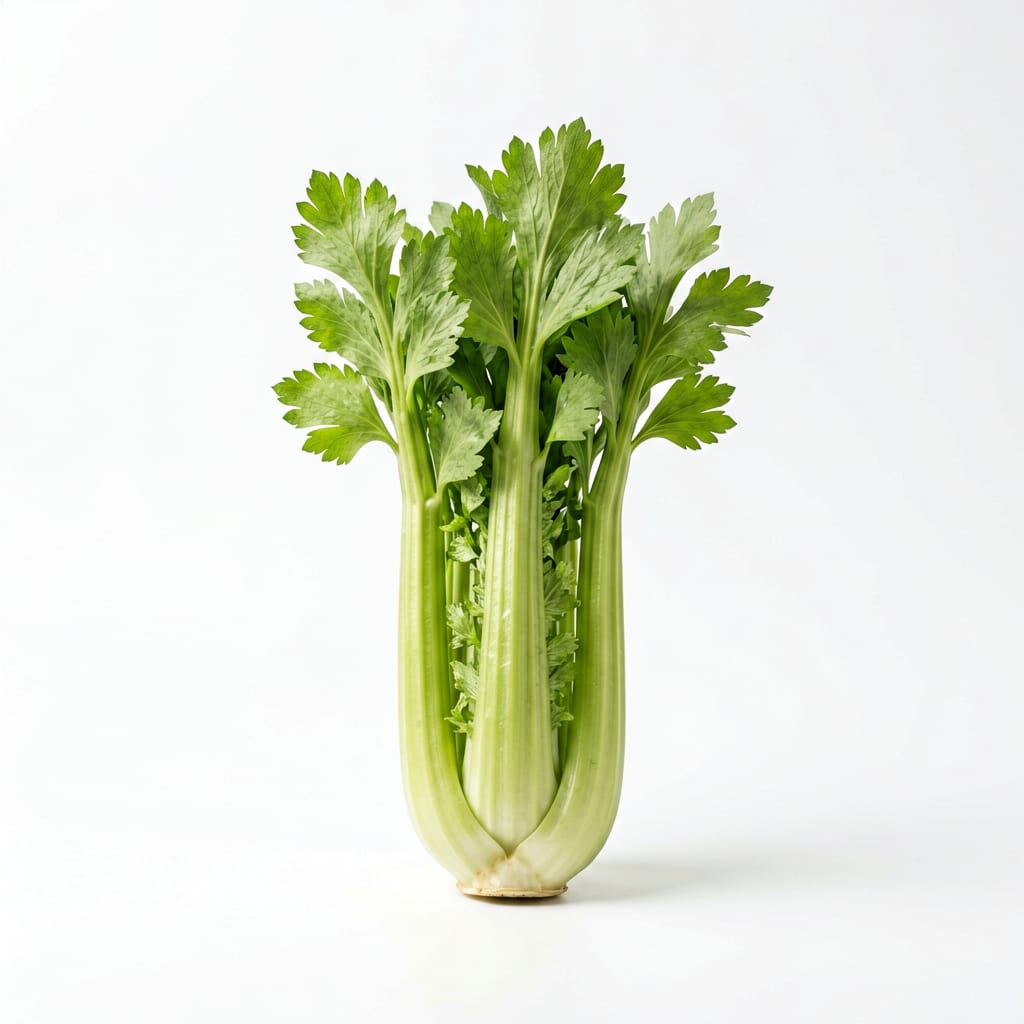
Vegetable
Celery
Celery is a crunchy, water-rich vegetable known for its extremely low calorie content and high fiber, often used as a hydrating snack or low-carb diet staple.
A marshland plant grown as a vegetable since antiquity, celery is known for its long, fibrous green stalks, high water content, and distinct crunch. It is widely consumed raw or cooked and is a staple in low-calorie diets.
high-volume low-calorie vegetable
Typical serving · 110g
Common varieties · Pascal, Golden, Self-Blanching, Leaf Celery, Celeriac
Overall context score across nutrition, safety, and diet fit
At a glance
Quick facts
Simple indicators based on nutrition, processing, and diet fit.
The story
What makes it unique
Celery is composed of roughly 95% water, resulting in very low energy density and slow digestion due to its rigid, insoluble fiber structure. It provides minimal macronutrients but offers high physical satiety per calorie. As a minimally processed whole food, it retains its natural cellular structure and micronutrient profile.
Varieties: Pascal · Golden · Self-Blanching · Leaf Celery · Celeriac
Per 100g
Nutrition breakdown
Macro balance and key metrics at a glance.
Energy
Density 0.16 kcal/g
Protein
Carbs
Fat
Fiber
Sugar
1.3 g
Sodium
80 mg
Potassium
260 mg
Glycemic index
15
Glycemic load
1
Water content
95%
Standout compounds
Nutrient highlights
Vitamin K
highEssential for blood clotting and bone metabolism.
Potassium
moderateSupports healthy blood pressure and fluid balance.
Insoluble Fiber
moderatePromotes digestive regularity and adds bulk to stool.
Water
highMaintains hydration and contributes to low energy density.
Wellness map
Health scores & processing
NOVA processing scale
Minimally processed · Whole food
Raw celery is an unprocessed whole food. Processing is limited to washing and cutting.
Diet compatibility
- Weight loss
- Muscle gain
- Diabetes
- Gut health
- Low carb
- High protein
- Heart health
Relative standing
Food rankings
Qualitative ranks compared to similar whole foods.
- Satietygood
- Blood sugarexcellent
- Nutrient densitymoderate
- Fitness fuelpoor
- Processing qualityexcellent
Eat with confidence
Food safety profile
Celery's porous structure can trap pesticides and soil microbes. Thorough washing is recommended. Conventional celery often tests positive for multiple pesticide residues.
Evidence confidence 90%
- Pesticidesmoderate
- Antibioticslow
- Heavy metalslow
- Contaminationlow
Watch for
- pesticide residues
- soil-borne bacteria
Safer choices
Organic celery significantly reduces pesticide exposure risk.
Prep tips
Separate stalks and wash thoroughly under running water, scrubbing the base where soil accumulates. Soaking in a baking soda solution can help remove surface pesticides.
Frequently appears on the EWG Dirty Dozen list due to pesticide residue detection.
Deep dive
Health analysis
How this food may fit different goals and preparation choices.
Weight loss
Exceptional for weight loss due to extremely low energy density; the physical volume and crunch promote fullness without caloric cost.
Blood sugar
Virtually no impact on blood sugar due to low carbohydrates and high water content, making it safe for diabetic diets.
Fitness & energy
Not a meaningful fuel source for exercise due to negligible calorie and carbohydrate content, but useful for hydration and electrolyte replacement.
Gut health
Insoluble fiber adds bulk to stool and promotes regular bowel movements, though it lacks the prebiotic diversity found in other vegetables.
Processing quality
Whole, unprocessed food retaining all natural enzymes, fiber, and cellular integrity.
Food safety
Pesticide exposure is the primary concern; choosing organic mitigates this risk effectively.
Common mistakes
Pairing with excessive high-calorie dips (like peanut butter or ranch) negates its low-calorie advantage. Juicing removes beneficial fiber.
Best preparation
Raw for maximum crunch and fiber integrity, or lightly steamed if digesting raw fiber is difficult.
Practical guide
Best use cases
When and how this food fits real eating patterns.
Low-calorie snacking
Provides crunch and volume to satisfy the urge to snack without adding significant calories.
Hydration booster
With 95% water content, it helps maintain hydration, especially in hot weather or during light activity.
Soup and stew base
A foundational aromatic vegetable that adds flavor depth and micronutrients without high calories or carbs.
Volumetric diet meals
Chop into salads or stir-fries to physically enlarge the meal portion size without increasing energy density.
Balance sheet
Pros & cons
Upsides
- Extremely low in calories
- High water content promotes hydration
- Very low glycemic impact
- Good source of insoluble fiber for digestion
- Provides satisfying crunch for snacking
- Contains beneficial antioxidants like flavonoids
Trade-offs
- Not a significant source of macronutrients or energy
- Porous structure traps pesticides, requiring thorough washing
- Relatively high sodium compared to other raw vegetables
- Can cause bloating if consumed in massive quantities due to fiber
- Juicing removes most of the beneficial fiber
Fit check
Who is it for?
Great match
- high-volume eating
- weight loss diets
- low-carb snacking
- blood sugar management
- electrolyte hydration
Consider alternatives
- post-workout recovery
- muscle gain diets
- strict low-sodium diets
- high-calorie bulking phases
Side by side
How it compares
Open the full head-to-head analysis for nutrition, safety, and practical tradeoffs.
This food
Celery
VS90% alike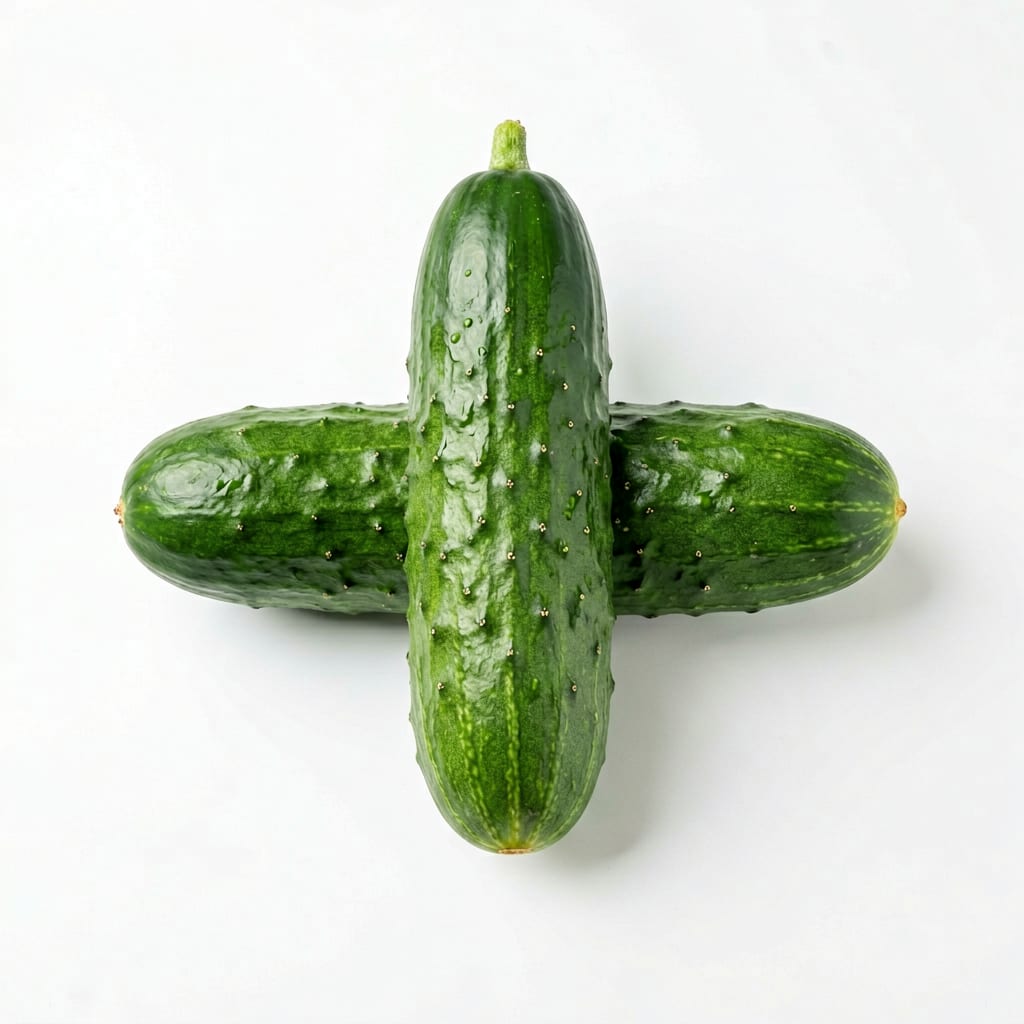
Compare with
Cucumber
Cucumbers are slightly lower in sodium and carbohydrates, while celery offers more fiber and vitamin K.
Cucumbers are lower in sodium and carbs, while celery provides more fiber and a stronger crunch for snacking.
This food
Celery
VS85% alike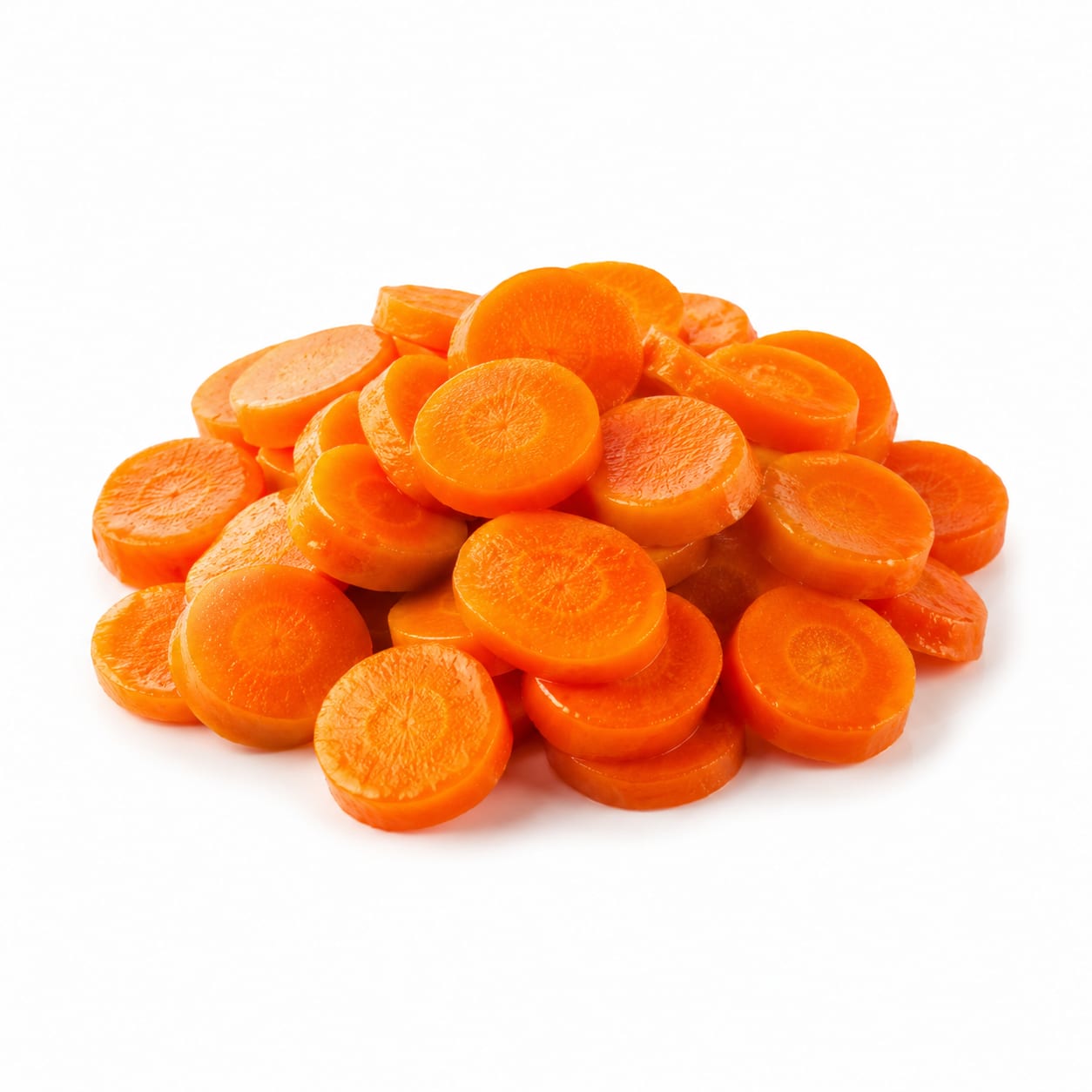
Compare with
Carrots
Carrots are sweeter and higher in beta-carotene and sugar, while celery is lower in calories and carbohydrates.
Carrots provide more natural sugar and vitamin A, while celery is lower in calories and better for strict low-carb diets.
This food
Celery
VS75% alike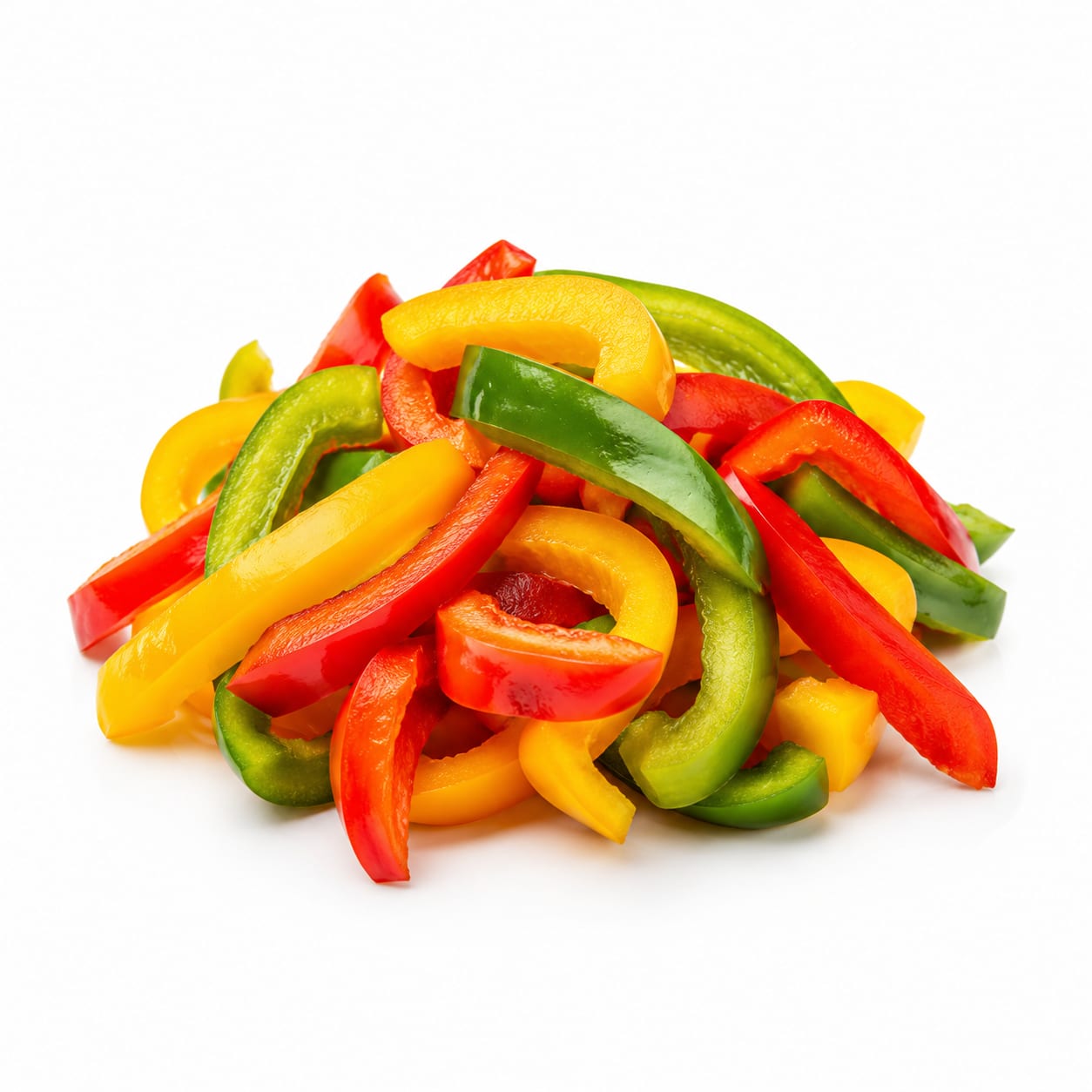
Compare with
Bell Peppers
Bell peppers are significantly higher in vitamin C and sugar, while celery is much lower in calories.
Bell peppers offer far more vitamin C and sweetness, while celery is strictly a low-calorie, low-sugar crunch option.
This food
Celery
VS70% alike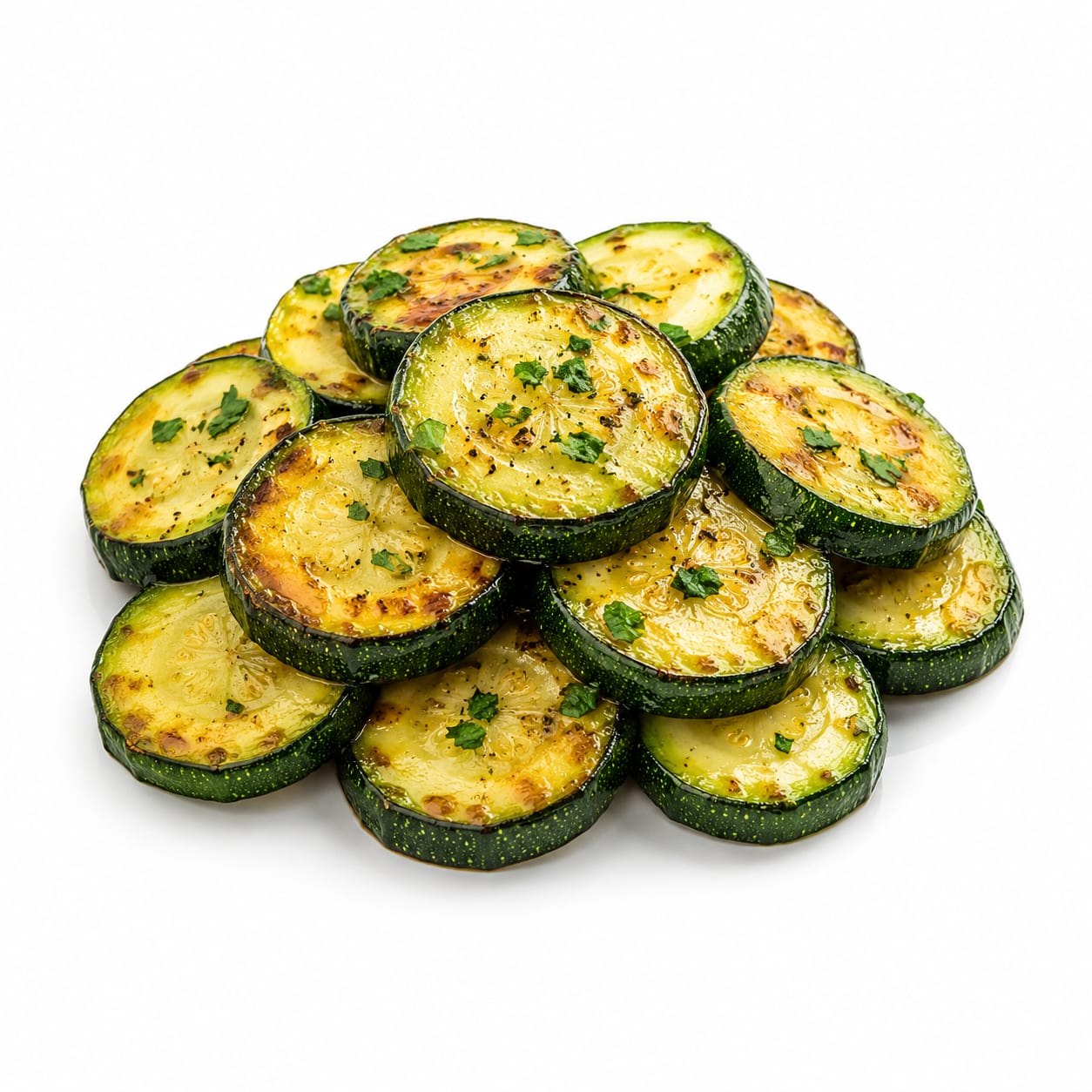
Compare with
Zucchini
Zucchini offers more vitamin C and versatility in cooking, while celery is lower in calories and better for raw snacking.
Zucchini is more versatile for cooking and higher in vitamin C, while celery is lower in calories and ideal for raw snacking.
This food
Celery
VS65% alike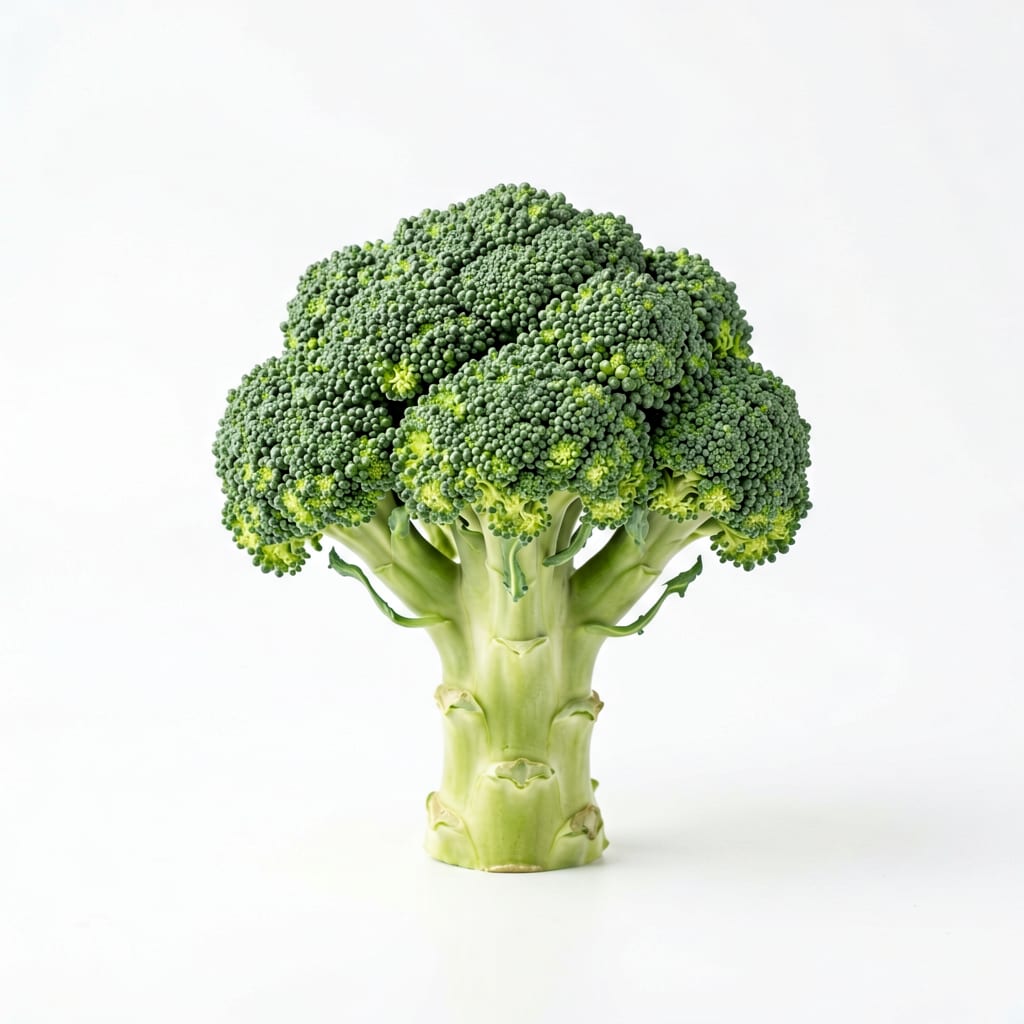
Compare with
Broccoli
Broccoli is a nutritional powerhouse with much more protein, fiber, and vitamin C, while celery is strictly a low-calorie hydration source.
Broccoli provides far more protein, vitamin C, and overall nutrients, while celery serves primarily as a low-calorie, high-volume filler.
This food
Celery
VS80% alike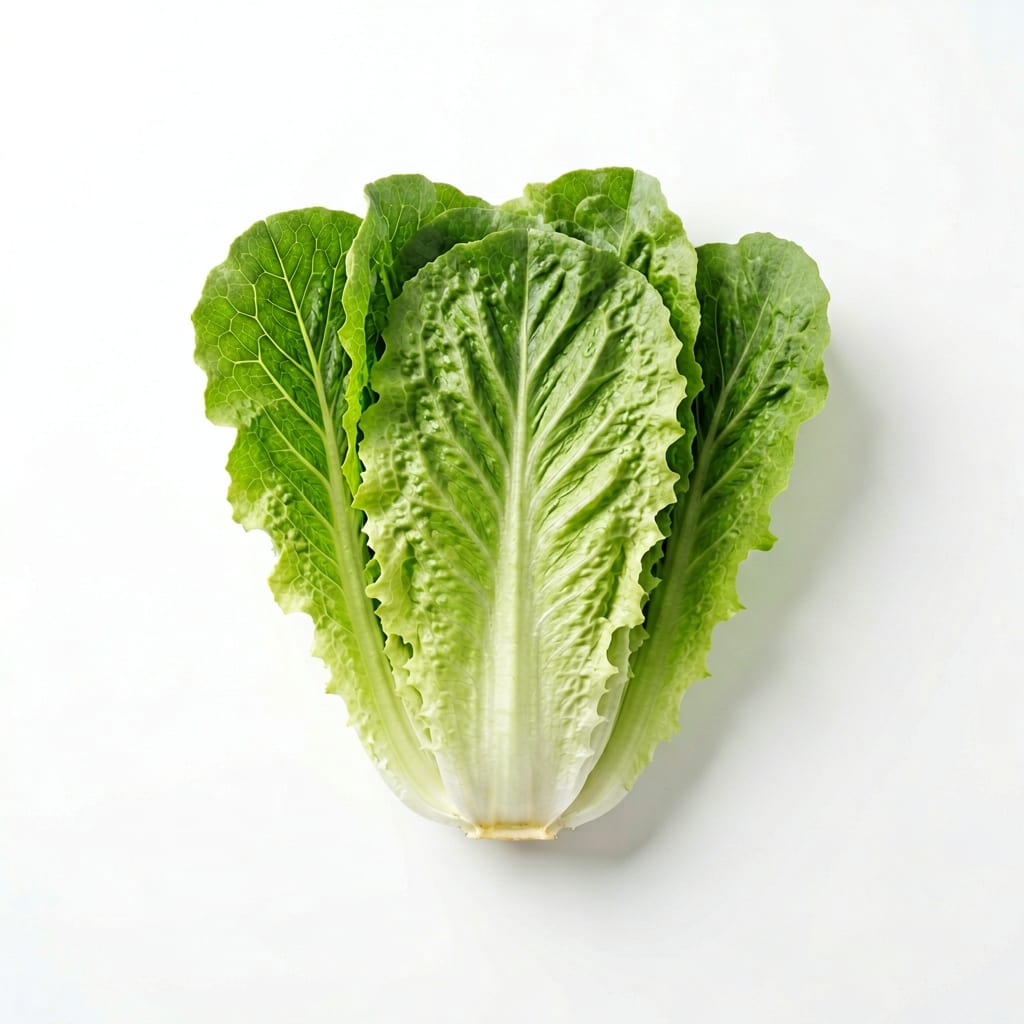
Compare with
Romaine Lettuce
Romaine lettuce is lower in sodium and higher in folate, while celery provides a crunchier texture and slightly more fiber.
Romaine is lower in sodium and richer in folate, while celery offers more fiber and a satisfying crunch.
This food
Celery
VS75% alike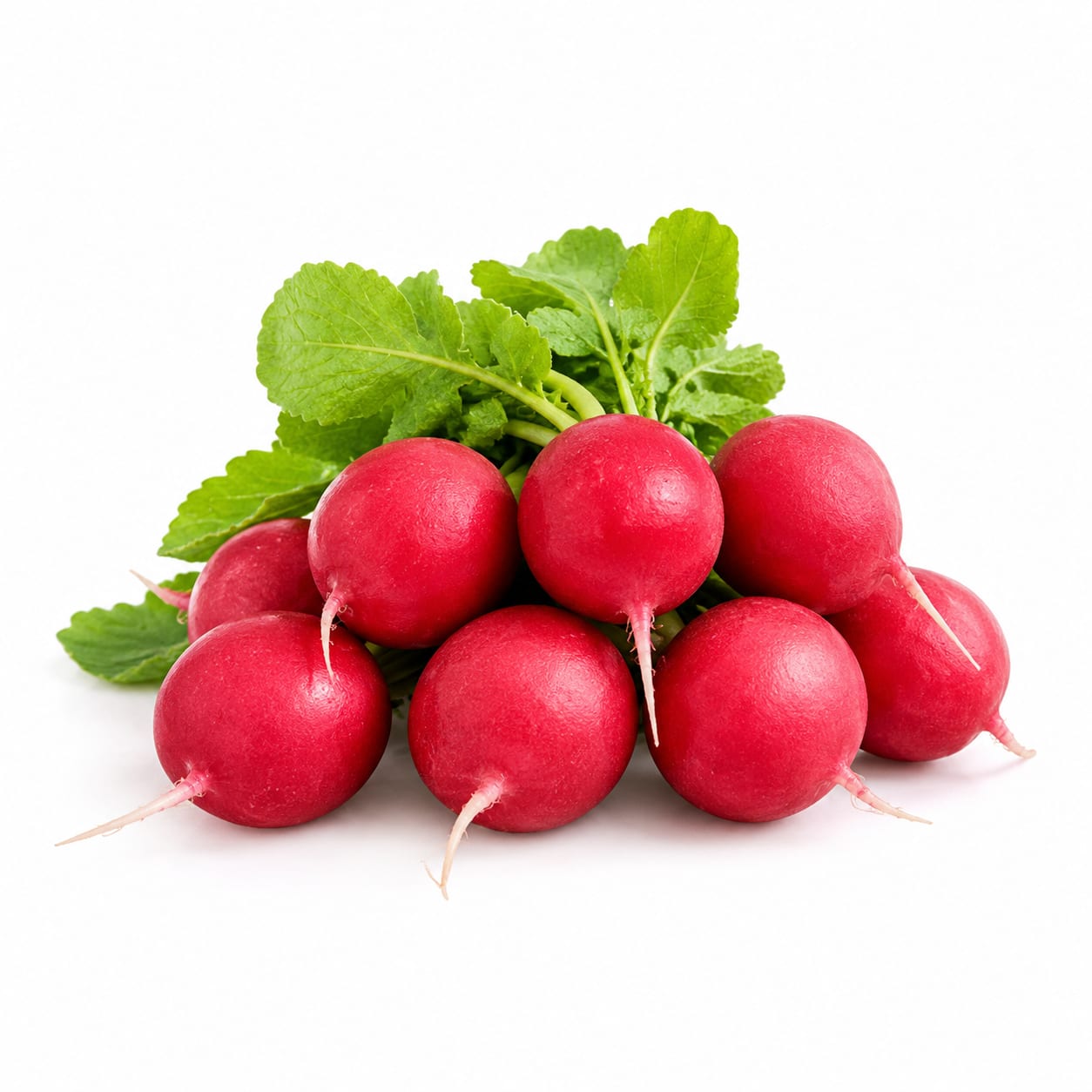
Compare with
Radishes
Radishes provide a peppery flavor and more vitamin C, while celery offers a milder taste and higher water volume for snacking.
Radishes deliver more vitamin C and a spicy kick, while celery provides milder flavor and higher water content for hydration.
This food
Celery
VS60% alike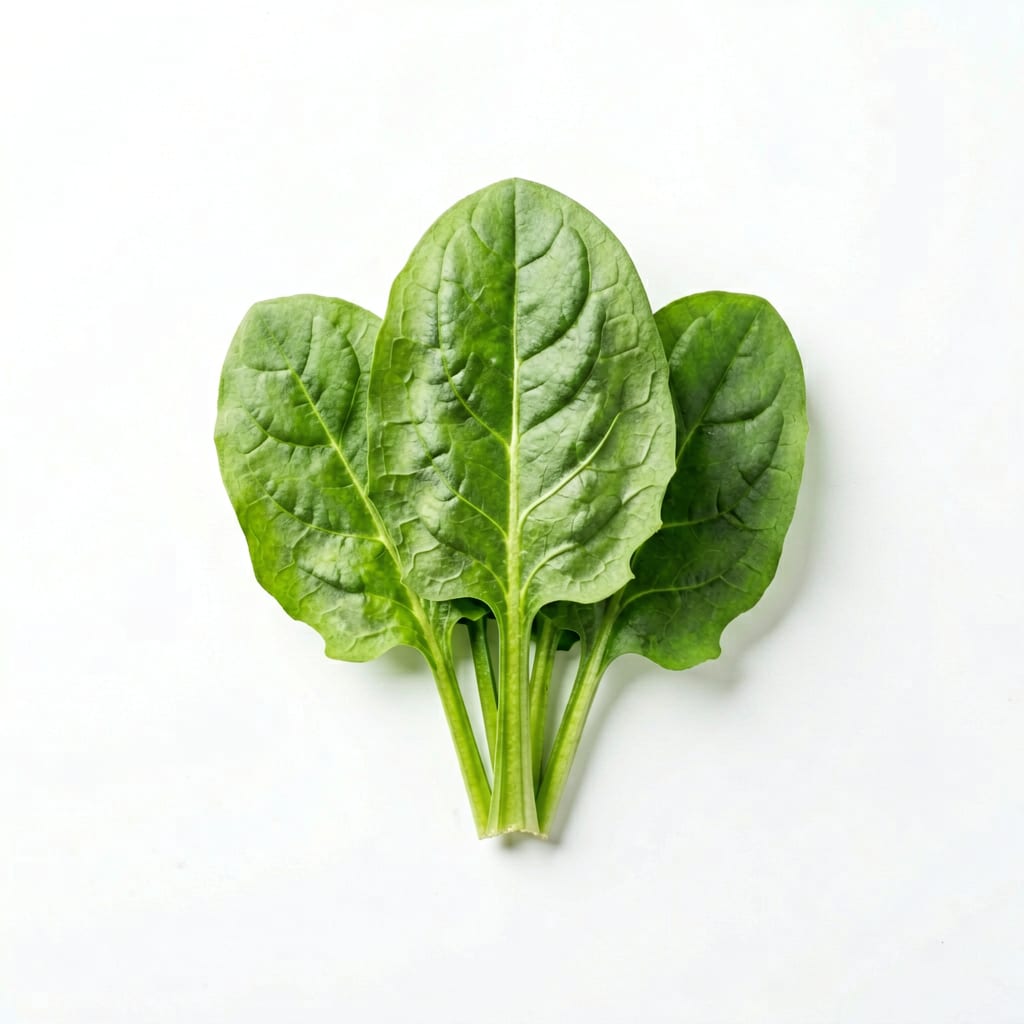
Compare with
Spinach
Spinach is far richer in iron, folate, and protein, while celery serves primarily as a low-calorie, high-volume filler.
Spinach is vastly superior in iron, protein, and vitamins, while celery is mainly a low-calorie snack for volume eaters.
This food
Celery
VS60% alike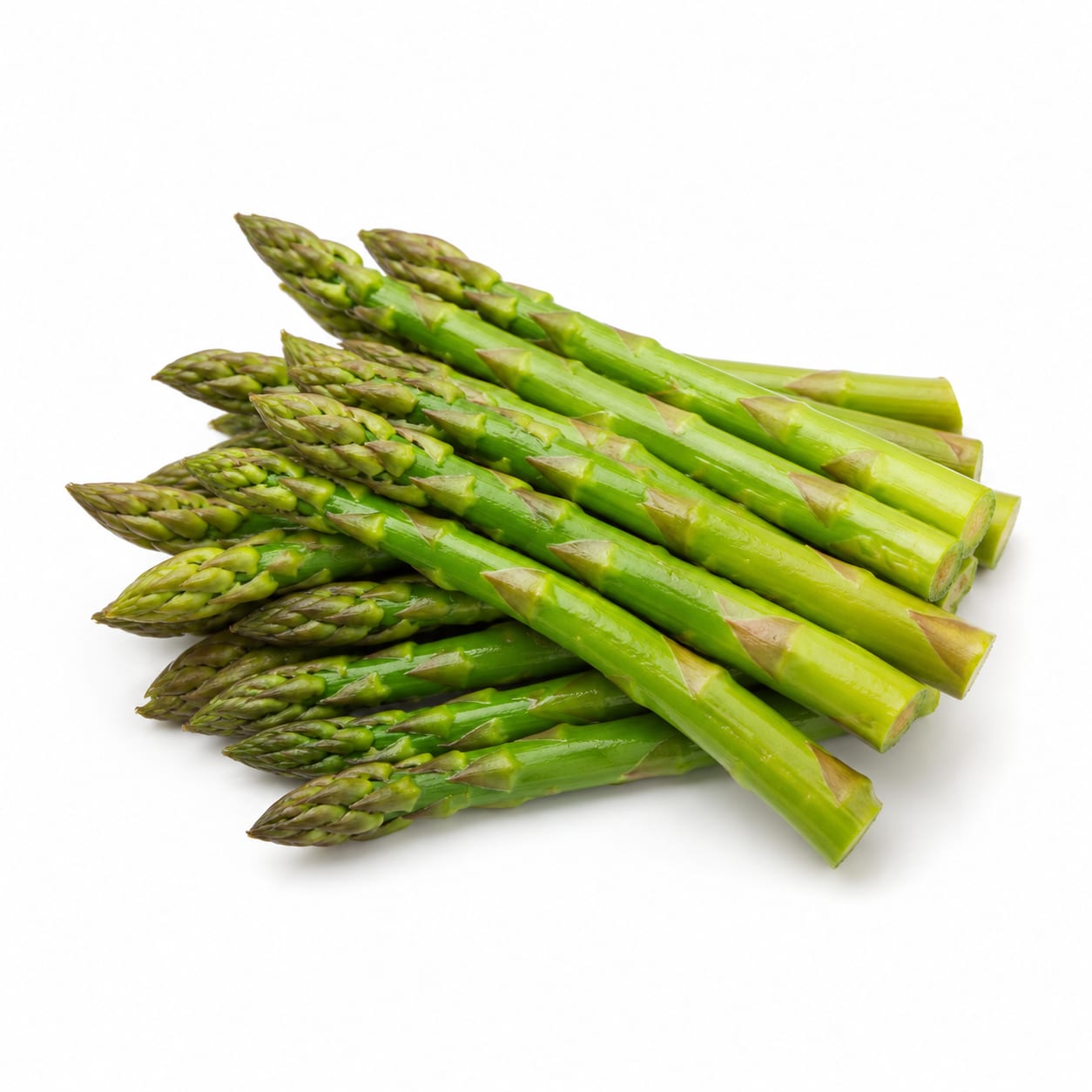
Compare with
Asparagus
Asparagus is much higher in folate and protein, while celery is significantly lower in calories and easier to eat raw in large volumes.
Asparagus offers more folate and protein, while celery is lower in calories and more convenient for raw snacking.
This food
Celery
VS65% alike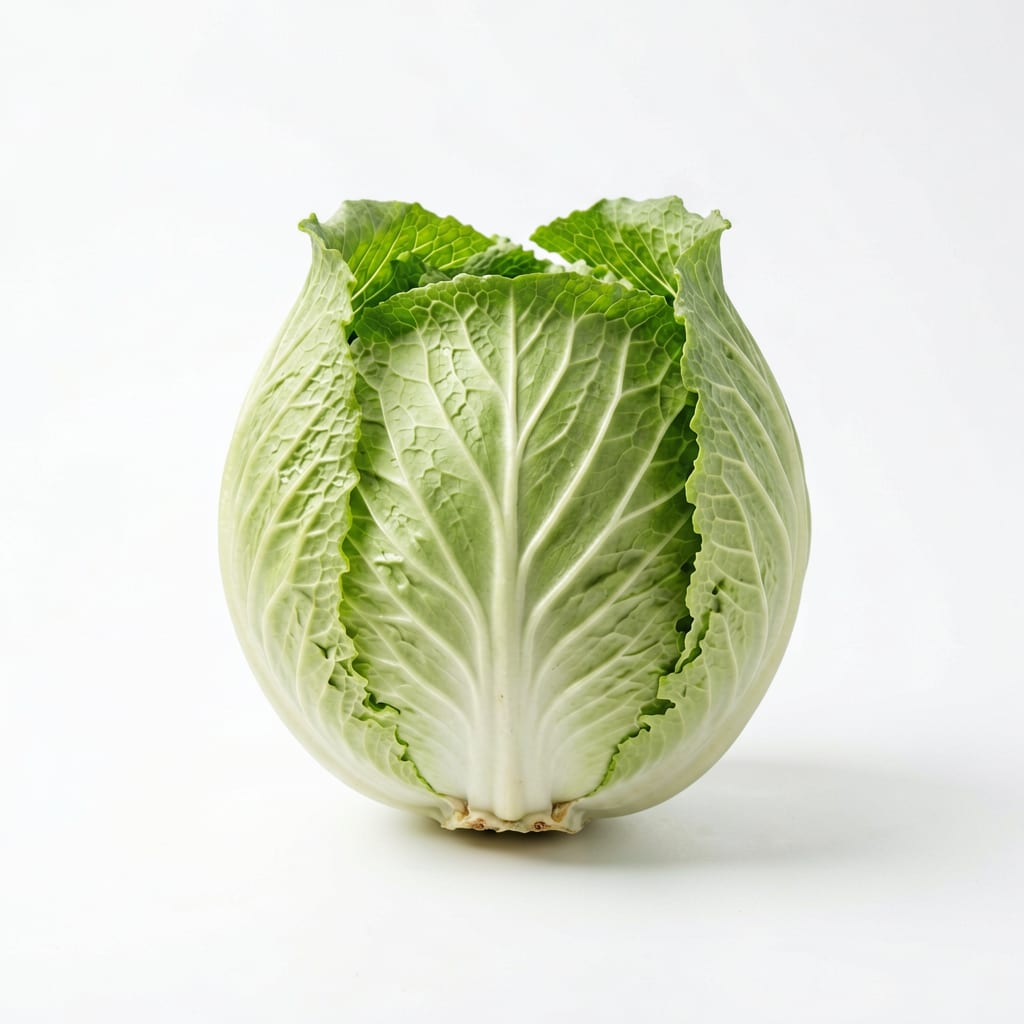
Compare with
Cabbage
Cabbage provides more vitamin C and gut-healing compounds, while celery is lower in calories and easier to eat raw in large volumes.
Cabbage is richer in vitamin C and beneficial compounds, while celery is lower in calories and ideal for quick raw snacking.
Common questions
FAQ
Answers aligned with how people search for this food.
Are there negative calories in celery?
No, celery is not a negative calorie food. While digesting it does burn calories, the thermic effect is not greater than the 16 calories provided per 100g. It is still an extremely low-calorie choice.
Is celery good for weight loss?
Yes, celery is excellent for weight loss. Its high water and fiber content provide physical fullness and crunch for very few calories, helping to manage overall caloric intake.
Can diabetics eat celery?
Yes, celery is highly recommended for diabetics. It has a glycemic index of 15 and a glycemic load of 1, meaning it will not spike blood sugar levels.
Is celery high in sodium for a vegetable?
Yes, relative to other fresh vegetables, celery has a higher sodium content (about 80mg per 100g). However, this is still low compared to processed foods and can actually benefit electrolyte balance.
Does celery help with digestion?
Yes, the insoluble fiber in celery adds bulk to stool and helps food move through the digestive tract more efficiently, promoting regularity.
Is celery juice healthier than whole celery?
No, juicing celery strips away the beneficial insoluble fiber that aids digestion and satiety. Whole celery provides the complete nutritional package and better blood sugar regulation.
Why is celery on the dirty dozen list?
Celery frequently tests positive for multiple pesticide residues due to its porous, cupped stalks that trap chemicals. Buying organic is recommended to reduce exposure.
What is the best way to store celery?
Store celery wrapped tightly in aluminum foil in the crisper drawer. This allows it to breathe while retaining moisture, keeping it crisp for weeks.
Transparency
Data confidence
Estimated confidence for nutrition data, interpretation, safety notes, and comparisons.
Nutrition data
Health analysis
Food safety
Comparisons