
Nutrition comparison
Celery vs Carrots: Nutrition, Weight Loss, and Health Comparison
Compare Celery vs Carrots for weight loss, vitamins, and snacking. Find out which is better for keto, diabetes, and daily nutrition.
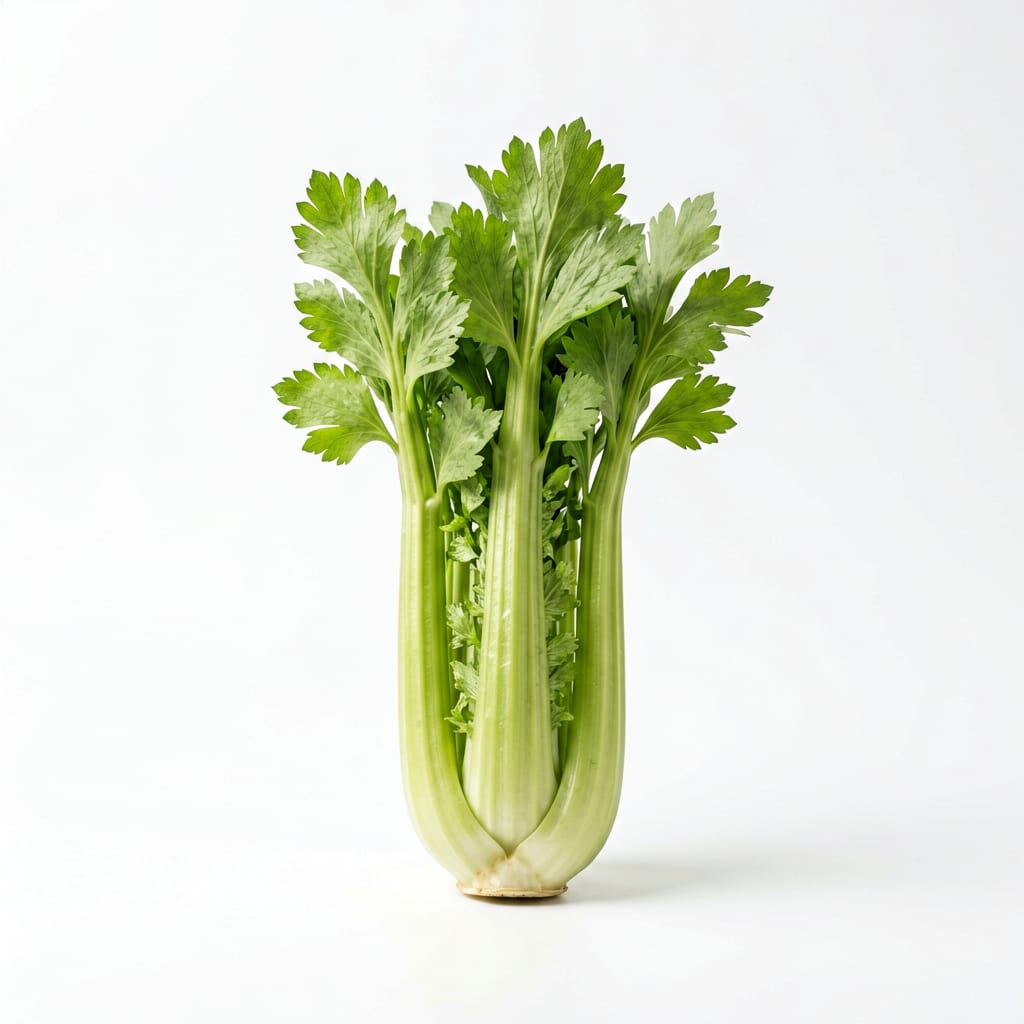
Celery
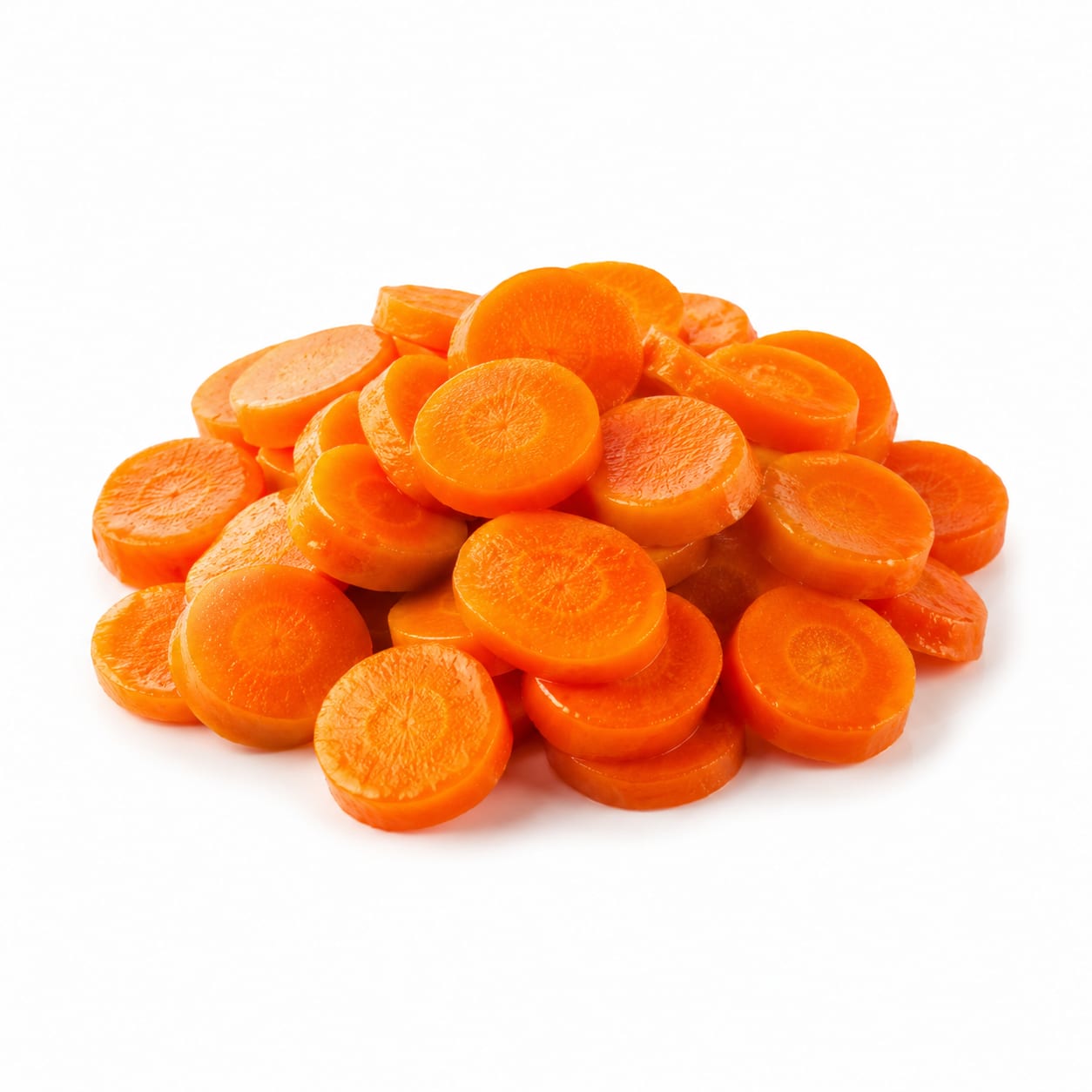
Carrots
Carrots deliver far more nutrients and sustained energy, while Celery is the ultimate virtually-zero-calorie crunch.
Carrots score higher due to significantly better nutrient density and satiety, though Celery remains a top-tier low-calorie option.
You trade substantial vitamins and natural sweetness for fewer calories and a milder flavor.
At a glance
Executive summary
Overall
It depends
Healthier
Carrots
More practical
Carrots
Daily use
Carrots
Key comparison lenses
Low-calorie snacking and weight management
Celery and Carrots are classic diet snacks, often compared for their crunch and calorie counts.
Nutrient density and vitamin intake
Carrots offer massive Vitamin A, while Celery provides unique antioxidants like apigenin.
Blood sugar management
Users often wonder which vegetable is safer for blood sugar due to Carrot's natural sweetness.
Best choice for
Celery
- Strict calorie counters
- People seeking pure hydration and crunch
- Low-sugar diets
Carrots
- Vitamin A deficiency prevention
- People needing sustained energy
- Kids who need appealing snacks
Least suitable for
Celery
- Those needing dense nutrition in small portions
- People with jaw issues from tough stringy textures
Carrots
- Strict zero-carb dieters
- People highly sensitive to even small sugar spikes
Deep comparison
Dimension by dimension
Each lens scores both foods and breaks down who each option suits.
- Dimension 1 · Priority 90Carrots
Nutrient Density & Vitamin Intake
Celery · 40Carrots · 95Carrots are a nutritional powerhouse loaded with beta-carotene, while Celery offers mostly water and trace minerals.
Tradeoff
You sacrifice massive Vitamin A benefits if you choose Celery over Carrots.
Why it matters
Vitamin A is critical for eye health and immune function, and Carrots are one of the best sources.
Real-world impact
Eating Carrots regularly can visibly improve skin glow and night vision; Celery won't move the needle much on vitamins.
Celery
- Low-calorie volume eaters
Better for
- Correcting vitamin deficiencies
Worse for
Carrots
- Eye health
- Immune support
- Skin health
Better for
- Ultra-low carb diets
Worse for
- Dimension 2 · Priority 85Carrots
Satiety & Snacking Satisfaction
Celery · 50Carrots · 80Carrots provide more substance and natural sweetness, keeping you fuller longer than the watery crunch of Celery.
Tradeoff
Celery fills your stomach with water volume but digests quickly, leaving you hungry again fast.
Why it matters
A snack that actually satisfies prevents overeating later in the day.
Real-world impact
A handful of baby Carrots curbs afternoon hunger; a bowl of Celery often just makes you want something else right after.
Celery
- Mindless munching without calorie guilt
Better for
- Staying full between meals
Worse for
Carrots
- Bridging meals without crashing
- Post-workout light refueling
Better for
- Eating massive volumes on a cut
Worse for
- Dimension 3 · Priority 80Celery
Blood Sugar & Low-Carb Friendliness
Celery · 95Carrots · 70Celery has almost zero digestible carbs, making it safer for blood sugar, while Carrots bring a small but real sugar load.
Tradeoff
Choosing Celery guarantees zero blood sugar disruption, but you miss out on the Carrot's nutritional payoff.
Why it matters
For diabetics or keto dieters, even the natural sugars in Carrots might require tracking.
Real-world impact
Celery is a stress-free snack for strict keto; Carrots might require portion control if you're highly insulin resistant.
Celery
- Strict keto diets
- Blood sugar stabilization
Better for
- Providing quick energy
Worse for
Carrots
- Post-workout carb replenishment
Better for
- Zero-carb diet compliance
Worse for
- Dimension 4 · Priority 95Celery
Weight Loss & Calorie Density
Celery · 98Carrots · 85Celery is the ultimate diet food with barely 15 calories per cup, whereas Carrots have about 50 calories per cup.
Tradeoff
You can eat unlimited Celery without denting your calorie budget, while Carrots require slight awareness of portions.
Why it matters
When cutting calories, volume eating helps manage psychological hunger.
Real-world impact
You can graze on Celery all afternoon without logging it; Carrots are still very low calorie but add up faster if eaten by the bag.
Celery
- Unlimited snacking volume
- Extreme calorie deficits
Better for
- Getting enough daily nutrients while cutting
Worse for
Carrots
- Nutrient-supported fat loss
- Sustainable dieting
Better for
- Zero-calorie volume eating
Worse for
Timeline
Health impact over time
Short-term
Hours to days
Celery
- Immediate hydration
- Crunch satisfaction without fullness
- Very light on the stomach
Carrots
- Quick energy lift from natural sugars
- Noticeable satiety
- Slight blood sugar rise
Long-term
Months to years
Celery
- Maintained low calorie intake
- Potential nutrient gaps if used as a primary vegetable
- Natural sodium intake from celery
Carrots
- Dramatically improved Vitamin A status
- Better skin and eye health
- Consistent antioxidant protection
Risk profile
Safety & processing
Both are whole, raw vegetables with minimal processing. Just watch out for pre-cut baby Carrots which are often washed in chlorine solutions.
Celery
Pesticide residue
mediumCelery consistently ranks on the Dirty Dozen list due to high pesticide residue; always buy organic if possible.
Stringy texture choking hazard
lowTough strings can be a mild choking or gagging risk for young children or the elderly if not properly chopped.
Carrots
Pesticide residue
mediumConventional Carrots can hold soil-based pesticides; peeling helps reduce exposure.
Chlorine wash on baby Carrots
lowPre-cut baby Carrots are often washed in a mild chlorine solution to prevent bacteria, which can alter taste and cause mild stomach upset in sensitive individuals.
Who wins for whom
Audience fit
Same foods, different winners depending on your goal.
children
CarrotsCarrots are sweeter, easier to chew, and provide essential Vitamin A for growing bodies.
daily consumption
CarrotsCarrots offer a wider range of daily nutritional benefits, especially beta-carotene, without significant downsides.
diabetes
CeleryCelery has virtually zero impact on blood sugar, whereas Carrots contain natural sugars that require moderation.
elderly
CarrotsCarrots are easier to chew when cooked and provide crucial nutrients for eye and immune health in aging bodies.
muscle gain
CarrotsCarrots provide slightly more natural carbs and sugars to help fuel workouts and replenish glycogen.
weight loss
CeleryCelery offers unmatched volume for nearly zero calories, making it the safest bet for unrestricted snacking.
Your move
Decision guide
Choose Celery
- You are on a strict zero-carb or keto diet
- You want to mindlessly munch without counting calories
- You need a low-sugar vehicle for high-fat dips like peanut butter
Choose Carrots
- You want a nutrient-dense snack that actually satisfies hunger
- You need to boost your Vitamin A and antioxidant intake
- You prefer a sweeter, more palatable raw vegetable
Either works if
- You just need a healthy, crunchy alternative to chips
- You are building a colorful salad or stir-fry
Avoid both if
- You need a high-protein or high-calorie food for muscle building
Final recommendation
Keep both in your fridge: use Celery when you want endless crunch without the calories, and Carrots when you need real nutrition and lasting energy.
Practical
Consumer tips
- 1
Buy organic Celery whenever possible, as it's one of the most pesticide-heavy vegetables.
- 2
Peel conventional Carrots to remove the outer layer where most pesticides accumulate.
- 3
Pair Celery with almond butter or hummus to add staying power and healthy fats.
- 4
Avoid baby Carrots if you are sensitive to chlorine; buy whole Carrots and cut them yourself.
- 5
Store Carrots away from apples and pears, which emit gas that makes Carrots bitter.