
Nutrition comparison
Cabbage vs Celery: Which Low-Calorie Vegetable Is Actually Better for You?
Cabbage delivers more nutrients, fiber, and fullness per calorie. Celery wins on convenience and hydration. Compare their health benefits, pesticide risks, and best uses.
Overall winner · Cabbage
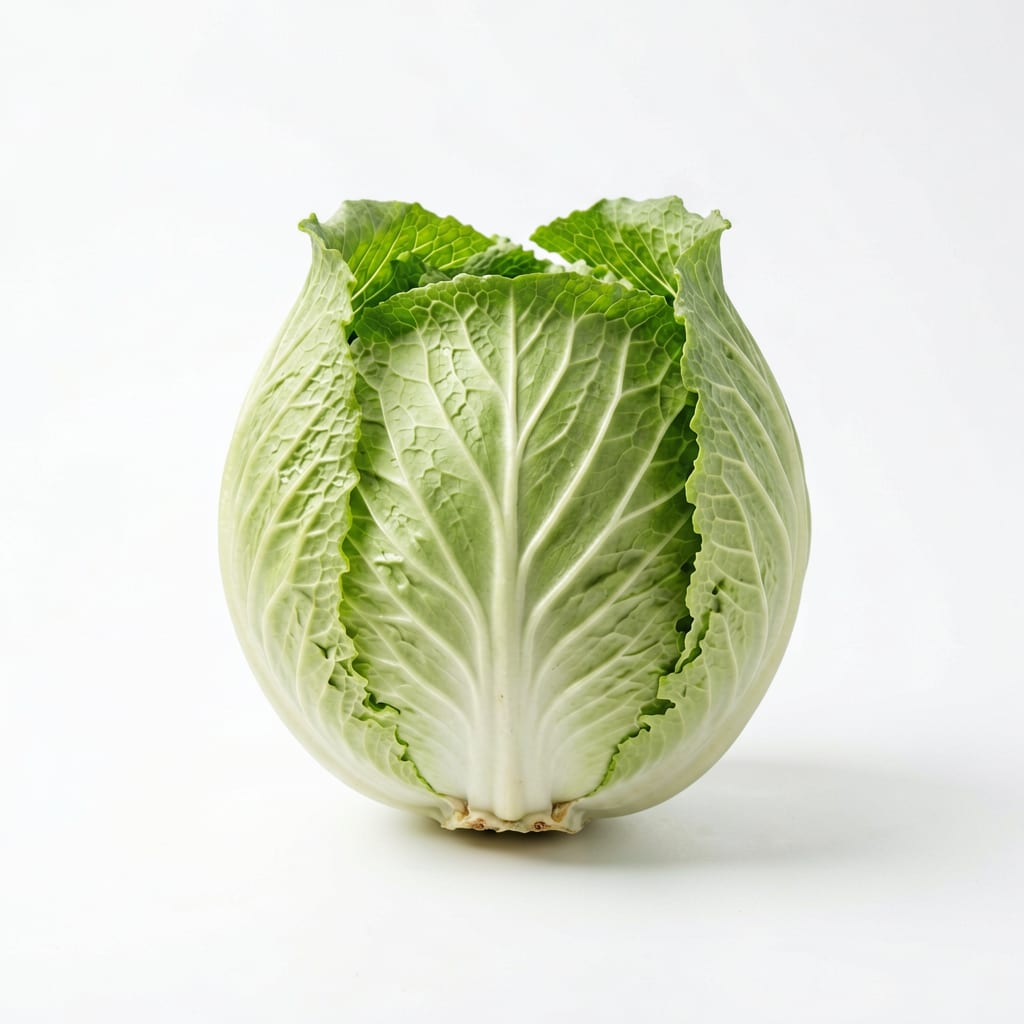
Cabbage
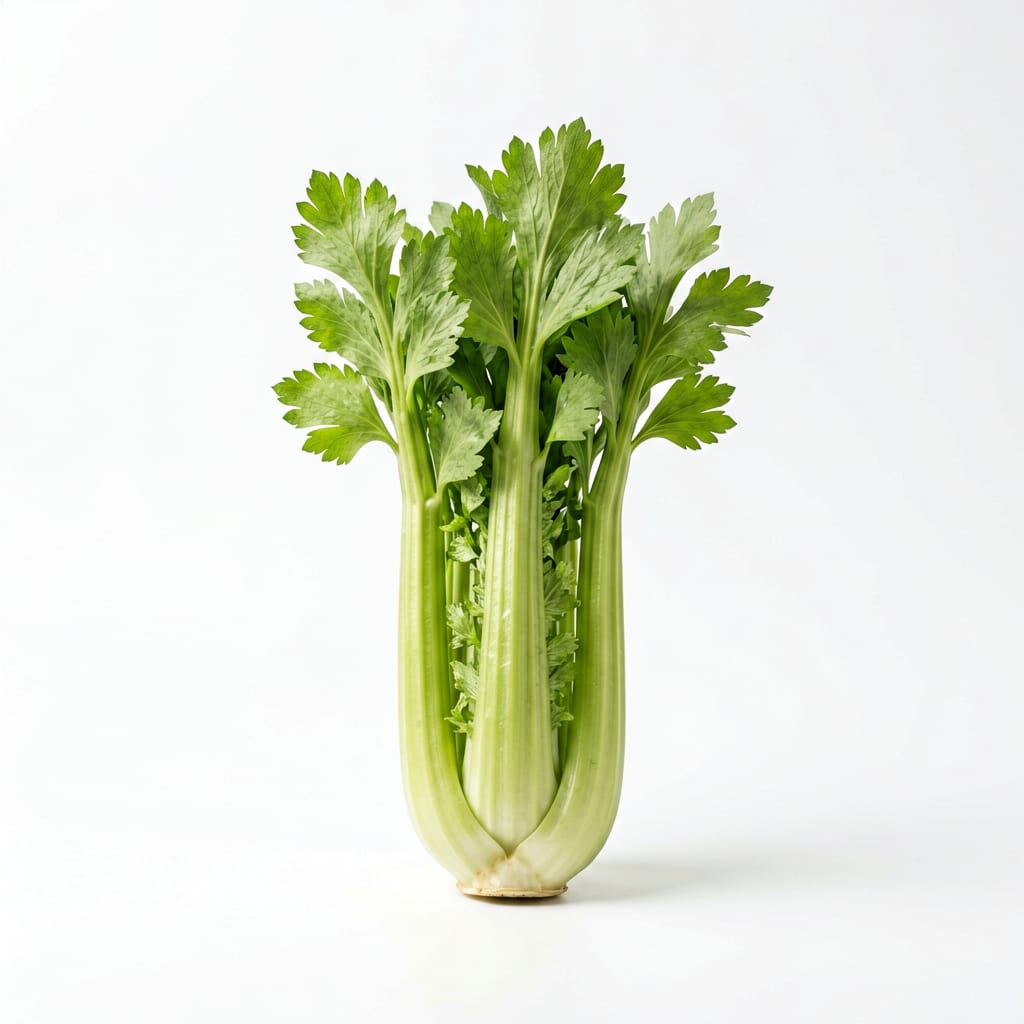
Celery
Cabbage delivers more nutrition, more filling power, and more culinary versatility. Celery wins on convenience and hydration but offers less substance per bite.
Cabbage scores higher due to superior nutrient density, fiber content, and culinary flexibility. Celery remains useful but is nutritionally thinner and carries more pesticide risk.
Cabbage gives you more vitamins, fiber, and satiety but requires cooking and can cause bloating. Celery is grab-and-go hydration with minimal digestive fuss but far fewer nutrients.
At a glance
Executive summary
Overall
Cabbage
Healthier
Cabbage
More practical
Celery
Daily use
Cabbage
Key comparison lenses
weight loss snacking
Both are classic low-calorie diet foods, so users are likely choosing between them for calorie-controlled eating
nutrient density comparison
These cruciferous vs apiaceous vegetables have very different micronutrient profiles worth understanding
digestive tolerance
Cabbage causes notable gas and bloating for many people, while celery is gentler on digestion
meal versatility
Cabbage can be cooked, fermented, stuffed, and used in many cuisines, while celery is more limited
pesticide safety
Celery consistently appears on the Dirty Dozen list for pesticide residues, cabbage does not
Best choice for
Cabbage
- People wanting maximum nutrition per calorie
- Meal preppers who cook in batches
- Anyone seeking cancer-fighting glucosinolates
- Those who need more fiber and fullness
Celery
- Busy snackers needing grab-and-go options
- People with sensitive digestion who avoid gas
- Anyone needing quick hydration
- Those who want something crunchy without cooking
Least suitable for
Cabbage
- People with IBS or severe bloating tendencies
- Anyone wanting a no-prep raw snack
- Those on low-fiber diets temporarily
Celery
- People seeking nutrient-dense meals
- Anyone wanting lasting fullness from vegetables
- Those avoiding high-pesticide produce unless organic
Deep comparison
Dimension by dimension
Each lens scores both foods and breaks down who each option suits.
- Dimension 1 · Priority 95Cabbage
Nutrient Density
Cabbage · 82Celery · 45Cabbage provides significantly more vitamin C, vitamin K, folate, and cancer-fighting glucosinolates per calorie than celery.
Tradeoff
You get far more nutritional value from cabbage, but you have to prepare it. Celery offers convenience at the cost of substance.
Why it matters
If you are eating vegetables primarily for health benefits, cabbage delivers considerably more per serving.
Real-world impact
A cup of cooked cabbage gives you over half your daily vitamin K and a solid vitamin C boost. A cup of celery gives you water with a light nutrient sprinkle.
Cabbage
- Meeting vitamin K needs
- Boosting antioxidant intake
- Getting more from fewer calories
Better for
- Quick no-prep nutrition
Worse for
Celery
- Minimalist eating approaches
- Very low-calorie crunch cravings
Better for
- Meaningful micronutrient contribution
Worse for
- Dimension 2 · Priority 90Cabbage
Satiety and Fullness
Cabbage · 75Celery · 40Cabbage has notably more fiber and bulk that keeps you fuller longer. Celery digests quickly and leaves you hungry again fast.
Tradeoff
Cabbage fills you up but may cause bloating. Celery is light and easy on the stomach but will not keep hunger away.
Why it matters
If you are snacking to manage appetite, celery often fails to prevent later overeating.
Real-world impact
A cabbage-heavy salad or stir-fry can carry you to the next meal. Celery sticks often lead to reaching for something else within an hour.
Cabbage
- Staying full between meals
- Reducing overall calorie intake through satiety
- Replacing higher-calorie foods in meals
Better for
- Eating before intense exercise
Worse for
Celery
- Light snacking without feeling heavy
- Post-meal crunch when already full
Better for
- Appetite control
- Replacing substantial meal components
Worse for
- Dimension 3 · Priority 82Celery
Digestive Tolerance
Cabbage · 45Celery · 80Celery is gentle and easy to digest for most people. Cabbage is notorious for causing gas and bloating, especially raw.
Tradeoff
Cabbage offers more fiber and gut-feeding compounds but can cause uncomfortable bloating. Celery is easier on your stomach but provides less prebiotic benefit.
Why it matters
For people with IBS or sensitive digestion, cabbage can be genuinely uncomfortable, especially in larger portions.
Real-world impact
A big cabbage salad may leave you bloated and gassy for hours. Celery rarely causes digestive distress unless you have a specific allergy.
Cabbage
- Feeding beneficial gut bacteria long-term
- Improving bowel regularity
Better for
- Date nights
- Important meetings after lunch
Worse for
Celery
- Sensitive stomachs
- IBS management
- Eating before social situations
Better for
- Building long-term gut microbiome diversity
Worse for
- Dimension 4 · Priority 78Celery
Convenience and Snackability
Cabbage · 40Celery · 88Celery is ready to eat with zero prep. Cabbage typically requires washing, chopping, and often cooking to be enjoyable.
Tradeoff
Celery saves time but offers less culinary reward. Cabbage takes effort but transforms into more satisfying dishes.
Why it matters
When hunger strikes, convenience often wins over nutrition. Celery is always ready.
Real-world impact
You can grab celery sticks from the fridge in seconds. Cabbage demands chopping and usually cooking, which adds 15-30 minutes.
Cabbage
- Batch cooking and meal prep
- Creating substantial dishes
Better for
- Spontaneous snacking
- Eating while working
Worse for
Celery
- Quick snacking
- Office and on-the-go eating
- Pairing with dips and nut butters
Better for
- Creating a full meal
Worse for
- Dimension 5 · Priority 72Cabbage
Pesticide and Safety Profile
Cabbage · 78Celery · 45Celery consistently ranks on the Environmental Working Group's Dirty Dozen list for pesticide residues. Cabbage is on the Clean Fifteen.
Tradeoff
Cabbage is safer regarding pesticide exposure. Celery should ideally be bought organic, which increases cost.
Why it matters
If you eat these vegetables frequently, pesticide load accumulates and becomes a meaningful health consideration.
Real-world impact
Conventionally grown celery often carries multiple pesticide residues even after washing. Cabbage's tight head naturally protects inner leaves from spray.
Cabbage
- Reducing pesticide exposure on a budget
- Feeding children conventional produce safely
Better for
- None significant
Worse for
Celery
- Organic-only shoppers who do not mind the cost
Better for
- Budget-conscious conventional produce buyers
- Frequent daily consumers
Worse for
- Dimension 6 · Priority 70Cabbage
Culinary Versatility
Cabbage · 90Celery · 50Cabbage works in slaws, stir-fries, soups, stews, fermented dishes, stuffed rolls, and more. Celery is mainly a snack, salad addition, or aromatic base.
Tradeoff
Cabbage can anchor entire meals. Celery is more of a supporting player or simple snack.
Why it matters
A vegetable you can cook many ways stays interesting longer and reduces food waste.
Real-world impact
A single head of cabbage can become coleslaw, stir-fry, soup, or sauerkraut across a week. Celery mostly gets eaten raw or cooked into mirepoix.
Cabbage
- Cooking diverse cuisines
- Meal variety on a budget
- Fermentation enthusiasts
Better for
- No-cook meal situations
Worse for
Celery
- Raw snack plates
- Quick crudité arrangements
Better for
- Being the star of a dish
- Stretching across multiple meal types
Worse for
Timeline
Health impact over time
Short-term
Hours to days
Cabbage
- Noticeable fullness after eating due to fiber bulk
- Possible gas and bloating, especially with raw consumption
- Steadier blood sugar from fiber slowing digestion
Celery
- Quick hydration from high water content
- Light feeling in the stomach with minimal fullness
- Possible hunger return within 30-60 minutes
Long-term
Months to years
Cabbage
- Glucosinolates may reduce cancer risk with regular consumption
- Improved bowel regularity from consistent fiber intake
- Better gut microbiome diversity from prebiotic fiber
Celery
- Modest blood pressure support from natural nitrates and apigenin
- Low sustained nutrient contribution unless eaten in large volumes
- Pesticide exposure risk if consuming conventional celery daily
Risk profile
Safety & processing
Both cabbage and celery are whole, unprocessed vegetables. Neither typically contains additives when purchased fresh. The main concern is pesticide residues on conventional celery.
Cabbage
Gas and bloating from raffinose and fiber
mediumCabbage contains raffinose, a sugar that ferments in the gut causing flatulence. Cooking reduces this significantly.
Goitrogenic compounds
lowRaw cabbage contains goitrogens that may interfere with thyroid function in very large amounts, but cooking deactivates most of them.
Celery
Pesticide residues
mediumCelery frequently appears on the Dirty Dozen list. Conventional celery often carries multiple pesticide residues even after washing.
Allergic reactions in sensitive individuals
lowCelery allergy is one of the more common vegetable allergies, especially in Europe, and can cause oral allergy syndrome or anaphylaxis in severe cases.
Who wins for whom
Audience fit
Same foods, different winners depending on your goal.
children
CeleryCelery sticks with peanut butter or hummus are more kid-friendly and easier for small hands. Cabbage can be a harder sell unless cooked into familiar dishes.
daily consumption
CabbageCabbage offers more nutritional value per serving and can be prepared in varied ways to prevent monotony. Daily celery gets boring fast and provides less benefit.
diabetes
CabbageCabbage's higher fiber content slows glucose absorption more effectively. Celery has a lower glycemic impact but provides less sustained blood sugar stability.
elderly
CabbageCabbage provides more vitamin K for bone health and more fiber for common constipation issues. Cooked cabbage is soft and easy to chew.
muscle gain
It dependsNeither is significant for muscle gain. Both can fill out meals without adding many calories, but you would need protein sources alongside either vegetable.
weight loss
CabbageCabbage provides more satiety per calorie, making it easier to eat less overall. Celery's low calorie count is appealing but rarely keeps you full enough to avoid overeating later.
Your move
Decision guide
Choose Cabbage
- You want maximum nutrition from your vegetables
- You are meal prepping and cooking at home
- You need more fiber and fullness in your diet
- You are concerned about pesticide exposure on a budget
- You enjoy fermented foods like sauerkraut or kimchi
Choose Celery
- You need grab-and-go snacks with zero prep
- You have a sensitive stomach and want to avoid bloating
- You want something hydrating and refreshing
- You are pairing vegetables with dips or nut butters
- You already eat nutrient-dense meals and just want a light crunch
Either works if
- You are building a salad and want crunch
- You are making a soup or stew base
- You want low-calorie volume in your meals
Avoid both if
- You need significant protein or healthy fats in your snack
- You are looking for energy-dense fuel for intense activity
Final recommendation
Keep both in your kitchen but lean on cabbage for meals and celery for snacks. Cabbage gives you more health payoff per bite and more cooking options. Celery earns its place as a convenient, digestion-friendly crunch. If budget forces a choice, cabbage wins on nutrition, versatility, and safety.
Practical
Consumer tips
- 1
Buy organic celery when possible due to high pesticide residues, or wash thoroughly with a produce wash
- 2
Cook cabbage to reduce gas-causing compounds and improve digestibility
- 3
Use cabbage as a low-carb wrap replacement for tacos and sandwiches
- 4
Pair celery with protein-rich dips like hummus or almond butter to add staying power
- 5
Try fermented cabbage as sauerkraut or kimchi for probiotic benefits
- 6
Store cabbage whole and uncut in the crisper drawer for up to two months
- 7
Celery wilts quickly; wrap stalks in aluminum foil and refrigerate to extend freshness