
Nutrition comparison
Celery vs Radishes: Which Low-Calorie Crunch Is Healthier?
Compare celery and radishes on nutrition, pesticides, digestion, and snack versatility. Find out which vegetable is better for weight loss, daily use, and your specific health goals.
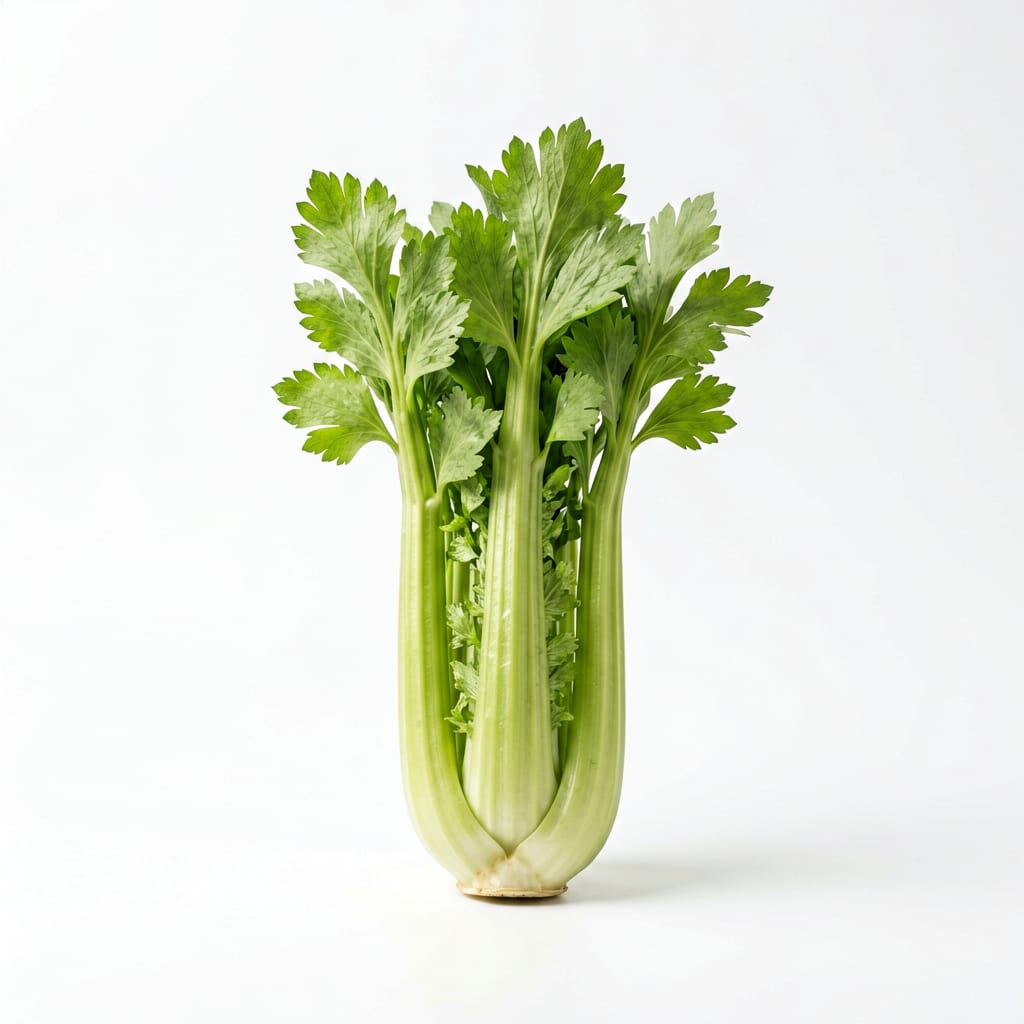
Celery
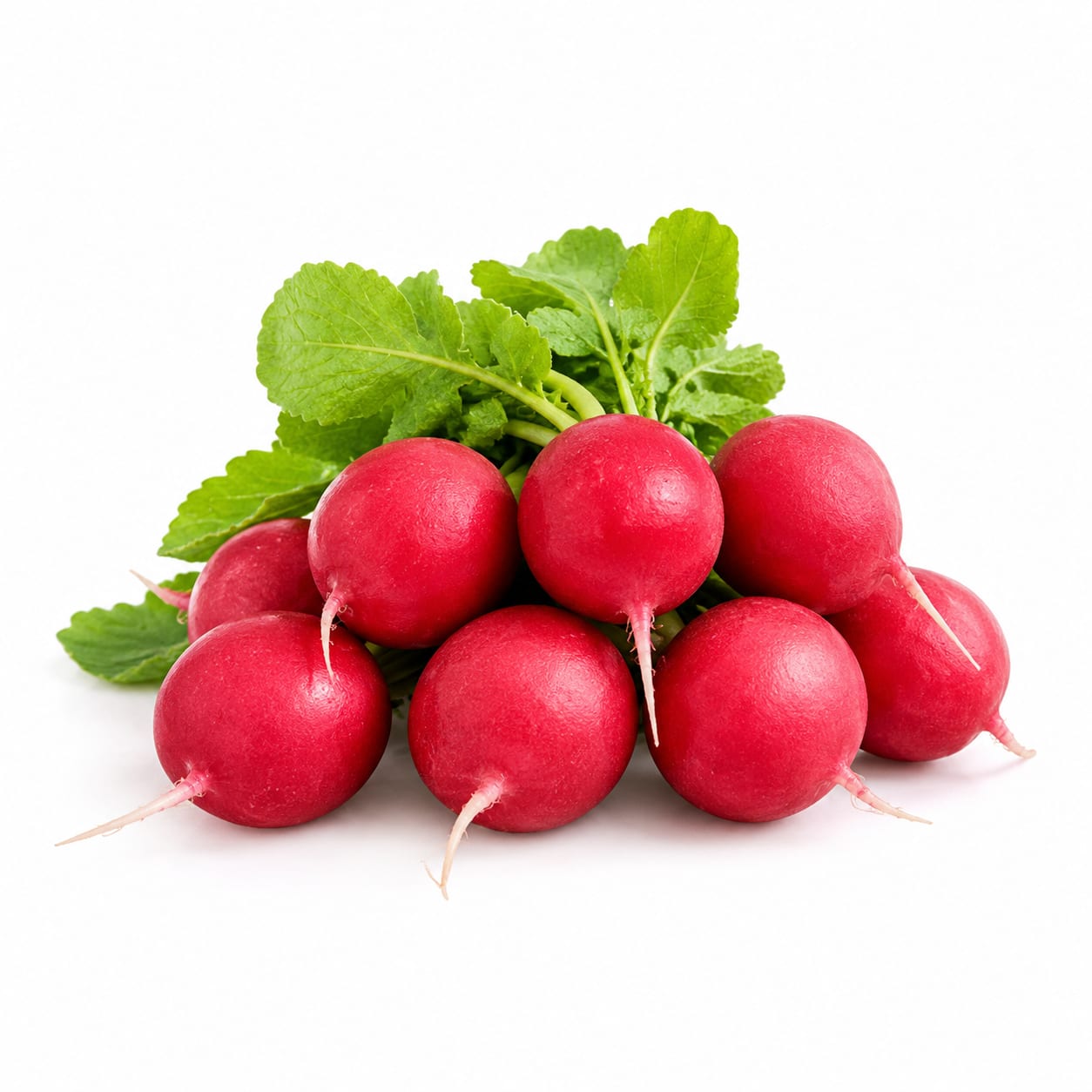
Radishes
Radishes pack more vitamin C and antioxidants per calorie, while celery offers superior hydration and versatility as a snack base.
Radishes edge ahead on nutrient density and antioxidant content, but celery stays competitive thanks to superior hydration, snack versatility, and everyday practicality. The gap is small because both are excellent low-calorie choices.
Radishes deliver more immune-supporting nutrients and a bold flavor punch, but celery is more practical for pairing with dips and staying hydrated throughout the day.
At a glance
Executive summary
Overall
It depends
Healthier
Radishes
More practical
Celery
Daily use
Celery
Key comparison lenses
low calorie snacking
Both foods are ultra-low calorie crunch options people reach for when dieting
nutrient density comparison
Users want to know which delivers more vitamins per bite when calories are nearly identical
digestive comfort
Both are raw vegetables that can cause bloating or sensitivity in some people
pesticide exposure
Celery consistently ranks on the Dirty Dozen list, making safety a key concern
flavor and culinary versatility
Mild celery vs peppery radishes serve very different roles in meals
Best choice for
Celery
- People who snack with hummus or nut butters
- Anyone needing gentle hydration throughout the day
- Those who prefer mild, soothing flavors
- Meal preppers who want a long-lasting crunchy base
Radishes
- People seeking more vitamin C and antioxidants per calorie
- Those who enjoy bold, peppery flavors
- Anyone wanting to support immune function through food
- Salad lovers looking for a zesty crunch addition
Least suitable for
Celery
- People with severe pesticide concerns who cannot buy organic
- Those sensitive to natural sodium intake
- Anyone who finds the stringy texture unpleasant
Radishes
- People with irritable bowel syndrome sensitive to cruciferous vegetables
- Those who dislike spicy or peppery flavors
- Anyone looking for a neutral-flavored snack base
Deep comparison
Dimension by dimension
Each lens scores both foods and breaks down who each option suits.
- Dimension 1 · Priority 90Radishes
Nutrient Density
Celery · 55Radishes · 74Radishes deliver more vitamin C, folate, and potassium per calorie than celery, which primarily offers vitamin K.
Tradeoff
Celery provides significantly more vitamin K for bone and blood health, but radishes cover a broader micronutrient spectrum.
Why it matters
When calories are nearly identical, the food that packs more vitamins per bite gives you better nutritional return on every serving.
Real-world impact
A cup of radishes covers about 30% of your daily vitamin C needs, while celery covers less than 5%. That difference adds up over a week of snacking.
Celery
- Vitamin K needs
- Bone health support
Better for
- Vitamin C content
- Overall micronutrient variety
Worse for
Radishes
- Immune support
- Folate intake
- Potassium intake
Better for
- Vitamin K content
Worse for
- Dimension 2 · Priority 82Celery
Hydration and Satiety
Celery · 80Radishes · 65Celery is roughly 95% water with a satisfying crunch that takes time to chew, making it more hydrating and slightly more filling.
Tradeoff
Radishes are also high in water but have a denser bite that disappears faster, leaving you less satisfied if eating volume matters.
Why it matters
For people using snacks to manage hunger between meals, a food that keeps you chewing longer and delivers more water can prevent overeating.
Real-world impact
Munching through celery sticks feels like more of an eating experience than popping radishes, which vanish quickly. That sensory difference matters for staying satisfied.
Celery
- Staying hydrated
- Feeling fuller longer
- Mindful snacking pace
Better for
Radishes
- Quick flavor satisfaction
Better for
- Extended snacking satisfaction
- Hydration contribution
Worse for
- Dimension 3 · Priority 78Radishes
Antioxidant and Anti-inflammatory Potential
Celery · 58Radishes · 76Radishes, especially red varieties, contain anthocyanins and other compounds with stronger antioxidant activity than celery's flavonoids.
Tradeoff
Celery contains apigenin and luteolin, unique flavonoids with anti-inflammatory properties, but in smaller total antioxidant quantities.
Why it matters
Antioxidants help protect cells from daily wear and tear. Small dietary advantages compound over months and years.
Real-world impact
Choosing red radishes over celery a few times a week gives your body more ammunition against oxidative stress, which matters for long-term aging and disease prevention.
Celery
- Specific flavonoids like apigenin
- Anti-inflammatory support
Better for
- Overall antioxidant volume
Worse for
Radishes
- Total antioxidant capacity
- Anthocyanin content
- Cellular protection
Better for
- Dimension 4 · Priority 75Celery
Digestive Tolerance
Celery · 72Radishes · 58Celery is gentler on most digestive systems, while radishes belong to the cruciferous family and can trigger gas or bloating in sensitive people.
Tradeoff
Radishes stimulate bile production and support liver detoxification pathways, but that same activity can upset sensitive stomachs.
Why it matters
A healthy snack that causes discomfort defeats its own purpose. Tolerance varies widely between individuals.
Real-world impact
If you experience bloating from cruciferous vegetables like broccoli or cabbage, radishes may cause similar issues. Celery is usually safer for sensitive digestion.
Celery
- Sensitive digestion
- Gentle fiber intake
- Low bloating risk
Better for
Radishes
- Liver support
- Bile production stimulation
Better for
- IBS flare-ups
- Gas and bloating potential
Worse for
- Dimension 5 · Priority 80Radishes
Pesticide Exposure and Safety
Celery · 45Radishes · 75Celery consistently appears on the Environmental Working Group's Dirty Dozen list for high pesticide residue, while radishes test much cleaner.
Tradeoff
Organic celery eliminates this concern but costs significantly more. Radishes are safer even in conventional form.
Why it matters
Pesticide exposure accumulates over time. Choosing lower-residue foods when possible reduces your overall body burden.
Real-world impact
If you eat celery daily and cannot afford organic, you are likely ingesting more pesticide residue than someone snacking on radishes. This is a meaningful long-term consideration.
Celery
- High pesticide residue risk
- Strong need for organic purchasing
Worse for
Radishes
- Lower pesticide residue
- Safer conventional option
- Less need to buy organic
Better for
- Dimension 6 · Priority 72Celery
Culinary Versatility and Practicality
Celery · 82Radishes · 60Celery is a universal carrier for dips, a soup staple, and a salad base. Radishes have a narrower but distinct culinary niche.
Tradeoff
Radishes bring a unique peppery kick that celery cannot replicate, but they cannot replace celery's role as a neutral flavor foundation.
Why it matters
A food you can use in more ways gets eaten more often and wasted less, improving your actual dietary intake.
Real-world impact
Celery works with peanut butter, hummus, tuna salad, soups, and stir-fries. Radishes shine in salads and as garnishes but have fewer everyday uses.
Celery
- Dip pairing
- Cooking applications
- Meal prep versatility
- Neutral flavor base
Better for
- Exciting standalone flavor
Worse for
Radishes
- Bold flavor accent
- Raw salad enhancement
- Garnish appeal
Better for
- Cooking versatility
- Dip carrier functionality
Worse for
Timeline
Health impact over time
Short-term
Hours to days
Celery
- Quick hydration boost from high water content
- Mild blood pressure support from natural sodium and potassium
- Gentle digestive stimulation without irritation
Radishes
- Vitamin C surge supporting immediate immune function
- Possible mild stomach warmth from peppery compounds
- Quick liver stimulation from sulfur-containing compounds
Long-term
Months to years
Celery
- Consistent vitamin K intake supports bone density over decades
- Regular hydration from snacking contributes to kidney health
- Anti-inflammatory flavonoids may reduce chronic disease risk when consumed regularly
Radishes
- Anthocyanin consumption linked to reduced cardiovascular risk over time
- Cruciferous compound intake associated with lower certain cancer risks
- Consistent vitamin C intake supports collagen maintenance and skin health
Risk profile
Safety & processing
Both celery and radishes are whole, raw vegetables with no processing concerns. They are as close to natural as food gets. The only consideration is pesticide residue on conventional celery, which is a farming issue rather than a processing issue.
Celery
Pesticide residue
highCelery ranks consistently on the Dirty Dozen list with multiple pesticide residues detected on conventional samples. Washing helps but does not eliminate all residues.
Stringy texture choking hazard
lowThe fibrous strings can pose a minor choking risk for young children or elderly individuals if not properly cut or peeled.
Radishes
Goitrogenic compounds
lowRadishes contain goitrogens common to cruciferous vegetables, which could affect thyroid function if consumed in extreme quantities. Normal intake poses no risk.
Contamination in leafy tops
lowIf sold with greens attached, the leafy tops can trap dirt and bacteria. Thorough washing eliminates this concern.
Who wins for whom
Audience fit
Same foods, different winners depending on your goal.
children
CeleryCelery's mild flavor and fun boat shape for peanut butter or cream cheese make it more kid-friendly. Radishes can taste too spicy for young palates.
daily consumption
CeleryCelery's versatility, mild flavor, and digestive gentleness make it easier to eat every day without fatigue. Radishes can become monotonous or irritating with daily use.
diabetes
RadishesRadishes have a slightly lower glycemic impact and more fiber per calorie, making them marginally better for blood sugar stability. Both are excellent choices for diabetes management.
elderly
CeleryCelery is gentler on digestion and provides hydration that older adults often lack. The stringy texture can be managed by peeling or cutting small.
muscle gain
It dependsNeither food meaningfully supports muscle gain. Both are essentially calorie-free crunch options. Choose based on what helps you stick to your overall dietary plan.
weight loss
It dependsBoth are ultra-low calorie. Celery wins for volume eaters who want to chew more and feel fuller. Radishes win for those who find bold flavor more satisfying than volume.
Your move
Decision guide
Choose Celery
- You love snacking with hummus, peanut butter, or other dips
- You want a hydrating crunch you can eat all day without digestive upset
- You need a neutral vegetable base for meal prep and cooking
- You can afford organic or accept the pesticide tradeoff
Choose Radishes
- You want maximum nutrients per calorie, especially vitamin C
- You enjoy bold, peppery flavors that make eating vegetables exciting
- You prefer to buy conventional produce with lower pesticide concerns
- You want to add visual appeal and zing to salads and bowls
Either works if
- You just need a low-calorie crunchy snack
- You are already eating a varied diet and either works as a supplement
- You rotate vegetables regularly and want to add both to your routine
Avoid both if
- You need calorie-dense or protein-rich foods for recovery or muscle building
- You have severe oral allergy syndrome related to raw vegetables
- You are looking for a substantial snack that actually curbs hunger for hours
Final recommendation
Keep both in your kitchen. Use celery as your daily hydration and dip-friendly base, and add radishes when you want a nutrient boost and flavor excitement. If you must pick one, radishes win on nutrition and safety, while celery wins on practicality and everyday ease. Choose based on what matters more for your current routine.
Practical
Consumer tips
- 1
Buy organic celery whenever possible to avoid high pesticide exposure. For radishes, conventional is fine.
- 2
Peel celery strings if texture bothers you or if serving to young children.
- 3
Slice radishes paper-thin to mellow their peppery bite if you find them too intense.
- 4
Store celery upright in water in the refrigerator to keep it crisp for over a week.
- 5
Use radish greens in pesto or sautés rather than discarding them for extra nutrients.
- 6
Pair celery with protein-rich dips like hummus or Greek yogurt ranch to make it a more satisfying snack.
- 7
Quick-pickle radishes in rice vinegar for a milder, tangy crunch that lasts days in the fridge.