
Nutrition comparison
Celery vs Bell Peppers: Nutrition, Health Benefits & Snacking Comparison
Comparing celery and bell peppers? Discover which crunchy vegetable is better for weight loss, vitamins, and daily snacking.
Overall winner · Bell Peppers
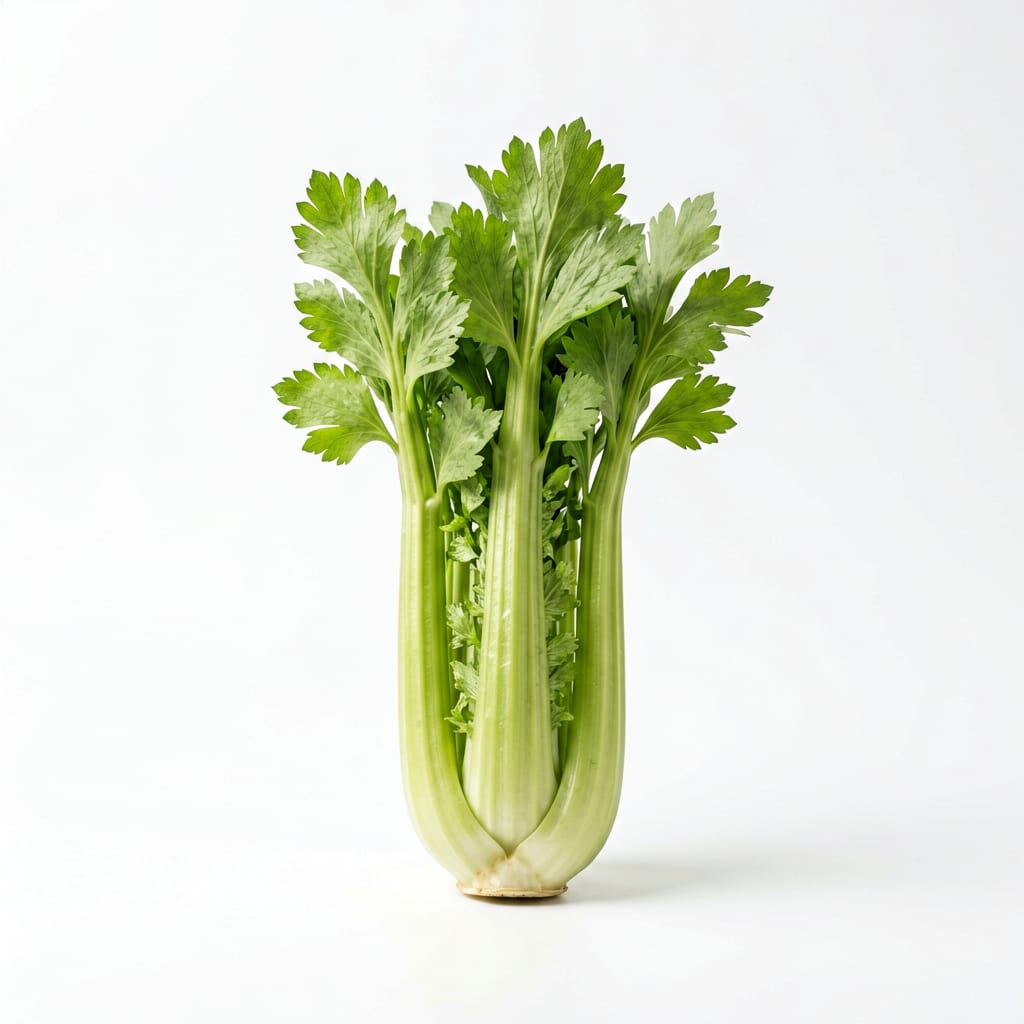
Celery
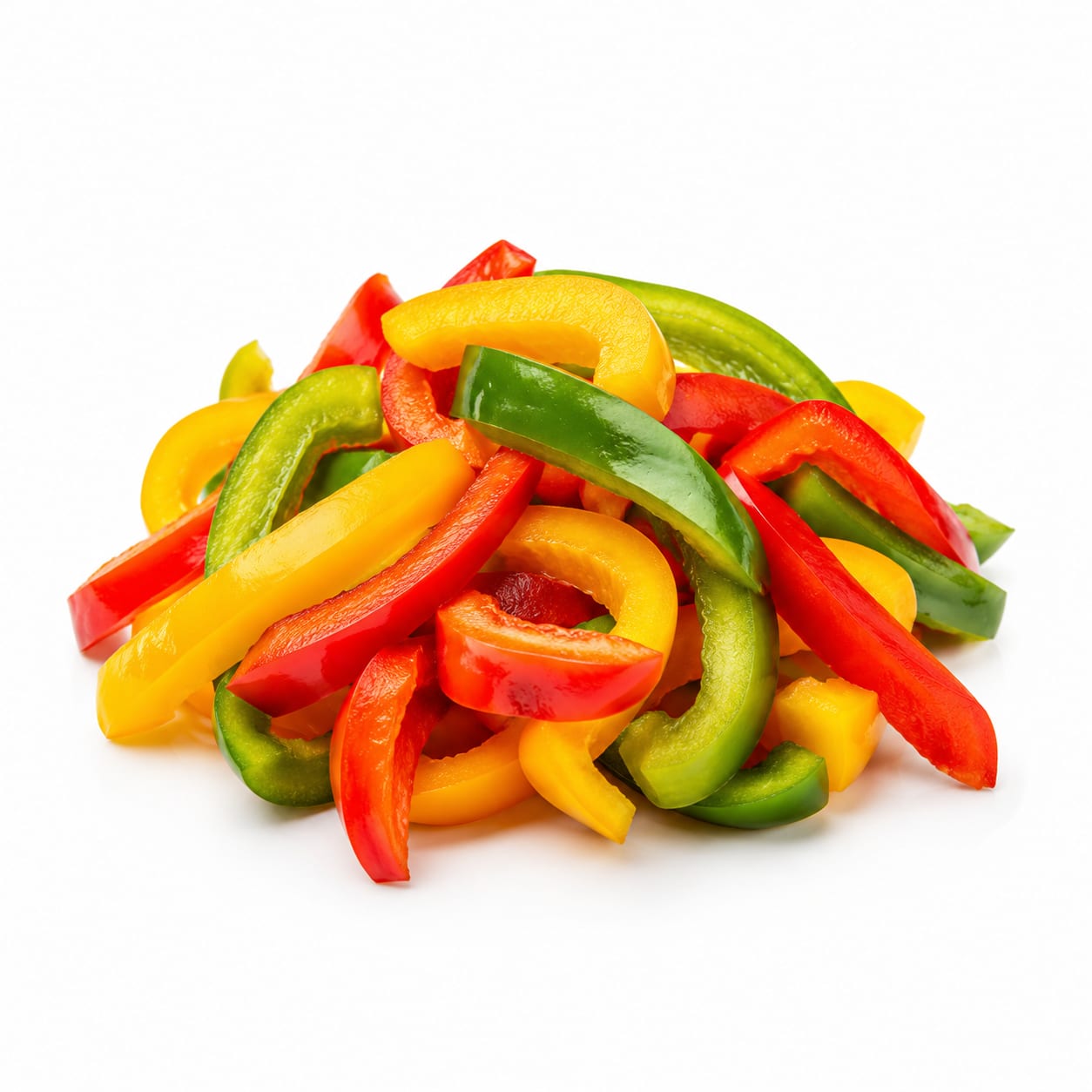
Bell Peppers
Bell Peppers deliver far more vitamins and antioxidants per bite, while Celery is mostly water and best suited for ultra-low calorie crunching and hydration.
Bell Peppers score significantly higher due to their exceptional vitamin and antioxidant content, while Celery remains a decent but nutritionally light option for volume eating.
Maximum hydration and minimal calories versus actual nutritional payoff and vibrant flavor.
At a glance
Executive summary
Overall
Bell Peppers
Healthier
Bell Peppers
More practical
Bell Peppers
Daily use
Bell Peppers
Key comparison lenses
Low-calorie snacking vs nutrient density
Celery is famous for being low-calorie and hydrating, while Bell Peppers are a nutritional powerhouse packed with vitamins.
Vitamin C and antioxidant intake
Bell Peppers are one of the richest sources of Vitamin C, whereas Celery provides minimal antioxidants.
Raw crunch and dipping
Both are popular raw snacks, but they serve very different roles on a crudité platter.
Best choice for
Celery
- Mindless snacking
- Hydration support
- Low-calorie dipping vessels
Bell Peppers
- Boosting immunity
- Adding flavor to meals
- Maximizing nutrients per calorie
Least suitable for
Celery
- Those needing high nutrient density
- People who dislike stringy textures
Bell Peppers
- Those with nightshade sensitivities
- Very low-carb dieters counting every gram
Deep comparison
Dimension by dimension
Each lens scores both foods and breaks down who each option suits.
- Dimension 1 · Priority 95Bell Peppers
Nutrient Density
Celery · 25Bell Peppers · 95Bell Peppers are loaded with Vitamin C, A, and B6, whereas Celery offers mostly water with trace minerals.
Tradeoff
You choose between a vitamin powerhouse and a hydrating crunch with minimal nutritional payoff.
Why it matters
Eating nutrient-dense foods helps you meet daily vitamin needs without eating large volumes.
Real-world impact
A single Bell Pepper covers your daily Vitamin C, keeping your immune system resilient; Celery won't move the needle on vitamins.
Celery
- Days when you just want to chew without consuming anything substantial
Better for
- Correcting nutrient deficiencies
- Getting enough daily vitamins
Worse for
Bell Peppers
- Boosting skin health
- Fighting off a cold
- Supporting overall vitality
Better for
- Strict calorie restriction where even 30 calories feels like too much
Worse for
- Dimension 2 · Priority 80Celery
Hydration and Volume Eating
Celery · 90Bell Peppers · 65Celery is roughly 95% water and extremely low in calories, making it the ultimate volume-eating snack.
Tradeoff
Maximum physical fullness from water versus more meaningful caloric energy and nutrients.
Why it matters
If you are trying to lose weight, volume eating helps you feel full without overconsuming calories.
Real-world impact
Munching on Celery in the afternoon fills your stomach with almost zero calories, while Bell Peppers offer a slightly more substantial but still light snack.
Celery
- Late-night mindless snacking
- Staying hydrated on hot days
Better for
- Sustaining energy levels
- Replenishing electrolytes after heavy sweating
Worse for
Bell Peppers
- Curbing hunger with actual nutrition
- Post-workout light refueling
Better for
- Eating large volumes on an extremely restricted calorie budget
Worse for
- Dimension 3 · Priority 85Bell Peppers
Flavor and Culinary Versatility
Celery · 40Bell Peppers · 95Bell Peppers bring sweet, vibrant flavor to countless dishes, while Celery provides a subtle bitter crunch mostly used as a base or dipper.
Tradeoff
Mild background crunch versus bold, sweet standalone flavor.
Why it matters
Food needs to taste good to be a sustainable part of your diet.
Real-world impact
Bell Peppers can star in a stir-fry, salad, or raw snack; Celery usually needs peanut butter or hummus to be enjoyable on its own.
Celery
- Adding texture to soups
- Serving as a low-calorie vessel for dips
Better for
- Eating plain as a flavorful snack
- Being the star of a dish
Worse for
Bell Peppers
- Eating raw as a flavorful snack
- Cooking into main dishes
- Adding natural sweetness
Better for
- Providing a neutral base that doesn't overpower other ingredients
Worse for
Timeline
Health impact over time
Short-term
Hours to days
Celery
- Immediate hydration
- Satisfies the urge to chew without feeling heavy
Bell Peppers
- Quick boost of Vitamin C for energy
- Natural sweetness can satisfy sugar cravings
Long-term
Months to years
Celery
- May help maintain healthy blood pressure due to phthalides
- Supports weight maintenance through low-calorie volume
Bell Peppers
- Strong immune support from high antioxidants
- Better skin health and collagen production from Vitamin C
- Reduced inflammation
Risk profile
Safety & processing
Both Celery and Bell Peppers are whole, raw vegetables with no artificial additives when purchased fresh.
Celery
Pesticide residue
mediumCelery often ranks high for pesticide residue; washing thoroughly or choosing organic is advisable.
Allergic cross-reactivity
lowCelery-mugwort syndrome can cause reactions in some pollen allergy sufferers, particularly in Europe.
Bell Peppers
Pesticide residue
highBell Peppers are frequently on the EWG's Dirty Dozen list for pesticide residue; organic is strongly recommended.
Nightshade sensitivity
lowCan trigger inflammation or digestive issues for those sensitive to nightshades.
Who wins for whom
Audience fit
Same foods, different winners depending on your goal.
children
Bell PeppersThe sweet crunch of Bell Peppers is far more appealing to kids than the bitter, stringy texture of Celery.
daily consumption
Bell PeppersDaily Bell Pepper consumption delivers consistent, meaningful nutritional benefits, whereas Celery mostly just provides water.
diabetes
CeleryCelery has almost zero impact on blood sugar, making it perfectly safe for glucose management.
elderly
Bell PeppersHigher nutrient density supports aging immune systems, and cooked Bell Peppers are easier to chew than stringy Celery.
muscle gain
Bell PeppersBell Peppers provide Vitamin C which aids in collagen synthesis and joint repair, plus slightly more carbs for energy.
weight loss
CeleryCelery's extremely low calorie count makes it the ultimate guilt-free volume food for cutting.
Your move
Decision guide
Choose Celery
- You want a zero-guilt dipping vehicle for hummus or peanut butter
- You need to satisfy the urge to chew without consuming calories
- You are focusing on extreme calorie restriction
Choose Bell Peppers
- You want a flavorful, nutrient-packed snack
- You need to boost your Vitamin C intake
- You are cooking a meal and want vibrant color and sweetness
Either works if
- You want a hydrating, crunchy raw vegetable
- You are building a salad and need fresh texture
Avoid both if
- You have severe oral allergy syndrome triggered by raw vegetables
- You are looking for a significant source of protein or fat
Final recommendation
Keep both in your fridge, but lean on Bell Peppers for actual nutrition and Celery for low-calorie snacking. If you only pick one for daily health benefits, Bell Peppers give you far more per bite.
Practical
Consumer tips
- 1
Buy organic Bell Peppers whenever possible, as they are heavily sprayed with pesticides.
- 2
Peel the outer strings off Celery stalks to make them much more pleasant to eat raw.
- 3
Pair Celery with a fat source like peanut butter or guacamole to make the snack actually satisfying.
- 4
Store Bell Peppers in the crisper drawer; red and yellow peppers are sweeter and more nutritious than green ones.