
Nutrition comparison
Celery vs Zucchini: Which Low-Calorie Vegetable Is Actually Better for You?
Compare celery and zucchini for weight loss, nutrition, cooking versatility, and safety. Find out which water-rich vegetable deserves more space on your plate.
Overall winner · Zucchini
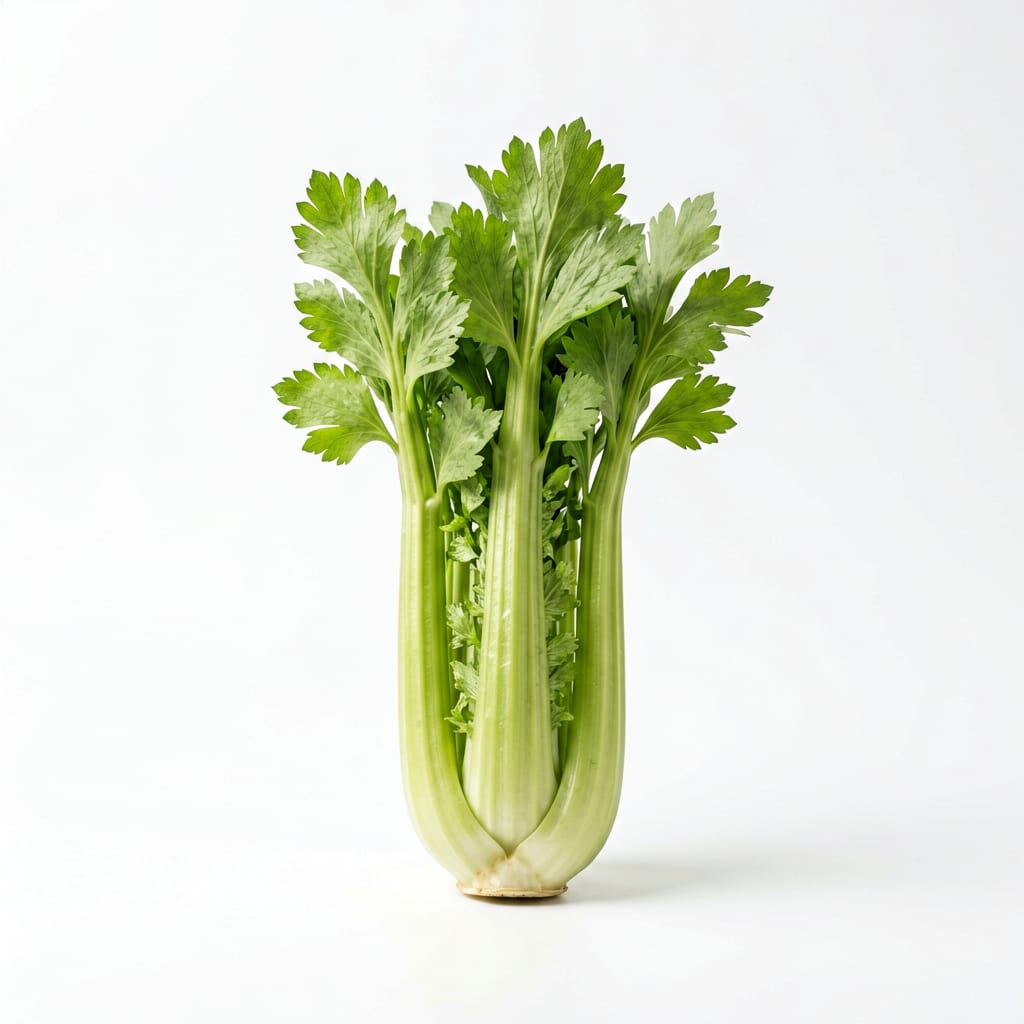
Celery
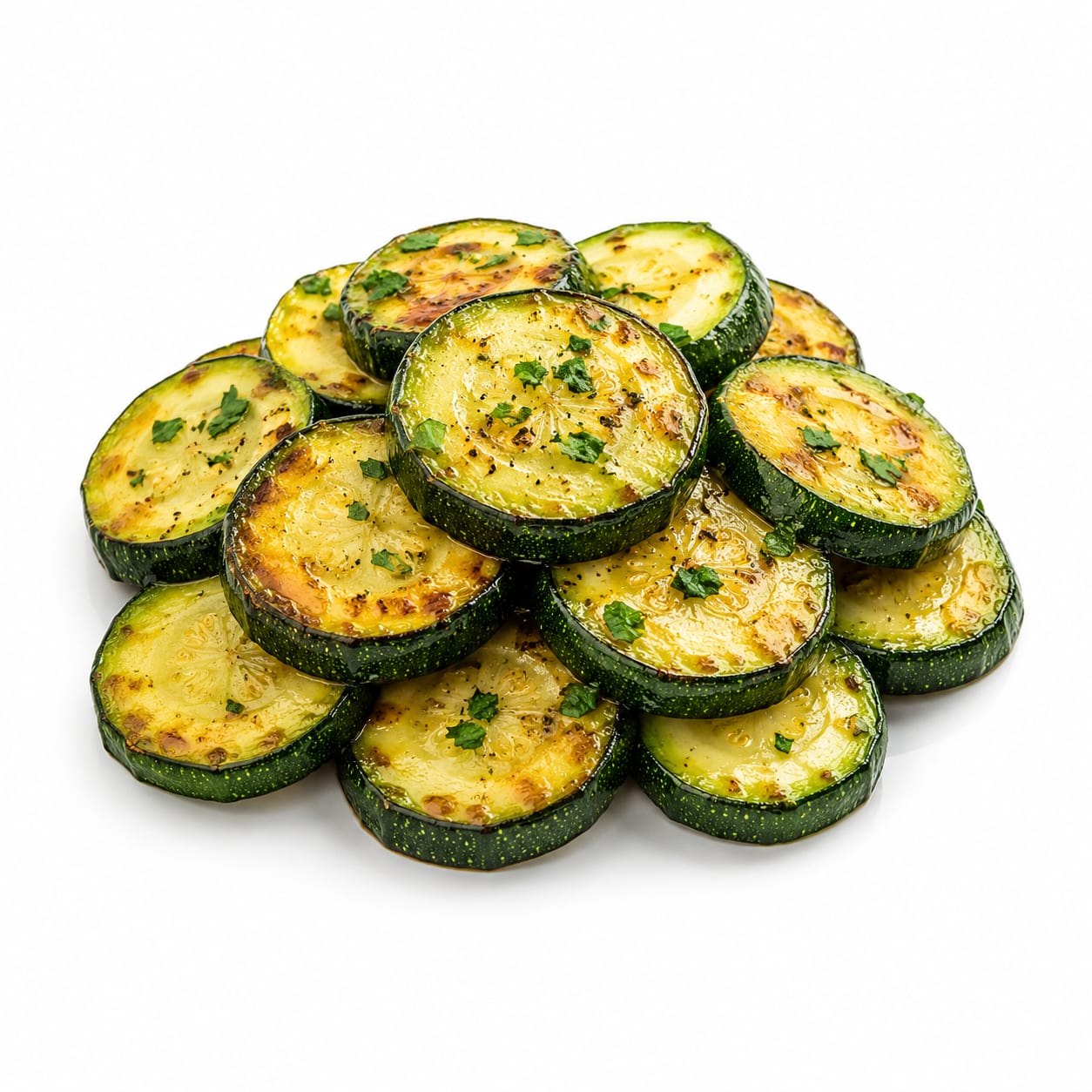
Zucchini
Zucchini edges out celery thanks to higher nutrient density, far greater cooking versatility, and better satiety. Celery wins for raw snacking convenience and crunch satisfaction.
Zucchini scores notably higher due to superior nutrient density, cooking versatility, and satiety. Celery remains valuable for raw snacking but is more limited in overall utility. The gap reflects how much more you can do with zucchini across different meals and dietary needs.
Celery gives you instant crunchy snacking with almost zero prep, while zucchini gives you a more nutritious, filling, and versatile ingredient that requires some cooking or preparation.
At a glance
Executive summary
Overall
Zucchini
Healthier
Zucchini
More practical
It depends
Daily use
Zucchini
Key comparison lenses
Low-calorie snacking and weight management
Both foods are extremely low in calories, so users are likely choosing between them for diet-friendly options
Cooking versatility and meal integration
Zucchini is dramatically more versatile in cooking, which is a major differentiator
Nutrient density per calorie
Users comparing two water-rich vegetables want to know which delivers more nutrition per bite
Pesticide and contamination safety
Celery consistently appears on the Dirty Dozen list, making safety a relevant concern
Digestive comfort and gut health
Fiber type and stringiness affect digestion differently between these two vegetables
Best choice for
Celery
- People who want a grab-and-go crunchy snack
- Anyone needing low-calorie finger food for dips
- Those on a low-sodium diet who still want savory flavor
- Meal preppers who want a no-cook vegetable option
Zucchini
- Home cooks wanting a versatile vegetable for multiple meals
- People seeking more vitamins and minerals per calorie
- Anyone replacing higher-carb ingredients like pasta
- Families needing a mild vegetable kids will accept
Least suitable for
Celery
- People with digestive sensitivity to stringy fibers
- Anyone concerned about pesticide exposure who cannot buy organic
- Those wanting a substantial, filling vegetable side dish
- Anyone looking to replace grains or starches in meals
Zucchini
- People wanting a ready-to-eat raw snack with zero prep
- Anyone who needs a crunchy texture for snacking satisfaction
- Those looking for a dip vessel with structural integrity
Deep comparison
Dimension by dimension
Each lens scores both foods and breaks down who each option suits.
- Dimension 1 · Priority 90Zucchini
Nutrient Density Per Calorie
Celery · 45Zucchini · 72Zucchini delivers more vitamins and minerals per calorie than celery, especially vitamin C, potassium, and B6.
Tradeoff
Celery provides more vitamin K, but zucchini offers a broader micronutrient profile overall.
Why it matters
When calories are minimal in both foods, the one packing more nutrition per bite gives you better return on your eating investment.
Real-world impact
A cup of zucchini gives you meaningful vitamin C and potassium, while a cup of celery mostly gives you water and crunch with smaller nutrient amounts.
Celery
- Vitamin K intake
- Adding savory flavor without sodium
Better for
- Overall vitamin and mineral contribution is modest
Worse for
Zucchini
- Vitamin C needs
- Potassium intake
- Broader micronutrient coverage
Better for
- Less vitamin K per serving than celery
Worse for
- Dimension 2 · Priority 88Zucchini
Satiety and Fullness
Celery · 40Zucchini · 65Zucchini is more filling per serving due to higher fiber content and more substantial volume when cooked.
Tradeoff
Celery's crunch can feel satisfying in the moment, but the satiety fades quickly due to minimal fiber and almost no substance.
Why it matters
If you're trying to stay full between meals, the vegetable that actually holds you over matters more than the one that just occupies your mouth briefly.
Real-world impact
A zucchini-based side dish can genuinely delay your next hunger pang. Celery sticks with dip are more of a temporary distraction from hunger.
Celery
- Oral satisfaction from crunching
- Mindless snacking without overeating
Better for
- Hunger returns within 30-60 minutes
Worse for
Zucchini
- Actual stomach fullness after eating
- Staying satisfied longer between meals
- Replacing higher-calorie fillers in meals
Better for
- Less satisfying crunch factor when raw
Worse for
- Dimension 3 · Priority 92Zucchini
Cooking Versatility
Celery · 25Zucchini · 90Zucchini is one of the most versatile vegetables available. Celery is largely limited to raw snacking, soups, and mirepoix.
Tradeoff
Celery has a distinctive flavor that works in specific dishes. Zucchini is a culinary chameleon that adapts to almost any preparation method.
Why it matters
A vegetable you can cook 10 ways gets eaten far more often than one you can only use 2 ways. Versibility drives actual dietary habits.
Real-world impact
Zucchini can be spiralized into noodles, grilled as a side, baked into breads, roasted with spices, stuffed, sautéed, or eaten raw. Celery is mostly crunch or soup base.
Celery
- Adding aromatic flavor base to soups and stews
- Raw snacking with dips
- Classic mirepoix and soffritto preparations
Better for
- Very limited cooking methods beyond raw and soup
- Becomes mushy and unappealing when overcooked
Worse for
Zucchini
- Pasta replacement for low-carb diets
- Grilling and roasting as a main side dish
- Baking into savory and sweet recipes
- Stuffing with proteins and cheeses
- Spiralizing or slicing into salads
Better for
- Lacks the distinctive aromatic flavor celery contributes to bases
Worse for
- Dimension 4 · Priority 80Zucchini
Pesticide and Contamination Safety
Celery · 35Zucchini · 70Celery consistently ranks on the EWG Dirty Dozen list for high pesticide residues. Zucchini has moderate contamination risk, especially from conventional farming.
Tradeoff
Both are safer when organic, but celery's pesticide load is notably worse and harder to wash off due to its stalk structure.
Why it matters
If you eat a vegetable daily, cumulative pesticide exposure adds up. Choosing the cleaner option reduces your long-term body burden.
Real-world impact
Celery's tightly packed stalks trap pesticide residues that rinsing cannot fully remove. Zucchini's smooth skin is easier to wash and often has lower residue levels.
Celery
- No significant safety advantages over zucchini
Better for
- Consistent Dirty Dozen placement
- Stalk structure traps residues that washing misses
- Higher number of detected pesticide types per sample
Worse for
Zucchini
- Lower average pesticide residue levels
- Easier to wash effectively
- Less likely to appear on high-concern produce lists
Better for
- Some conventional zucchini may be genetically modified in the US
- Occasional bitter compounds indicating cucurbitacin toxicity
Worse for
- Dimension 5 · Priority 75It depends
Hydration and Digestive Comfort
Celery · 60Zucchini · 68Both are over 94% water, but they affect digestion differently. Celery's stringy fibers can bother sensitive digestive systems, while zucchini is gentler.
Tradeoff
Celery provides insoluble fiber that speeds transit but can irritate. Zucchini offers gentler soluble fiber that soothes the gut.
Why it matters
If you have IBS, bloating, or sensitive digestion, the wrong fiber type can cause real discomfort despite both vegetables being healthy.
Real-world impact
Zucchini feels light and easy after eating. Celery can cause bloating or gas in sensitive people, especially in larger amounts.
Celery
- Promotes bowel regularity with insoluble fiber
- Natural sodium helps with hydration during exercise
Better for
- Stringy fibers can irritate IBS and sensitive stomachs
- Can cause bloating in larger portions
Worse for
Zucchini
- Gentler on sensitive digestive systems
- Soluble fiber feeds beneficial gut bacteria
- Less likely to cause bloating or gas
Better for
- Less effective at speeding up slow digestion
Worse for
- Dimension 6 · Priority 86Zucchini
Weight Loss Effectiveness
Celery · 58Zucchini · 72Both are excellent for weight loss, but zucchini's higher satiety and meal-replacement potential make it more effective in practice.
Tradeoff
Celery has slightly fewer calories per cup, but zucchini keeps you full longer and can replace higher-calorie foods more effectively.
Why it matters
The vegetable that actually helps you eat less overall beats the vegetable that technically has fewer calories but leaves you hungry.
Real-world impact
Zucchini noodles can replace a 400-calorie pasta dish for under 50 calories. Celery saves you maybe 6 calories over zucchini per cup but cannot replace a meal.
Celery
- Lowest possible calorie count per cup
- No-cook convenience prevents takeout temptation
Better for
- Cannot meaningfully replace any higher-calorie food
- Hunger returns quickly, risking overeating later
Worse for
Zucchini
- Replaces high-calorie staples like pasta and rice
- More filling so you eat less overall
- Works in bulk meals that keep you satisfied
Better for
- Slightly more calories per cup than celery
Worse for
Timeline
Health impact over time
Short-term
Hours to days
Celery
- Quick hydration from high water content
- Crunch satisfaction that can reduce stress eating
- Possible bloating if eaten in large amounts
- Natural sodium provides mild electrolyte support
Zucchini
- Gentle fullness without heaviness
- Easy digestion with minimal gas or discomfort
- Blood sugar stability from soluble fiber
- Versatile enough to prevent meal boredom
Long-term
Months to years
Celery
- Consistent vitamin K intake supports bone and blood health
- Pesticide exposure risk if not organic over years
- Flavonoids like apigenin may have anti-inflammatory benefits
- Low caloric contribution means minimal nutritional impact overall
Zucchini
- Better sustained nutrient intake from broader vitamin profile
- Lutein and zeaxanthin support long-term eye health
- Potassium contributes to blood pressure management over time
- Meal replacement habit reduces overall caloric intake sustainably
Risk profile
Safety & processing
Both celery and zucchini are whole, unprocessed vegetables. Neither typically contains additives when purchased fresh. The main concern is agricultural chemical residues rather than processing.
Celery
Pesticide residues
highCelery consistently appears on the EWG Dirty Dozen list. Its stalk structure traps residues that washing cannot fully remove. Up to 13 pesticide types detected on single samples.
Stringy fiber choking hazard
lowThe tough strings can pose a mild choking risk for young children or elderly with swallowing difficulties if not properly cut or peeled.
Zucchini
Cucurbitacin toxicity
lowRarely, zucchini can develop bitter compounds called cucurbitacins that cause digestive illness. If it tastes unusually bitter, discard it immediately.
Pesticide residues
mediumModerate pesticide concern, though less severe than celery. Smooth skin makes washing more effective. Some conventional zucchini is genetically modified in the US.
Who wins for whom
Audience fit
Same foods, different winners depending on your goal.
children
ZucchiniZucchini's mild flavor and soft texture when cooked are more kid-friendly. Celery's stringiness and stronger flavor often get rejected by picky eaters.
daily consumption
ZucchiniZucchini's versatility prevents the monotony that kills daily vegetable habits. You can prepare it differently every day of the week without getting bored.
diabetes
ZucchiniZucchini's soluble fiber steadies blood sugar more effectively, and its versatility as a carb replacement makes diabetes management easier in real meals.
elderly
ZucchiniZucchini is easier to chew and digest when cooked. Celery's tough strings can be difficult for aging teeth and sensitive digestive systems.
muscle gain
It dependsNeither vegetable meaningfully supports muscle gain directly. Both serve as low-calorie sides to protein sources. Zucchini pairs better with larger meals that support muscle building.
weight loss
ZucchiniZucchini's ability to replace high-calorie foods like pasta makes it more practically useful for sustainable calorie reduction. Celery is lower in calories but cannot replace meals.
Your move
Decision guide
Choose Celery
- You want a zero-prep crunchy snack right now
- You need a low-calorie vehicle for hummus or nut butter
- You are making soup stocks, stews, or mirepoix
- You crave something savory with natural sodium
Choose Zucchini
- You want to replace pasta, rice, or bread in a meal
- You need a versatile vegetable for weekly meal prep
- You are cooking for a family with varying tastes
- You want more nutrition per calorie from your vegetables
- You have digestive sensitivity to stringy fibers
Either works if
- You simply need more vegetables in your diet
- You are bulking up salads or stir-fries
- You want hydrating, low-calorie food options
- Both are available and you want variety
Avoid both if
- You need a protein-rich or calorie-dense food for recovery
- You are looking for a significant source of iron or calcium
- You have a nightshade sensitivity that extends to all squashes (zucchini only)
Final recommendation
Keep both in your kitchen but lean on zucchini as your daily workhorse vegetable. Its versatility, higher nutrient density, and better satiety make it the more impactful choice for most meals. Use celery strategically for snacking, flavor bases, and crunch satisfaction. If budget forces a choice, zucchini gives you more health value per dollar across the week.
Practical
Consumer tips
- 1
Buy organic celery whenever possible due to its Dirty Dozen status and difficulty washing residues from stalks
- 2
If celery strings bother you, peel the outer stalks with a vegetable peeler for a more tender texture
- 3
Choose smaller zucchini for sweeter flavor and fewer seeds. Large zucchini become watery and bland
- 4
Spiralize zucchini and lightly sauté for 2 minutes only. Overcooked zoodles turn mushy and disappointing
- 5
Freeze celery leaves for soup stock. They add more flavor than the stalks and reduce waste
- 6
If zucchini tastes bitter, spit it out immediately. Bitterness indicates cucurbitacin toxicity
- 7
Store celery wrapped in aluminum foil in the fridge. It stays crisp for weeks instead of going limp
- 8
Grate zucchini into oatmeal, muffins, or sauces for hidden vegetable nutrition that picky eaters will not notice