
Nutrition comparison
Celery vs Asparagus: Which Vegetable Is Actually Better for You?
Celery is the classic low-calorie snack, but asparagus delivers far more nutrition per bite. Compare their health benefits, pesticide risks, and best uses to make the smarter choice.
Overall winner · Asparagus
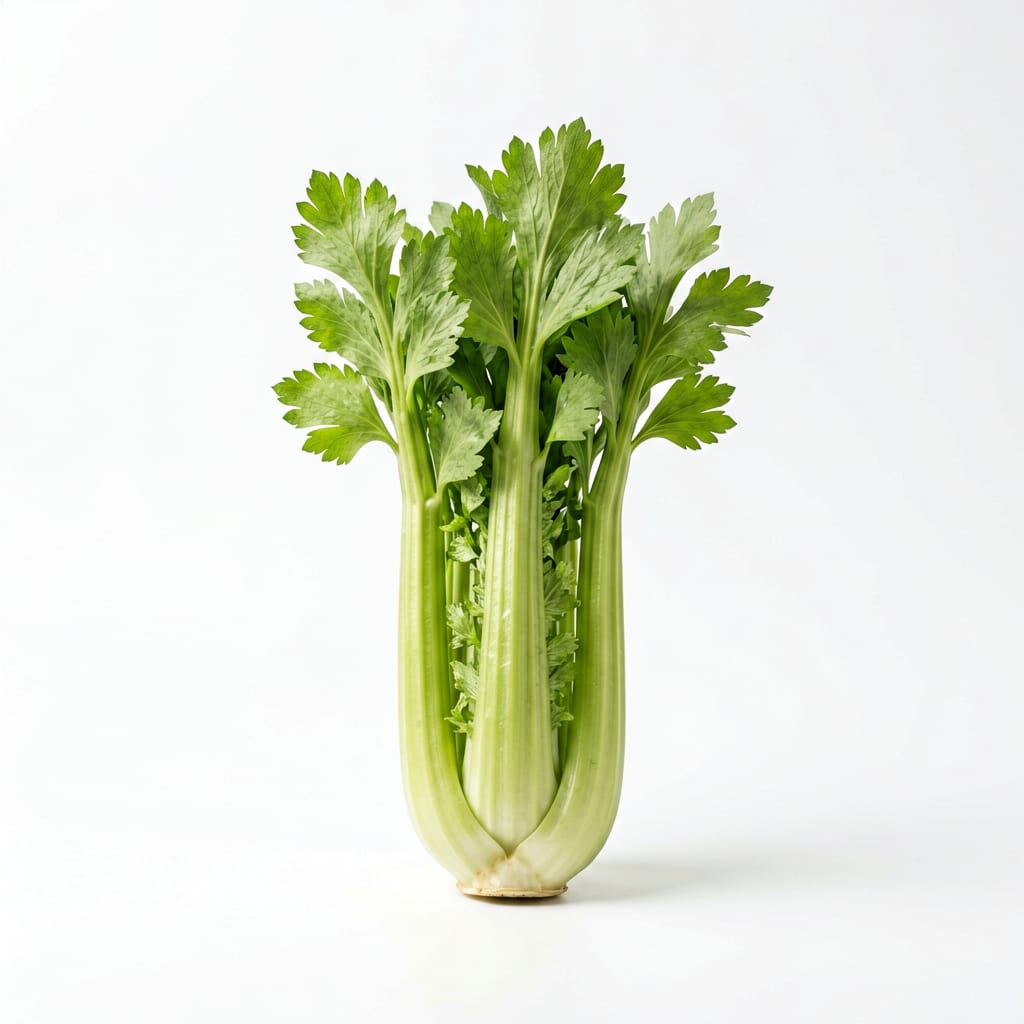
Celery
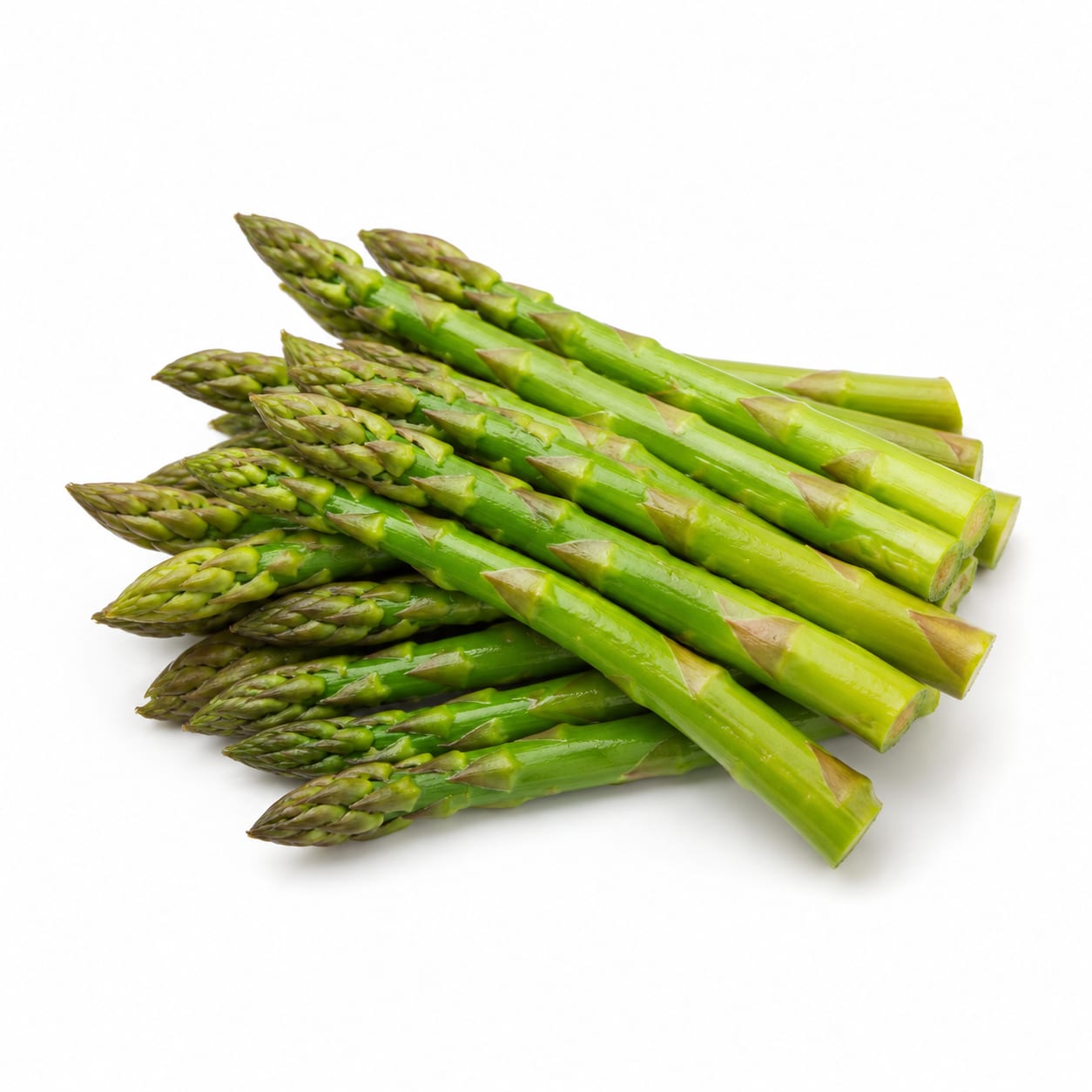
Asparagus
Asparagus delivers far more nutrition per bite, but celery wins for effortless raw snacking and ultra-low calories.
Asparagus scores notably higher due to its superior vitamin, mineral, and antioxidant content. Celery remains valuable for its convenience and near-zero calorie profile, but it simply cannot match asparagus on nutritional substance.
Nutritional punch versus convenience — asparagus nourishes you more, celery is easier to grab and go.
At a glance
Executive summary
Overall
Asparagus
Healthier
Asparagus
More practical
Celery
Daily use
It depends
Key comparison lenses
nutrient density comparison
Asparagus dramatically outperforms celery in vitamins and minerals per calorie, making this the most consequential difference
low calorie snacking
Both are popular weight-loss snacks, but celery is the classic go-to for crunch without calories
digestive health
Asparagus contains prebiotic fiber that feeds gut bacteria, while celery offers mostly insoluble roughage
pesticide exposure
Celery consistently appears on the Dirty Dozen list, making organic selection more urgent
meal versatility
Celery is a raw snacking staple; asparagus shines as a cooked side dish — different use cases entirely
Best choice for
Celery
- Raw snacking and dipping
- Ultra-low calorie diets
- Quick on-the-go crunch
- Adding bulk to meals without adding calories
Asparagus
- Nutrient-dense side dishes
- Prenatal nutrition (folate)
- Gut health support
- Anti-inflammatory eating patterns
Least suitable for
Celery
- Meeting daily vitamin needs efficiently
- Those concerned about pesticide exposure (unless organic)
- Satisfying actual hunger
Asparagus
- Quick no-prep snacking
- Very tight food budgets
- People who dislike cooking vegetables
Deep comparison
Dimension by dimension
Each lens scores both foods and breaks down who each option suits.
- Dimension 1 · Priority 95Asparagus
Nutrient Density
Celery · 25Asparagus · 88Asparagus is a nutritional powerhouse compared to celery's watery minimalism.
Tradeoff
You get significantly more vitamins and minerals from asparagus, but celery is easier to eat in larger volumes.
Why it matters
If you're eating vegetables primarily for health benefits, asparagus delivers substantially more per serving.
Real-world impact
A single serving of asparagus covers a large portion of your daily folate and vitamin K needs; celery barely moves the needle on any nutrient.
Celery
- Eating large volumes without overconsuming nutrients
Better for
- Reliance on celery as a primary vegetable will leave nutritional gaps
Worse for
Asparagus
- Efficiently meeting daily vitamin requirements
- Pregnant women needing folate
- Anyone eating limited portions who needs maximum nutrition per bite
Better for
- Not a concern — asparagus is nutrient-dense by every measure
Worse for
- Dimension 2 · Priority 85Celery
Low-Calorie Snacking
Celery · 92Asparagus · 70Celery is the king of mindless crunch with almost no caloric cost.
Tradeoff
Celery lets you snack almost freely, but you're getting mostly water and fiber. Asparagus has more calories but brings real nutrition along with them.
Why it matters
For emotional or habitual eaters who need volume, celery provides that satisfaction without the calorie anxiety.
Real-world impact
You can eat an entire bunch of celery for under 50 calories — that's comforting freedom for dieters. Asparagus at 27 calories per cup is still very low, but less forgiving in volume.
Celery
- Late-night snacking without guilt
- Mindless munching while working or watching TV
- Pairing with dips like hummus or peanut butter
Better for
- May leave you hungry again quickly since there's almost no substance
Worse for
Asparagus
- A satisfying side dish that actually contributes to your daily nutrition
Better for
- Less convenient for raw snacking — most people prefer it cooked
Worse for
- Dimension 3 · Priority 80Asparagus
Digestive Health
Celery · 55Asparagus · 85Asparagus feeds your gut microbiome; celery mostly just adds roughage.
Tradeoff
Celery's insoluble fiber keeps things moving, but asparagus's inulin actually nourishes beneficial bacteria for long-term gut health.
Why it matters
A healthy gut microbiome affects everything from immunity to mood — prebiotic fiber matters more than most people realize.
Real-world impact
Regular asparagus consumption supports the bacteria that produce short-chain fatty acids, which reduce inflammation. Celery helps you stay regular but doesn't build that deeper gut ecosystem.
Celery
- Quick relief from constipation due to insoluble fiber and high water content
Better for
- Doesn't actively feed beneficial gut bacteria
Worse for
Asparagus
- Long-term gut microbiome diversity
- Supporting immune function through prebiotic fiber
- Reducing gut inflammation over time
Better for
- Can cause noticeable urine odor, which is harmless but off-putting to some
Worse for
- Dimension 4 · Priority 75Asparagus
Antioxidant & Anti-inflammatory Value
Celery · 35Asparagus · 82Asparagus is loaded with glutathione and other anti-inflammatory compounds; celery offers modest flavonoids.
Tradeoff
If fighting inflammation is a priority, asparagus is clearly the better investment of your plate space.
Why it matters
Chronic inflammation drives most modern diseases — food choices that combat it have outsized long-term value.
Real-world impact
Asparagus is one of the top food sources of glutathione, your body's master antioxidant. Celery contains apigenin and luteolin, which are beneficial, but in smaller quantities and with less overall impact.
Celery
- Provides some anti-inflammatory flavonoids as a bonus alongside snacking
Better for
- Not a meaningful source of antioxidants compared to most vegetables
Worse for
Asparagus
- Actively combating oxidative stress
- Supporting liver detoxification pathways
- Reducing chronic inflammation markers
Better for
- No real downside here — asparagus excels in this category
Worse for
- Dimension 5 · Priority 72Asparagus
Pesticide Exposure & Safety
Celery · 40Asparagus · 72Celery is a notorious pesticide magnet; asparagus is one of the cleanest vegetables you can buy.
Tradeoff
With celery, buying organic matters a lot. With asparagus, conventional is relatively safe.
Why it matters
Pesticide load affects hormonal health and cumulative toxic burden — it's not trivial for regular consumers.
Real-world impact
Celery ranks on the EWG's Dirty Dozen almost every year due to its porous structure absorbing chemicals. Asparagus consistently appears on the Clean Fifteen, meaning you can save money buying conventional.
Celery
- No advantage — celery is consistently high in pesticide residues
Better for
- Requires organic purchase to avoid significant pesticide exposure
- Even thorough washing doesn't remove all residues from celery's grooved stalks
Worse for
Asparagus
- Saving money by safely buying conventional
- Lower cumulative pesticide exposure over a lifetime
- Less worry about washing protocols
Better for
- Minimal concerns — asparagus is naturally resistant to many pests
Worse for
- Dimension 6 · Priority 68Celery
Convenience & Versatility
Celery · 85Asparagus · 55Celery is ready to eat with zero prep; asparagus requires trimming and cooking for most people.
Tradeoff
Celery fits into busy lifestyles effortlessly. Asparagus demands a bit more effort but rewards you with better flavor and nutrition.
Why it matters
The best vegetable is the one you actually eat — convenience drives real-world consumption patterns.
Real-world impact
You can grab celery sticks straight from the fridge for a snack. Asparagus needs washing, trimming, and typically roasting, steaming, or grilling — a 15-20 minute commitment.
Celery
- Zero-cook snacking
- Easy to pack in lunchboxes
- Natural vessel for dips and spreads
- Adds crunch to salads without preparation
Better for
- Can feel boring and punitive as a snack — the 'diet food' reputation is real
Worse for
Asparagus
- Elegant side dish for meals
- Pairs beautifully with eggs, fish, and lean proteins
- Grills and roasts quickly with just olive oil and salt
Better for
- Not a grab-and-go option
- Takes up stove or oven space during meal prep
Worse for
Timeline
Health impact over time
Short-term
Hours to days
Celery
- Quick hydration from high water content
- Immediate satiation from crunchy texture and volume
- Very low blood sugar impact — essentially zero glycemic load
- May cause bloating if eaten in large amounts due to insoluble fiber
Asparagus
- Natural diuretic effect reduces water retention quickly
- Inulin may cause temporary gas as gut bacteria adjust
- Steadier energy from more balanced nutrient profile
- Noticeable urine odor within hours — harmless but surprising if unexpected
Long-term
Months to years
Celery
- Minimal nutritional contribution if relied on as a primary vegetable
- Some cardiovascular benefit from phthalides, which may modestly lower blood pressure
- Low antioxidant intake means less protection against cellular aging
- Pesticide accumulation risk if not buying organic consistently
Asparagus
- Significant folate intake supports cell repair and DNA synthesis over time
- Prebiotic fiber builds a more resilient gut microbiome with regular consumption
- Glutathione supports liver health and detoxification capacity
- Vitamin K contributes to bone density maintenance as you age
Risk profile
Safety & processing
Both celery and asparagus are whole, unprocessed vegetables. The main concern is pesticide residues on conventionally grown celery, not additives. Asparagus is naturally pest-resistant and typically cleaner.
Celery
Pesticide residues
highCelery's porous, grooved stalks absorb and retain pesticides more than most vegetables. It consistently ranks on the Dirty Dozen list. Buying organic strongly recommended.
Foodborne illness from improper storage
lowCelery can harbor bacteria in its crevices if left at room temperature too long, but this is easily managed with refrigeration and washing.
Asparagus
Pesticide residues
lowAsparagus is on the Clean Fifteen list. Very low pesticide concern even when conventionally grown.
Allergic reactions in sensitive individuals
lowRare but possible cross-reactivity in people allergic to onions, garlic, or other alliums. Also possible in those with birch pollen allergy.
Who wins for whom
Audience fit
Same foods, different winners depending on your goal.
children
CeleryCelery sticks with peanut butter or ranch are a kid-friendly classic. Asparagus is a tougher sell to most children due to its stronger flavor and stringy texture, though roasted spears can win some kids over.
daily consumption
It dependsCelery is easier to eat daily as a snack, but asparagus provides more cumulative nutritional benefit. Rotating both is ideal — celery for snacking, asparagus with meals.
diabetes
AsparagusBoth have minimal blood sugar impact, but asparagus offers more chromium and fiber types that support insulin sensitivity. Its prebiotic fiber also improves metabolic markers over time.
elderly
AsparagusAsparagus delivers folate, vitamin K, and B6 that support cognitive health and bone density — both critical concerns for aging adults. Its softer texture when cooked is also easier to chew.
muscle gain
AsparagusAsparagus provides more magnesium, potassium, and B vitamins that support muscle function and recovery. Neither is a protein source, but asparagus contributes more to the micronutrient foundation muscles need.
weight loss
It dependsCelery is better for volume eating and raw snacking with minimal calories. Asparagus is better for nutrient-satiety — it actually nourishes you while staying low-calorie. Choose celery for snacking habits, asparagus for meal satisfaction.
Your move
Decision guide
Choose Celery
- You want a zero-effort crunchy snack you can eat freely
- You're counting calories strictly and need volume without cost
- You love dipping vegetables in hummus, guacamole, or nut butter
- You're packing lunchboxes and need something sturdy and portable
- You're willing to buy organic to avoid pesticide concerns
Choose Asparagus
- You want maximum nutrition from your vegetable choices
- You're pregnant or trying to conceive and need folate
- Gut health is a priority for you
- You enjoy cooking and want a versatile side dish
- You want to spend less on organic produce — asparagus is safe conventional
Either works if
- You simply want more vegetables in your diet and enjoy both
- You're building a balanced plate with variety
- You're eating for general health without specific restrictions
Avoid both if
- You have a severe allergy to either (rare but possible)
- You're on a very low-fiber diet for medical reasons — both contain notable fiber
Final recommendation
Eat both, but let asparagus do the heavy nutritional lifting. Use celery when you need a convenient, low-calorie crunch, and serve asparagus as a cooked side dish a few times per week. If budget forces a choice, asparagus gives you more health value per dollar — especially since you can safely buy it conventional. Just remember: organic celery matters, conventional asparagus is fine.
Practical
Consumer tips
- 1
Buy organic celery whenever possible — it's one of the worst offenders for pesticide residues
- 2
Asparagus is safe to buy conventional, saving you money without significant health tradeoffs
- 3
Snap asparagus stalks at the natural break point rather than cutting — it removes the woody end perfectly
- 4
Store celery wrapped in aluminum foil in the crisper — it stays crisp for weeks
- 5
Roast asparagus at 400°F for 12 minutes with olive oil, salt, and a squeeze of lemon — simple and delicious
- 6
If celery tastes bitter, try peeling the outer strings — it dramatically improves the flavor
- 7
Freeze asparagus blanching first if you buy it in season — it retains nutrients well
- 8
Add celery to soups and stews for aromatic depth even if you don't love eating it raw