
Nutrition comparison
Celery vs Broccoli: Which Vegetable Is Actually Better for You?
Compare celery and broccoli nutrition, health benefits, and practical tradeoffs. Find out which vegetable wins for weight loss, daily nutrition, and disease prevention.
Overall winner · Broccoli
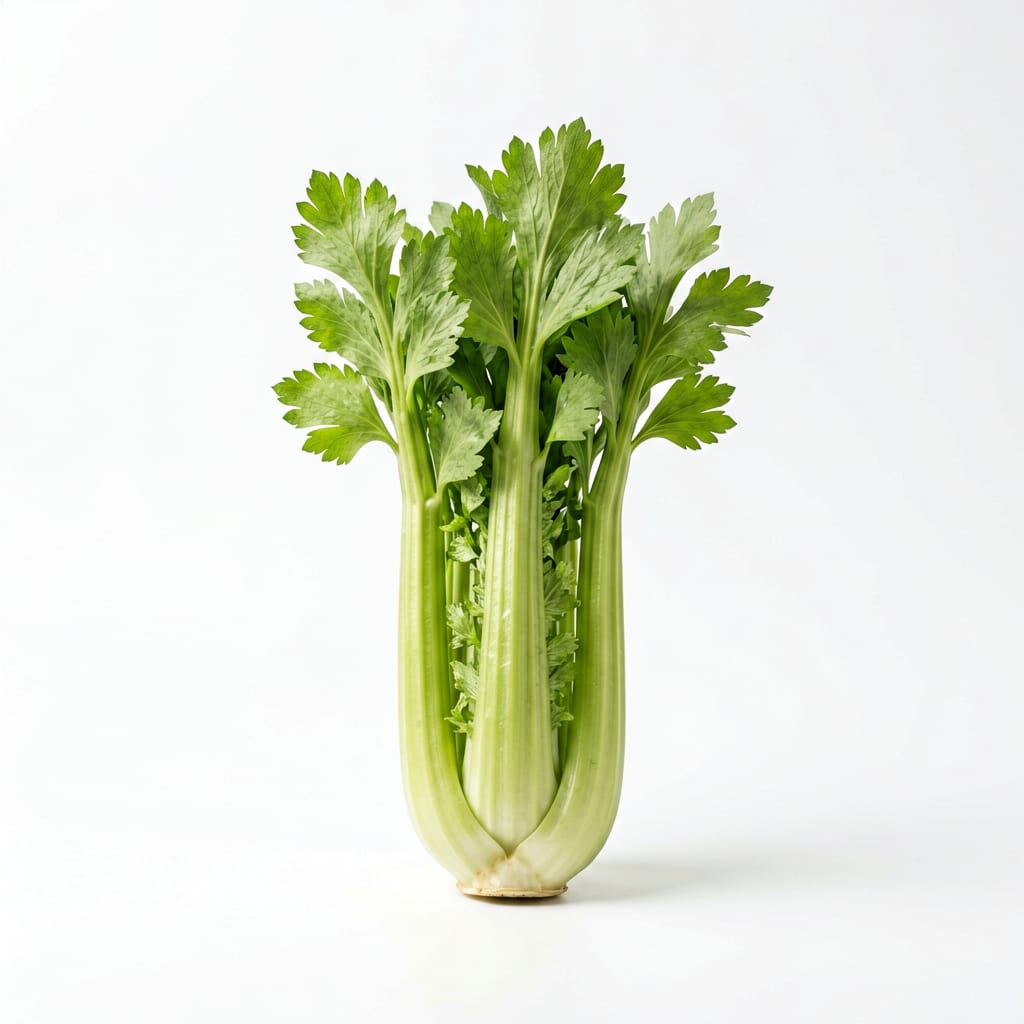
Celery
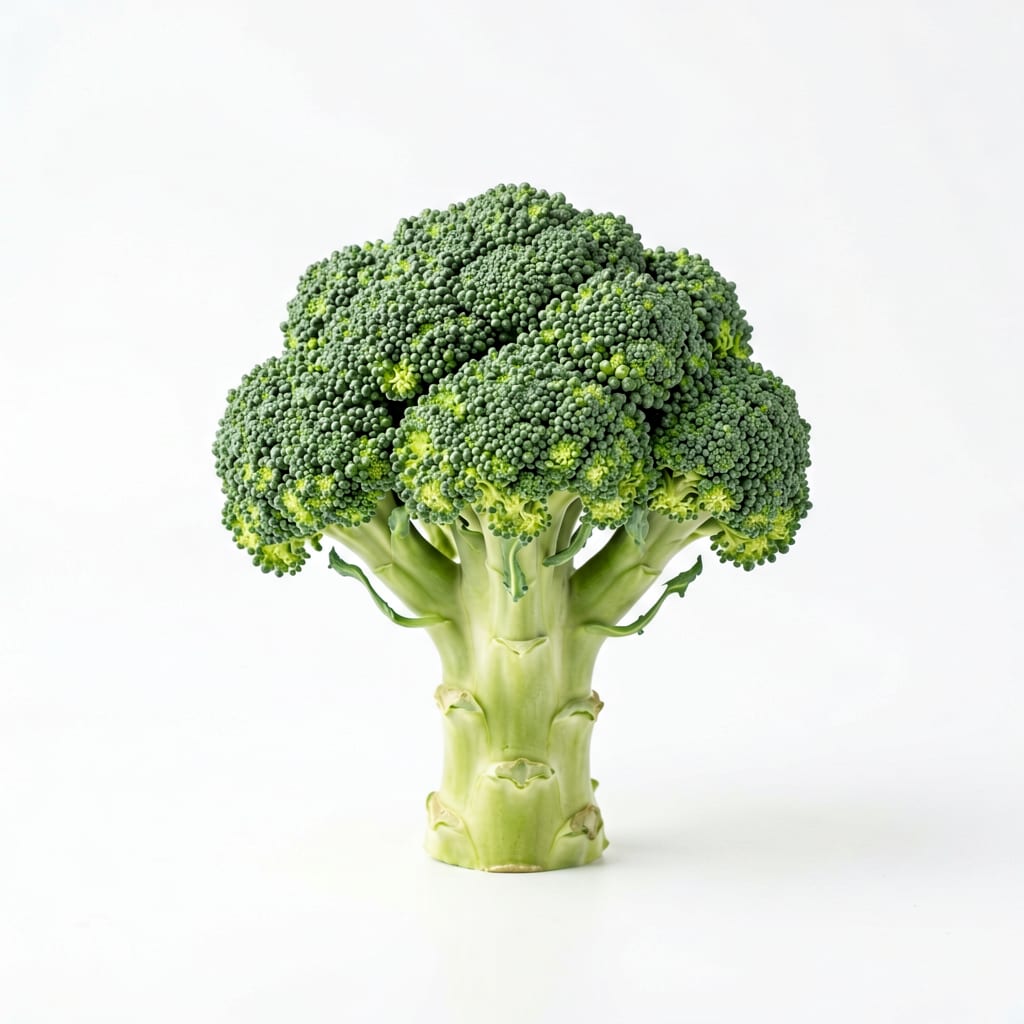
Broccoli
Broccoli delivers far more nutrition per calorie and is the stronger daily vegetable choice, but celery has a real role as a low-effort, hydrating crunch snack.
Broccoli scores significantly higher due to vastly superior nutrient density, fiber content, and disease-fighting compounds. Celery earns points for convenience, hydration, and digestive gentleness but cannot compete as a nutritional powerhouse.
Celery is easier to snack on and gentler on digestion, but you get significantly more vitamins, fiber, and disease-fighting compounds from broccoli.
At a glance
Executive summary
Overall
Broccoli
Healthier
Broccoli
More practical
Celery
Daily use
Broccoli
Key comparison lenses
nutrient density per calorie
These vegetables differ dramatically in how many vitamins and minerals you get per bite
weight loss snacking
Both are classic diet foods but serve very different roles in a weight loss plan
daily vegetable intake
Users choosing between these are often deciding what to eat regularly for health
digestive tolerance
Broccoli can cause bloating while celery is gentler on sensitive stomachs
pesticide exposure
Celery consistently ranks on the Dirty Dozen list for pesticide residues
Best choice for
Celery
- People who need a nearly calorie-free crunch snack
- Anyone with sensitive digestion who struggles with cruciferous vegetables
- Busy snackers who want zero-prep raw food
- People trying to increase hydration through food
Broccoli
- People prioritizing maximum nutrition per calorie
- Anyone focused on cancer-fighting and anti-inflammatory compounds
- Those who want a filling vegetable that actually reduces hunger
- Families looking for a nutrient-dense side dish
Least suitable for
Celery
- Anyone relying on it as a primary vegetable source
- People who need satiety from their snacks
- Those concerned about pesticide exposure who cannot buy organic
Broccoli
- People with IBS or severe cruciferous sensitivity
- Anyone wanting a grab-and-go raw snack with no prep
- Those who get bloated easily from fibrous vegetables
Deep comparison
Dimension by dimension
Each lens scores both foods and breaks down who each option suits.
- Dimension 1 · Priority 95Broccoli
Nutrient Density
Celery · 25Broccoli · 90Broccoli is one of the most nutrient-dense vegetables available. Celery is mostly water with trace nutrients.
Tradeoff
Celery is refreshingly light but you need to eat massive quantities to get meaningful vitamins. A single cup of broccoli covers most of your daily vitamin C and K needs.
Why it matters
If your vegetable intake is limited, choosing broccoli means each bite actually contributes to your nutritional needs.
Real-world impact
One cup of broccoli gives you more vitamin C than an orange. You would need to eat an entire bunch of celery to get comparable amounts of most vitamins.
Celery
- Staying hydrated through food
- Having something to chew with almost no caloric impact
Better for
- Relying on celery as your main vegetable will leave significant nutritional gaps
Worse for
Broccoli
- Meeting daily vitamin requirements efficiently
- Getting meaningful folate, potassium, and iron from vegetables
Better for
- Overcooking destroys much of the vitamin content, reducing the advantage
Worse for
- Dimension 2 · Priority 85Broccoli
Satiety and Fullness
Celery · 30Broccoli · 78Broccoli's fiber and protein content make it genuinely filling. Celery's water content provides temporary volume but little lasting satisfaction.
Tradeoff
Celery can feel filling momentarily due to water volume, but hunger returns quickly. Broccoli keeps you satisfied for much longer.
Why it matters
A snack that leaves you hungry again in 30 minutes can lead to overeating later.
Real-world impact
Eating a cup of steamed broccoli with a meal can meaningfully reduce how much you eat overall. Celery sticks often just delay the next snack.
Celery
- Having something to munch on without feeling heavy
Better for
- Unlikely to prevent overeating at your next meal
Worse for
Broccoli
- Reducing overall calorie intake by increasing fullness
- Preventing between-meal hunger spikes
Better for
- The fullness can feel uncomfortable if you have a sensitive stomach
Worse for
- Dimension 3 · Priority 90Broccoli
Disease-Fighting Compounds
Celery · 20Broccoli · 92Broccoli contains sulforaphane and other glucosinolates with strong anti-cancer properties. Celery offers modest antioxidant benefits.
Tradeoff
If preventing chronic disease is a priority, broccoli is in a completely different league than celery.
Why it matters
Sulforaphane is one of the most studied natural compounds for cancer prevention and cellular detoxification.
Real-world impact
Regular broccoli consumption is linked to reduced risks of several cancers. Celery has no comparable body of evidence for disease prevention.
Celery
- Providing some anti-inflammatory flavonoids like luteolin
Better for
- Minimal evidence for meaningful disease prevention
Worse for
Broccoli
- Activating cellular detoxification pathways
- Reducing inflammation markers long-term
- Supporting DNA repair mechanisms
Better for
- Benefits require regular consumption, not occasional eating
Worse for
- Dimension 4 · Priority 75Celery
Convenience and Snackability
Celery · 88Broccoli · 45Celery is ready to eat raw with zero preparation. Broccoli typically requires washing, cutting, and cooking for best results.
Tradeoff
Celery wins on pure convenience but you sacrifice nutrition. Raw broccoli is edible but less palatable and harder to digest than cooked.
Why it matters
The vegetable you actually eat always beats the one that sits in your fridge because prep feels like effort.
Real-world impact
Celery sticks can be grabbed on the way out the door. Broccoli demands at least 5 minutes of steaming or roasting to be enjoyable.
Celery
- Zero-cook snacking straight from the fridge
- Easy to pair with nut butter or hummus for a quick snack
- Portable and mess-free
Better for
- Limited to raw use, not versatile in cooking
Worse for
Broccoli
- Batch cooking for the week is straightforward
- Freezes well for meal prep
Better for
- Requires cooking knowledge and time investment
Worse for
- Dimension 5 · Priority 70Celery
Digestive Tolerance
Celery · 80Broccoli · 40Celery is gentle and easy to digest for most people. Broccoli is a common trigger for bloating and gas.
Tradeoff
If you have IBS or a sensitive gut, celery is the safer choice despite being less nutritious.
Why it matters
A vegetable that causes discomfort will not become a sustainable habit regardless of its health benefits.
Real-world impact
Many people avoid broccoli specifically because of gas and bloating. Celery rarely causes digestive complaints.
Celery
- Sensitive stomachs and IBS management
- Eating before physical activity without discomfort
Better for
- Low fiber means less benefit for gut microbiome diversity
Worse for
Broccoli
- Feeding beneficial gut bacteria with prebiotic fiber
Better for
- Cruciferous vegetables are top triggers for bloating and flatulence
Worse for
- Dimension 6 · Priority 65Broccoli
Pesticide and Contamination Risk
Celery · 35Broccoli · 72Celery consistently appears on the Environmental Working Group's Dirty Dozen list. Broccoli is typically a cleaner choice.
Tradeoff
If you cannot afford organic, broccoli is the safer bet for reducing pesticide exposure.
Why it matters
Celery's porous structure absorbs and retains pesticides more than many other vegetables.
Real-world impact
Conventional celery often tests positive for multiple pesticide residues. Broccoli naturally resists many pests and requires fewer chemical treatments.
Celery
- Minimal foodborne illness risk
Better for
- High pesticide retention requires thorough washing or buying organic
Worse for
Broccoli
- Lower pesticide residue when conventionally grown
- Natural pest resistance means fewer chemicals used in farming
Better for
- Occasional concerns with organophosphate residues on conventional crops
Worse for
Timeline
Health impact over time
Short-term
Hours to days
Celery
- Quick hydration boost from high water content
- Minimal blood sugar impact, safe for glucose-sensitive individuals
- Low risk of digestive discomfort
Broccoli
- Noticeable fullness after eating, helps with portion control
- Possible gas and bloating within hours of consumption
- Vitamin C provides an immediate antioxidant boost
Long-term
Months to years
Celery
- Insufficient as a primary vegetable, may lead to nutrient gaps if over-relied upon
- Modest blood pressure support from natural sodium and potassium content
- Low fiber intake does not support optimal gut microbiome diversity
Broccoli
- Reduced inflammation markers with regular consumption
- Stronger gut microbiome from prebiotic fiber
- Lower risk of several cancers associated with sulforaphane intake
- Improved bone density from high vitamin K content
Risk profile
Safety & processing
Both celery and broccoli are whole, unprocessed vegetables. Neither typically contains additives when purchased fresh. The main concern is pesticide residues on conventional celery, not processing.
Celery
Pesticide residues
mediumCelery ranks consistently on the Dirty Dozen list. Its porous stalks absorb and hold chemicals. Washing helps but does not eliminate all residues. Buying organic significantly reduces this risk.
Allergic reactions
lowCelery allergy is more common in Europe and can cause severe reactions in sensitive individuals. This is a concern for a small subset of people.
Broccoli
Pesticide residues
lowBroccoli is generally a cleaner conventional choice. Its natural pest resistance means fewer chemicals are used in farming.
Thyroid interference
lowRaw broccoli contains goitrogens that can interfere with thyroid function in very large amounts. Cooking significantly reduces this concern. This is mainly relevant for people with existing thyroid conditions.
Who wins for whom
Audience fit
Same foods, different winners depending on your goal.
children
It dependsCelery is easier for kids to eat raw and is less likely to cause tummy aches. Broccoli provides far more nutrition but many children resist it. Both work if prepared appropriately for the child's preferences.
daily consumption
BroccoliBroccoli delivers substantially more health benefits per serving. Eating it daily provides cumulative anti-inflammatory and cancer-fighting advantages that celery cannot match.
diabetes
BroccoliBoth have minimal blood sugar impact, but broccoli's fiber slows glucose absorption from other foods in the same meal, and sulforaphane may improve insulin sensitivity.
elderly
BroccoliBroccoli's higher vitamin K supports bone density, and its anti-inflammatory compounds help with age-related chronic disease prevention. The cooking required also makes it easier to chew for those with dental concerns.
muscle gain
BroccoliNeither is a protein source, but broccoli has slightly more protein per serving and provides the micronutrients that support recovery and hormone production.
weight loss
BroccoliBroccoli provides more satiety per calorie, making it easier to eat less overall. Celery is nearly calorie-free but does not reduce hunger effectively.
Your move
Decision guide
Choose Celery
- You need a grab-and-go snack with almost zero calories
- Cruciferous vegetables cause you significant bloating or discomfort
- You want something to munch on while working or watching TV
- You are focusing on hydration through food
Choose Broccoli
- You want maximum health return from your vegetable choices
- Cancer prevention and anti-inflammatory eating are priorities
- You need a filling side dish that helps with portion control
- You are meal prepping and can cook vegetables in advance
Either works if
- You simply need more vegetables in your diet overall
- You are building a varied vegetable rotation for different nutrients
- You want low-calorie options to replace processed snacks
Avoid both if
- You need concentrated calorie or protein sources for weight gain
- You are looking for a complete meal rather than a vegetable component
Final recommendation
Make broccoli your primary daily vegetable for its unmatched nutrient density and disease-fighting power. Keep celery as a secondary snack option for moments when you want crunch without cooking. The ideal approach is using both: broccoli as your nutritional anchor, celery as your convenient bridge snack.
Practical
Consumer tips
- 1
Buy organic celery when possible due to high pesticide residues on conventional stalks
- 2
Lightly steam broccoli instead of boiling to preserve sulforaphane and vitamin content
- 3
Chopping broccoli and waiting 40 minutes before cooking maximizes sulforaphane formation
- 4
Pair celery with hummus or nut butter to add protein and make it a more satisfying snack
- 5
Store celery wrapped in foil in the fridge to keep it crisp for over two weeks
- 6
If broccoli causes bloating, try roasting it instead of steaming, which can be easier to digest
- 7
Frozen broccoli retains most nutrients and is more convenient for weekly meal prep