
Nutrition comparison
Romaine Lettuce vs Celery: Which Low-Calorie Vegetable Is Actually Better for You?
Compare Romaine Lettuce and Celery on nutrition, snacking satisfaction, food safety, and daily practicality. Find out which one deserves more space in your fridge.
Overall winner · Romaine Lettuce
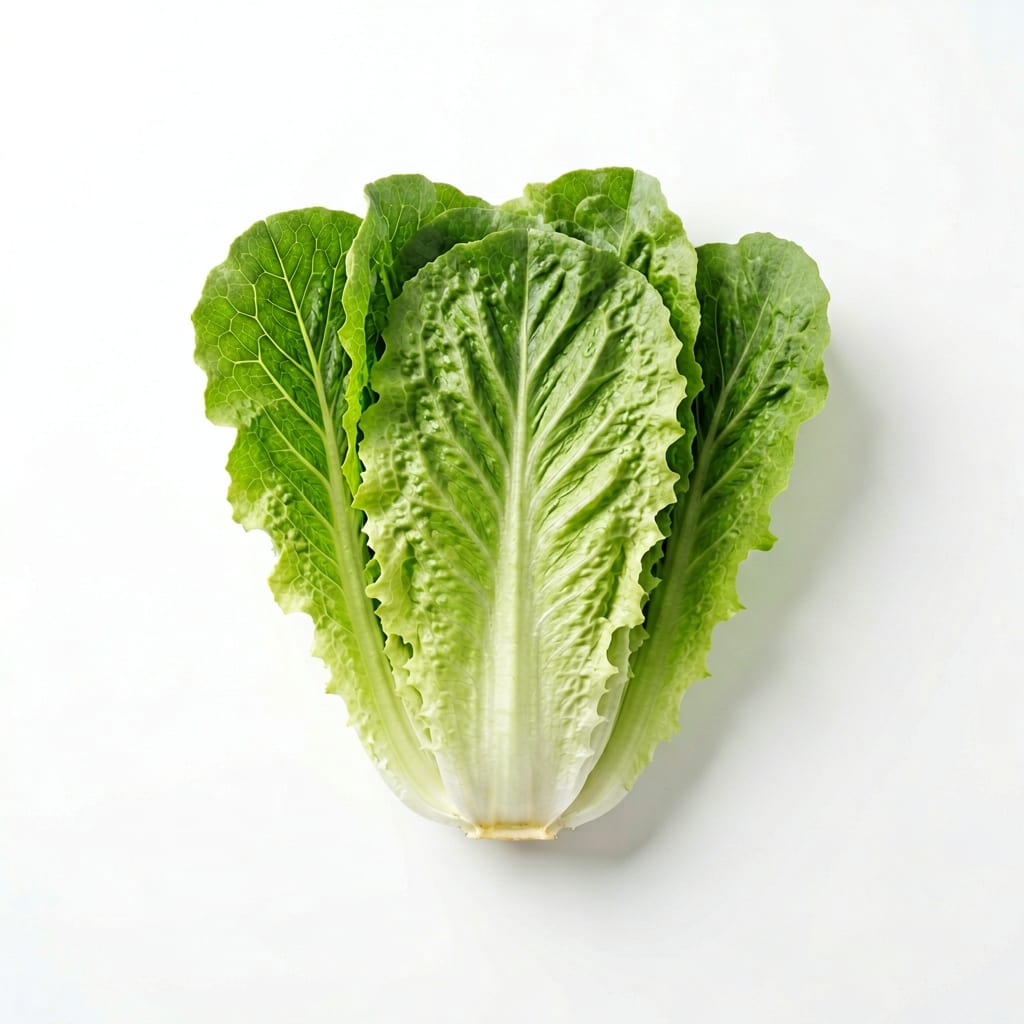
Romaine Lettuce
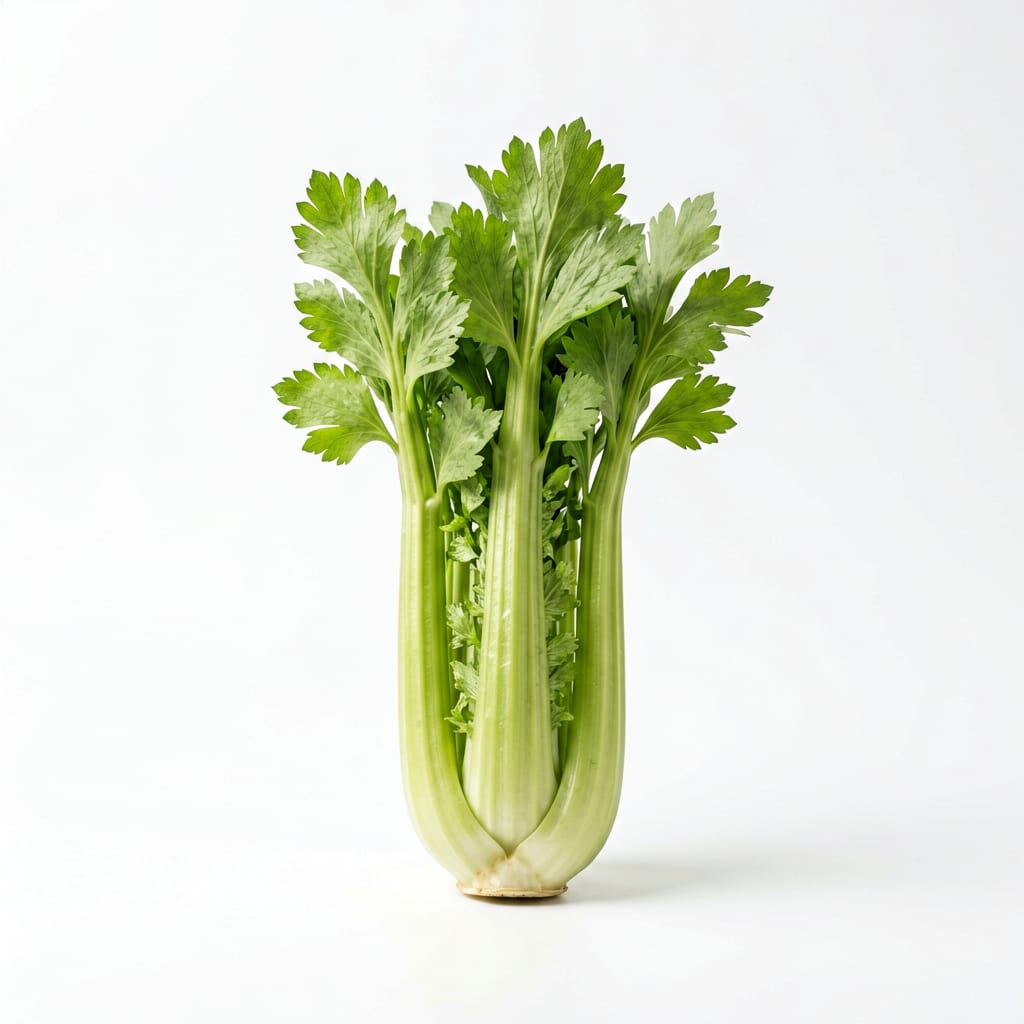
Celery
Romaine Lettuce delivers significantly more vitamins per calorie, while Celery offers better snacking crunch and convenience.
Romaine scores higher due to superior vitamin content, especially folate and vitamin A. Celery trails slightly because its nutrient density is lower despite excellent snacking utility. Both are low-impact foods where the score gap reflects modest but meaningful nutritional differences.
Romaine wins on nutrition, but Celery wins on grab-and-go practicality and satiety from crunch.
At a glance
Executive summary
Overall
Romaine Lettuce
Healthier
Romaine Lettuce
More practical
Celery
Daily use
It depends
Key comparison lenses
low-calorie snacking and weight loss
Both foods are famously low-calorie crunch options people choose when dieting
nutrient density comparison
Users want to know which watery vegetable actually delivers more vitamins per bite
salad base vs snack stick versatility
These foods serve very different practical roles in the kitchen
food safety concerns
Romaine has had notable E. coli outbreaks; celery has pesticide residue issues
hydration and digestive gentleness
Both are high-water, low-fiber crunch foods often recommended for sensitive stomachs
Best choice for
Romaine Lettuce
- Salad builders wanting maximum nutrients per calorie
- Anyone needing more folate, vitamin A, or vitamin K
- Meal prep that benefits from a leafy base
- People avoiding sodium naturally
Celery
- Snackers who want something crunchy and portable
- Anyone pairing dips like hummus or peanut butter
- People who find chewing crunchier foods more satisfying
- Those wanting a low-effort, no-prep vegetable option
Least suitable for
Romaine Lettuce
- People who find leafy greens unappealing as standalone snacks
- Anyone needing a dip vehicle that holds up without tearing
- Situations requiring no-refrigeration portability
Celery
- People on low-sodium diets who are very salt-sensitive
- Anyone concerned about pesticide exposure from conventional produce
- Those wanting a substantial nutrient payoff per calorie
Deep comparison
Dimension by dimension
Each lens scores both foods and breaks down who each option suits.
- Dimension 1 · Priority 95Romaine Lettuce
Nutrient Density
Romaine Lettuce · 78Celery · 45Romaine delivers substantially more vitamins A, K, and folate per calorie than Celery.
Tradeoff
Celery offers modest potassium and a unique antioxidant called apigenin, but Romaine's vitamin profile is far more complete.
Why it matters
If you're eating a low-calorie vegetable to get actual nutrition, Romaine gives you more return per bite.
Real-world impact
A large Romaine salad covers a significant chunk of your daily vitamin A and folate. Eating the same calories of Celery barely moves the needle on most vitamins.
Romaine Lettuce
- Meeting daily vitamin A needs
- Boosting folate intake naturally
- Getting more vitamin K for bone health
Better for
- Not a significant potassium source
Worse for
Celery
- Adding a little extra potassium
- Getting apigenin, a flavonoid linked to anti-inflammatory benefits
Better for
- Very low in most vitamins relative to calories consumed
- Minimal folate or beta-carotene
Worse for
- Dimension 2 · Priority 88Celery
Satiety and Snacking Satisfaction
Romaine Lettuce · 50Celery · 74Celery's crunch and structural integrity make it far more satisfying as a standalone snack.
Tradeoff
Romaine is better eaten as part of a meal, while Celery holds its own as a between-meal bite.
Why it matters
Crunch triggers satiety signals and makes snacking feel more substantial, which helps with portion control.
Real-world impact
Three celery sticks with hummus feel like a real snack. Three Romaine leaves feel like you forgot the rest of your salad.
Romaine Lettuce
- Adding bulk to meals without adding calories
Better for
- Flimsy texture makes it a poor dip vehicle
- Leaves feel insubstantial as a solo snack
Worse for
Celery
- Standalone snacking between meals
- Pairing with dips without falling apart
- Chewing satisfaction that curbs mindless eating
Better for
- Not as useful for building volume in meals
Worse for
- Dimension 3 · Priority 72It depends
Hydration and Digestive Tolerance
Romaine Lettuce · 70Celery · 72Both are extremely high in water and very gentle on digestion. Celery has slightly more fiber per calorie.
Tradeoff
Celery's stringy fiber can bother some people with sensitive digestion, while Romaine is almost universally easy to tolerate.
Why it matters
For most people both are safe, but those with IBS or digestive sensitivity may notice a difference.
Real-world impact
Romaine is the safer bet if you have a sensitive stomach. Celery's strings can be irritating if you don't chew thoroughly.
Romaine Lettuce
- People with IBS or sensitive digestion
- Anyone who has trouble with stringy or fibrous textures
Better for
- Very low fiber overall
Worse for
Celery
- Slightly more fiber per serving for regularity
- Natural sodium helps with hydration after sweating
Better for
- Stringy texture can cause digestive discomfort in sensitive individuals
Worse for
- Dimension 4 · Priority 80Celery
Food Safety and Contamination Risk
Romaine Lettuce · 48Celery · 62Romaine has a history of E. coli outbreaks, while Celery's main concern is pesticide residue.
Tradeoff
Bacterial contamination risk is more immediately dangerous than pesticide residue, though both are manageable with proper handling.
Why it matters
Romaine recalls have been significant enough to affect public health warnings multiple times in recent years.
Real-world impact
If you're immunocompromised or pregnant, Romaine requires more caution and thorough washing. Celery's pesticide risk is reduced by buying organic.
Romaine Lettuce
- Lower pesticide residue risk when washed properly
Better for
- Multiple E. coli outbreaks linked to Romaine in recent years
- Leafy structure traps contamination more easily
- Higher foodborne illness risk for vulnerable populations
Worse for
Celery
- No history of major bacterial outbreak recalls
- Organic options widely available and effective at reducing pesticide concerns
Better for
- Consistently appears on EWG's Dirty Dozen list for pesticide residue
- Difficult to wash thoroughly due to stalk structure
Worse for
- Dimension 5 · Priority 78It depends
Kitchen Versatility and Convenience
Romaine Lettuce · 72Celery · 70Romaine is the better meal builder; Celery is the better grab-and-go snack.
Tradeoff
They serve fundamentally different culinary roles, making direct comparison tricky.
Why it matters
The right choice depends more on how you eat than what's objectively better.
Real-world impact
If you make salads daily, Romaine is indispensable. If you need desk snacks, Celery is the clear winner.
Romaine Lettuce
- Building substantial salads and wraps
- Adding crisp freshness to sandwiches and burgers
- Meal prep as a leafy base
Better for
- Wilts quickly, shorter fridge life
- Poor dip vehicle, tears easily
Worse for
Celery
- Zero-prep snacking straight from the fridge
- Sturdy dip vehicle that doesn't collapse
- Adding crunch to soups and stir-fries
Better for
- Limited role in meals beyond snacking and garnish
- Doesn't work as a salad base
Worse for
Timeline
Health impact over time
Short-term
Hours to days
Romaine Lettuce
- Very low calorie intake with meaningful vitamin A and K delivery
- Light hydration boost from high water content
- Minimal blood sugar impact
Celery
- Crunch-based satiety that can reduce between-meal hunger
- Natural sodium provides mild electrolyte support after exercise
- Very low calorie with negligible blood sugar effect
Long-term
Months to years
Romaine Lettuce
- Consistent folate intake supports cellular repair and heart health
- Vitamin K accumulation benefits bone density over time
- Low calorie density supports sustainable weight management
Celery
- Apigenin intake may offer anti-inflammatory and cellular protection benefits
- Habitual low-calorie snacking supports weight maintenance
- Modest potassium contribution helps long-term blood pressure regulation
Risk profile
Safety & processing
Both Romaine Lettuce and Celery are whole, unprocessed vegetables with no additives. The only processing concern is how they're grown and washed before reaching you, not anything added to them.
Romaine Lettuce
E. coli and bacterial contamination
highRomaine has been linked to multiple multi-state E. coli outbreaks. Its leafy structure traps water and bacteria close to the stem, making thorough cleaning difficult.
Pesticide residue
mediumModerate pesticide residue compared to other leafy greens. Washing reduces but doesn't eliminate all residue.
Celery
Pesticide residue
highCelery consistently ranks on the EWG Dirty Dozen list. Its porous stalks absorb and retain pesticides more than many other vegetables.
String fiber choking hazard
lowTough strings can be a choking risk for young children or elderly if not properly chewed or removed.
Who wins for whom
Audience fit
Same foods, different winners depending on your goal.
children
CeleryCelery sticks with peanut butter or hummus are a kid-friendly snack that's fun to eat. Romaine is often rejected by picky eaters.
daily consumption
Romaine LettuceRomaine's superior vitamin content makes daily consumption more worthwhile nutritionally, especially as a salad base.
diabetes
It dependsBoth have negligible impact on blood sugar. Celery's crunch may help satisfy snacking urges without triggering glucose spikes.
elderly
Romaine LettuceRomaine is easier to chew and digest for aging teeth and sensitive stomachs. Celery's stringy texture can be challenging.
muscle gain
It dependsNeither food contributes meaningful protein or calories for muscle gain. Romaine offers slightly more folate which supports cell turnover during recovery.
weight loss
It dependsRomaine is better for building large, low-calorie meals. Celery is better for snacking between meals. Both support weight loss in different ways.
Your move
Decision guide
Choose Romaine Lettuce
- You eat salads regularly and want maximum nutritional payoff
- You need more folate, vitamin A, or vitamin K in your diet
- You have digestive sensitivity and need gentle fiber
- You're building meals, not just snacking
Choose Celery
- You want a crunchy snack that pairs well with dips
- You need something portable and low-maintenance
- You find chewing satisfying and it helps you eat less overall
- You want a vegetable that works at your desk or on the go
Either works if
- You just want a low-calorie way to add volume to your day
- Hydration from food matters to you
- You're looking for gentle, blood-sugar-friendly options
Avoid both if
- You need substantial calories or protein from your vegetables
- You're looking for a food that provides lasting fullness on its own
- You have severe oral allergy syndrome related to raw vegetables
Final recommendation
Keep both in your kitchen. Use Romaine Lettuce as your meal builder for salads and wraps where its vitamin content shines. Use Celery as your go-to crunch snack with hummus or peanut butter. They complement each other perfectly rather than competing.
Practical
Consumer tips
- 1
Buy organic Celery whenever possible — it's one of the highest pesticide residue vegetables and the extra cost is genuinely worth it
- 2
Wash Romaine leaves individually under running water, especially near the base where bacteria collect
- 3
Store Romaine with a paper towel in a bag to extend fridge life by several days
- 4
Peel Celery strings with a vegetable peeler if texture bothers you or if serving to children or elderly
- 5
Pre-cut Celery sticks last about 5 days in the fridge and make healthy snacking dramatically easier
- 6
If you're immunocompromised, consider cooking Romaine briefly or using it in soups to reduce bacterial risk