
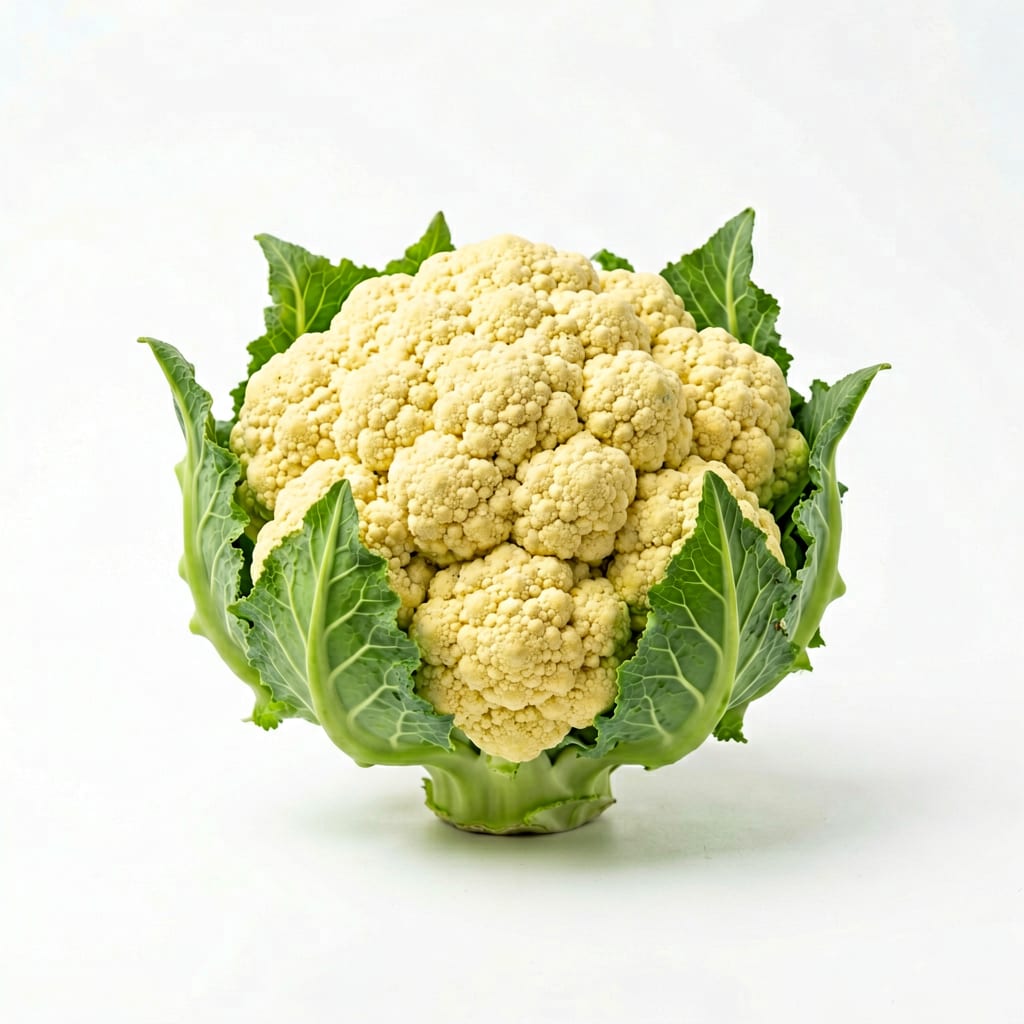
Cruciferous Vegetable
Cauliflower
A low-calorie, high-fiber cruciferous vegetable often used as a low-carb substitute for rice and potatoes.
A versatile, low-calorie cruciferous vegetable recognized by its white, tightly packed florets. It is widely used in low-carb and keto diets as a substitute for grains and starches.
high-volume low-calorie cruciferous vegetable
Typical serving · 100g
Common varieties · white, romanesco, purple, orange, green
Overall context score across nutrition, safety, and diet fit
At a glance
Quick facts
Simple indicators based on nutrition, processing, and diet fit.
The story
What makes it unique
Cauliflower is a low-energy-density food with a macronutrient profile dominated by complex carbohydrates and fiber, resulting in slow digestion and high satiety relative to caloric intake. Its glucosinolate content breaks down into bioactive compounds like sulforaphane during chopping or chewing. As a minimally processed whole food, it retains its natural cellular structure, preserving its low glycemic impact.
Varieties: white · romanesco · purple · orange · green
Per 100g
Nutrition breakdown
Macro balance and key metrics at a glance.
Energy
Density 0.25 kcal/g
Protein
Carbs
Fat
Fiber
Sugar
2.5 g
Sodium
30 mg
Potassium
299 mg
Glycemic index
15
Glycemic load
1
Water content
92%
Standout compounds
Nutrient highlights
Vitamin C
highSupports immune function and collagen synthesis
Vitamin K
moderateEssential for blood clotting and bone metabolism
Folate
moderateCrucial for cell division and DNA synthesis
Fiber
moderatePromotes digestive regularity and gut microbiome health
Sulforaphane
moderatePotent antioxidant linked to reduced inflammation and cellular protection
Wellness map
Health scores & processing
NOVA processing scale
minimally processed · Whole food
Raw cauliflower is an unprocessed whole food. Pre-riced or pre-cut versions remain minimally processed unless preservatives or flavorings are added.
Diet compatibility
- Weight loss
- Muscle gain
- Diabetes
- Gut health
- Low carb
- High protein
- Heart health
Relative standing
Food rankings
Qualitative ranks compared to similar whole foods.
- Satietygood
- Blood sugarexcellent
- Nutrient densitygood
- Fitness fuelmoderate
- Processing qualityexcellent
Eat with confidence
Food safety profile
Cauliflower is generally safe with low risk for microbial contamination. The primary concern is pesticide residue on tightly packed florets, which can be mitigated by choosing organic or washing thoroughly.
Evidence confidence 90%
- Pesticidesmoderate
- Antibioticslow
- Heavy metalslow
- Contaminationlow
Watch for
- pesticide residue
- aphids
- soil bacteria
Safer choices
Organic cauliflower reduces exposure to synthetic pesticides.
Prep tips
Soak florets in a solution of water and baking soda or salt for 10-15 minutes to dislodge insects and reduce pesticide residue before rinsing.
Conventional cauliflower often appears on the EWG's Dirty Dozen list due to pesticide residues, though washing significantly reduces surface chemicals.
Deep dive
Health analysis
How this food may fit different goals and preparation choices.
Weight loss
Extremely low energy density allows large portion sizes with minimal calories, promoting fullness without caloric excess.
Blood sugar
Very low glycemic index and load; causes negligible blood sugar spikes, making it ideal for glucose management.
Fitness & energy
Not a primary energy source due to low carbohydrates and calories, but useful for volume-eating during calorie cuts.
Gut health
Fiber feeds beneficial gut bacteria, while glucosinolates support gut lining integrity and reduce inflammation.
Processing quality
Whole cauliflower is unprocessed. Avoid frozen cauliflower with added cheese or seasoning sauces, which increase sodium and processing level.
Food safety
Moderate pesticide risk requires diligent washing. Tight florets can trap small insects and soil.
Common mistakes
Overcooking destroys vitamin C and creates a strong sulfurous odor. Boiling leaches water-soluble nutrients into the cooking water.
Best preparation
Roasting, steaming, or eating raw to preserve nutrients, texture, and flavor.
Practical guide
Best use cases
When and how this food fits real eating patterns.
Low-carb meal prep
Use riced cauliflower as a base for stir-fries or bowls to drastically cut meal carbohydrates.
Volume eating for weight loss
Consume large portions of roasted or steamed cauliflower to feel physically full on very few calories.
Nutrient-dense snacking
Eat raw florets with hummus or Greek yogurt dip for a filling, low-calorie snack.
Balance sheet
Pros & cons
Upsides
- Very low in calories and carbohydrates
- Highly versatile as a low-carb substitute
- Rich in vitamin C and antioxidants
- Supports stable blood sugar levels
- High water content promotes hydration and fullness
Trade-offs
- Can cause gas, bloating, and digestive discomfort
- Overcooking creates an unpleasant sulfurous smell
- Low in protein and dietary fat
- Requires thorough washing due to pesticide and insect risk
- Not a good standalone energy source for athletes
Fit check
Who is it for?
Great match
- keto and low-carb diets
- calorie restriction and volume eating
- blood sugar management
- increasing daily vegetable intake
Consider alternatives
- quick pre-workout energy
- high-protein diets
- people with severe IBS or FODMAP sensitivities
Side by side
How it compares
Open the full head-to-head analysis for nutrition, safety, and practical tradeoffs.
This food
Cauliflower
VS90% alike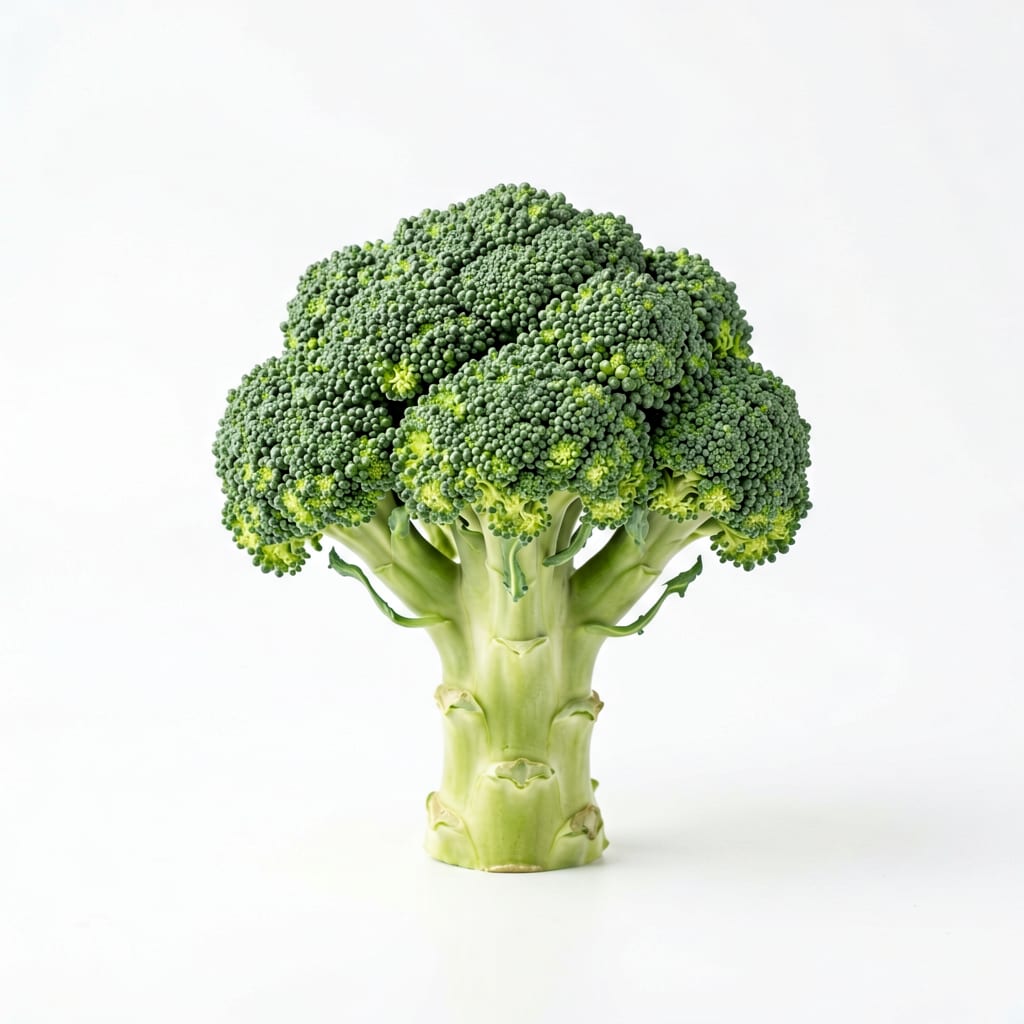
Compare with
Broccoli
Broccoli offers more vitamin C and vitamin K, while cauliflower is slightly lower in calories and carbs, making it a better pure rice substitute.
Broccoli provides more vitamins and protein, while cauliflower is slightly lower in calories and better for strict low-carb substitutes.
This food
Cauliflower
VS40% alike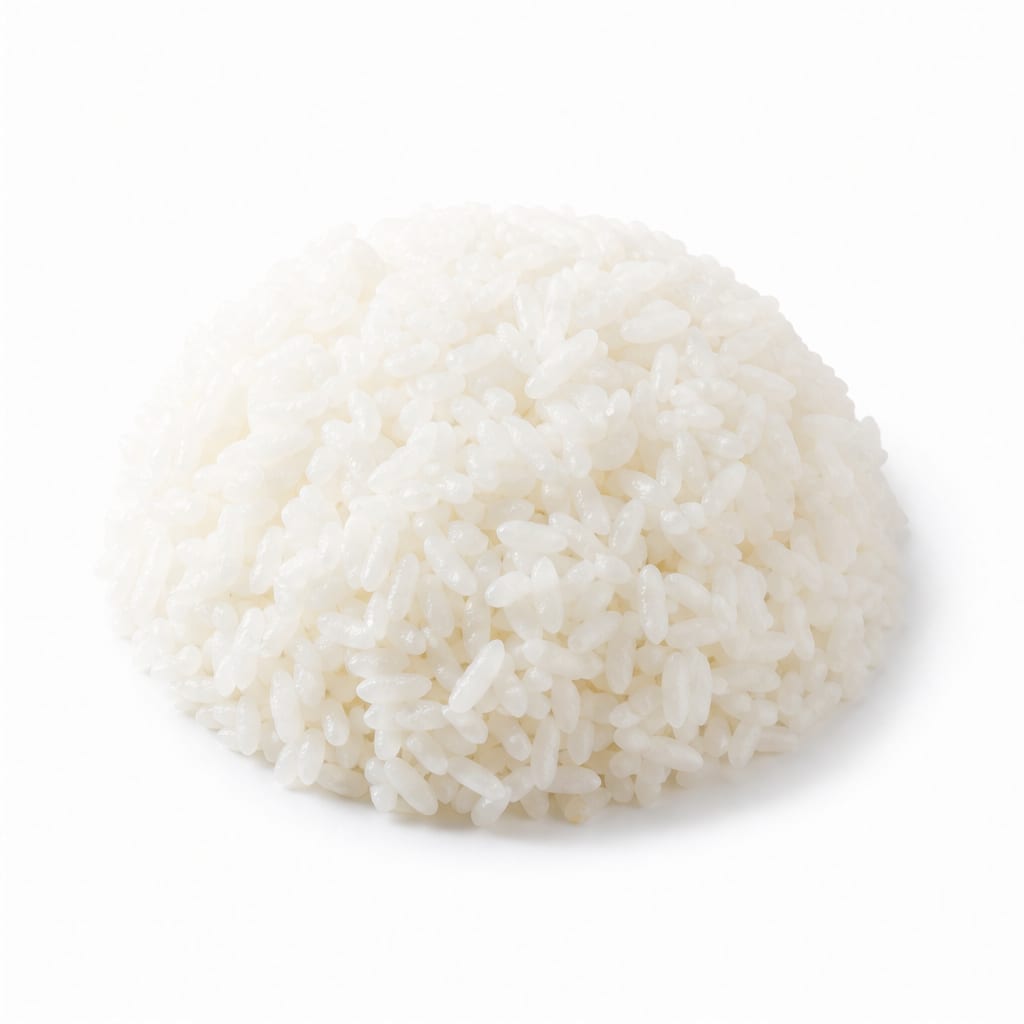
Compare with
White Rice
Cauliflower rice has a fraction of the calories and carbs of white rice, but white rice provides fast-digesting energy for athletes.
Cauliflower rice is vastly superior for weight loss and blood sugar control, while white rice is better for quick workout energy.
This food
Cauliflower
VS45% alike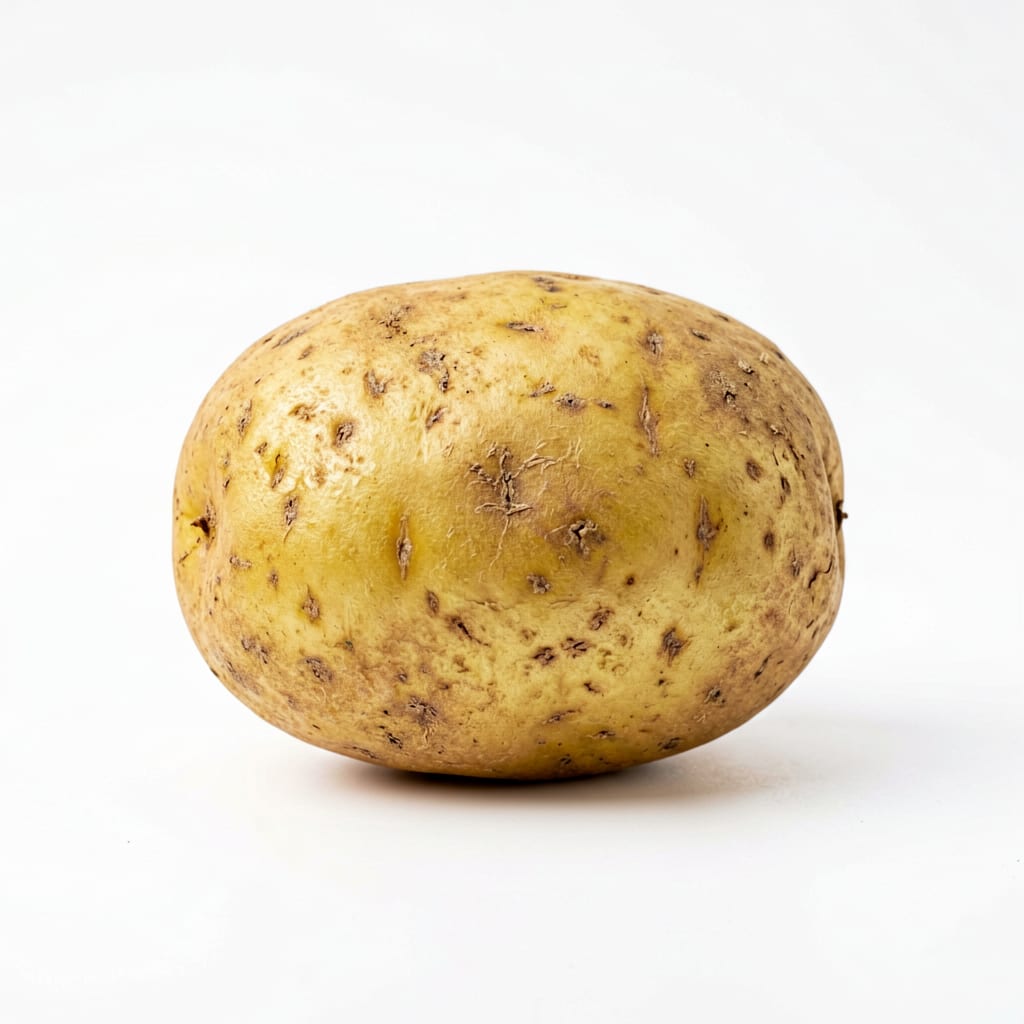
Compare with
Potato
Cauliflower has far fewer calories and carbs than potatoes, but potatoes offer more potassium and faster energy.
Cauliflower beats potatoes for low-carb and low-calorie diets, but potatoes are more satiating and better for replenishing energy.
This food
Cauliflower
VS85% alike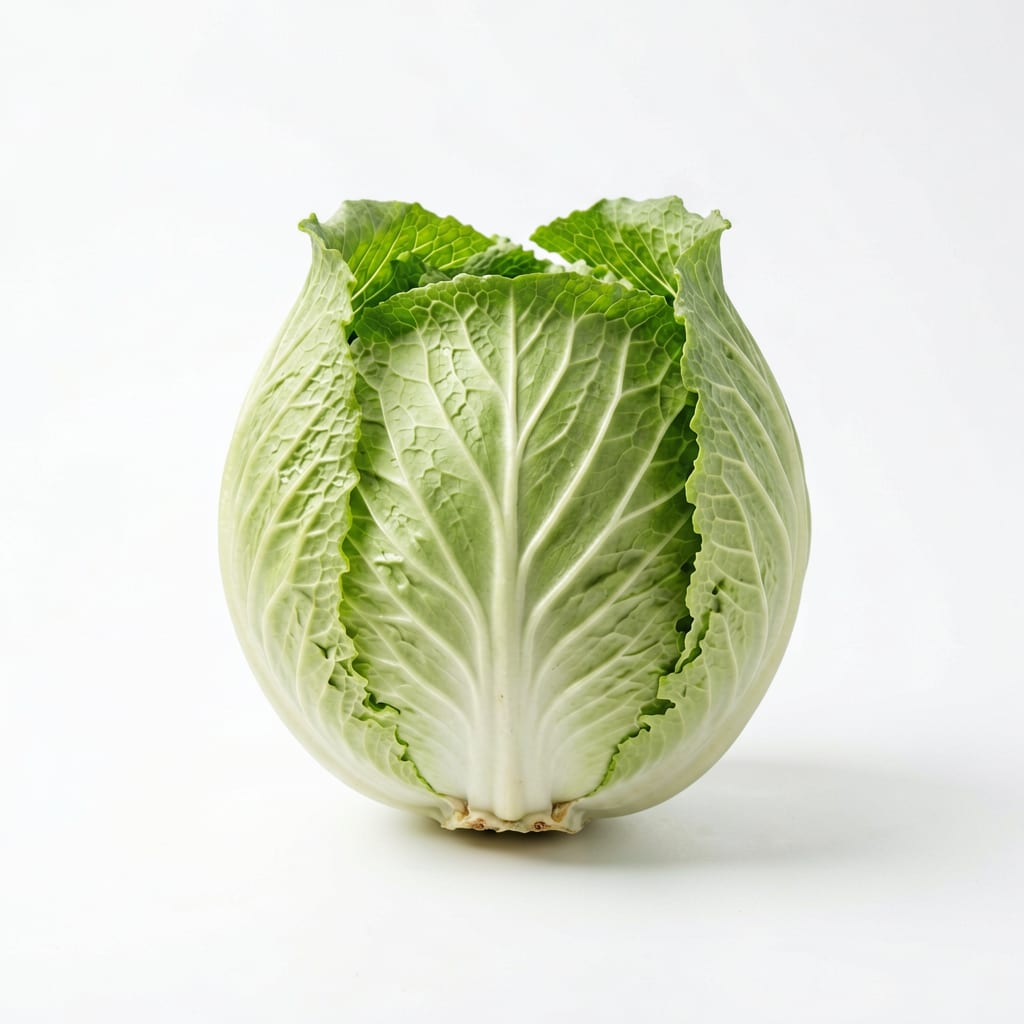
Compare with
Cabbage
Cabbage is slightly lower in calories and higher in vitamin K, while cauliflower is more versatile as a low-carb substitute.
Cabbage is marginally lower in calories, but cauliflower offers better texture versatility for low-carb recipe swaps.
This food
Cauliflower
VS80% alike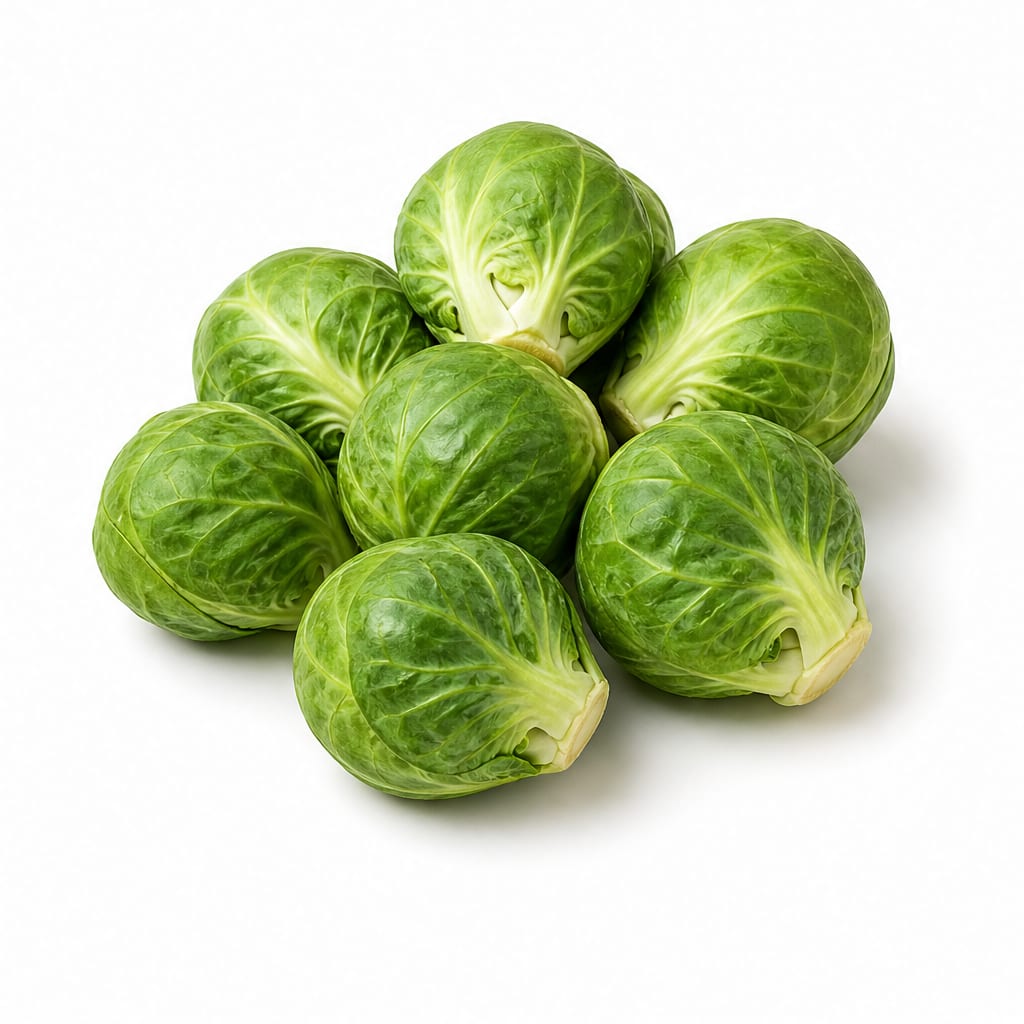
Compare with
Brussels Sprouts
Brussels sprouts are denser in vitamins and protein, while cauliflower is lower in calories and more adaptable in recipes.
Brussels sprouts pack more nutrients and protein per bite, while cauliflower is lighter in calories and more versatile.
This food
Cauliflower
VS70% alike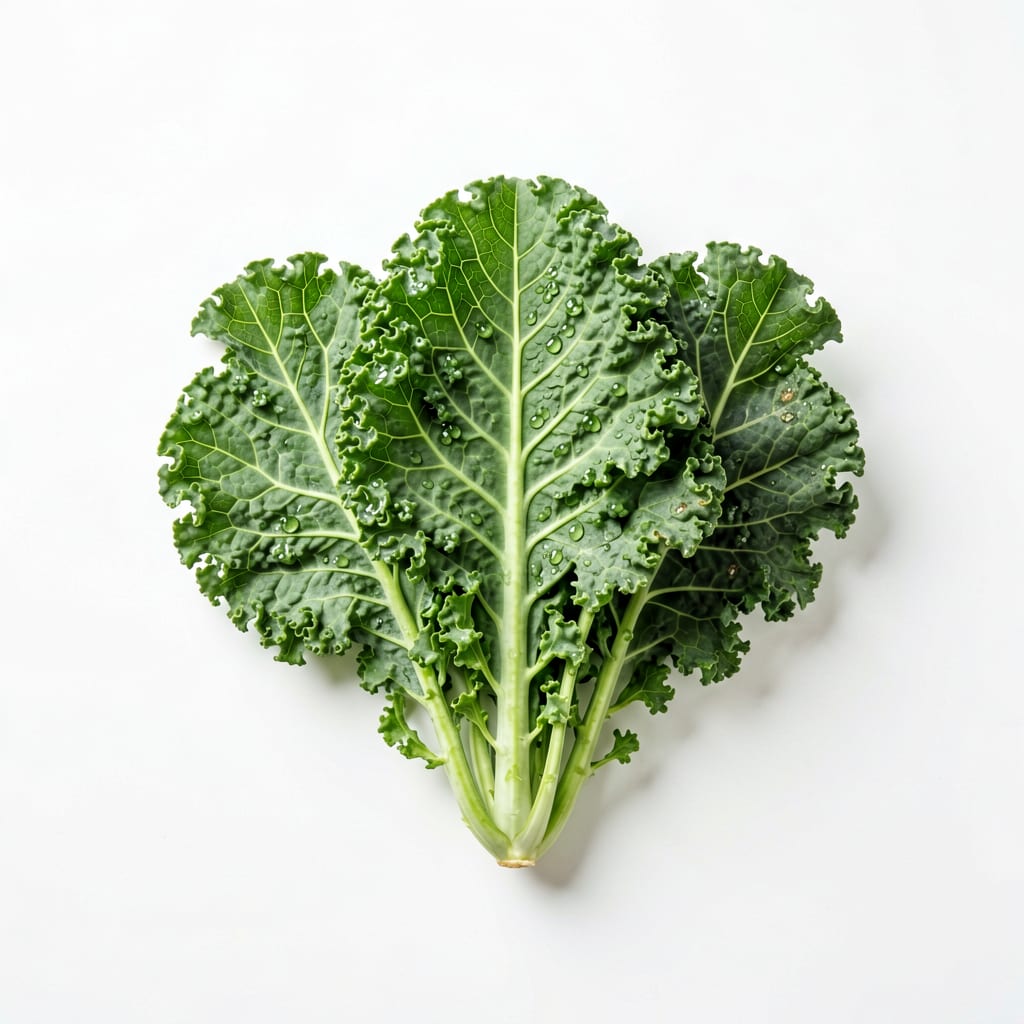
Compare with
Kale
Kale is significantly higher in vitamins K, A, and C, but cauliflower is much lower in calories and more useful as a carb substitute.
Kale is a nutrient powerhouse with more vitamins, while cauliflower is lower in calories and better for mimicking carbs.
This food
Cauliflower
VS75% alike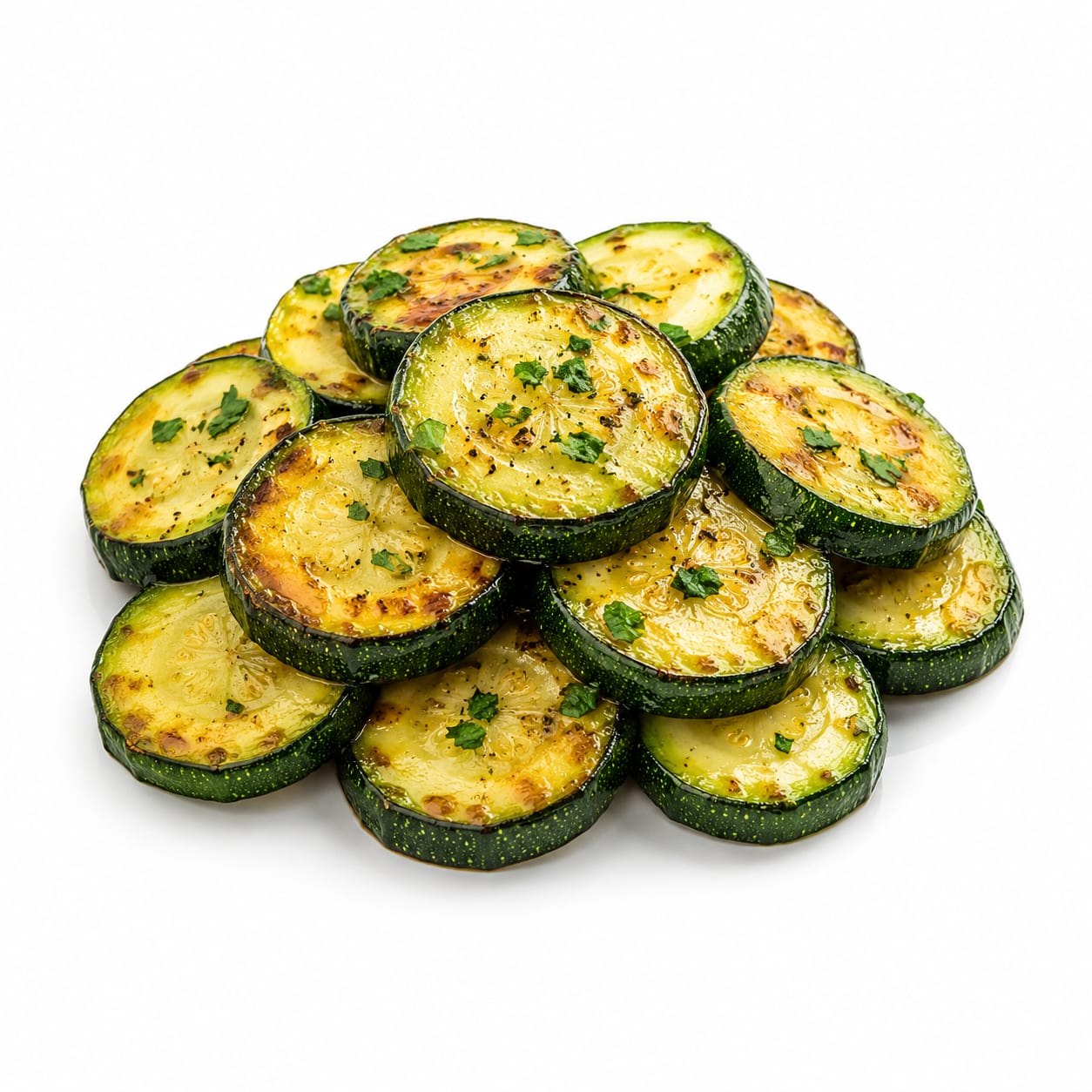
Compare with
Zucchini
Zucchini is slightly lower in carbs and calories, but cauliflower provides more vitamin C and a better texture for rice substitutes.
Zucchini is slightly lighter in calories, but cauliflower offers better texture for rice substitutes and more vitamin C.
This food
Cauliflower
VS65% alike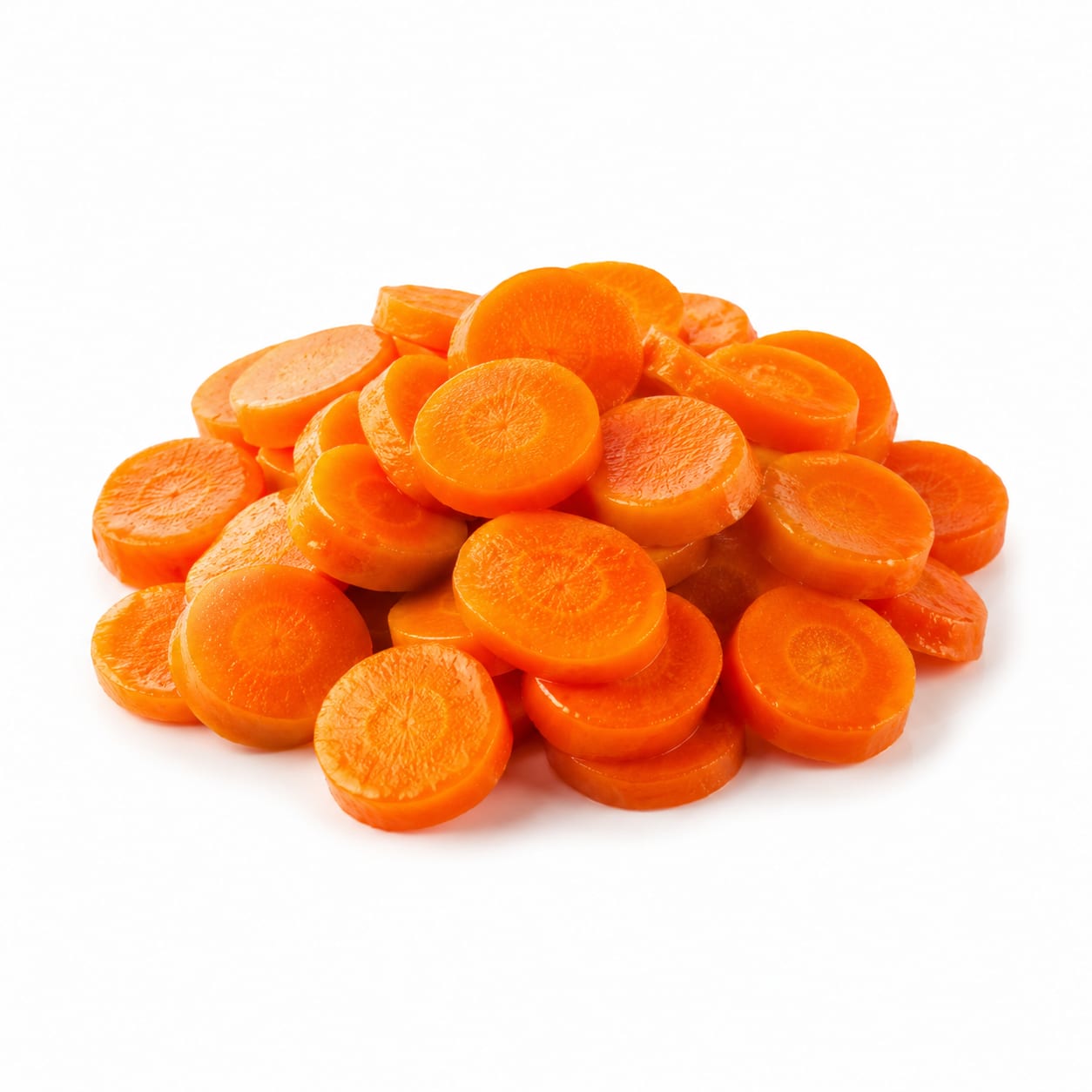
Compare with
Carrots
Carrots are higher in sugar and vitamin A, while cauliflower is lower in carbs and better for blood sugar control.
Carrots provide more vitamin A and quick energy, while cauliflower is lower in carbs and better for blood sugar management.
This food
Cauliflower
VS60% alike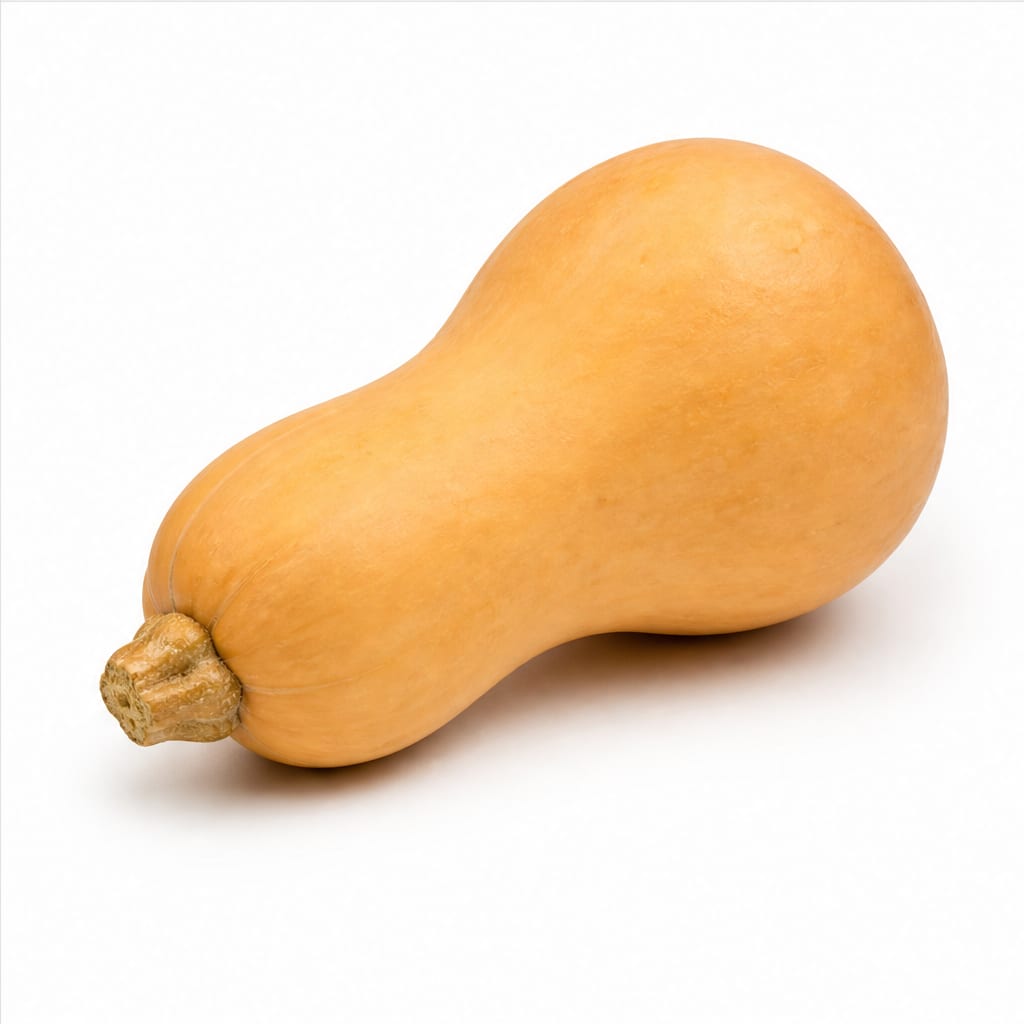
Compare with
Butternut Squash
Butternut squash is higher in carbs and vitamin A, while cauliflower is much lower in calories and better for keto diets.
Butternut squash offers more carbs and vitamin A for energy, while cauliflower is drastically lower in calories and carbs.
This food
Cauliflower
VS65% alike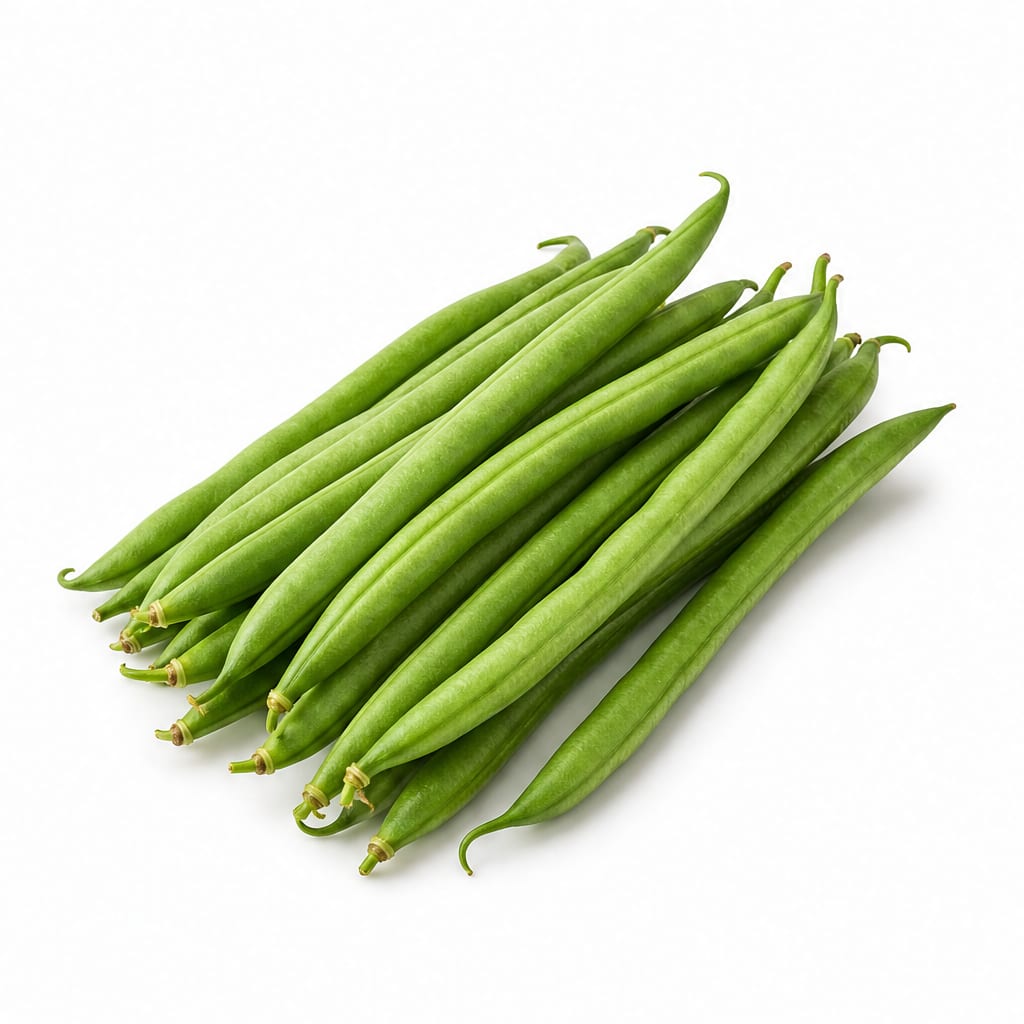
Compare with
Green Beans
Green beans have slightly more protein and fiber, while cauliflower is more versatile for low-carb flour and rice alternatives.
Green beans offer slightly more protein and fiber, but cauliflower is far more versatile as a low-carb recipe substitute.
Common questions
FAQ
Answers aligned with how people search for this food.
Is cauliflower good for weight loss?
Yes, cauliflower is excellent for weight loss. It is very low in calories but high in water and fiber, which helps you feel full without consuming excess calories.
How many carbs are in cauliflower?
There are about 5 grams of total carbs in 100 grams of raw cauliflower, but only 3 grams of net carbs due to its 2 grams of fiber, making it very low-carb.
Is cauliflower a good substitute for rice?
Yes, riced cauliflower is a popular low-carb substitute for white rice. It has a similar texture but contains only a fraction of the calories and carbohydrates.
Can diabetics eat cauliflower?
Yes, cauliflower is highly recommended for diabetics. Its very low glycemic index means it will not spike blood sugar levels.
Does cauliflower make you bloated?
Cauliflower contains raffinose, a complex sugar that is hard to digest and can cause gas and bloating. Cooking it thoroughly or eating smaller portions can help reduce these effects.
Is cauliflower keto-friendly?
Yes, cauliflower is a staple keto food. Its low net carb count makes it perfect for replacing high-carb foods like potatoes, rice, and flour-based crusts.
Which is healthier, broccoli or cauliflower?
Broccoli is slightly more nutrient-dense, offering more vitamin K, vitamin C, and folate. However, both are extremely healthy cruciferous vegetables with similar benefits.
Why does cauliflower smell when cooking?
Overcooking cauliflower causes its glucosinolates to break down into sulfur compounds, producing a strong, unpleasant odor. Steaming or roasting quickly prevents this.
Can you eat cauliflower raw?
Yes, raw cauliflower is safe to eat and retains all its vitamin C and heat-sensitive nutrients. It has a crisp texture and slightly peppery flavor.
What does cauliflower do for your gut?
Cauliflower provides fiber that feeds beneficial gut bacteria and promotes regular bowel movements. Its antioxidants also help reduce inflammation in the gut lining.
Transparency
Data confidence
Estimated confidence for nutrition data, interpretation, safety notes, and comparisons.
Nutrition data
Health analysis
Food safety
Comparisons