
Nutrition comparison
Cabbage vs Cauliflower: Nutrition, Taste, and Which Is Better for You
Compare cabbage and cauliflower side by side. Learn which cruciferous vegetable wins for weight loss, keto diets, digestion, and daily nutrition.
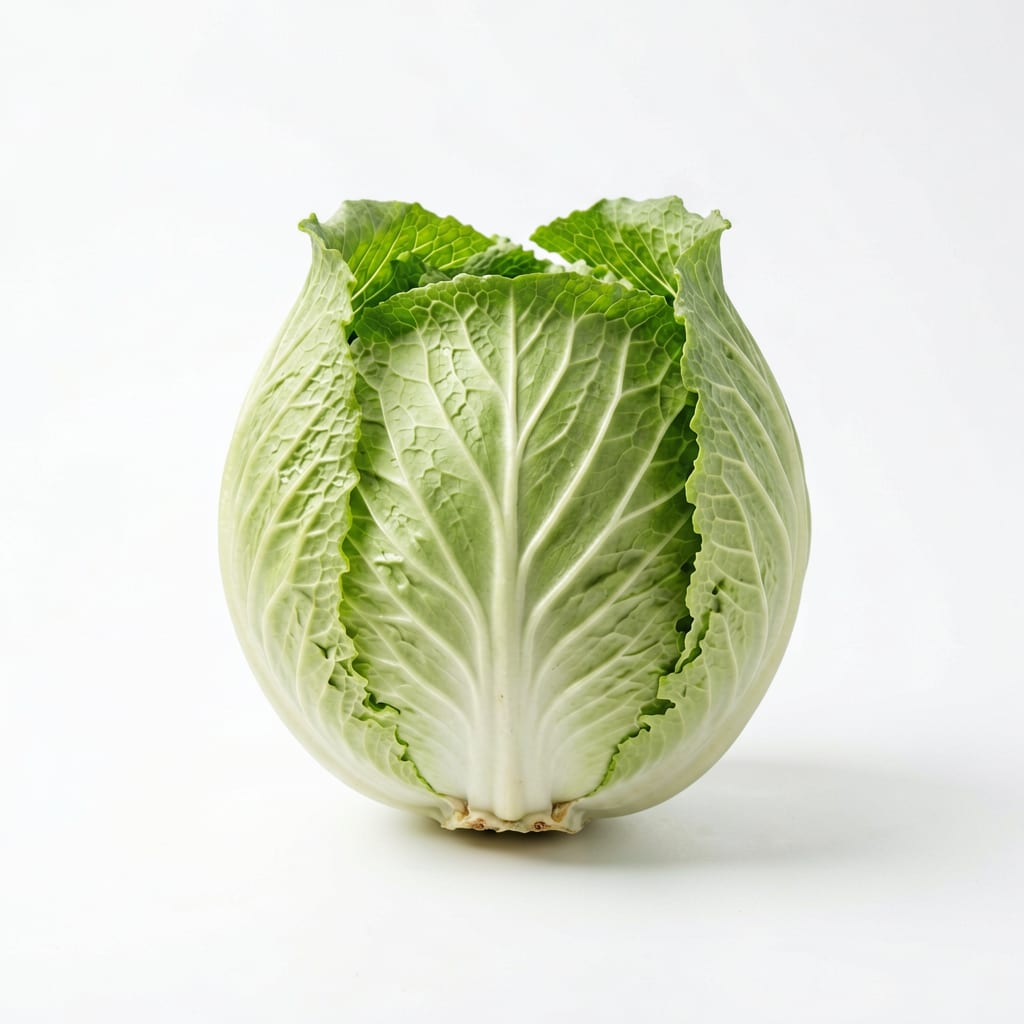
Cabbage
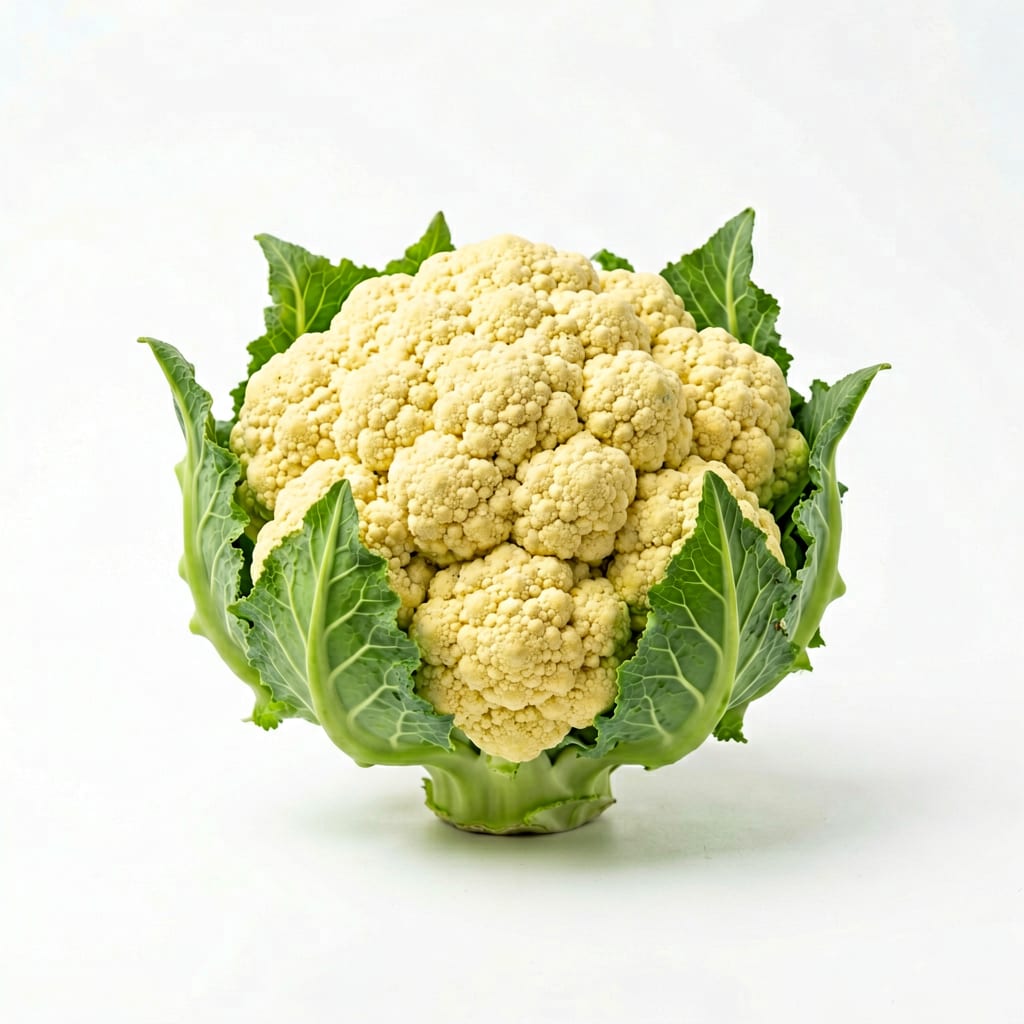
Cauliflower
Cabbage wins on budget, shelf life, and vitamin K; cauliflower wins on vitamin C, folate, and low-carb versatility. Choose based on your priority.
Cabbage edges ahead slightly due to superior affordability, shelf life, and vitamin K content, but cauliflower's vitamin C, folate, and keto versatility keep it competitive. The close scores reflect that both are excellent choices with different strengths.
Cabbage is the practical, affordable workhorse with superior longevity, while cauliflower offers more culinary flexibility as a carb substitute and a stronger vitamin C punch.
At a glance
Executive summary
Overall
It depends
Healthier
It depends
More practical
Cabbage
Daily use
Cabbage
Key comparison lenses
Nutritional density and vitamin profile
These cruciferous vegetables have distinctly different vitamin strengths—cabbage dominates in vitamin K while cauliflower leads in vitamin C and folate
Digestive tolerance and gut comfort
Both foods are notorious for causing gas and bloating, but cabbage is often harder to digest, especially raw
Low-carb and keto diet versatility
Cauliflower has become the go-to low-carb substitute for rice, pizza crust, and mashed potatoes, while cabbage serves different culinary roles
Budget and accessibility
Cabbage is one of the cheapest vegetables available year-round, while cauliflower tends to cost significantly more
Anti-cancer and antioxidant properties
Both contain glucosinolates but in different amounts and types, making their cancer-fighting profiles worth comparing
Shelf life and meal prep practicality
Cabbage lasts weeks in the fridge while cauliflower browns and spoils within days, affecting real-world usability
Best choice for
Cabbage
- People on a tight grocery budget
- Meal preppers who shop once a week
- Those seeking more vitamin K for bone health
- Anyone wanting a long-lasting vegetable that reduces food waste
- Fermented food enthusiasts making sauerkraut or kimchi
Cauliflower
- Low-carb and keto dieters needing carb substitutes
- People wanting more vitamin C and folate
- Those who find cabbage too gas-producing
- Anyone seeking a milder, more versatile flavor base
- Pregnant women needing extra folate
Least suitable for
Cabbage
- People with severe IBS or FODMAP sensitivities
- Those who struggle with excessive gas and bloating
- Anyone wanting a mild-tasting vegetable
- People seeking a low-carb rice or potato substitute
Cauliflower
- Shoppers on a strict budget
- People who cannot use vegetables quickly before spoilage
- Those who dislike the slightly sulfurous smell when cooked
- Anyone needing high vitamin K for clotting or bone density
Deep comparison
Dimension by dimension
Each lens scores both foods and breaks down who each option suits.
- Dimension 1 · Priority 92It depends
Vitamin and Mineral Density
Cabbage · 72Cauliflower · 78Cauliflower delivers more vitamin C and folate, while cabbage dominates in vitamin K. Both offer decent but different micronutrient profiles.
Tradeoff
You get stronger antioxidant protection from cauliflower's vitamin C, but better bone and blood health support from cabbage's vitamin K.
Why it matters
Vitamin K is hard to get in large amounts from most foods, making cabbage a valuable source. Meanwhile, cauliflower's folate is especially important during pregnancy.
Real-world impact
Eating cabbage regularly can help meet vitamin K needs for bone strength and proper blood clotting. Cauliflower helps boost immunity and cell repair through vitamin C.
Cabbage
- Bone health support
- Blood clotting function
- Long-term skeletal strength
Better for
- Lower vitamin C limits immune boost
- Inadequate folate for pregnancy needs
Worse for
Cauliflower
- Immune system support
- Prenatal nutrition
- Skin health and wound healing
Better for
- Lower vitamin K means less bone support
- Less contribution to blood clotting needs
Worse for
- Dimension 2 · Priority 85Cauliflower
Digestive Tolerance
Cabbage · 45Cauliflower · 58Both cruciferous vegetables cause gas, but cabbage is typically harsher on digestion, especially when raw. Cauliflower is somewhat gentler.
Tradeoff
Cabbage's tougher fiber can be harder to break down, while cauliflower's texture cooks down more easily and is often better tolerated.
Why it matters
If you have a sensitive stomach or IBS, the difference between comfortable and bloated after dinner matters a lot.
Real-world impact
Raw cabbage in coleslaw or salads often causes significant bloating. Cooked cauliflower tends to be easier to include without digestive regret.
Cabbage
- More insoluble fiber for promoting regular bowel movements
- Excellent when fermented for gut health benefits
Better for
- Commonly causes gas and bloating
- Raw cabbage is particularly rough on sensitive digestion
Worse for
Cauliflower
- Easier to digest when cooked
- Less likely to cause severe bloating
- Better tolerated by sensitive stomachs
Better for
- Still causes gas for many people
- Can trigger IBS symptoms in FODMAP-sensitive individuals
Worse for
- Dimension 3 · Priority 80Cauliflower
Low-Carb Diet Versatility
Cabbage · 55Cauliflower · 88Cauliflower is the undisputed champion of low-carb cooking substitutions, easily replacing rice, mashed potatoes, and pizza crusts.
Tradeoff
Cabbage works well in low-carb wraps and stir-fries, but it cannot replicate the texture and versatility that cauliflower provides as a carb substitute.
Why it matters
For anyone on keto or reducing carbs, having a vegetable that mimics comfort foods makes the diet dramatically easier to sustain.
Real-world impact
Cauliflower rice and cauliflower pizza crust have made low-carb eating feel normal and satisfying for millions of people.
Cabbage
- Great for low-carb wraps using large leaves
- Excellent in stir-fries as a noodle replacement
Better for
- Cannot replicate grain-like textures
- Limited as a direct carb substitute
Worse for
Cauliflower
- Perfect rice substitute when riced
- Mimics mashed potatoes when steamed and blended
- Works as pizza crust base
- Can be roasted as a steak-like main dish
Better for
- Requires more prep work for substitutions
- Can feel watery if not cooked properly in substitute recipes
Worse for
- Dimension 4 · Priority 78Cabbage
Budget and Value
Cabbage · 95Cauliflower · 55Cabbage is one of the most affordable vegetables available, often costing a fraction of cauliflower per pound.
Tradeoff
You pay more for cauliflower's versatility and milder flavor, while cabbage delivers outstanding nutrition per dollar spent.
Why it matters
For families or individuals on tight grocery budgets, cabbage provides more edible food and nutrition for the money than almost any other vegetable.
Real-world impact
A single head of cabbage can feed a family for multiple meals for under two dollars. Cauliflower often costs three to five times more per pound.
Cabbage
- Extremely low cost per serving
- High yield—one head goes far
- Reduces grocery bill significantly
Better for
- Perceived as less exciting or premium
- Fewer convenience pre-cut options
Worse for
Cauliflower
- Wider availability of pre-cut convenience options
- Premium feel for special meals
Better for
- Significantly more expensive
- Price fluctuates heavily by season
Worse for
- Dimension 5 · Priority 72Cabbage
Shelf Life and Meal Prep
Cabbage · 90Cauliflower · 50Cabbage can last weeks refrigerated without quality loss, while cauliflower browns and spoils within days.
Tradeoff
Cabbage's durability makes it ideal for weekly shopping, while cauliflower demands quicker use and more careful storage.
Why it matters
Food waste is expensive and frustrating. A vegetable that lasts longer gets eaten more consistently.
Real-world impact
You can buy cabbage on Sunday and still use it the following weekend. Cauliflower bought Monday may be browning by Thursday.
Cabbage
- Lasts 2-3 weeks refrigerated
- Resists wilting and texture degradation
- Great for batch cooking and meal prep
Better for
- Cut edges can oxidize slightly
- Takes up more fridge space whole
Worse for
Cauliflower
- Freezes well when blanched first
- Pre-riced frozen versions available
Better for
- Browning spots appear within 3-4 days
- Must be used within a week of purchase
- Moisture causes rapid spoilage
Worse for
- Dimension 6 · Priority 68It depends
Anti-Cancer and Antioxidant Potential
Cabbage · 76Cauliflower · 74Both vegetables contain glucosinolates that convert to cancer-fighting compounds, but cabbage—especially red cabbage—has a slight edge in total antioxidant capacity.
Tradeoff
Red cabbage offers anthocyanins that cauliflower lacks entirely, while cauliflower's vitamin C supports its own antioxidant pathway.
Why it matters
Cruciferous vegetables are among the most studied foods for cancer prevention, and the specific compounds differ between these two.
Real-world impact
Including both in your rotation gives you the broadest spectrum of protective compounds rather than relying on just one.
Cabbage
- Red cabbage provides anthocyanins for extra antioxidant power
- Higher total glucosinolate content in some varieties
- Stronger association with reduced cancer risk in population studies
Better for
- Green cabbage has fewer antioxidants than red varieties
- Cooking reduces some protective compounds significantly
Worse for
Cauliflower
- Vitamin C acts as a direct antioxidant
- Contains sulforaphane precursors linked to cancer defense
- Milder flavor encourages larger portions
Better for
- Lacks anthocyanins entirely
- Lower overall glucosinolate diversity than cabbage
Worse for
Timeline
Health impact over time
Short-term
Hours to days
Cabbage
- Can cause noticeable gas and bloating within hours of eating
- Raw cabbage may feel heavy and uncomfortable in the stomach
- Steamed or fermented versions are much gentler on digestion
- Provides quick fiber that promotes same-day bowel regularity
Cauliflower
- Milder digestive impact than cabbage for most people
- Still causes some gas due to raffinose and fiber content
- Steamed cauliflower is well-tolerated by most stomachs
- Vitamin C provides a mild immune-supporting effect
Long-term
Months to years
Cabbage
- Regular consumption linked to lower colorectal cancer risk
- Consistent vitamin K intake supports bone density over decades
- Fermented cabbage varieties contribute to healthier gut microbiome
- High fiber intake promotes long-term cardiovascular health
Cauliflower
- Glucosinolate compounds support liver detoxification pathways with regular intake
- Folate contributes to cell health and is important before and during pregnancy
- Vitamin C supports collagen production and skin health long-term
- Choline content supports brain health and cognitive function over time
Risk profile
Safety & processing
Both cabbage and cauliflower are whole, minimally processed vegetables in their natural state. Concerns only arise with pre-cut packaged versions that may use preservatives to maintain color and freshness.
Cabbage
Pesticide residue on outer leaves
mediumCabbage outer leaves can harbor pesticide residue. Removing the outermost leaves and washing thoroughly significantly reduces exposure. Conventionally grown cabbage ranks moderate on the EWG pesticide list.
Foodborne illness from raw preparations
lowColeslaw and raw cabbage salads have been linked to occasional foodborne outbreaks. Washing thoroughly and refrigerating properly minimizes risk.
Cauliflower
Pesticide residue
mediumCauliflower appears on the EWG's Dirty Dozen list some years due to pesticide residue. The tight curds make thorough washing difficult. Buying organic reduces this concern significantly.
Mold and spoilage
mediumCauliflower's moist, tight curds are prone to mold growth, sometimes hidden inside the head. Inspect carefully before consuming and discard any browning or fuzzy spots.
Who wins for whom
Audience fit
Same foods, different winners depending on your goal.
children
CauliflowerCauliflower's milder flavor and softer texture when cooked make it more acceptable to kids. Mashed cauliflower or cauliflower tots are easier introductions than cabbage.
daily consumption
CabbageCabbage's affordability, shelf life, and versatility in everything from salads to soups to ferments make it more practical to eat every single day without waste or budget strain.
diabetes
CabbageBoth are very low in carbs and have minimal impact on blood sugar. Cabbage's slightly lower carbohydrate content and higher fiber give it a small edge for glucose stability.
elderly
CauliflowerCauliflower is easier to chew and digest when cooked, which matters for older adults with dental concerns or slower digestion. Its folate and vitamin C also support aging immune systems.
muscle gain
It dependsNeither vegetable is a significant protein source. Cauliflower has slightly more protein per calorie, but both are neutral for muscle gain—neither helps nor hurts significantly.
weight loss
CabbageCabbage is extremely low in calories and very filling due to its high fiber and water content. The cabbage soup diet exists for a reason—it is hard to overeat cabbage.
Your move
Decision guide
Choose Cabbage
- You want maximum nutrition per dollar spent
- You meal prep weekly and need vegetables that last
- You enjoy fermented foods like sauerkraut and kimchi
- You need more vitamin K for bone or blood health
- You are on a tight grocery budget
- You want a vegetable that will not go bad before you use it
Choose Cauliflower
- You are on a low-carb or keto diet and need carb substitutes
- You want more vitamin C and folate in your diet
- You find cabbage too gas-producing or harsh on your stomach
- You are pregnant or trying to conceive and need extra folate
- You cook for children who prefer milder flavors
- You want to make comfort food alternatives like cauliflower rice or pizza crust
Either works if
- You simply want more cruciferous vegetables in your diet
- You are looking for low-calorie fiber sources
- You want cancer-fighting glucosinolates from your food
- You are trying to eat more vegetables overall regardless of type
Avoid both if
- You have severe FODMAP intolerance and react strongly to cruciferous vegetables
- You are on a low-fiber diet for digestive recovery
- You have a sulfur sensitivity that triggers symptoms with cruciferous foods
Final recommendation
Keep both in your rotation. Use cabbage for everyday affordability, longevity, and vitamin K, and cauliflower for its low-carb versatility and vitamin C. If budget forces a choice, cabbage gives you more consistent value and less food waste. If you are on keto or cooking for picky eaters, cauliflower earns its higher price tag.
Practical
Consumer tips
- 1
Buy red cabbage when possible—it has dramatically more antioxidants than green cabbage due to anthocyanins
- 2
Roast cauliflower at high heat to bring out nutty sweetness and reduce the sulfurous smell
- 3
If cabbage bothers your stomach, try fermenting it first—sauerkraut and kimchi are much easier to digest
- 4
Pre-cut cauliflower rice from the freezer section saves time and avoids spoilage waste
- 5
Store cauliflower stem-side down in a loosely sealed bag to extend its fridge life by a few days
- 6
Massage raw cabbage with salt and olive oil to soften it for salads and improve digestibility
- 7
Blanch and freeze cauliflower within two days of purchase if you cannot use it fresh
- 8
Avoid overcooking either vegetable—mushy cruciferous vegetables smell worse and lose more nutrients