
Nutrition comparison
Cauliflower vs White Rice: Nutrition, Blood Sugar, and Diet Comparison
Comparing Cauliflower and White Rice? Discover which is better for weight loss, blood sugar, and energy, plus how to choose the right carb for your diet.
Overall winner · Cauliflower
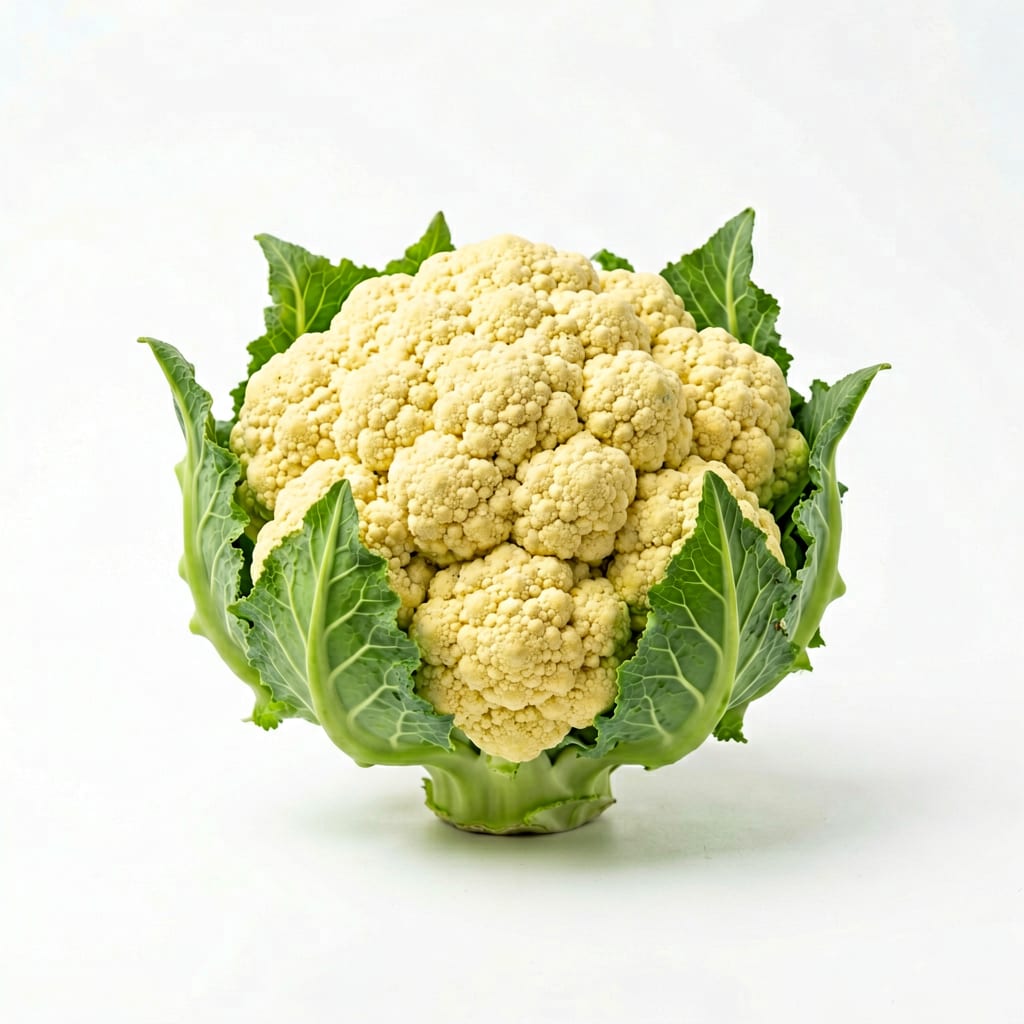
Cauliflower
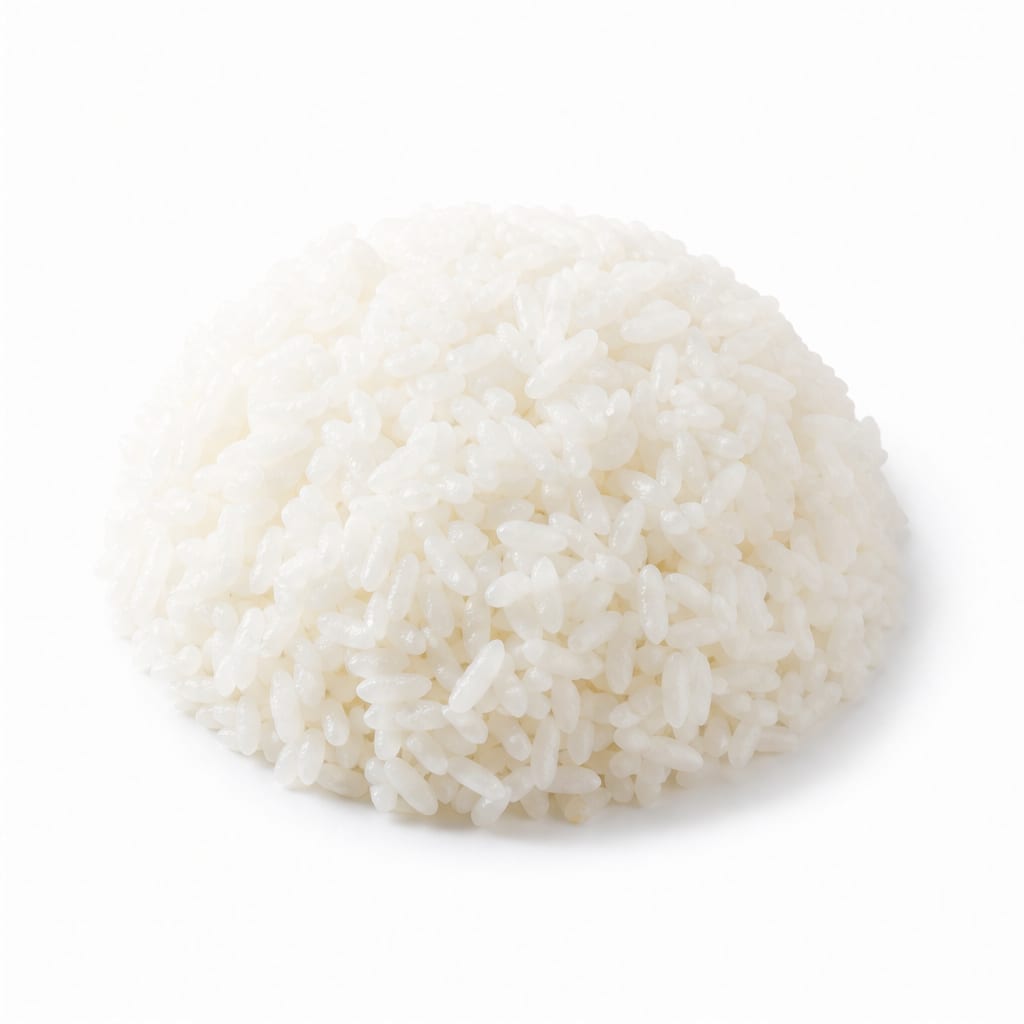
White Rice
Cauliflower dominates for nutrients and blood sugar control, while White Rice serves as a quick, gentle energy source.
Cauliflower scores significantly higher due to its micronutrient density and blood sugar benefits, while White Rice is penalized for stripped fiber and high glycemic impact.
Trading steady energy and vitamins for quick-digesting fuel and stomach-soothing comfort.
At a glance
Executive summary
Overall
Cauliflower
Healthier
Cauliflower
More practical
White Rice
Daily use
Cauliflower
Key comparison lenses
Blood sugar management and glycemic impact
White Rice causes rapid glucose spikes, while Cauliflower has almost no impact, making this the most critical health difference.
Low-carb diet compatibility
Cauliflower is a staple substitute for high-carb foods, whereas White Rice is strictly avoided on ketogenic or low-carb plans.
Nutrient density versus energy density
Users often trade vitamins and fiber for quick, cheap calories when choosing between these two.
Digestive tolerance and gut comfort
Cauliflower can cause bloating for some, while White Rice is a classic stomach-soothing food.
Best choice for
Cauliflower
- Low-carb eaters
- Diabetics
- Weight loss
White Rice
- Athletes needing carbs
- Upset stomachs
- Budget meals
Least suitable for
Cauliflower
- People with severe IBS or gas sensitivity
- Endurance athletes needing quick carbs
White Rice
- Diabetics
- Low-carb dieters
Deep comparison
Dimension by dimension
Each lens scores both foods and breaks down who each option suits.
- Dimension 1 · Priority 95Cauliflower
Blood Sugar Stability
Cauliflower · 95White Rice · 20Cauliflower keeps blood sugar steady; White Rice spikes it fast.
Tradeoff
You give up quick energy bursts for long-term metabolic stability.
Why it matters
Blood sugar crashes lead to afternoon fatigue and cravings.
Real-world impact
Eating Cauliflower instead of White Rice prevents the post-lunch energy crash.
Cauliflower
- Diabetics
- Low-carb dieters
- People with afternoon energy crashes
Better for
- Situations requiring immediate carbohydrate fuel
Worse for
White Rice
- Hypoglycemic athletes needing quick sugar
- Endurance trainers
Better for
- Sedentary evenings
- Pre-diabetes management
Worse for
- Dimension 2 · Priority 85Cauliflower
Nutrient Density
Cauliflower · 90White Rice · 25Cauliflower is packed with vitamins C, K, and antioxidants; White Rice is mostly empty starch.
Tradeoff
Choosing pure caloric fuel over broad micronutrient support.
Why it matters
Vitamins and antioxidants protect cells and support immunity long-term.
Real-world impact
A plate with Cauliflower actively feeds your immune system; White Rice just fills your stomach.
Cauliflower
- Boosting immunity
- Preventing nutrient deficiencies
- Anti-aging diets
Better for
- Getting enough calories if you are underweight
Worse for
White Rice
- Calorie surplus for weight gain
- Carb-loading before events
Better for
- Preventing cellular aging
- Fighting off colds
Worse for
- Dimension 3 · Priority 80White Rice
Energy & Recovery Fueling
Cauliflower · 30White Rice · 90White Rice provides rapid carbohydrates for energy replenishment; Cauliflower cannot fuel high-intensity activity.
Tradeoff
Sacrificing nutrient density for immediate, accessible muscle fuel.
Why it matters
Muscles need quick carbs to restore glycogen after intense workouts.
Real-world impact
After a heavy lifting session, White Rice refuels your muscles fast; Cauliflower leaves you dragging.
Cauliflower
- Rest days
- Sedentary work days
Better for
- Competitive athletic performance
- Recovering from glycogen depletion
Worse for
White Rice
- Post-workout recovery
- Pre-marathon carb loading
- Heavy labor jobs
Better for
- Sitting at a desk all day
- Late-night snacking
Worse for
- Dimension 4 · Priority 75White Rice
Digestive Tolerance
Cauliflower · 40White Rice · 85White Rice is famously easy on the stomach; Cauliflower can cause bloating and gas due to FODMAPs.
Tradeoff
Trading gut-soothing comfort for higher fiber and roughage.
Why it matters
Digestive distress ruins your day, regardless of how healthy a food is on paper.
Real-world impact
If you have IBS or an upset stomach, White Rice is a safe comfort food; Cauliflower might make you unbutton your pants.
Cauliflower
- Improving bowel regularity
- Feeding gut bacteria
Better for
- Date nights
- Important meetings
- IBS attacks
Worse for
White Rice
- Soothing gastroenteritis
- Managing IBS flare-ups
- Easing nausea
Better for
- Chronic constipation
Worse for
Timeline
Health impact over time
Short-term
Hours to days
Cauliflower
- Steady energy without crashes
- Feeling full from fiber bulk
- Possible bloating or gas
White Rice
- Quick energy spike
- Rapid return of hunger
- Soothing for an upset stomach
Long-term
Months to years
Cauliflower
- Better metabolic health
- Lower diabetes risk
- Improved bowel regularity
White Rice
- Potential weight gain if overconsumed
- Increased diabetes risk with frequent high intake
- Minimal nutrient contribution to long-term health
Risk profile
Safety & processing
Cauliflower is a whole food eaten close to its natural state. White Rice has its bran and germ stripped, removing most natural nutrients and fiber.
Cauliflower
Pesticide residue
mediumCauliflower is on the EWG's dirty dozen list; washing thoroughly or buying organic helps.
White Rice
Arsenic exposure
mediumWhite Rice can accumulate arsenic from soil and water; rinsing and cooking in excess water reduces this.
Who wins for whom
Audience fit
Same foods, different winners depending on your goal.
children
It dependsWhite Rice is often easier for kids to eat and provides needed calories, but Cauliflower offers essential vitamins for growth.
daily consumption
CauliflowerDaily Cauliflower intake supports long-term health and metabolic stability without the blood sugar rollercoaster of White Rice.
diabetes
CauliflowerCauliflower has minimal impact on blood sugar, while White Rice causes rapid glucose spikes.
elderly
White RiceWhite Rice is softer to chew and gentler on aging digestive systems that may struggle with raw or fibrous vegetables.
muscle gain
White RiceWhite Rice provides the fast-digesting carbs needed to replenish glycogen and support muscle recovery.
weight loss
CauliflowerCauliflower is extremely low in calories and high in fiber, making it far more filling per bite than White Rice.
Your move
Decision guide
Choose Cauliflower
- You want to lose weight or maintain steady energy
- You need to manage blood sugar or diabetes
- You are on a keto or low-carb diet
Choose White Rice
- You need quick pre- or post-workout energy
- You have an upset stomach or digestive flare-up
- You need cheap, shelf-stable calories
Either works if
- You want a base for a stir-fry or curry
- You are building a balanced plate with plenty of protein and healthy fats
Avoid both if
- You have severe GI distress and need a strict liquid diet
Final recommendation
Choose Cauliflower as your everyday side dish for health and satiety, but keep White Rice in your back pocket for intense training days or when your stomach needs a gentle break.
Practical
Consumer tips
- 1
Rice Cauliflower in a food processor for a low-carb substitute that absorbs flavors just like White Rice.
- 2
Rinse White Rice before cooking to lower arsenic levels.
- 3
Pair White Rice with protein and healthy fats to blunt the blood sugar spike.
- 4
Roast Cauliflower with olive oil to reduce gas-producing compounds and improve flavor.