
Nutrition comparison
Cauliflower vs Carrots: Which Vegetable Is Better for Your Diet?
Compare cauliflower and carrots on nutrition, low-carb compatibility, digestion, and everyday convenience. Find out which vegetable fits your health goals better.
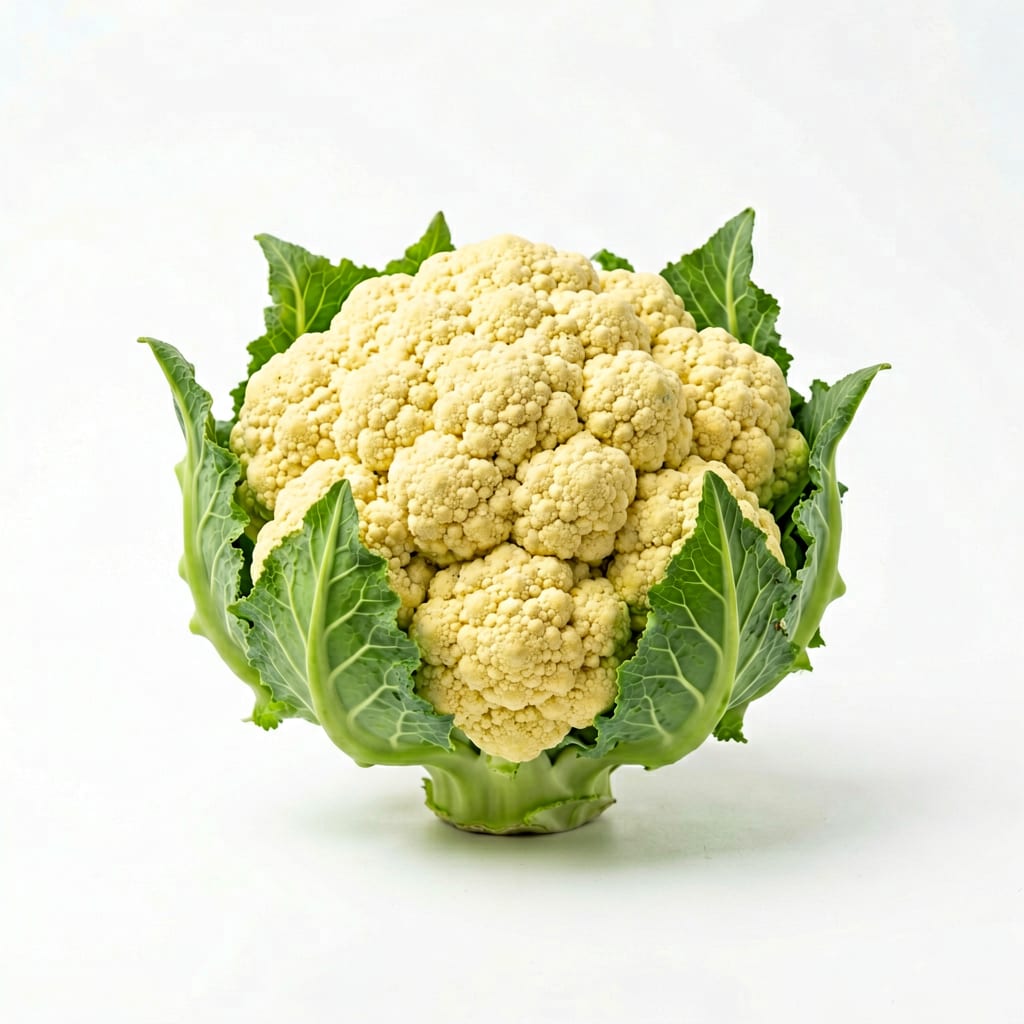
Cauliflower
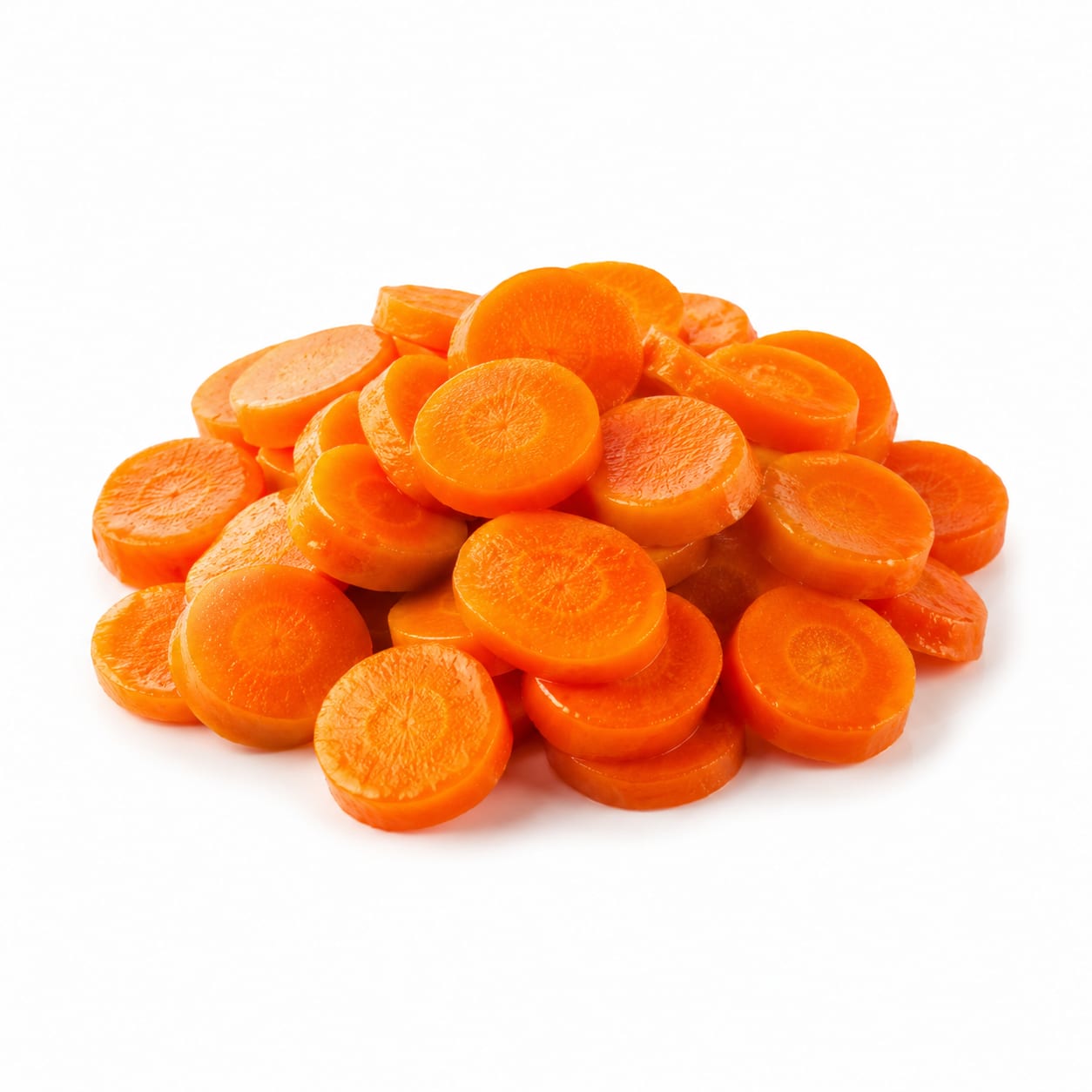
Carrots
Cauliflower wins for low-carb diets and kitchen versatility, while carrots win for convenience, eye health, and easier digestion.
Carrots edge ahead slightly due to broader everyday appeal, easier digestion, and stronger vitamin A content. Cauliflower scores well for specialized diets but loses points for digestive discomfort and prep requirements.
Cauliflower offers more vitamin C and keto-friendly flexibility, but carrots deliver far more vitamin A and require zero prep as a snack.
At a glance
Executive summary
Overall
It depends
Healthier
It depends
More practical
Carrots
Daily use
Carrots
Key comparison lenses
low carb diet compatibility
Cauliflower is a staple low-carb substitute while carrots carry more natural sugars, making this a central tradeoff
nutrient profile diversity
These vegetables excel in completely different vitamins—vitamin C and folate versus beta-carotene—so the choice shifts depending on nutritional gaps
everyday versatility
Cauliflower can mimic rice, mash, and crusts, while carrots are primarily eaten raw or cooked as-is
snack convenience
Carrots are a grab-and-go raw snack; cauliflower requires preparation for most people
digestive tolerance
Cauliflower causes gas and bloating for some due to its cruciferous fiber, while carrots are gentler on digestion
Best choice for
Cauliflower
- Low-carb and keto dieters
- People wanting a grain substitute
- Anyone focused on cancer-fighting sulforaphane
- Cooking enthusiasts who prep meals
Carrots
- Busy people needing instant snacks
- Anyone low on vitamin A
- Families with kids who prefer sweet flavors
- People with sensitive digestion
Least suitable for
Cauliflower
- People with thyroid concerns (goitrogens)
- Those prone to bloating and gas
- Anyone wanting a no-prep snack
Carrots
- Strict keto dieters watching carb counts
- People avoiding natural sugars
Deep comparison
Dimension by dimension
Each lens scores both foods and breaks down who each option suits.
- Dimension 1 · Priority 92Cauliflower
Low-Carb Compatibility
Cauliflower · 95Carrots · 55Cauliflower is a go-to low-carb staple with only 5g carbs per cup. Carrots have nearly double that and more natural sugar.
Tradeoff
Choosing cauliflower keeps carbs minimal but sacrifices the sweetness and snackability that carrots provide.
Why it matters
For keto or low-carb eaters, this difference determines whether a food fits their plan at all.
Real-world impact
Cauliflower rice instead of regular rice can save 40+ grams of carbs per meal. Carrots as a snack could use up a quarter of a strict keto carb budget.
Cauliflower
- Keto dieters
- Blood sugar management
- Replacing high-carb staples
Better for
- Anyone wanting sweet flavor without additives
Worse for
Carrots
- Endurance athletes needing carbs
- Kids who reject bland flavors
Better for
- Strict low-carb meal plans
Worse for
- Dimension 2 · Priority 88It depends
Vitamin and Antioxidant Profile
Cauliflower · 80Carrots · 82Carrots dominate vitamin A with over 300% daily value per cup. Cauliflower delivers more vitamin C and unique cancer-fighting sulforaphane.
Tradeoff
You get eye-health and immune support from carrots, or detox and anti-cancer compounds from cauliflower. They fill different nutritional gaps.
Why it matters
Most people are deficient in one or the other, so the better choice depends on what your diet already provides.
Real-world impact
Eating carrots regularly can noticeably support night vision and skin health. Cauliflower's sulforaphane is linked to lower cancer risk in studies but effects are long-term and subtle.
Cauliflower
- People already eating orange vegetables
- Anyone focused on cancer prevention
- Those needing more vitamin C
Better for
- Vitamin A deficiency concerns
Worse for
Carrots
- People low on vitamin A
- Anyone with poor night vision
- Those not eating many orange foods
Better for
- Those already taking vitamin A supplements
Worse for
- Dimension 3 · Priority 85Cauliflower
Kitchen Versatility
Cauliflower · 92Carrots · 60Cauliflower can become rice, mash, pizza crust, wings, and even smoothies. Carrots are mostly limited to raw snacks, roasting, and soups.
Tradeoff
Cauliflower's versatility requires cooking and creativity. Carrots are simple but one-dimensional in use.
Why it matters
If you cook regularly, versatility means fewer boring meals and more ways to hit health goals.
Real-world impact
A head of cauliflower can replace grains in three different meals per week. Carrots mostly end up as a side or snack.
Cauliflower
- Meal preppers
- Low-carb recipe explorers
- People replacing processed carbs
Better for
- Anyone without time to prep
Worse for
Carrots
- People who barely cook
- Quick lunch packers
Better for
- Home cooks wanting ingredient flexibility
Worse for
- Dimension 4 · Priority 80Carrots
Snack Convenience
Cauliflower · 35Carrots · 90Carrots are ready to eat raw, portable, and naturally sweet. Raw cauliflower is edible but bitter and rarely enjoyable without dip or cooking.
Tradeoff
Carrots win on grab-and-go ease. Cauliflower needs roasting, steaming, or ricing to shine.
Why it matters
The food you can actually grab when hungry is the one you will eat consistently.
Real-world impact
Throwing baby carrots in a lunchbag takes 5 seconds. Preparing cauliflower snacks takes 15-30 minutes of cooking.
Cauliflower
- Planned snack times with prep
Better for
- Spontaneous snacking
Worse for
Carrots
- Office snacking
- Kids lunchboxes
- Road trips
- Late-night fridge raids
Better for
- Formal dinner side dishes
Worse for
- Dimension 5 · Priority 72Carrots
Digestive Tolerance
Cauliflower · 50Carrots · 85Cauliflower is notorious for causing gas and bloating due to raffinose and sulfur compounds. Carrots are gentle and well-tolerated by most.
Tradeoff
Cauliflower's fiber and sulfur compounds support detox pathways but cause discomfort. Carrots are easier on the gut but less chemically active.
Why it matters
If you avoid a food because it makes you bloated, its nutrients become irrelevant.
Real-world impact
A large cauliflower dinner can mean an uncomfortable evening. Carrots rarely cause digestive complaints even in generous portions.
Cauliflower
- People with robust digestion
- Those who tolerate cruciferous vegetables well
Better for
- Date nights
- Social gatherings
- Work lunches
Worse for
Carrots
- IBS sufferers
- Post-surgery recovery
- Elderly with sensitive digestion
- Anyone new to eating vegetables
Better for
- Dimension 6 · Priority 65Carrots
Thyroid Safety
Cauliflower · 45Carrots · 90Cauliflower contains goitrogens that can interfere with thyroid function when eaten raw in large amounts. Carrots have no goitrogenic activity.
Tradeoff
Cooking cauliflower reduces goitrogens significantly, but raw cauliflower smoothies could be problematic for vulnerable people.
Why it matters
For the roughly 12% of people with thyroid issues, this is a real daily consideration.
Real-world impact
Someone with hypothyroidism eating raw cauliflower daily might notice worsened symptoms. Steaming solves most of the risk.
Cauliflower
- People with healthy thyroid function
Better for
- Raw juice cleanse enthusiasts with thyroid issues
Worse for
Carrots
- Hypothyroid individuals
- Pregnant women monitoring thyroid
- Those on thyroid medication
Better for
Timeline
Health impact over time
Short-term
Hours to days
Cauliflower
- May cause gas and bloating within hours of eating
- Steady blood sugar with no crash
- Vitamin C supports immediate immune response
Carrots
- Quick satisfying crunch that curbs hunger
- Mild blood sugar bump from natural sugars but still stable
- Beta-carotene gives visible skin glow with regular consumption
Long-term
Months to years
Cauliflower
- Sulforaphane intake linked to reduced cancer risk in multiple studies
- Consistent low-carb intake supports metabolic health
- Goitrogen exposure could affect thyroid if consumed raw in excess
Carrots
- Sustained vitamin A intake protects vision and immune function over decades
- High antioxidant intake reduces oxidative stress markers
- Natural sweetness helps people maintain vegetable habits long-term
Risk profile
Safety & processing
Both are whole vegetables with minimal processing concerns. Cauliflower is sometimes sold pre-riced in bags which may have slight quality loss but no additives. Baby carrots are machine-shaped from larger carrots and washed in chlorine solution, which sounds alarming but leaves negligible residue.
Cauliflower
Pesticide residue
mediumCauliflower is not on the dirty dozen list but its textured surface can trap pesticides. Washing thoroughly or choosing organic reduces exposure.
Goitrogenic compounds
mediumRaw cauliflower contains goitrogens that may suppress thyroid function in susceptible individuals. Cooking deactivates most of these compounds.
Carrots
Pesticide residue
mediumCarrots frequently appear on the dirty dozen list. Root vegetables absorb soil chemicals. Peeling reduces but does not eliminate exposure.
Chlorine wash on baby carrots
lowBaby carrots are rinsed in a dilute chlorine solution to prevent bacterial growth. Residue is minimal and considered safe, but some consumers prefer whole carrots.
Who wins for whom
Audience fit
Same foods, different winners depending on your goal.
children
CarrotsKids gravitate toward the sweet crunch of carrots. Raw cauliflower is bitter and rarely accepted without heavy seasoning or cheese.
daily consumption
CarrotsCarrots are easier to eat every day without digestive complaints or thyroid concerns. Cauliflower is best rotated with other cruciferous vegetables.
diabetes
CauliflowerCauliflower has nearly zero impact on blood sugar. Carrots are still safe but their natural sugars cause a slightly higher glycemic response.
elderly
CarrotsCarrots are easier to digest, gentler on the thyroid, and their vitamin A supports aging eyes. Steamed cauliflower is fine but raw is riskier.
muscle gain
It dependsNeither is a significant protein source. Carrots offer slightly more carbs for post-workout glycogen, while cauliflower adds bulk without extra calories.
weight loss
CauliflowerCauliflower has fewer calories per cup and more volume for the same energy, making it easier to fill up without overeating.
Your move
Decision guide
Choose Cauliflower
- You are on a low-carb or keto diet
- You want to replace grains with vegetable alternatives
- You are focused on cancer-preventive eating
- You enjoy cooking and experimenting with recipes
- You need more vitamin C in your diet
Choose Carrots
- You want a no-prep snack for busy days
- You or your kids need more vitamin A
- You have sensitive digestion or IBS
- You have a thyroid condition
- You want something sweet without added sugar
Either works if
- You are building a balanced vegetable rotation
- You want to increase daily fiber intake
- You are looking for low-calorie meal additions
Avoid both if
- You have a severe allergy to either vegetable (rare but possible)
- You are on a very strict FODMAP elimination diet and react to both
Final recommendation
Keep both in your kitchen. Use cauliflower for low-carb meal replacements and cooked dishes. Use carrots for daily snacking and vitamin A. If you must pick one, carrots win for everyday simplicity and broader tolerance, but cauliflower is irreplaceable for low-carb cooking.
Practical
Consumer tips
- 1
Steam cauliflower instead of boiling to preserve sulforaphane content and reduce gas-causing compounds
- 2
Buy whole carrots instead of baby carrots to avoid chlorine wash and save money
- 3
Roast both vegetables together with olive oil for a side dish that combines their nutritional strengths
- 4
If cauliflower causes bloating, start with small portions and increase gradually as your gut adapts
- 5
Peel carrots if concerned about pesticide residue, or choose organic for the most exposed variety
- 6
Cauliflower rice freezes well—prep a large batch and portion for quick weeknight meals
- 7
Shred raw carrots into salads for added sweetness and a vitamin A boost without cooking