
Nutrition comparison
Zucchini vs Cauliflower: Which Low-Carb Vegetable Is Better for You?
Compare zucchini and cauliflower on nutrients, digestion, weight loss, and cooking versatility. Find out which vegetable fits your diet and health goals better.
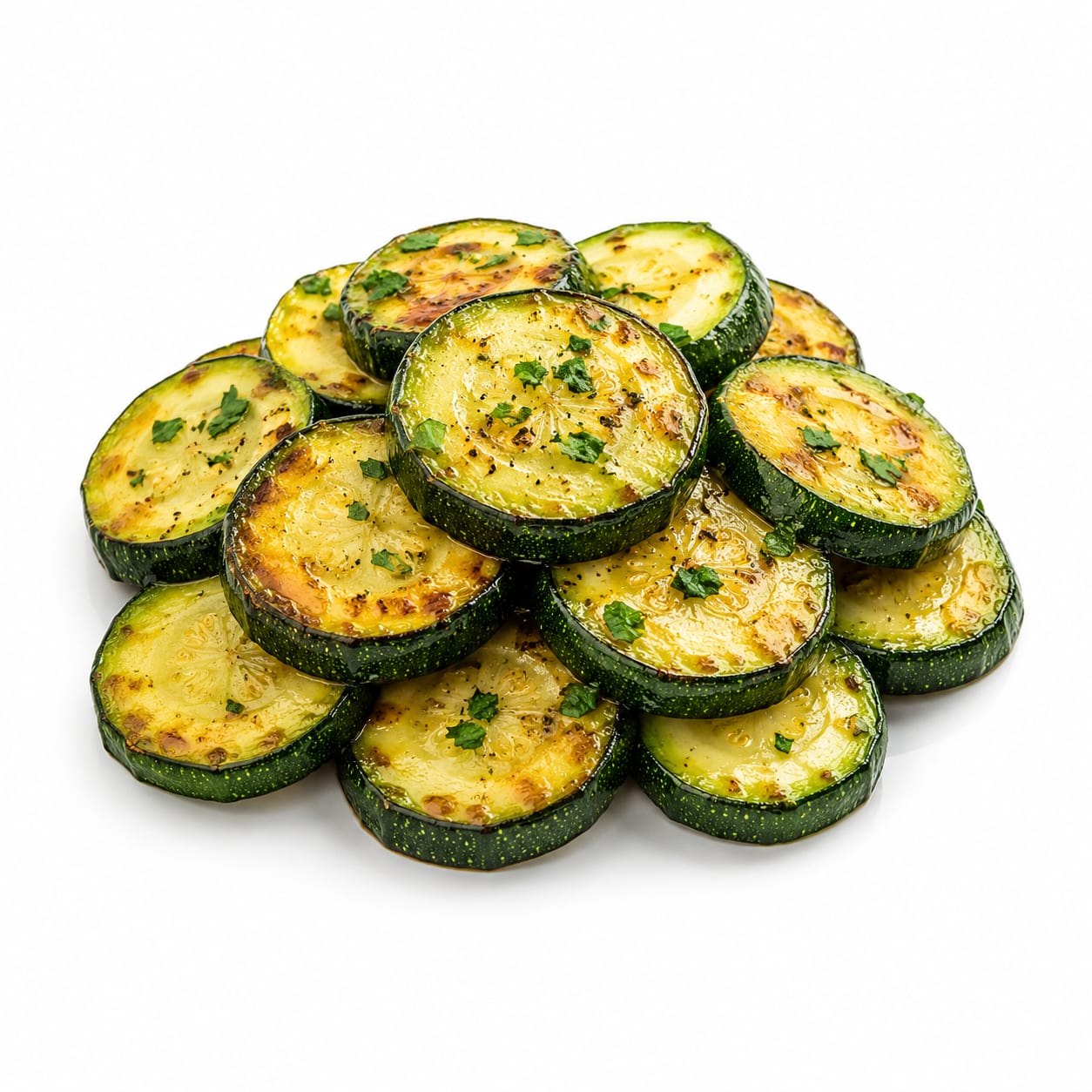
Zucchini
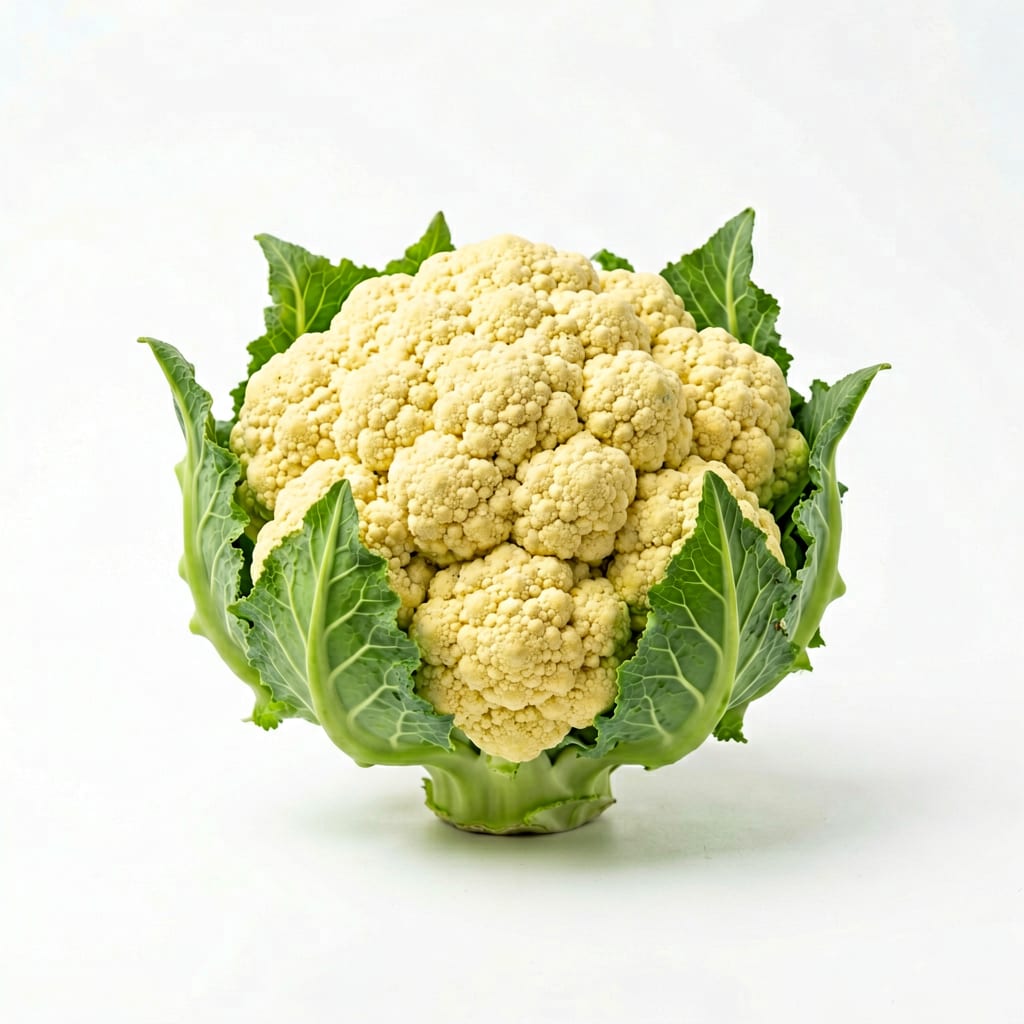
Cauliflower
Cauliflower packs more nutrients and cancer-fighting compounds, but zucchini is easier to digest and barely impacts your calorie budget. Pick cauliflower for nutritional power, zucchini for lightness and gut comfort.
Cauliflower scores higher due to superior nutrient density, fiber content, and disease-fighting compounds. Zucchini stays competitive because of exceptional digestibility and lower calorie burden. The gap reflects cauliflower's broader nutritional profile, not a weakness in zucchini.
Nutritional depth versus digestive ease — cauliflower gives you more per bite but can leave you bloated, while zucchini is gentler but less nutrient-dense.
At a glance
Executive summary
Overall
It depends
Healthier
Cauliflower
More practical
Zucchini
Daily use
Zucchini
Key comparison lenses
low carb vegetable selection
Both are popular low-carb vegetables often swapped into meals as carb replacements
nutrient density comparison
Users want to know which delivers more vitamins and minerals per calorie
digestive tolerance
Cauliflower causes bloating for many people while zucchini is gentler on the gut
meal versatility
Both are kitchen staples but serve very different cooking roles
weight loss efficiency
Both are low-calorie staples for weight management diets
Best choice for
Zucchini
- People with sensitive digestion or IBS
- Anyone counting calories aggressively
- Those who get bloated from cruciferous vegetables
- Quick weeknight cooking with minimal prep
- Raw snacking with dip
Cauliflower
- People seeking maximum nutrient density
- Low-carb dieters wanting rice or mash substitutes
- Anyone wanting anti-inflammatory and cancer-fighting compounds
- Those who need more fiber and fullness from meals
- Pregnant women needing folate
Least suitable for
Zucchini
- People relying on vegetables for substantial vitamin K intake
- Those wanting a filling low-carb staple that satisfies hunger
- Anyone looking for cruciferous cancer-fighting benefits
Cauliflower
- People with IBS or FODMAP sensitivities
- Those with thyroid concerns who eat large daily amounts
- Anyone wanting a vegetable that cooks in under 5 minutes
- People who dislike strong vegetable flavors
Deep comparison
Dimension by dimension
Each lens scores both foods and breaks down who each option suits.
- Dimension 1 · Priority 92Cauliflower
nutrient_density
Zucchini · 58Cauliflower · 85Cauliflower delivers significantly more vitamin C, vitamin K, folate, and unique sulfur compounds per serving. Zucchini is not nutrient-poor, but it cannot match cauliflower's breadth.
Tradeoff
You get more vitamins and protective compounds from cauliflower, but you also get more volume and water from zucchini if you prefer eating larger portions.
Why it matters
Higher nutrient density means each bite does more for your immune system, bone health, and cellular repair.
Real-world impact
A single serving of cauliflower covers most of your daily vitamin C needs, while zucchini covers about a third.
Zucchini
- Eating large volumes without overconsuming nutrients
- Staying hydrated through food
Better for
- Relying on it as a primary vitamin K source
- Getting substantial folate from vegetables
Worse for
Cauliflower
- Maximizing vitamin intake per meal
- Getting folate during pregnancy
- Accessing sulforaphane and glucosinolates
Better for
- Those who want to eat very large portions without feeling heavy
Worse for
- Dimension 2 · Priority 85Zucchini
digestive_tolerance
Zucchini · 90Cauliflower · 52Zucchini is one of the easiest vegetables to digest. Cauliflower is a common trigger for gas, bloating, and discomfort, especially raw or in large amounts.
Tradeoff
Cauliflower's fiber and sulfur compounds are great for your gut microbiome long-term but can cause immediate discomfort. Zucchini is gentle but provides less fermentable fiber for gut bacteria.
Why it matters
If you avoid a vegetable because it makes you uncomfortable, you lose all its benefits. Digestibility often trumps nutrient density in real life.
Real-world impact
Many people report bloating after cauliflower rice or mash, while zucchini noodles rarely cause complaints.
Zucchini
- People with IBS or sensitive stomachs
- Low-FODMAP diet followers
- Eating before social events where bloating matters
Better for
- Those wanting prebiotic fiber to feed beneficial gut bacteria
Worse for
Cauliflower
- Building gut microbiome diversity over time
- People with no digestive sensitivities
Better for
- Anyone prone to gas and bloating
- People on strict low-FODMAP protocols
- Eating large servings close to bedtime
Worse for
- Dimension 3 · Priority 78Cauliflower
satiety_and_fullness
Zucchini · 55Cauliflower · 75Cauliflower's higher fiber content makes it more filling per serving. Zucchini is so water-rich that you may feel hungry again sooner.
Tradeoff
Cauliflower keeps you fuller longer, but zucchini lets you eat more volume for fewer calories if you prefer larger portions.
Why it matters
Feeling full after meals prevents snacking and helps maintain a calorie deficit without willpower struggles.
Real-world impact
A bowl of cauliflower rice feels like a real meal base. Zucchini noodles often leave people reaching for more food within an hour.
Zucchini
- Volume eaters who want large portions
- Light lunch side dishes
Better for
- Using it as a standalone meal base
- Anyone who needs meals to last 4+ hours
Worse for
Cauliflower
- Main dish replacements that actually satisfy
- Preventing afternoon hunger after lunch
Better for
- Small appetites where feeling too full is uncomfortable
Worse for
- Dimension 4 · Priority 75Zucchini
calorie_efficiency
Zucchini · 95Cauliflower · 82Zucchini has roughly 17 calories per 100g versus cauliflower's 25. Both are extremely low, but zucchini gives you more volume per calorie.
Tradeoff
The calorie difference is small in absolute terms but can matter for aggressive calorie restriction. Cauliflower's extra calories come with significantly more nutrients.
Why it matters
For strict calorie counters, every calorie needs to justify itself. Zucchini offers maximum volume with minimal caloric cost.
Real-world impact
You can eat an entire large zucchini for under 50 calories. The same weight of cauliflower costs about 75 calories but returns more nutrients.
Zucchini
- Aggressive calorie restriction diets
- Volume eating strategies
- Late-night snacking with minimal calorie impact
Better for
- Situations where those calories could come with more vitamins
Worse for
Cauliflower
- Calories that carry more nutritional weight
- Balanced meals where 8 extra calories are irrelevant
Better for
- Extreme calorie restriction below 1200 per day
Worse for
- Dimension 5 · Priority 72Cauliflower
cooking_versatility
Zucchini · 70Cauliflower · 82Cauliflower has become the king of low-carb substitutions — pizza crust, rice, mash, wings. Zucchini excels in noodles and grilling but has fewer transformation options.
Tradeoff
Cauliflower takes more effort to transform but can replace carbs in more recipes. Zucchini is faster to prep but more limited in what it can mimic.
Why it matters
A vegetable that replaces comfort foods makes low-carb eating sustainable long-term.
Real-world impact
Cauliflower can replace rice, mashed potatoes, pizza dough, and buffalo wings. Zucchini mainly replaces pasta and works as a grilled side.
Zucchini
- Quick spiralized noodles in 2 minutes
- Grilling and roasting with minimal prep
- Raw snacking with hummus
Better for
- Replacing starches beyond pasta
- Creating dough-like textures
Worse for
Cauliflower
- Low-carb pizza crusts and bread alternatives
- Rice substitutes for stir-fries
- Mashed potato replacements
- Buffalo wing-style bites
Better for
- Quick meals with under 10 minutes prep
- Raw applications where crunch matters
Worse for
- Dimension 6 · Priority 80Cauliflower
anti_inflammatory_and_disease_fighting
Zucchini · 50Cauliflower · 88Cauliflower contains glucosinolates and sulforaphane, compounds strongly linked to cancer prevention and reduced inflammation. Zucchini offers antioxidants but lacks these potent sulfur compounds.
Tradeoff
Cauliflower's disease-fighting compounds are unique to cruciferous vegetables and cannot be easily replaced. Zucchini's benefits are more generic and available from many other foods.
Why it matters
Regular cruciferous vegetable consumption is one of the strongest dietary patterns linked to lower cancer risk.
Real-world impact
Eating cauliflower a few times per week gives you sulfur compounds you simply cannot get from zucchini or most other vegetables.
Zucchini
- Mild antioxidant support without digestive stress
Better for
- Anyone specifically targeting cruciferous health benefits
Worse for
Cauliflower
- Cancer risk reduction through glucosinolates
- Anti-inflammatory benefits from sulforaphane
- Detoxification support via sulfur compounds
Better for
- People who cannot tolerate cruciferous vegetables in any amount
Worse for
- Dimension 7 · Priority 70Cauliflower
blood_sugar_stability
Zucchini · 72Cauliflower · 80Both are excellent for blood sugar due to low carb content. Cauliflower's higher fiber slows digestion slightly more, giving it a small edge.
Tradeoff
The difference is minimal — both are safe for diabetics. Cauliflower's extra fiber provides marginally steadier glucose response.
Why it matters
Even small blood sugar advantages compound over years of daily eating.
Real-world impact
Neither will spike your blood sugar. Cauliflower rice may keep you slightly more stable than zucchini noodles, but both are excellent choices.
Zucchini
- Light meals where you want minimal digestive load
Better for
- Meals where you need maximum blood sugar stabilization
Worse for
Cauliflower
- Sustained energy without crashes
- Diabetic meal planning with maximum fiber
Better for
- Situations where fiber causes uncomfortable fullness
Worse for
Timeline
Health impact over time
Short-term
Hours to days
Zucchini
- Very gentle on digestion with minimal bloating risk
- Quick energy from easily absorbed carbohydrates
- High water content supports hydration
- Unlikely to cause any digestive discomfort
Cauliflower
- May cause gas and bloating within hours of eating
- Noticeable fullness that reduces snacking urges
- Sulfur compounds can cause flatulence
- Raw cauliflower is particularly likely to cause discomfort
Long-term
Months to years
Zucchini
- Consistent gentle fiber intake supports regular digestion
- Low calorie burden helps maintain healthy weight long-term
- Antioxidant support from vitamin C and carotenoids
- Unlikely to cause any cumulative sensitivities
Cauliflower
- Regular glucosinolate intake linked to lower cancer risk
- Prebiotic fiber builds healthier gut microbiome over time
- Consistent folate intake supports cardiovascular health
- Possible thyroid impact if consumed in extreme excess raw
Risk profile
Safety & processing
Both zucchini and cauliflower are whole vegetables typically sold fresh and unprocessed. Pre-cut cauliflower rice or frozen versions may have slight quality loss but remain clean choices. Neither carries meaningful additive concerns in their whole form.
Zucchini
Bitter zucchini toxicity
lowOccasionally zucchini produces cucurbitacins causing extreme bitterness. If your zucchini tastes unusually bitter, discard it immediately. This is rare in store-bought varieties.
Pesticide residue
mediumZucchini can carry pesticide residues. Washing thoroughly or choosing organic reduces exposure, especially for conventionally grown summer squash.
Cauliflower
Pesticide residue
mediumCauliflower frequently appears on watch lists for pesticide residue due to its tight curds that trap sprays. Soaking in salt water or choosing organic helps.
Goitrogenic compounds
lowRaw cauliflower contains goitrogens that can interfere with thyroid function in susceptible individuals. Cooking significantly reduces this concern. Only problematic with extreme daily consumption raw.
Bacterial contamination in tight curds
lowThe dense floret structure can trap bacteria and small insects. Thorough rinsing and inspection before cooking is recommended.
Who wins for whom
Audience fit
Same foods, different winners depending on your goal.
children
ZucchiniZucchini's mild flavor and soft texture when cooked make it far more kid-friendly. Cauliflower's stronger taste and smell often get rejected by picky eaters.
daily consumption
ZucchiniDaily zucchini is unlikely to cause any cumulative issues. Daily raw cauliflower could contribute to thyroid concerns and chronic bloating in sensitive people.
diabetes
CauliflowerBoth are diabetes-friendly, but cauliflower's higher fiber content provides slightly better blood sugar stabilization and more sustained satiety between meals.
elderly
ZucchiniOlder adults often have more sensitive digestion. Zucchini is gentler on the gut and easier to chew when cooked, while cauliflower can cause uncomfortable bloating.
muscle gain
It dependsNeither is a muscle-building food. Both serve as low-calorie sides for protein-focused meals. Cauliflower's slightly higher nutrient density supports recovery marginally better.
weight loss
ZucchiniZucchini's ultra-low calorie count and high water content let you eat large volumes, making calorie restriction feel easier. Cauliflower is also excellent but slightly more calorie-dense.
Your move
Decision guide
Choose Zucchini
- You get bloated easily or have IBS
- You want the lowest possible calorie vegetable
- You need something quick to cook on busy nights
- You are feeding children who resist strong flavors
- You want a gentle vegetable you can eat daily without issues
Choose Cauliflower
- You want maximum nutrients per serving
- You are doing low-carb substitutions like rice or pizza crust
- Cancer prevention and anti-inflammatory eating are priorities
- You need a vegetable that actually fills you up
- You are pregnant or planning pregnancy and need folate
Either works if
- You just need a low-carb side dish for protein
- Both are affordable and available at your store
- You rotate vegetables weekly for gut microbiome diversity
- You are meal prepping and want variety across days
Avoid both if
- You need calorie-dense foods for weight gain
- You are looking for significant protein from vegetables
- You have severe oral allergy syndrome related to cruciferous or cucurbit vegetables
Final recommendation
Keep both in your rotation. Use cauliflower when you want nutrient density and satisfying low-carb replacements. Use zucchini when you need something light, quick, and easy on your stomach. The ideal approach is eating each 2-3 times per week rather than choosing one exclusively.
Practical
Consumer tips
- 1
Soak cauliflower florets in salt water for 10 minutes before cooking to remove hidden pests and reduce pesticide residue
- 2
If cauliflower causes bloating, try roasting it — cooking breaks down some of the gas-causing compounds
- 3
Spiralize zucchini fresh rather than buying pre-cut noodles, which get mushy within a day
- 4
If your zucchini tastes bitter, spit it out and discard — bitterness signals toxic cucurbitacins
- 5
Freeze cauliflower rice in portions for quick meal prep — it thaws faster than making it fresh
- 6
Grill zucchini slices with just olive oil and salt for a 5-minute side that pairs with anything
- 7
Blanch cauliflower before freezing to preserve texture and nutrient quality for months