
Nutrition comparison
Cauliflower vs Kale: Nutrition, Digestibility, and Versatility Compared
Which is healthier, Cauliflower or Kale? Compare their nutrient density, gut-friendly benefits, and best uses in your daily meals to find the right fit.
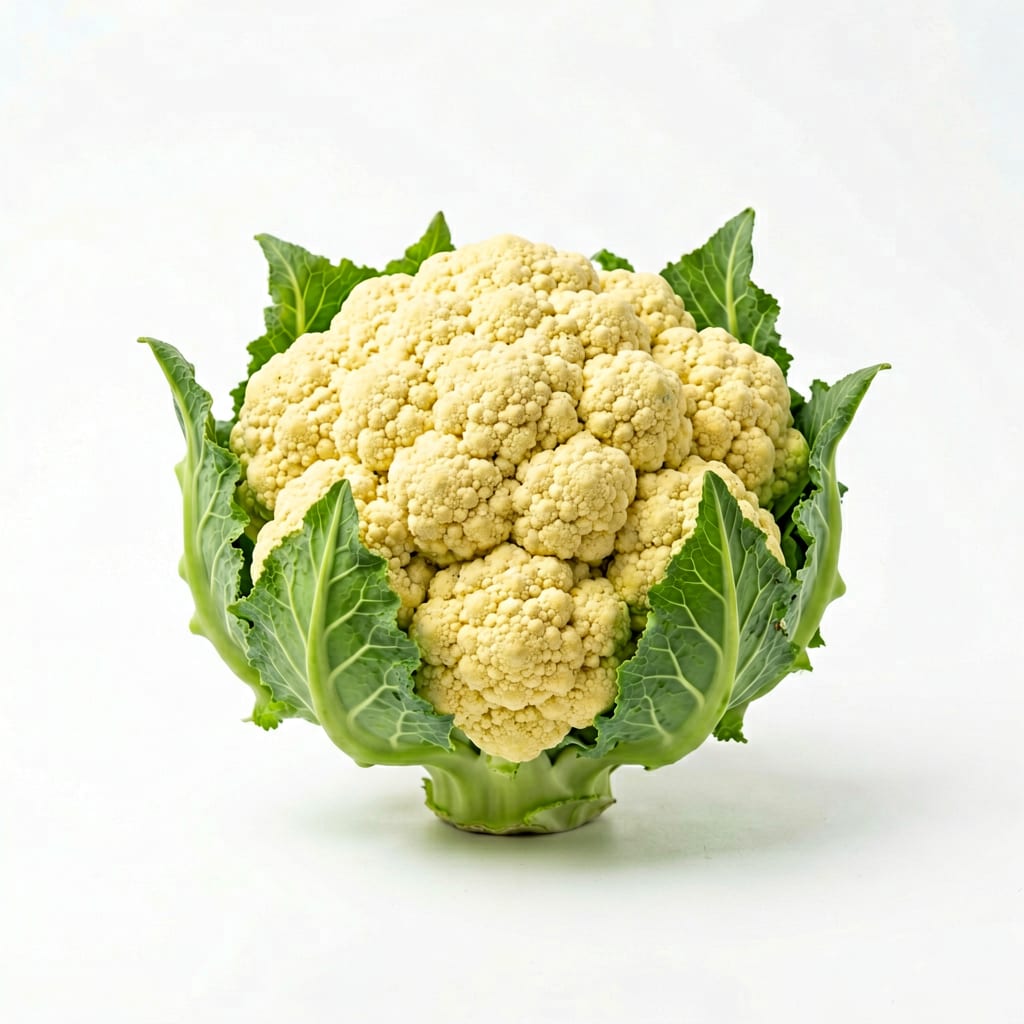
Cauliflower
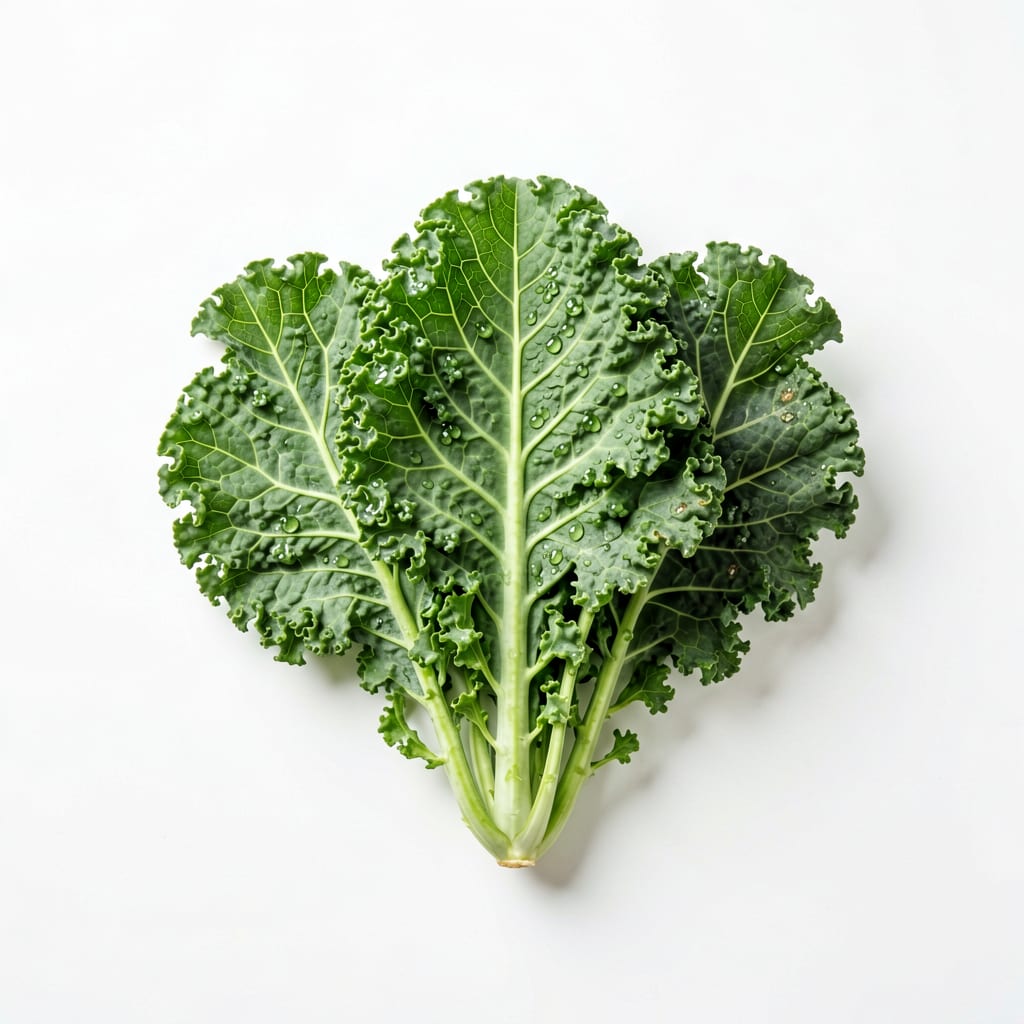
Kale
Kale dominates in sheer vitamin and antioxidant density, but Cauliflower is far more versatile and gentler on the digestive system.
Kale scores slightly higher due to its exceptional micronutrient profile, but Cauliflower stays competitive because of its unmatched culinary adaptability and easier digestibility.
Maximum nutrient payload versus everyday gut comfort and kitchen flexibility.
At a glance
Executive summary
Overall
It depends
Healthier
Kale
More practical
Cauliflower
Daily use
Cauliflower
Key comparison lenses
Nutrient density and vitamin load
Kale is famous for its vitamin content, but users wonder how much it actually beats cauliflower by.
Digestive tolerance and gut comfort
Both are cruciferous and can cause bloating, but they affect the gut differently depending on preparation.
Culinary versatility and low-carb substitution
Cauliflower is a staple low-carb substitute, while kale has a narrower but still popular culinary role.
Thyroid and goitrogen concerns
Both foods contain goitrogens, which raises concerns for thyroid health when eaten raw in large amounts.
Best choice for
Cauliflower
- Low-carb and keto dieters needing a rice or potato substitute
- People with sensitive digestion who still want fiber
- Anyone hiding vegetables in family meals
Kale
- Those needing a massive boost in Vitamins K, A, and C
- Smoothie enthusiasts looking for a nutrient-dense green
- People focused on bone health and reducing oxidative stress
Least suitable for
Cauliflower
- Those strictly monitoring FODMAPs during a flare-up
- People seeking high amounts of fat-soluble vitamins
Kale
- People on blood thinners who need stable Vitamin K intake
- Those with raw kale sensitivities or severe IBS
Deep comparison
Dimension by dimension
Each lens scores both foods and breaks down who each option suits.
- Dimension 1 · Priority 95Kale
Micronutrient Density
Cauliflower · 65Kale · 95Kale is a nutritional powerhouse, delivering massive amounts of Vitamins K, A, and C that Cauliflower simply cannot match.
Tradeoff
You get far more vitamins per bite with Kale, but Cauliflower still provides solid immune support without overwhelming your system.
Why it matters
Higher vitamin density means you can eat less volume to hit your daily requirements, which is great for nutrient gaps.
Real-world impact
A single serving of Kale covers your Vitamin K for the day, while Cauliflower covers most of your Vitamin C needs.
Cauliflower
- Getting gentle, steady Vitamin C without digestive strain
Better for
- Not a significant source of fat-soluble vitamins
Worse for
Kale
- Maximizing Vitamin K for bone health
- Filling in Vitamin A gaps for eye and skin health
Better for
- Vitamin K spikes can interfere with blood thinners like Warfarin
Worse for
- Dimension 2 · Priority 90Cauliflower
Digestive Tolerance
Cauliflower · 80Kale · 55Cooked Cauliflower is generally easier on the stomach than Kale, which can be tough and fibrous to break down.
Tradeoff
Kale offers more roughage for gut motility, but that same fiber can cause severe bloating if your stomach is sensitive.
Why it matters
A food only nourishes you if you can digest it comfortably without gas or pain.
Real-world impact
A bowl of cooked Cauliflower feels light and comforting, whereas a raw Kale salad can sit heavy and cause afternoon bloat.
Cauliflower
- Easier to digest when cooked or mashed
- Better tolerated in larger portions by sensitive stomachs
Better for
- Raw Cauliflower is high in FODMAPs and can trigger IBS symptoms
Worse for
Kale
- Provides very robust insoluble fiber for sluggish digestion
Better for
- Raw leaves are notoriously difficult to break down
- Can cause significant gas and stomach discomfort
Worse for
- Dimension 3 · Priority 85Cauliflower
Culinary Versatility
Cauliflower · 95Kale · 60Cauliflower is the ultimate culinary chameleon, seamlessly replacing carbs in ways Kale never could.
Tradeoff
Kale works well in salads and soups, but Cauliflower can become rice, pizza crust, mash, and even creamy sauces.
Why it matters
Versatility determines how often you actually cook with it, making healthy eating less boring.
Real-world impact
Cauliflower lets you enjoy comfort food textures on a low-carb diet, while Kale is mostly resigned to side dishes and smoothies.
Cauliflower
- Perfect low-carb substitute for rice, potatoes, and flour
- Blends seamlessly into creamy soups and sauces
Better for
- Does not work well as a raw salad base
Worse for
Kale
- Holds up well in hearty soups and stews
- Adds satisfying crunch to salads when massaged
Better for
- Cannot mimic carb textures
- Limited to savory green applications
Worse for
- Dimension 4 · Priority 80Kale
Antioxidant and Phytonutrient Profile
Cauliflower · 70Kale · 90Kale packs a heavier punch of antioxidants like quercetin and kaempferol, alongside eye-protecting lutein.
Tradeoff
Cauliflower has potent cancer-fighting glucosinolates, but Kale offers a broader spectrum of anti-inflammatory compounds.
Why it matters
A diverse antioxidant profile helps combat daily cellular stress and long-term inflammation.
Real-world impact
Eating Kale regularly can help calm systemic inflammation, while Cauliflower focuses more on cellular detox support.
Cauliflower
- Excellent source of glucosinolates for detox pathways
Better for
- Lacks the colorful pigments that drive diverse antioxidant benefits
Worse for
Kale
- Rich in flavonoids that act like natural antihistamines
- High lutein content protects eyes from screen strain
Better for
- None significant, though cooking can degrade some antioxidants
Worse for
- Dimension 5 · Priority 75It depends
Thyroid Impact
Cauliflower · 70Kale · 70Both are cruciferous vegetables containing goitrogens, which can interfere with thyroid function if eaten raw in huge amounts.
Tradeoff
Cooking neutralizes most goitrogens in both, but raw green smoothies with Kale pose a slightly higher risk due to concentration.
Why it matters
For those with hypothyroidism, managing goitrogen intake is crucial for medication efficacy and energy levels.
Real-world impact
If you have thyroid issues, roasting Cauliflower or sautéing Kale makes them safe and healthy, whereas daily raw Kale smoothies might drain your energy over time.
Cauliflower
- Usually eaten cooked, naturally bypassing the goitrogen issue
Better for
- Raw Cauliflower snacks can impact thyroid if overconsumed
Worse for
Kale
- No specific advantage over Cauliflower
Better for
- Raw Kale in smoothies is a very common way people accidentally overconsume goitrogens
Worse for
Timeline
Health impact over time
Short-term
Hours to days
Cauliflower
- Provides steady energy without a sugar crash
- Can cause gassiness or bloating if eaten raw in large portions
Kale
- Delivers a quick nutrient boost, especially when blended
- May feel heavy in the stomach or cause cramping if not chewed well
Long-term
Months to years
Cauliflower
- Supports natural detoxification processes
- Makes low-carb diets sustainable long-term by replacing starchy favorites
Kale
- Strengthens bones and reduces fracture risk due to high Vitamin K
- Lowers oxidative stress, potentially slowing skin aging and chronic disease
Risk profile
Safety & processing
Both Cauliflower and Kale are whole, natural vegetables. However, pre-packaged Cauliflower rice or Kale chips can sometimes contain added sodium or preservatives, so always check the label on convenience forms.
Cauliflower
FODMAP sensitivity
mediumRaw Cauliflower is high in fructans and can trigger IBS flare-ups; cooking reduces this risk significantly.
Pesticide residue
mediumCauliflower often retains pesticides in its tight florets; washing thoroughly or choosing organic helps.
Kale
Pesticide residue
highKale frequently appears on the Dirty Dozen list due to high pesticide residue, including traces of herbicides like DCPA.
Goitrogenic interference
mediumConsuming raw Kale in large amounts can suppress thyroid function in susceptible individuals.
Who wins for whom
Audience fit
Same foods, different winners depending on your goal.
children
CauliflowerCauliflower can be hidden in mac and cheese, mashed potatoes, or pizza crust, making it far easier to sneak into a picky eater's diet.
daily consumption
CauliflowerCauliflower is less likely to cause daily digestive fatigue and fits into a wider variety of everyday meals.
diabetes
CauliflowerCauliflower is the ultimate blood-sugar-friendly food, offering zero-starch comfort food alternatives that prevent glucose spikes.
elderly
CauliflowerCooked Cauliflower is softer to chew and gentler on aging digestive systems than tough, fibrous Kale leaves.
muscle gain
KaleKale provides slightly more iron and Vitamin C to support oxygen transport and collagen repair for active muscles.
weight loss
CauliflowerCauliflower's ability to mimic high-calorie carbs like rice and potatoes makes cutting calories feel effortless and sustainable.
Your move
Decision guide
Choose Cauliflower
- You want to cut carbs without feeling deprived
- You have a sensitive stomach or IBS and need gentle fiber
- You need a versatile base for comfort food makeovers
Choose Kale
- You want to maximize your vitamin intake per bite
- You blend green smoothies regularly
- You are focused on bone health or reducing inflammation
Either works if
- You just want to eat more cruciferous vegetables for cancer prevention
- You are willing to cook them to reduce goitrogens and improve digestion
Avoid both if
- You are on a strict low-FODMAP elimination diet and cannot tolerate them cooked
- You have severe hypothyroidism and refuse to cook your cruciferous veggies
Final recommendation
Keep both in your rotation. Use Kale when you need a nutrient-dense boost in smoothies or salads, and rely on Cauliflower for everyday meals where you want comfort, digestibility, and low-carb versatility.
Practical
Consumer tips
- 1
Always wash Kale thoroughly; its curly leaves trap dirt and pesticide residue more than Cauliflower's florets.
- 2
If raw Kale bloats you, try massaging it with olive oil or lightly sautéing it to break down the tough fiber.
- 3
Steam or roast Cauliflower instead of boiling it to preserve its Vitamin C and keep it from getting mushy.
- 4
If you have thyroid concerns, lightly cooking both vegetables almost entirely eliminates goitrogenic compounds.
- 5
Buy organic Kale when possible to avoid high pesticide exposure, but conventional Cauliflower is generally safer.