
Nutrition comparison
Cauliflower vs Green Beans: Nutrition, Digestion, and Low-Carb Comparison
Compare Cauliflower vs Green Beans for keto diets, digestion, and pesticide risk. Find out which vegetable is better for weight loss and gut health.
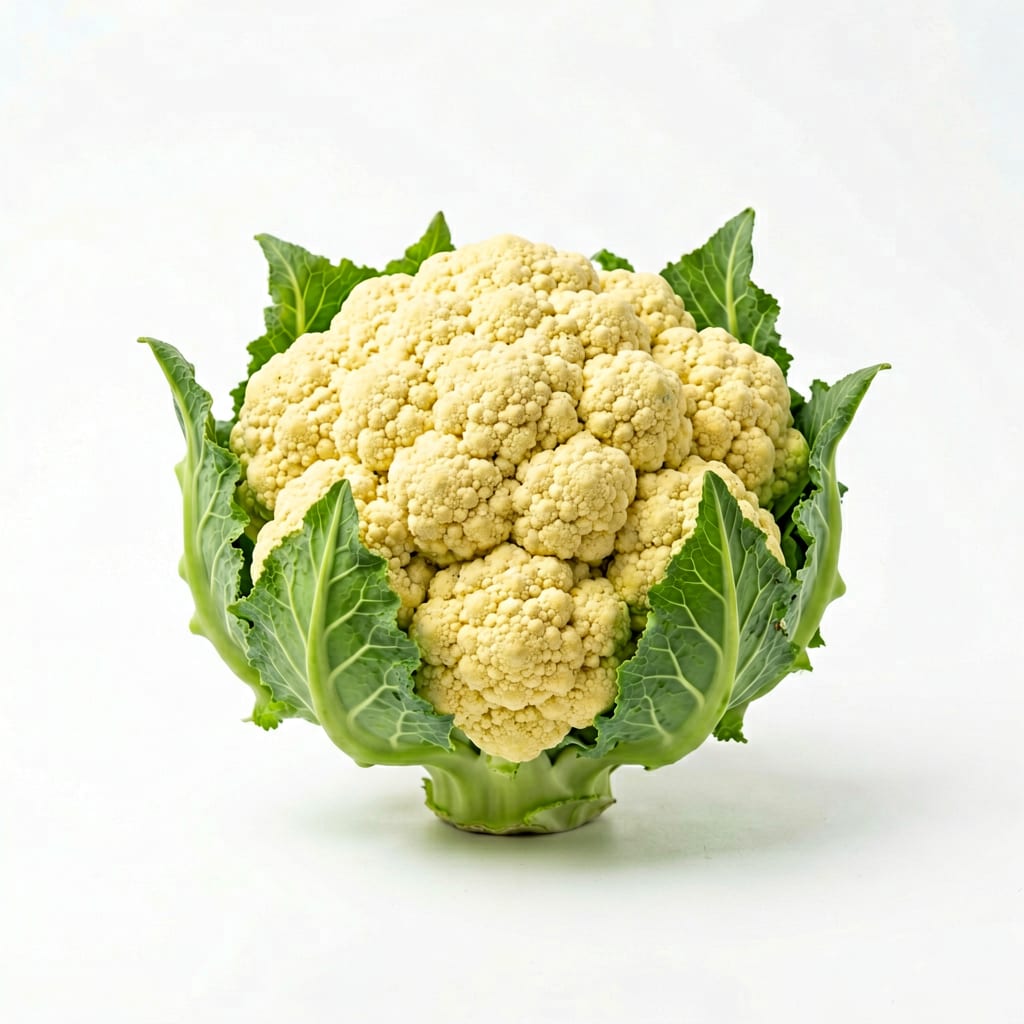
Cauliflower
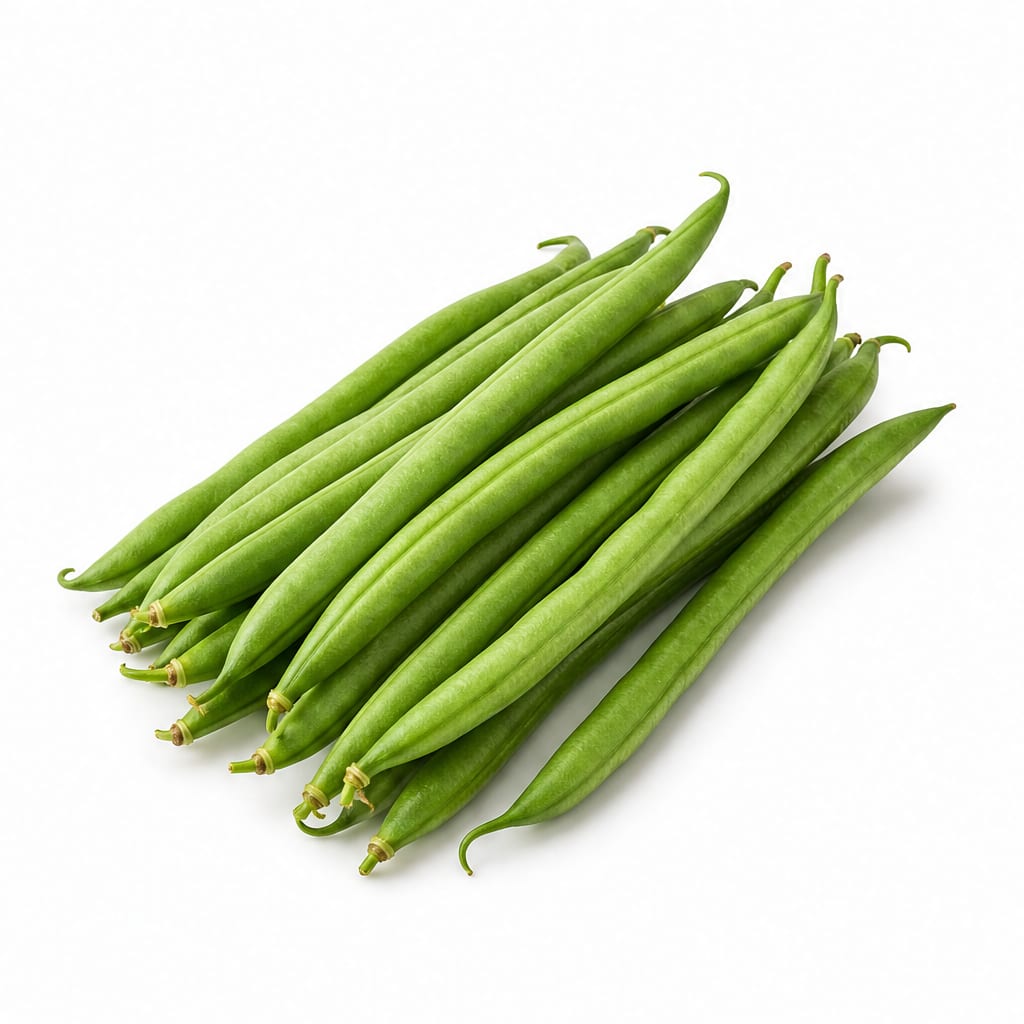
Green Beans
Cauliflower wins for low-carb versatility and vitamin C, while Green Beans are gentler on digestion and easier as a quick side.
Green Beans slightly edge out Cauliflower due to better digestive tolerance and ease of daily use, though Cauliflower remains a nutritional powerhouse with unique low-carb benefits.
Cauliflower offers unmatched low-carb recipe swaps but can cause bloating; Green Beans are a safer, easier stomach choice but lack the same culinary flexibility.
At a glance
Executive summary
Overall
It depends
Healthier
It depends
More practical
Green Beans
Daily use
Green Beans
Key comparison lenses
Low-carb diet suitability
Cauliflower is a famous low-carb substitute, while Green Beans are a standard low-carb side but lack the same versatility.
Digestive comfort and IBS tolerance
Cauliflower is high in FODMAPs and often causes bloating, whereas Green Beans are typically much gentler on the gut.
Pesticide exposure risk
Green Beans frequently appear on the EWG Dirty Dozen list for pesticide residues, while Cauliflower is generally cleaner.
Everyday side dish practicality
Green Beans are quick to steam or sauté as a simple side, while Cauliflower often requires more prep for ricing or mashing.
Best choice for
Cauliflower
- Keto and low-carb dieters
- People wanting to sneak more Vitamin C into meals
- Those seeking rice or potato substitutes
Green Beans
- People with sensitive digestion or IBS
- Busy cooks needing a quick, low-prep side dish
- Anyone avoiding FODMAP triggers
Least suitable for
Cauliflower
- People with severe IBS or FODMAP intolerance
- Those prone to bloating and gas
Green Beans
- Strict keto dieters tracking every net carb
- Those looking for a high-volume carb substitute
Deep comparison
Dimension by dimension
Each lens scores both foods and breaks down who each option suits.
- Dimension 1 · Priority 80Cauliflower
Nutrient Density & Antioxidants
Cauliflower · 85Green Beans · 75Cauliflower packs more Vitamin C and cancer-fighting glucosinolates, while Green Beans lean heavier on Vitamin K and silicon for bone health.
Tradeoff
You get more immune-boosting Vitamin C from Cauliflower, but Green Beans offer unique bone-supporting minerals.
Why it matters
Vitamin C helps with iron absorption and skin health, making Cauliflower a strong immune ally.
Real-world impact
Eating Cauliflower regularly can help keep your skin glowing and fight off colds better than Green Beans.
Cauliflower
- Boosting immune defense
- Increasing antioxidant variety
Better for
- Those seeking bone-specific mineral support
Worse for
Green Beans
- Supporting bone strength
- Improving wound healing via Vitamin K
Better for
- Those needing a high Vitamin C boost
Worse for
- Dimension 2 · Priority 88Green Beans
Digestive Tolerance & Gut Health
Cauliflower · 55Green Beans · 90Green Beans are generally easy on the stomach, whereas Cauliflower contains FODMAPs that can trigger bloating and gas.
Tradeoff
Cauliflower's fiber is great but comes with gut irritation risks for sensitive individuals, while Green Beans are a safer bet for happy digestion.
Why it matters
Chronic bloating can ruin your day and make healthy eating feel punishing.
Real-world impact
If you eat Cauliflower too often, you might deal with uncomfortable gas; Green Beans are less likely to cause after-dinner bloating.
Cauliflower
- Feeding diverse gut bacteria if tolerant
Better for
- People with FODMAP sensitivities
- Those prone to post-dinner gas
Worse for
Green Beans
- Avoiding IBS flare-ups
- Preventing after-meal bloating
Better for
- No significant downside here
Worse for
- Dimension 3 · Priority 92Cauliflower
Low-Carb Versatility & Meal Replacement
Cauliflower · 98Green Beans · 40Cauliflower is the ultimate low-carb shape-shifter, replacing rice, potatoes, and pizza crusts; Green Beans are mostly just a side dish.
Tradeoff
Cauliflower lets you mimic comfort foods, but Green Beans lack that culinary flexibility.
Why it matters
Being able to swap carbs makes sticking to a low-carb diet feel sustainable instead of restrictive.
Real-world impact
You can enjoy fried rice or mashed potatoes on a keto diet using Cauliflower, something Green Beans just can't do.
Cauliflower
- Keto dieters
- Meal preppers making carb swaps
Better for
- People who dislike the taste of vegetable substitutes
Worse for
Green Beans
- Those who just want a simple vegetable without the prep work
Better for
- Anyone needing a starchy texture replacement
Worse for
- Dimension 4 · Priority 78Cauliflower
Pesticide & Contamination Risk
Cauliflower · 85Green Beans · 60Green Beans frequently appear on the EWG's Dirty Dozen for pesticide residues, while Cauliflower typically tests cleaner.
Tradeoff
Choosing Green Beans means you should prioritize buying organic to avoid pesticide exposure, adding cost or sourcing effort.
Why it matters
Pesticide exposure can disrupt hormones and affect long-term health, even at low levels.
Real-world impact
If you eat Green Beans often, spending the extra money on organic is a smart move; Cauliflower is safer to buy conventional.
Cauliflower
- Budget shoppers buying conventional produce
Better for
- No significant downside here
Worse for
Green Beans
- No specific advantage here
Better for
- Those concerned about pesticide residue on a budget
Worse for
Timeline
Health impact over time
Short-term
Hours to days
Cauliflower
- May cause bloating or gas
- Provides a quick Vitamin C boost
Green Beans
- Gentle on the digestive system
- Provides steady, light energy
Long-term
Months to years
Cauliflower
- Supports immune health via antioxidants
- May consistently trigger IBS symptoms if overconsumed
Green Beans
- Supports bone density through Vitamin K
- Lower risk of chronic bloating
Risk profile
Safety & processing
Both Cauliflower and Green Beans are whole, natural vegetables with minimal processing and no artificial additives when bought fresh or frozen.
Cauliflower
Goitrogenic compounds
lowRaw Cauliflower contains goitrogens that can interfere with thyroid function if eaten in massive amounts, but cooking largely neutralizes them.
Green Beans
Pesticide residue
mediumGreen Beans often test high for pesticide residues like acephate, making organic a safer choice.
Lectins when raw
lowRaw Green Beans contain lectins that can cause nausea, but cooking destroys them completely.
Who wins for whom
Audience fit
Same foods, different winners depending on your goal.
children
Green BeansGreen Beans are milder in flavor and easier on tiny stomachs, making them a more kid-friendly option than potentially gas-inducing Cauliflower.
daily consumption
Green BeansGreen Beans are less likely to cause cumulative digestive distress when eaten every day compared to Cauliflower.
diabetes
CauliflowerCauliflower has slightly fewer carbs and a lower glycemic impact, making blood sugar management easier.
elderly
Green BeansOlder adults often have more sensitive digestion, making the gentler fiber in Green Beans a safer choice.
muscle gain
It dependsNeither is a significant protein source, but both offer fiber and micronutrients to support a muscle-building diet.
weight loss
CauliflowerCauliflower's ability to replace high-calorie carbs like rice and potatoes makes it a superior tool for cutting calories without feeling deprived.
Your move
Decision guide
Choose Cauliflower
- You are on a keto or strict low-carb diet
- You want to replace rice, potatoes, or pizza crust
- You need more Vitamin C in your diet
- You have no issues with gas or bloating
Choose Green Beans
- You have a sensitive stomach or IBS
- You want a quick, no-fuss side dish
- You are buying organic and want bone-supporting nutrients
- You are feeding picky kids
Either works if
- You just need a healthy vegetable to round out dinner
- You want to increase your daily fiber intake
Avoid both if
- You are on a strict low-fiber diet for a medical procedure
Final recommendation
Keep both in rotation, but lean on Cauliflower when you need a low-carb hack and Green Beans when your stomach needs a break. Buy Green Beans organic when possible to avoid pesticide concerns.
Practical
Consumer tips
- 1
Ricing Cauliflower in a food processor saves time and mimics the texture of real rice perfectly.
- 2
If Cauliflower makes you bloated, try roasting it instead of steaming; it breaks down some of the tough fibers.
- 3
Always buy organic Green Beans if possible, as conventional ones often carry high pesticide residues.
- 4
Blanch Green Beans for 3 minutes to keep them crisp and bright green without losing nutrients.