
Nutrition comparison
Cauliflower vs Broccoli: Which is Healthier?
Compare cauliflower vs broccoli for weight loss, keto diets, and nutrients. Discover which cruciferous vegetable fits your health goals best.
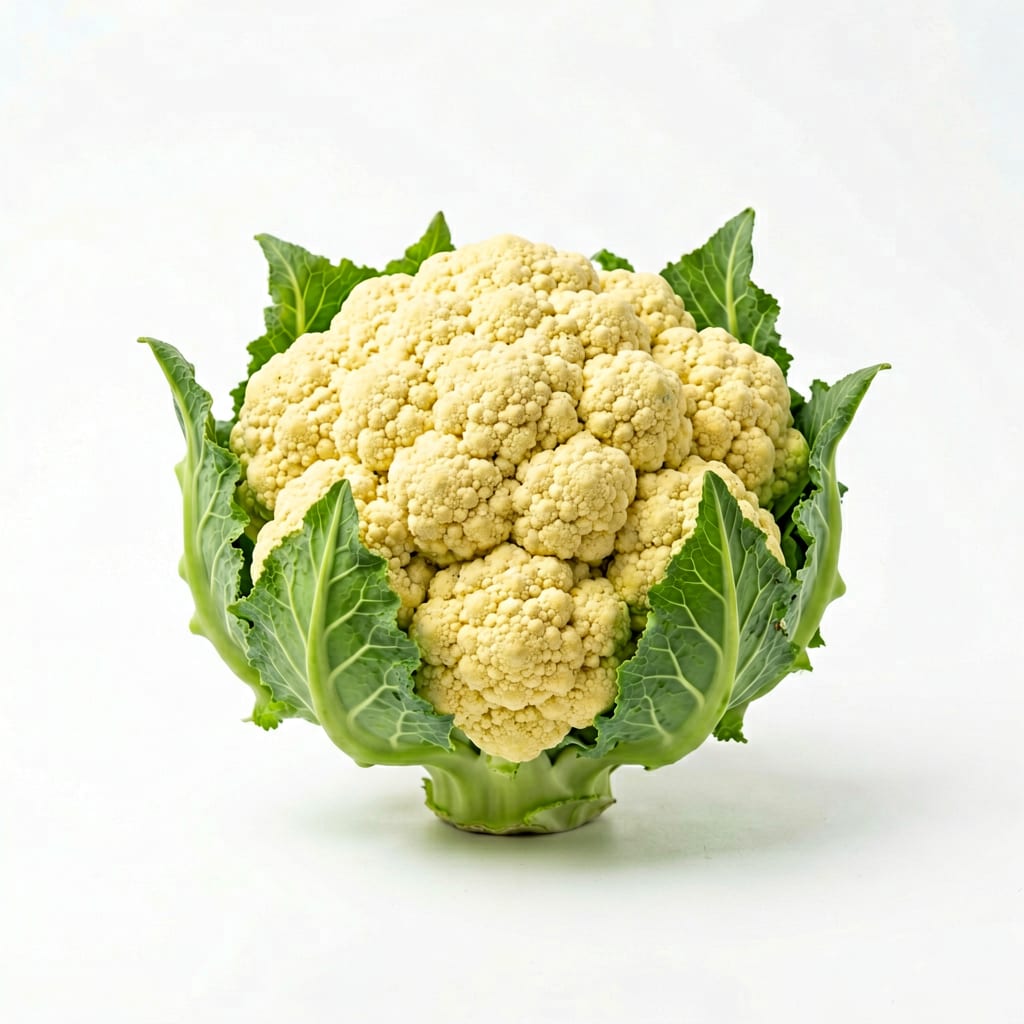
Cauliflower
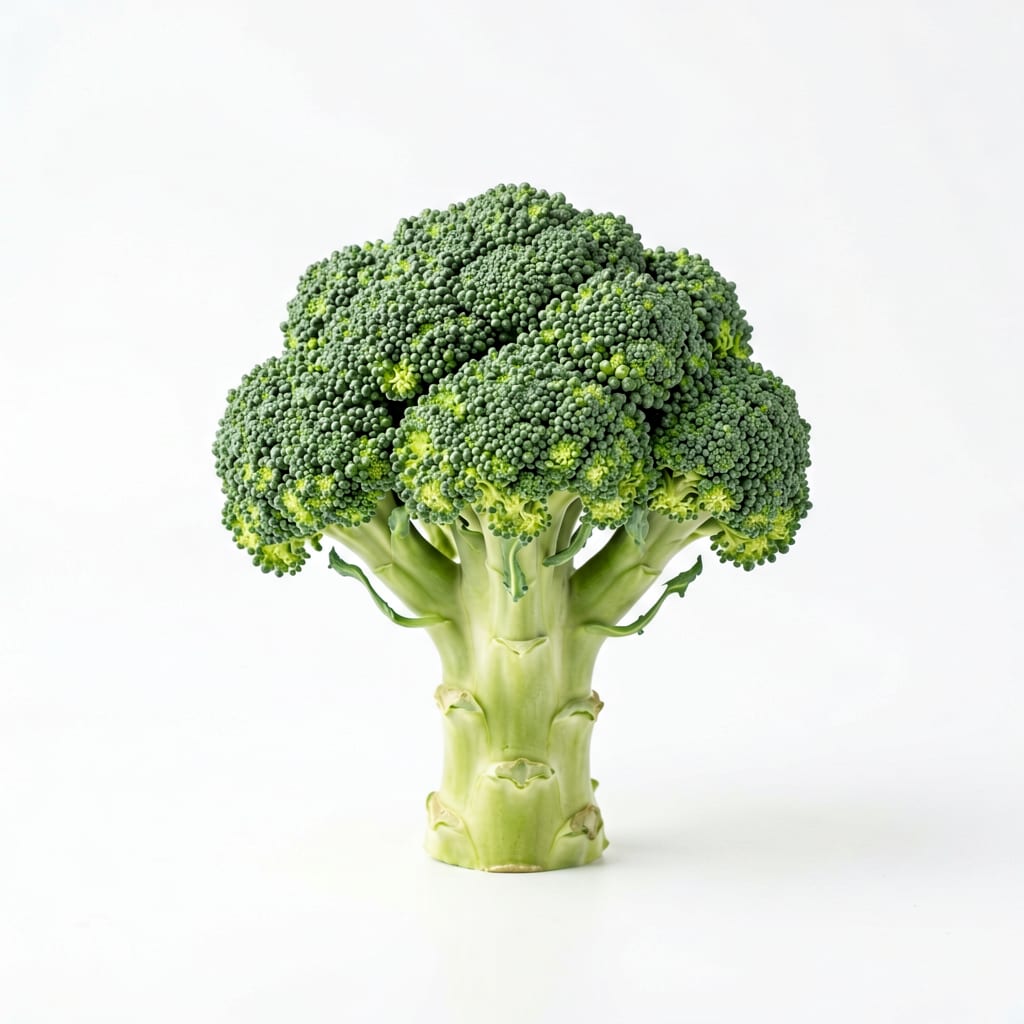
Broccoli
Broccoli packs more vitamins and antioxidants, but cauliflower is the ultimate low-carb shape-shifter for comfort food cravings.
Broccoli takes a slight lead for superior vitamin and antioxidant content, but cauliflower stays highly competitive due to its unmatched culinary adaptability and low-carb appeal.
Maximum nutrient density versus kitchen versatility and low-carb recipe substitution.
At a glance
Executive summary
Overall
It depends
Healthier
Broccoli
More practical
Cauliflower
Daily use
It depends
Key comparison lenses
Nutrient density and vitamin profile
Broccoli is famous for vitamins K and C, while cauliflower offers a different, milder nutritional profile.
Low-carb diet versatility
Cauliflower is the ultimate low-carb substitute for rice, mash, and pizza crusts, making it a staple for keto dieters.
Digestive tolerance and gas
Both are cruciferous and can cause bloating, but preparation methods and individual tolerance vary widely.
Antioxidant and anti-inflammatory benefits
Broccoli contains sulforaphane and beta-carotene, giving it a stronger edge in fighting inflammation.
Best choice for
Cauliflower
- Keto and low-carb dieters
- People craving comfort food textures like rice or mash
- Picky eaters who need hidden veggies in familiar dishes
Broccoli
- Those seeking maximum vitamin intake per calorie
- People focused on anti-inflammatory and immune benefits
- Anyone wanting a hearty, nutrient-dense side dish
Least suitable for
Cauliflower
- People prone to severe bloating from large portions of cruciferous veggies
- Those specifically looking to boost Vitamin A and K levels
Broccoli
- People strictly limiting Vitamin K due to blood thinner medications
- Those who strongly dislike bitter, earthy green flavors
Deep comparison
Dimension by dimension
Each lens scores both foods and breaks down who each option suits.
- Dimension 1 · Priority 95Broccoli
Nutrient Density
Cauliflower · 75Broccoli · 92Broccoli delivers significantly more vitamins C, K, and A than cauliflower.
Tradeoff
You sacrifice some vitamin density with cauliflower, but gain a milder flavor that blends seamlessly into any dish.
Why it matters
Higher vitamin intake supports immune function and bone health without needing supplements.
Real-world impact
Eating a cup of broccoli feels like checking off a huge chunk of your daily vitamin needs in one sitting.
Cauliflower
- Avoiding excess Vitamin K if on blood thinners
- Getting mild, non-overwhelming nutrition
Better for
- Maximizing vitamin A intake
- Getting the most nutrition per calorie
Worse for
Broccoli
- Boosting immune health quickly
- Supporting bone density
- Getting more antioxidants per bite
Better for
- People who need perfectly consistent Vitamin K levels for medication management
Worse for
- Dimension 2 · Priority 90Cauliflower
Kitchen Versatility & Low-Carb Substitution
Cauliflower · 95Broccoli · 65Cauliflower can mimic rice, mashed potatoes, and pizza crust, making it a low-carb dieter's best friend.
Tradeoff
You lose the vibrant color and distinct crunch of broccoli, but gain a blank canvas for comfort food.
Why it matters
Sticking to a low-carb diet is infinitely easier when you can still enjoy the texture of rice or mash.
Real-world impact
Cauliflower makes cutting carbs feel sustainable instead of restrictive, satisfying psychological cravings for heavy foods.
Cauliflower
- Replacing high-carb staples like grains and potatoes
- Sneaking veggies into picky kids' meals
- Making keto-friendly comfort food
Better for
- Dishes where you want a distinct, hearty vegetable presence
Worse for
Broccoli
- Adding vibrant color and crunch to a stir-fry
- Eating as a standalone roasted side dish
Better for
- Trying to make low-carb pizza crust or fried rice
Worse for
- Dimension 3 · Priority 80Broccoli
Antioxidant & Anti-inflammatory Power
Cauliflower · 78Broccoli · 90Broccoli is richer in sulforaphane and beta-carotene, giving it stronger anti-inflammatory properties.
Tradeoff
Cauliflower still offers beneficial glucosinolates, but lacks the deep pigments that signal extra antioxidant power.
Why it matters
Chronic inflammation drives aging and disease; eating potent antioxidants is a daily defense.
Real-world impact
Regular broccoli consumption acts like a daily shield against cellular aging and joint stiffness.
Cauliflower
- Getting mild antioxidant support without strong flavors
Better for
- Those needing high-impact anti-inflammatory foods
Worse for
Broccoli
- Fighting systemic inflammation
- Supporting cellular detox pathways
- Getting maximum cellular protection
Better for
- None significant, unless you dislike the flavor
Worse for
- Dimension 4 · Priority 85It depends
Digestive Tolerance
Cauliflower · 75Broccoli · 75Both are cruciferous and can cause gas, but cooking methods change the game entirely.
Tradeoff
Raw broccoli is tougher to digest, while raw cauliflower is slightly easier, but both are best cooked for sensitive stomachs.
Why it matters
A healthy food that makes you bloated won't be a sustainable part of your diet.
Real-world impact
If you skip veggies because they make you gassy, roasting or steaming either one until very soft is your best move.
Cauliflower
- Pureeing into soups for extremely easy digestion
- Eating raw with dip if you prefer a softer crunch
Better for
- Eating large amounts raw if prone to bloating
Worse for
Broccoli
- Light steaming to aid digestion while keeping nutrients intact
- Adding fiber to slow down sugar absorption
Better for
- Eating large raw salads if you have a sensitive gut or IBS
Worse for
Timeline
Health impact over time
Short-term
Hours to days
Cauliflower
- Provides quick satiety when used as a carb replacement
- May cause mild bloating or gas if eaten in large quantities raw
Broccoli
- Delivers an immediate boost of Vitamin C for immune support
- Can cause noticeable stomach gas due to high fiber and sulfur compounds
Long-term
Months to years
Cauliflower
- Helps maintain sustainable low-carb diets over months
- Supports consistent, gentle daily detoxification
Broccoli
- Strongly protects against chronic inflammation and cellular damage
- Supports long-term bone density and heart health
Risk profile
Safety & processing
Both are whole, natural vegetables in their raw form. However, pre-cut cauliflower rice or frozen pizza crusts can add sodium and preservatives, so watch the packaging if you buy them prepared.
Cauliflower
Pesticide residue
mediumCauliflower retains pesticides in its tight florets; buying organic or washing thoroughly helps reduce exposure.
Broccoli
Pesticide residue
highBroccoli is often heavily sprayed and holds residue in its complex tree-like florets; soaking and rinsing is essential.
Who wins for whom
Audience fit
Same foods, different winners depending on your goal.
children
CauliflowerCauliflower can be hidden in mac and cheese or mashed potatoes, making it a stealthy win for picky eaters.
daily consumption
It dependsRotate both for varied nutrients; use broccoli for vitamins and cauliflower for low-carb meal variety.
diabetes
CauliflowerCauliflower's ultra-low carb count and use as a grain substitute prevents blood sugar spikes entirely.
elderly
BroccoliBroccoli's higher Vitamin K and calcium content strongly support bone density and cardiovascular health in older adults.
muscle gain
BroccoliBroccoli provides slightly more Vitamin C and K, which support tissue repair, recovery, and bone strength under heavy lifting.
weight loss
CauliflowerCauliflower's ability to replace high-calorie carbs like rice and potatoes makes it far easier to sustain a calorie deficit without feeling deprived.
Your move
Decision guide
Choose Cauliflower
- You are on a keto or low-carb diet
- You want to recreate comfort foods like mashed potatoes or fried rice
- You need a mild-flavored veggie to hide in sauces or casseroles
Choose Broccoli
- You want to maximize your vitamin and antioxidant intake
- You love a good roasted or steamed green veggie side dish
- You are focused on reducing inflammation and boosting immunity
Either works if
- You just need more filling fiber in your diet
- You want to roast a big sheet pan of veggies for weekly meal prep
Avoid both if
- You have severe IBS and react poorly to cruciferous vegetables even when cooked
- You are on strict blood thinners and have been told to keep Vitamin K intake perfectly consistent
Final recommendation
Keep both in your fridge. Use broccoli when your body needs a nutrient-dense boost, and lean on cauliflower when your brain needs a low-carb comfort food fix.
Practical
Consumer tips
- 1
Buy whole heads instead of pre-cut florets to save money and reduce plastic waste.
- 2
Roasting both with olive oil and salt completely transforms their flavor from bitter to sweet and nutty.
- 3
If cauliflower rice gets soggy, try pan-frying it dry for a few minutes before adding sauces.
- 4
Don't throw away broccoli stems; peel and slice them for stir-fries or slaws to reduce food waste.