
Nutrition comparison
Cauliflower vs Brussels Sprouts: Nutrition, Digestion, and Which to Choose
Compare Cauliflower and Brussels Sprouts side by side. Discover which cruciferous vegetable offers more vitamins, better digestion, and greater cooking versatility for your health goals.
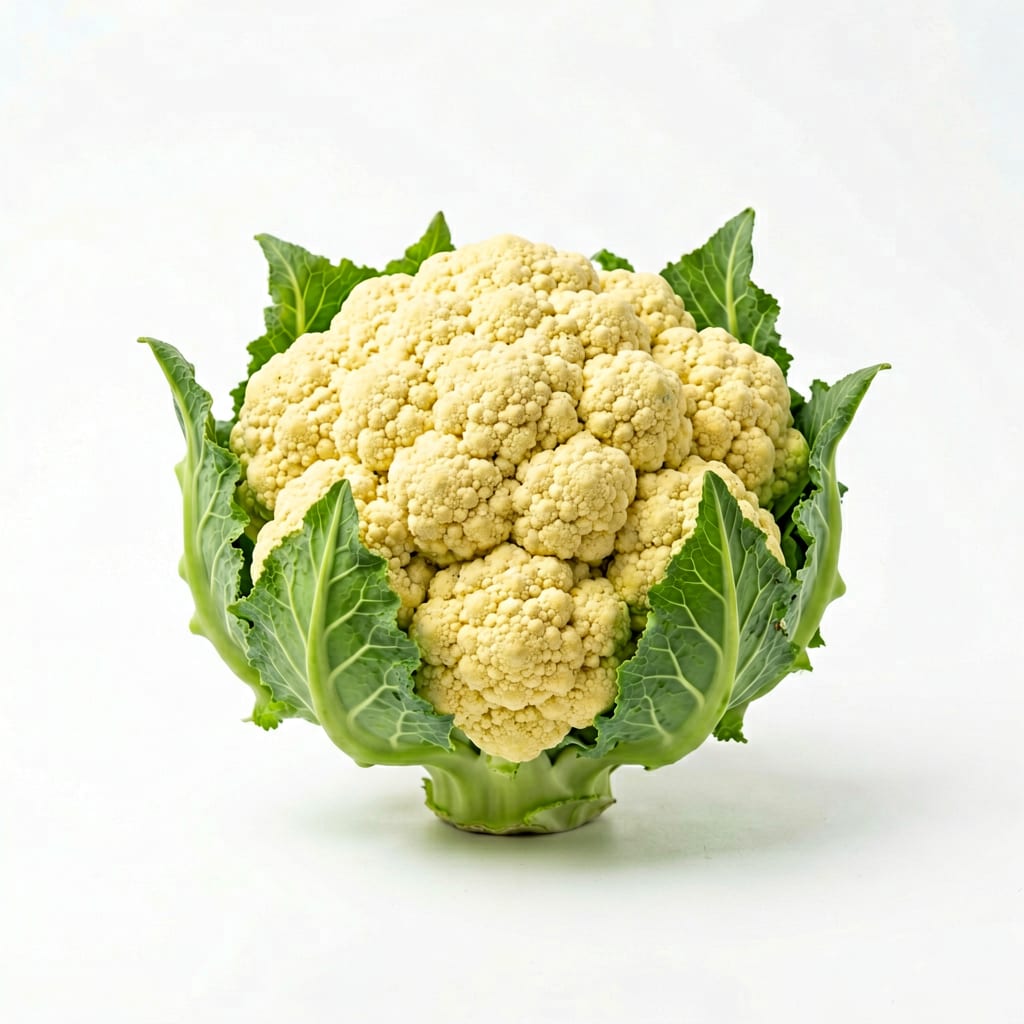
Cauliflower
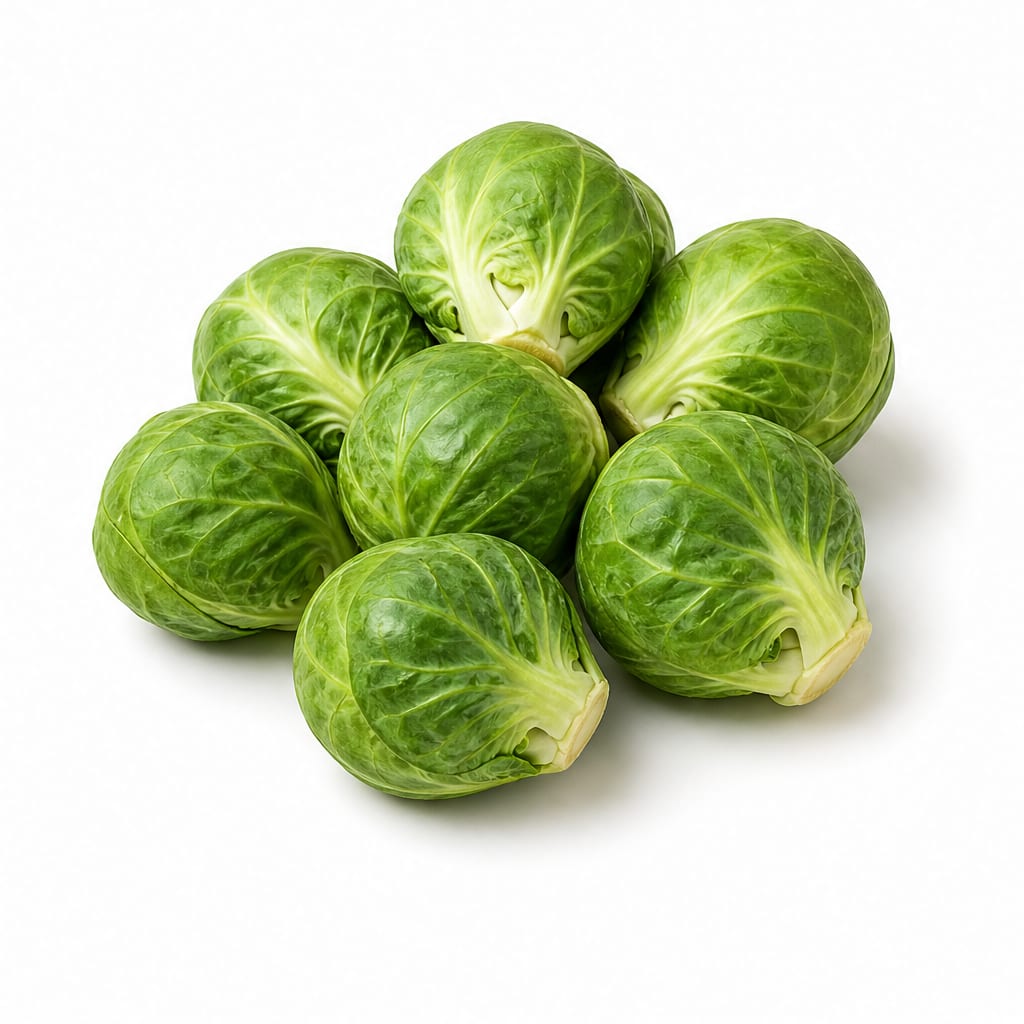
Brussels Sprouts
Brussels Sprouts win on raw nutrition, but Cauliflower wins on versatility and digestibility. Your choice depends on what matters more at dinner tonight.
Brussels Sprouts score higher for nutrient density and disease-fighting potential, but Cauliflower stays competitive thanks to superior versatility, milder digestion, and broader recipe adaptation. The gap reflects nutrition vs. practicality tradeoff.
More vitamins and antioxidants vs. more recipe flexibility and easier digestion
At a glance
Executive summary
Overall
It depends
Healthier
Brussels Sprouts
More practical
Cauliflower
Daily use
Cauliflower
Key comparison lenses
nutrient density comparison
Both are cruciferous vegetables but Brussels Sprouts pack significantly more vitamins and minerals per calorie
cooking versatility
Cauliflower has become a low-carb substitute staple while Brussels Sprouts remain more limited in application
digestive tolerance
Cruciferous vegetables differ notably in gas-producing compounds and fiber roughness
cancer-fighting potential
Both contain glucosinolates but in different profiles and concentrations
family-friendly eating
Taste preferences often drive the choice between these two more than nutrition
Best choice for
Cauliflower
- People with sensitive digestion who still want cruciferous benefits
- Low-carb dieters wanting rice or mash substitutes
- Families with picky eaters who resist bitter flavors
- Meal preppers who want one vegetable to use five ways
Brussels Sprouts
- Anyone maximizing vitamin K and C intake
- People focused on antioxidant and cancer-fighting compounds
- Those who enjoy robust savory flavors
- Strength athletes needing extra folate and vitamin C
Least suitable for
Cauliflower
- People seeking the highest nutrient density per bite
- Anyone bored by mild flavors who wants bold side dishes
- Those specifically targeting high vitamin K intake
Brussels Sprouts
- People with IBS or severe bloating sensitivity
- Picky eaters or children who reject bitter tastes
- Anyone wanting a neutral base for sauces or seasonings
Deep comparison
Dimension by dimension
Each lens scores both foods and breaks down who each option suits.
- Dimension 1 · Priority 95Brussels Sprouts
Nutrient Density
Cauliflower · 62Brussels Sprouts · 91Brussels Sprouts deliver substantially more vitamin K, vitamin C, folate, and manganese per serving than Cauliflower.
Tradeoff
You get more nutritional punch from Brussels Sprouts but Cauliflower's milder profile makes it easier to eat in larger quantities
Why it matters
Vitamin K is critical for bone health and blood clotting, and most people underconsume it. Brussels Sprouts are one of the best sources available.
Real-world impact
A single cup of Brussels Sprouts covers over 200% of your daily vitamin K needs, while Cauliflower covers about 20%.
Cauliflower
- Eating larger volumes without feeling stuffed
- Getting a broader range of recipes to meet daily vegetable targets
Better for
- Needing to eat much more volume for equivalent vitamins
- Falling short on vitamin K if relying on Cauliflower alone
Worse for
Brussels Sprouts
- Maximizing vitamin intake in smaller portions
- Targeting bone and blood health specifically
Better for
- Overconsuming vitamin K if on blood-thinning medications
Worse for
- Dimension 2 · Priority 82Cauliflower
Digestive Comfort
Cauliflower · 78Brussels Sprouts · 55Cauliflower is gentler on the digestive system, though both can cause gas. Brussels Sprouts tend to produce more bloating in sensitive people.
Tradeoff
Brussels Sprouts offer more fiber for gut health but at the cost of more digestive discomfort for some
Why it matters
If you avoid a vegetable because it makes you uncomfortable, you lose all its benefits anyway.
Real-world impact
People with IBS often report Brussels Sprouts triggering symptoms within hours, while Cauliflower rice is typically better tolerated in moderate portions.
Cauliflower
- People with IBS or sensitive stomachs
- Anyone new to increasing vegetable intake gradually
Better for
- Still causes gas for some people, especially raw
Worse for
Brussels Sprouts
- Those with ironclad digestion who want maximum fiber
- People who benefit from extra roughage for regularity
Better for
- Significant bloating risk for sensitive individuals
- Can cause social discomfort from flatulence
Worse for
- Dimension 3 · Priority 88Cauliflower
Cooking Versatility
Cauliflower · 94Brussels Sprouts · 52Cauliflower can become rice, pizza crust, mash, soup base, or roast whole. Brussels Sprouts are essentially a roasted or steamed side dish.
Tradeoff
Cauliflower transforms into entirely different dishes while Brussels Sprouts excel at being themselves
Why it matters
Versatility determines how often you actually eat a vegetable. Boredom kills healthy habits faster than nutrition charts.
Real-world impact
A head of Cauliflower can serve as a low-carb base for five completely different meals in one week. Brussels Sprouts are typically prepared one or two ways.
Cauliflower
- Low-carb and keto dieters replacing grains
- Creative home cooks wanting ingredient flexibility
- Meal preppers who repurpose leftovers differently
Better for
- Processing into rice or crust takes extra time and equipment
Worse for
Brussels Sprouts
- Quick side dish preparation without overthinking
- Traditional holiday and roast dinner pairings
Better for
- Limited recipe range leads to flavor fatigue
- Harder to incorporate into breakfasts or lunches
Worse for
- Dimension 4 · Priority 79Brussels Sprouts
Antioxidant and Cancer-Fighting Compounds
Cauliflower · 68Brussels Sprouts · 86Both contain glucosinolates, but Brussels Sprouts have higher concentrations and a broader spectrum of these protective compounds.
Tradeoff
Brussels Sprouts deliver more cancer-fighting potential but the bitter taste that signals these compounds turns some people off
Why it matters
Glucosinolates break down into sulforaphane and other compounds linked to reduced cancer risk. More matters here.
Real-world impact
Regular consumption of Brussels Sprouts is associated with measurable reductions in colorectal cancer risk in population studies.
Cauliflower
- Still provides meaningful glucosinolate intake, especially when raw or lightly steamed
- Easier to consume consistently due to milder taste
Better for
- Lower concentration means you need more servings for equivalent protection
Worse for
Brussels Sprouts
- Higher sulforaphane potential per serving
- Broader spectrum of protective phytonutrients including kaempferol
Better for
- Overcooking destroys much of the protective compound benefit
Worse for
- Dimension 5 · Priority 72Brussels Sprouts
Satiety and Fullness
Cauliflower · 60Brussels Sprouts · 79Brussels Sprouts are more filling per serving due to higher protein, fiber, and calorie density.
Tradeoff
More filling means smaller portions satisfy, but also means less room on the plate for variety
Why it matters
Feeling full from vegetables helps prevent overeating higher-calorie foods later.
Real-world impact
A cup of roasted Brussels Sprouts with olive oil keeps you satisfied for hours. Cauliflower rice often leaves you reaching for more food within 90 minutes.
Cauliflower
- Lighter meals where you want to save room for protein
- Calorie restriction diets where volume matters more than fullness
Better for
- Cauliflower rice meals often need added fat or protein to feel complete
Worse for
Brussels Sprouts
- Staying full between meals without snacking
- Replacing higher-calorie sides with something genuinely satisfying
Better for
- Can feel heavy if you prefer lighter dinners
Worse for
- Dimension 6 · Priority 76It depends
Flavor and Enjoyment
Cauliflower · 72Brussels Sprouts · 70Cauliflower is a blank canvas that absorbs flavors well. Brussels Sprouts have a distinct savory nuttiness that people either love or hate.
Tradeoff
Cauliflower never offends but rarely excites. Brussels Sprouts can be a favorite or a dealbreaker.
Why it matters
You will not sustain eating vegetables you dislike, regardless of their nutrient profile.
Real-world impact
Properly roasted Brussels Sprouts with balsamic can convert haters. Poorly boiled ones confirm every childhood fear.
Cauliflower
- Households with mixed taste preferences
- Recipes where the vegetable should not dominate the flavor
Better for
- Can taste watery or bland without proper seasoning
Worse for
Brussels Sprouts
- Adventurous eaters who appreciate bold vegetable flavors
- Roasting enthusiasts who enjoy caramelized edges
Better for
- Sulfur aroma when overcooked ruins the experience
- Bitterness is off-putting for roughly a third of people
Worse for
Timeline
Health impact over time
Short-term
Hours to days
Cauliflower
- Mild gas or bloating, especially if eating large portions raw
- Quick feeling of lightness after meals due to low calorie density
- Blood sugar remains stable with no glycemic spike
Brussels Sprouts
- More pronounced gas and flatulence within a few hours of eating
- Noticeable fullness that can reduce subsequent snacking
- Potential digestive discomfort for those unaccustomed to high-fiber foods
Long-term
Months to years
Cauliflower
- Consistent cruciferous vegetable intake linked to lower cancer risk
- Improved regularity from steady fiber consumption
- Possible thyroid effects if consumed in extreme quantities raw
Brussels Sprouts
- Stronger association with reduced colorectal cancer risk in population studies
- Significant vitamin K intake supports bone density over decades
- High folate intake benefits cardiovascular health long-term
Risk profile
Safety & processing
Both vegetables are whole foods in their natural state. Cauliflower rice and crusts are still minimally processed when made at home, but pre-packaged versions may contain preservatives or added sodium.
Cauliflower
Goitrogenic compounds
lowRaw cauliflower contains goitrogens that can interfere with thyroid function, but cooking reduces this significantly. Only a concern with extreme raw consumption and existing thyroid issues.
Pesticide residue
mediumCauliflower appears on the EWG's Clean Fifteen list, meaning it typically has lower pesticide residue. Still worth washing thoroughly.
Brussels Sprouts
Pesticide residue
mediumBrussels Sprouts sometimes appear on the Dirty Dozen list due to aphid and pest pressure. Organic options reduce this concern meaningfully.
Bacterial contamination
lowThe tight leaf structure can trap soil and bacteria. Always wash thoroughly and cook to safe temperatures, especially for store-bought sprouts.
Who wins for whom
Audience fit
Same foods, different winners depending on your goal.
children
CauliflowerMilder flavor and fun preparations like cauliflower tots or colored varieties make it more approachable for kids who typically reject bitter vegetables.
daily consumption
CauliflowerCauliflower's neutral flavor and recipe flexibility make it sustainable to eat every day without fatigue. Brussels Sprouts are more polarizing for daily repetition.
diabetes
CauliflowerBoth have minimal glycemic impact, but Cauliflower's versatility as a grain substitute makes it easier to build consistent low-glycemic meals around.
elderly
Brussels SproutsThe high vitamin K content supports bone health and blood clotting, which become critical concerns with aging. The fiber also helps with common elderly digestive issues.
muscle gain
Brussels SproutsBrussels Sprouts provide more protein per serving and significantly more vitamin C, which supports collagen synthesis and recovery from training.
weight loss
CauliflowerCauliflower's ultra-low calorie density and ability to replace higher-calorie staples like rice and potatoes makes it a more effective weight loss tool in practice.
Your move
Decision guide
Choose Cauliflower
- You want a low-carb substitute for rice, potatoes, or pizza crust
- Digestive sensitivity limits your cruciferous vegetable options
- You are feeding picky eaters or a household with mixed preferences
- You meal prep and want one vegetable that adapts to multiple cuisines
- You are counting calories strictly and want maximum volume
Choose Brussels Sprouts
- Maximizing vitamin and antioxidant intake is your priority
- You enjoy bold savory flavors and roasted vegetable dishes
- Bone health and vitamin K intake matter especially to you
- You want a side dish that keeps you full for hours
- You are not sensitive to gas and bloating
Either works if
- You simply need more cruciferous vegetables in your weekly rotation
- Both fit your calorie and macro targets without issue
- You are building a roasted vegetable medley and want variety
Avoid both if
- You are on blood-thinning medication and have not consulted your doctor about vitamin K intake
- You have severe IBS and are in a flare-up period
- You have a known cruciferous vegetable allergy or sensitivity
Final recommendation
Eat both, but let Cauliflower be your daily workhorse and Brussels Sprouts your nutrient-dense accent. Rotate them weekly to get the broadest spectrum of glucosinolates and vitamins. If you must pick one, Cauliflower's versatility makes it more sustainable long-term, but you will miss out on the superior vitamin K and antioxidant profile that Brussels Sprouts deliver.
Practical
Consumer tips
- 1
Roast Brussels Sprouts at high heat with olive oil to caramelize the sugars and reduce bitterness. Do not boil them.
- 2
Make Cauliflower rice by pulsing raw florets in a food processor. Sauté briefly to avoid mushy texture.
- 3
Buy organic Brussels Sprouts when possible due to higher pesticide risk. Cauliflower is safer conventionally grown.
- 4
Do not overcook either vegetable. Sulforaphane and other beneficial compounds degrade with prolonged heat.
- 5
Try purple or orange Cauliflower varieties for different antioxidant profiles and visual appeal on the plate.
- 6
If Brussels Sprouts cause bloating, start with smaller portions and increase gradually over weeks to adapt your gut.
- 7
Shred raw Brussels Sprouts into salads for a slaw-like texture that preserves more nutrients than cooking.