
Nutrition comparison
Cauliflower vs Butternut Squash: Nutrition, Calories, and Which Is Better for You
Compare cauliflower and butternut squash side by side—calories, carbs, vitamins, and real-world tradeoffs. Find out which vegetable fits your diet goals better.
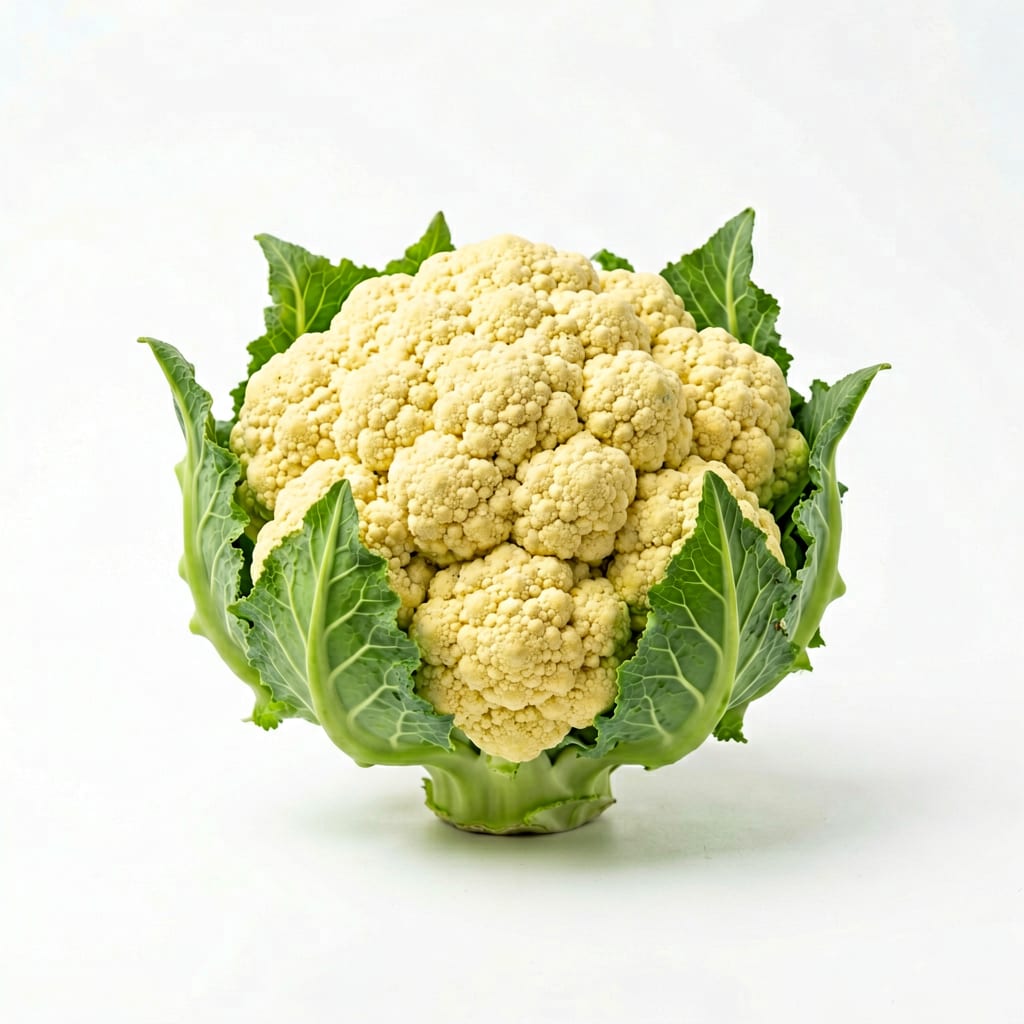
Cauliflower
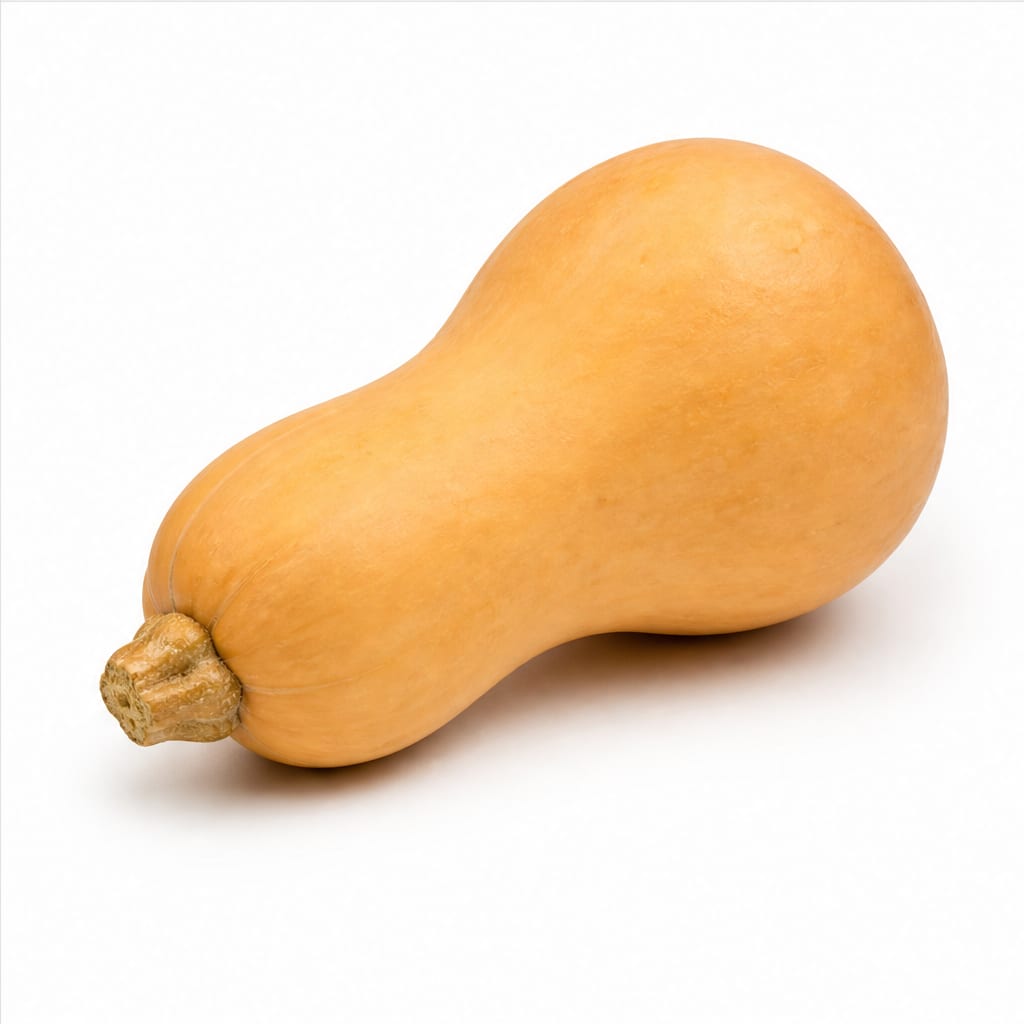
Butternut Squash
Cauliflower wins for low-carb and calorie control; butternut squash wins for vitamin A, sustained energy, and satisfying sweetness.
Butternut Squash edges ahead slightly due to superior micronutrient density, especially vitamin A, but Cauliflower's extreme versatility and near-zero carb profile keep it competitive. The close scores reflect that neither is universally better—each excels in different dietary contexts.
You trade nearly zero carbs and minimal calories in cauliflower for butternut squash's rich beta-carotene, natural sweetness, and more filling carbohydrate energy.
At a glance
Executive summary
Overall
It depends
Healthier
It depends
More practical
Cauliflower
Daily use
Cauliflower
Key comparison lenses
low-carb vs nutrient-dense carb choice
Cauliflower is a go-to low-carb staple while butternut squash offers meaningful carbs with exceptional vitamin A, making this a classic keto-vs-whole-food-carb decision
weight management strategy
Calorie density differs significantly, with cauliflower being nearly half the calories per serving, directly impacting satiety and portion control
blood sugar management
Cauliflower has minimal impact on blood sugar while butternut squash provides slow-digesting carbs that still raise glucose more noticeably
vitamin A and antioxidant needs
Butternut squash is one of the richest vegetable sources of beta-carotene, filling a nutritional gap cauliflower cannot match
meal versatility and substitution
Cauliflower's ability to mimic rice, pizza crust, and mashed potatoes makes it uniquely practical for restrictive diets
Best choice for
Cauliflower
- Low-carb and keto dieters
- People managing blood sugar closely
- Anyone counting calories aggressively
- Meal preppers wanting a versatile base
- Those avoiding starchy sides at dinner
Butternut Squash
- People needing more vitamin A in their diet
- Active individuals needing sustained carb energy
- Anyone wanting naturally sweet vegetables
- Families introducing kids to vegetables
- People who find low-carb diets unsustainable
Least suitable for
Cauliflower
- Very active people needing carb fuel
- Anyone finding low-carb diets fatiguing
- Those with thyroid concerns from excess cruciferous intake raw
- People wanting calorie-dense meals for weight gain
Butternut Squash
- Strict keto followers
- People monitoring carb intake tightly
- Those who dislike sweet vegetables
- Anyone needing an ultra-low-calorie side dish
Deep comparison
Dimension by dimension
Each lens scores both foods and breaks down who each option suits.
- Dimension 1 · Priority 92Cauliflower
Calorie Efficiency
Cauliflower · 94Butternut Squash · 68Cauliflower delivers bulk and satisfaction at roughly half the calories of butternut squash per serving.
Tradeoff
Butternut squash's extra calories come with meaningful nutrition and energy that active people actually need.
Why it matters
If you are cutting calories, cauliflower lets you eat a large volume without budget stress. Butternut squash still fits reasonably but requires more awareness.
Real-world impact
A heaping plate of roasted cauliflower feels indulgent for under 50 calories. The same plate of butternut squash runs closer to 100-120 calories—still reasonable, but less forgiving.
Cauliflower
- Calorie-restricted diets
- Volume eating strategies
- Late-night snacking without guilt
Better for
- Anyone struggling to eat enough
- Endurance athletes needing carb replenishment
Worse for
Butternut Squash
- Active people needing fuel
- Healthy weight gain efforts
- More satisfying meals with fewer dishes
Better for
- Aggressive calorie-cutting phases
- People who easily overeat calorie-dense foods
Worse for
- Dimension 2 · Priority 88Cauliflower
Blood Sugar Impact
Cauliflower · 96Butternut Squash · 65Cauliflower barely moves the needle on blood sugar. Butternut squash raises it moderately due to its natural carb content.
Tradeoff
Butternut squash's carbs are slow-digesting and paired with fiber, so the spike is gentle—but it is still a real spike, unlike cauliflower.
Why it matters
For diabetes management or metabolic health, cauliflower is the safer bet. Butternut squash is acceptable in moderation but requires portion awareness.
Real-world impact
Eating cauliflower with a meal keeps energy steady. A large serving of butternut squash might cause a noticeable energy rise and dip an hour later.
Cauliflower
- Type 2 diabetes management
- Insulin resistance protocols
- Steady afternoon energy without crashes
Better for
- Situations where you need quick energy from food
Worse for
Butternut Squash
- Post-workout carb replenishment
- Pre-exercise energy fueling
Better for
- Close blood sugar monitoring requirements
- Ketogenic diet adherence
Worse for
- Dimension 3 · Priority 85Butternut Squash
Micronutrient Density
Cauliflower · 70Butternut Squash · 91Butternut squash is a vitamin A powerhouse with far more potassium, while cauliflower offers strong vitamin C and unique sulfur compounds.
Tradeoff
Cauliflower's sulforaphane supports detox pathways and cancer prevention, but butternut squash's beta-carotene is critical for vision, skin, and immune function.
Why it matters
Most people do not get enough vitamin A, and butternut squash fills that gap dramatically. Cauliflower's strengths are real but less likely to address common deficiencies.
Real-world impact
One cup of butternut squash delivers over 300% of your daily vitamin A needs. Cauliflower cannot match that, though its cancer-fighting compounds are valuable long-term.
Cauliflower
- Long-term cancer risk reduction
- Detoxification support
- Vitamin C and K needs
Better for
- Correcting vitamin A deficiency
- Supporting night vision
Worse for
Butternut Squash
- Vision and eye health
- Immune system support
- Skin health and repair
- Potassium replenishment
Better for
- Accessing sulforaphane benefits
- Maximizing vitamin K intake
Worse for
- Dimension 4 · Priority 80Butternut Squash
Satiety and Satisfaction
Cauliflower · 68Butternut Squash · 82Butternut squash feels more satisfying as a standalone side due to its natural sweetness, denser calories, and comforting texture.
Tradeoff
Cauliflower can be made satisfying with preparation tricks, but on its own it feels lighter and less emotionally filling.
Why it matters
Meals that feel satisfying reduce snacking later. Butternut squash's sweetness and density make it a more complete-feeling side dish.
Real-world impact
A bowl of roasted butternut squash feels like a real part of dinner. Cauliflower often feels like it needs something else—sauce, cheese, or protein—to feel complete.
Cauliflower
- Light meals where you want to stay hungry for the next course
- Situations requiring low-calorie bulk
Better for
- Emotional eaters needing satisfaction from meals
- People prone to snacking after dinner
Worse for
Butternut Squash
- Comforting fall and winter meals
- Reducing dessert cravings with natural sweetness
- Single-dish satisfying sides
Better for
- Hot weather meals where lighter food feels better
Worse for
- Dimension 5 · Priority 83Cauliflower
Versatility and Substitution Power
Cauliflower · 95Butternut Squash · 60Cauliflower is the king of vegetable substitutions—rice, mash, pizza crust, wings—while butternut squash is mostly a side or soup ingredient.
Tradeoff
Cauliflower's versatility comes from its mild flavor and ability to absorb seasonings. Butternut squash's strong sweet flavor limits it to specific dishes.
Why it matters
If you are replacing carbs on a restricted diet, cauliflower makes the transition dramatically easier. Butternut squash cannot fill that role.
Real-world impact
Cauliflower rice replaces actual rice in stir-fries. Cauliflower mash replaces potatoes. Butternut squash is always unmistakably butternut squash—delicious, but not a chameleon.
Cauliflower
- Low-carb diet transitions
- Meal prep with multiple recipe styles
- Picky eaters who need hidden vegetables
Better for
- Recipes where a neutral flavor is unwanted
Worse for
Butternut Squash
- Autumn and holiday recipe traditions
- Soups and purees where sweetness shines
Better for
- Any situation requiring a carb substitute
- Cuisines that do not pair with sweet vegetables
Worse for
- Dimension 6 · Priority 72Butternut Squash
Digestive Tolerance
Cauliflower · 55Butternut Squash · 80Cauliflower is a common gas and bloating trigger, especially raw or in large amounts. Butternut squash is gentler on most digestive systems.
Tradeoff
Cooking cauliflower thoroughly reduces digestive issues significantly, but butternut squash is comfortable even in larger portions for most people.
Why it matters
If you have IBS or sensitive digestion, cauliflower can cause uncomfortable bloating. Butternut squash is usually well-tolerated and soothing.
Real-world impact
A big cauliflower rice bowl can leave you bloated for hours. The same volume of butternut squash soup feels warm and easy on the stomach.
Cauliflower
- People without digestive sensitivity who tolerate cruciferous vegetables well
Better for
- FODMAP intolerance
- Social situations where bloating is problematic
- Sensitive stomachs after illness
Worse for
Butternut Squash
- IBS or FODMAP-sensitive individuals
- Post-illness gentle eating
- Anyone prone to gas and bloating
Better for
- Rare cases of squash allergy
Worse for
Timeline
Health impact over time
Short-term
Hours to days
Cauliflower
- Very low blood sugar impact after meals
- Possible gas and bloating within hours of eating
- Light feeling after eating, may not feel full
Butternut Squash
- Moderate blood sugar rise that stabilizes within 1-2 hours
- Comforting and satisfying feeling after eating
- Gentle on digestion with minimal bloating risk
Long-term
Months to years
Cauliflower
- Sulforaphane intake may reduce cancer risk over years
- Consistent low-calorie intake supports weight maintenance
- Possible thyroid impact if consumed raw in extreme excess daily
Butternut Squash
- High beta-carotene intake supports long-term eye and skin health
- Potassium contributes to sustained blood pressure management
- Moderate carb intake supports sustainable energy without extreme restriction fatigue
Risk profile
Safety & processing
Both vegetables are whole foods in their natural state. Cauliflower rice and pre-cut florets are still minimally processed. Pre-cut butternut squash may have slight quality loss but no additives. Neither raises ultra-processing concerns unless purchased as frozen meals with sauces.
Cauliflower
Pesticide residue
mediumCauliflower appears on EWG's Dirty Dozen list some years. Washing thoroughly or choosing organic reduces exposure significantly.
Thyroid disruption from raw consumption
lowRaw cruciferous vegetables contain goitrogens that can interfere with thyroid function, but only at extreme intake levels. Cooking neutralizes most of this concern.
Butternut Squash
Pesticide residue
lowButternut squash has a thick protective skin that shields the flesh from most pesticide exposure. Peeling removes nearly all residue.
Squash allergy
lowRare but possible allergic reactions to squash proteins. More common in people with ragweed pollen allergies due to cross-reactivity.
Who wins for whom
Audience fit
Same foods, different winners depending on your goal.
children
Butternut SquashNatural sweetness and smooth texture when roasted or pureed make butternut squash far more appealing to kids than cauliflower's stronger flavor.
daily consumption
CauliflowerCauliflower's low calorie and carb profile makes it easier to eat daily without nutritional tradeoffs, while butternut squash's carbs add up with daily consumption.
diabetes
CauliflowerNear-zero carb content means virtually no blood sugar impact, making cauliflower the safer choice for glucose management.
elderly
Butternut SquashSofter texture when cooked, gentle digestion, and high vitamin A for immune and vision support make butternut squash more suitable for aging bodies.
muscle gain
Butternut SquashButternut squash provides carbohydrate energy that supports training performance and recovery, while cauliflower offers too little fuel for intense workouts.
weight loss
CauliflowerHalf the calories per serving with more volume flexibility makes cauliflower easier to fit into a calorie deficit without feeling deprived.
Your move
Decision guide
Choose Cauliflower
- You are on a low-carb or ketogenic diet
- You need to keep blood sugar as flat as possible
- You want maximum food volume for minimal calories
- You need a versatile ingredient that replaces higher-carb staples
- You are meal-prepping and want one vegetable that works in many dishes
Choose Butternut Squash
- You need more vitamin A in your diet
- You are active and need real carbohydrate fuel
- You want a naturally sweet vegetable that satisfies comfort food cravings
- You are cooking for kids who reject bitter or strong-flavored vegetables
- You want a soothing, easy-to-digest side dish
Either works if
- You simply want more vegetable variety in your diet
- You are rotating seasonal produce and both are available
- You are building a balanced plate and need a vegetable component
Avoid both if
- You have a specific allergy to either vegetable
- You are on an extremely restricted elimination diet without medical guidance
Final recommendation
Eat both, but let your goals decide the ratio. If you are managing weight or blood sugar, lean heavily toward cauliflower with butternut squash as an occasional treat. If you are active, not carb-restricted, or need more vitamin A, butternut squash deserves regular rotation. The ideal approach is seasonal: cauliflower dominates in spring and summer meals, butternut squash shines in fall and winter cooking.
Practical
Consumer tips
- 1
Roast both vegetables together—the sweetness of butternut squash balances cauliflower's earthiness beautifully
- 2
If cauliflower causes bloating, steam it thoroughly before roasting to break down gas-causing compounds
- 3
Buy whole butternut squash instead of pre-cut to save money and avoid quality loss; it stores for weeks on the counter
- 4
Cauliflower rice from the store is convenient but goes bad fast—use it within two days of opening
- 5
Butternut squash skin is edible when roasted well, which adds fiber and saves prep time
- 6
If you are new to cauliflower, start with roasted florets with olive oil and parmesan before trying cauliflower rice or crusts
- 7
Freeze cubed butternut squash for smoothies—it adds creaminess and natural sweetness without added sugar