
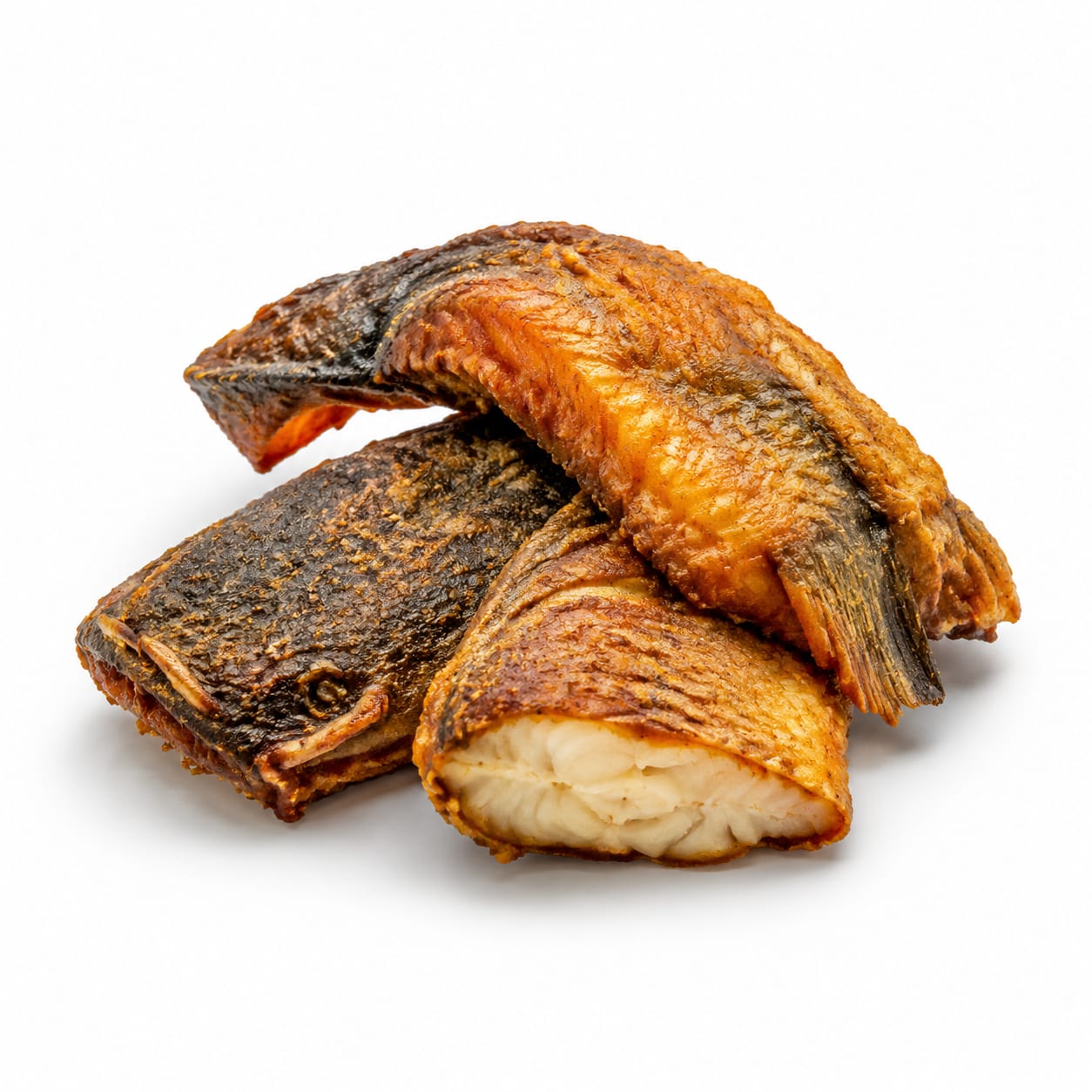
Seafood
Catfish
Catfish is a mild-flavored, predominantly farm-raised freshwater fish high in protein and low in calories.
Catfish is a widely consumed freshwater fish known for its mild, sweet flavor and firm texture. It is predominantly farm-raised and popular in Southern U.S. cuisine and global aquaculture.
lean protein-dense seafood
Typical serving · 113g
Common varieties · channel catfish, blue catfish, flathead catfish, farm-raised catfish, wild-caught catfish
Overall context score across nutrition, safety, and diet fit
At a glance
Quick facts
Simple indicators based on nutrition, processing, and diet fit.
The story
What makes it unique
Catfish is a fast-digesting, high-protein, low-carbohydrate food. Its macronutrient profile supports muscle protein synthesis and satiety. While it contains omega-3 fatty acids, levels are lower than in fatty fish like salmon. Farmed varieties have consistent nutrient profiles but may possess a less favorable omega-3 to omega-6 ratio compared to wild-caught due to grain-based feed.
Varieties: channel catfish · blue catfish · flathead catfish · farm-raised catfish · wild-caught catfish
Per 100g
Nutrition breakdown
Macro balance and key metrics at a glance.
Energy
Density 1.05 kcal/g
Protein
Carbs
Fat
Fiber
Sugar
0 g
Sodium
51 mg
Potassium
358 mg
Glycemic index
0
Glycemic load
0
Water content
76.5%
Standout compounds
Nutrient highlights
Protein
highSupports muscle growth and tissue repair
Vitamin B12
highEssential for nerve function and red blood cell formation
Vitamin D
moderateSupports bone health and immune function
Omega-3 Fatty Acids
lowSupports cardiovascular health
Selenium
moderateActs as an antioxidant and supports thyroid function
Wellness map
Health scores & processing
NOVA processing scale
minimally processed · Whole food
Fresh or frozen catfish fillets are unprocessed whole foods. Breaded or pre-fried catfish products fall into Nova Group 3 or 4 due to added fillers, sodium, and industrial coatings.
Diet compatibility
- Weight loss
- Muscle gain
- Diabetes
- Gut health
- Low carb
- High protein
- Heart health
Relative standing
Food rankings
Qualitative ranks compared to similar whole foods.
- Satietygood
- Blood sugarexcellent
- Nutrient densitygood
- Fitness fuelgood
- Processing qualityexcellent
Eat with confidence
Food safety profile
US farm-raised catfish is considered a safe, low-mercury seafood choice. Imported varieties may carry higher risks of antibiotic residues and contamination. Proper cooking eliminates microbial risks.
Evidence confidence 88%
- Pesticideslow
- Antibioticsmoderate
- Heavy metalslow
- Contaminationmoderate
Watch for
- mercury
- PCBs
- microplastics
- bacteria
Safer choices
US farm-raised catfish
Prep tips
Rinse fillets under cold water and pat dry before cooking. Cook to an internal temperature of 145°F (63°C) to ensure safety.
Imported catfish may face less stringent antibiotic and chemical regulations compared to US farm-raised catfish, which are tightly regulated by the USDA.
Deep dive
Health analysis
How this food may fit different goals and preparation choices.
Weight loss
High protein and low calorie content promote satiety and help maintain muscle mass during calorie restriction.
Blood sugar
Zero carbohydrates mean catfish has no direct impact on blood sugar levels, making it highly suitable for glycemic control.
Fitness & energy
Provides a solid source of complete protein for muscle repair and growth, though it lacks carbohydrates for immediate glycogen replenishment.
Gut health
Easily digestible due to its protein structure and lack of fiber, but it does not contribute prebiotics or dietary fiber to the gut microbiome.
Processing quality
Fresh catfish is a whole food. Breaded or fried preparations significantly degrade its nutritional profile by adding refined carbs and unhealthy fats.
Food safety
Choosing US farm-raised catfish minimizes exposure to heavy metals and unregulated antibiotics often found in some imported fish.
Common mistakes
Frying catfish in heavy batters or oils transforms a lean protein into a high-calorie, high-fat meal, negating its weight loss benefits.
Best preparation
Baking, grilling, broiling, or blackening with spices to maintain low calorie and fat content while enhancing flavor.
Practical guide
Best use cases
When and how this food fits real eating patterns.
post-workout dinner
Provides high-quality protein to support muscle repair and growth after exercise.
low-carb diet staple
Zero carbs make it an easy fit for ketogenic and other low-carbohydrate eating plans.
weight loss meal prep
Low calorie and high satiety help manage hunger while maintaining a caloric deficit.
Balance sheet
Pros & cons
Upsides
- High in complete protein for muscle maintenance
- Very low in calories and carbohydrates
- Low mercury levels compared to larger fish
- Good source of vitamin B12 and vitamin D
- Mild flavor adapts well to various seasonings
Trade-offs
- Lower in heart-healthy omega-3s than fatty fish
- Farmed varieties may have less favorable omega-3 to omega-6 ratios
- Commonly fried, which drastically reduces its health profile
- Imported varieties may carry higher contamination risks
Fit check
Who is it for?
Great match
- weight loss diets
- low-carb and keto diets
- post-workout recovery meals
- people seeking low-mercury seafood
Consider alternatives
- those seeking high omega-3 intake
- strict whole-food plant-based diets
- people avoiding farm-raised seafood
Side by side
How it compares
Open the full head-to-head analysis for nutrition, safety, and practical tradeoffs.
This food
Catfish
VS90% alike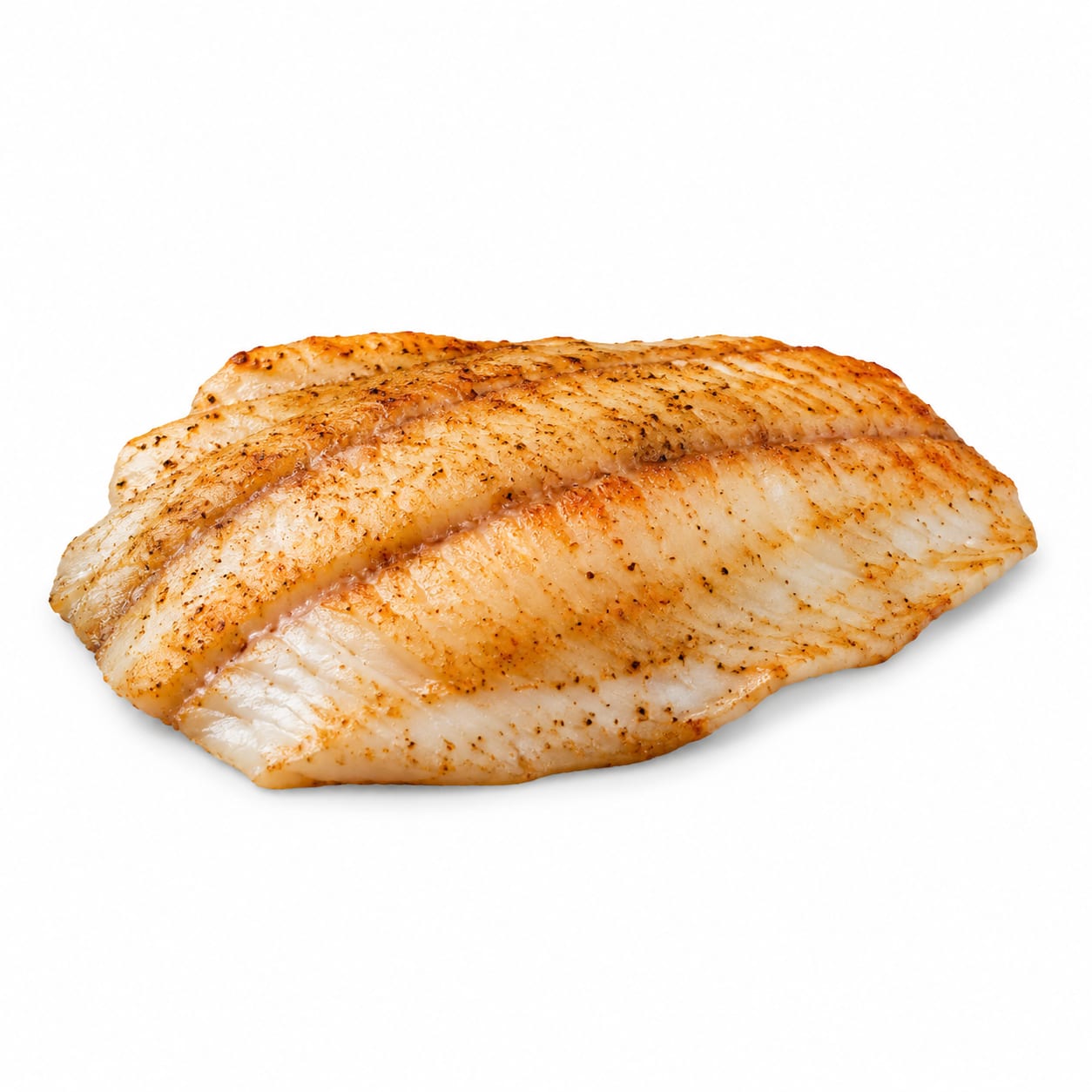
Compare with
Tilapia
Catfish and tilapia are similar mild, lean white fish, but catfish offers slightly more healthy fats and vitamin D, while tilapia is marginally lower in calories.
Catfish provides slightly more vitamin D and healthy fats than tilapia, while tilapia is marginally lower in calories.
This food
Catfish
VS70% alike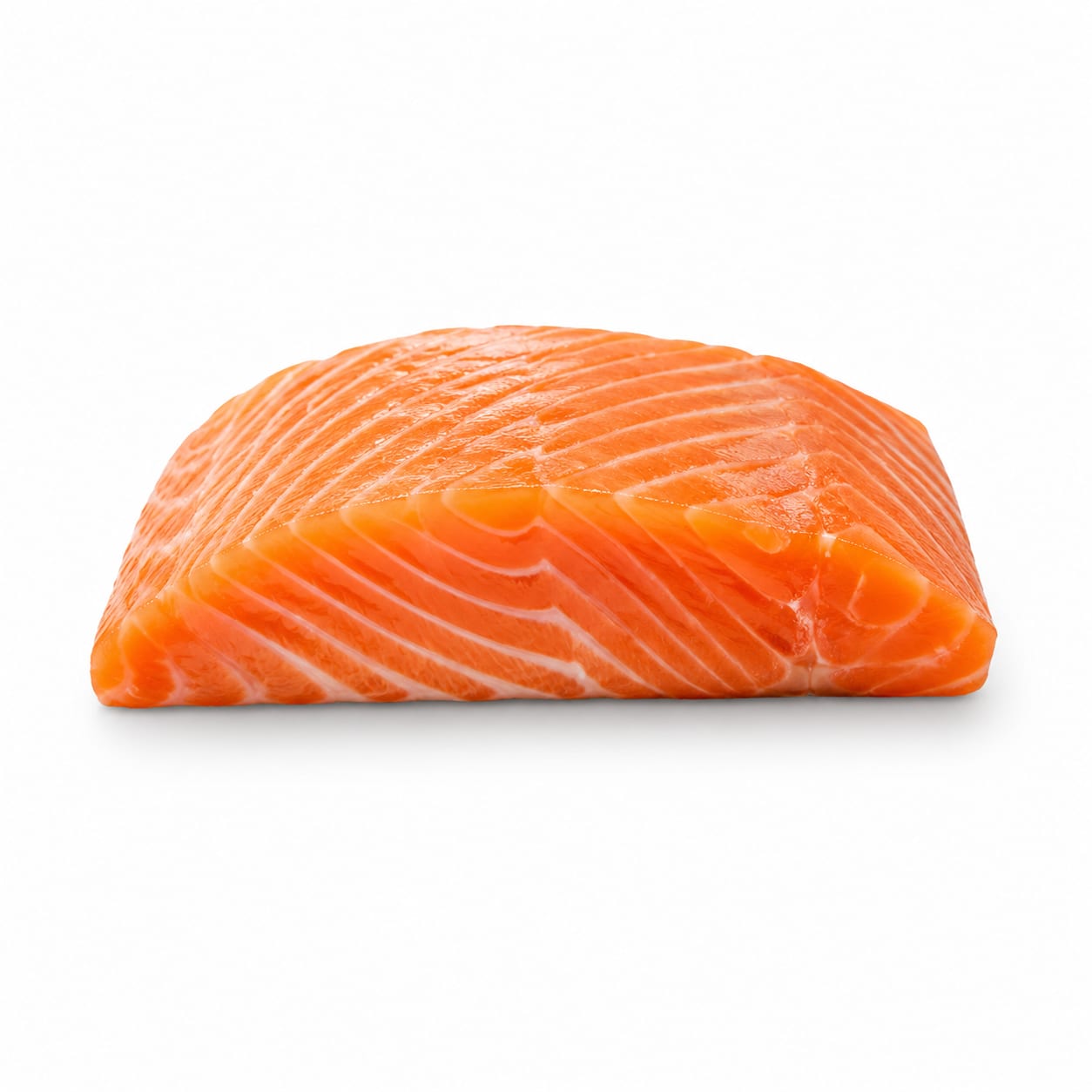
Compare with
Salmon
Salmon provides significantly more omega-3s and is better for heart health and fitness recovery, while catfish is lower in calories and fat for weight loss.
Salmon is rich in omega-3s for heart health, while catfish is a leaner, lower-calorie option for weight loss.
This food
Catfish
VS85% alike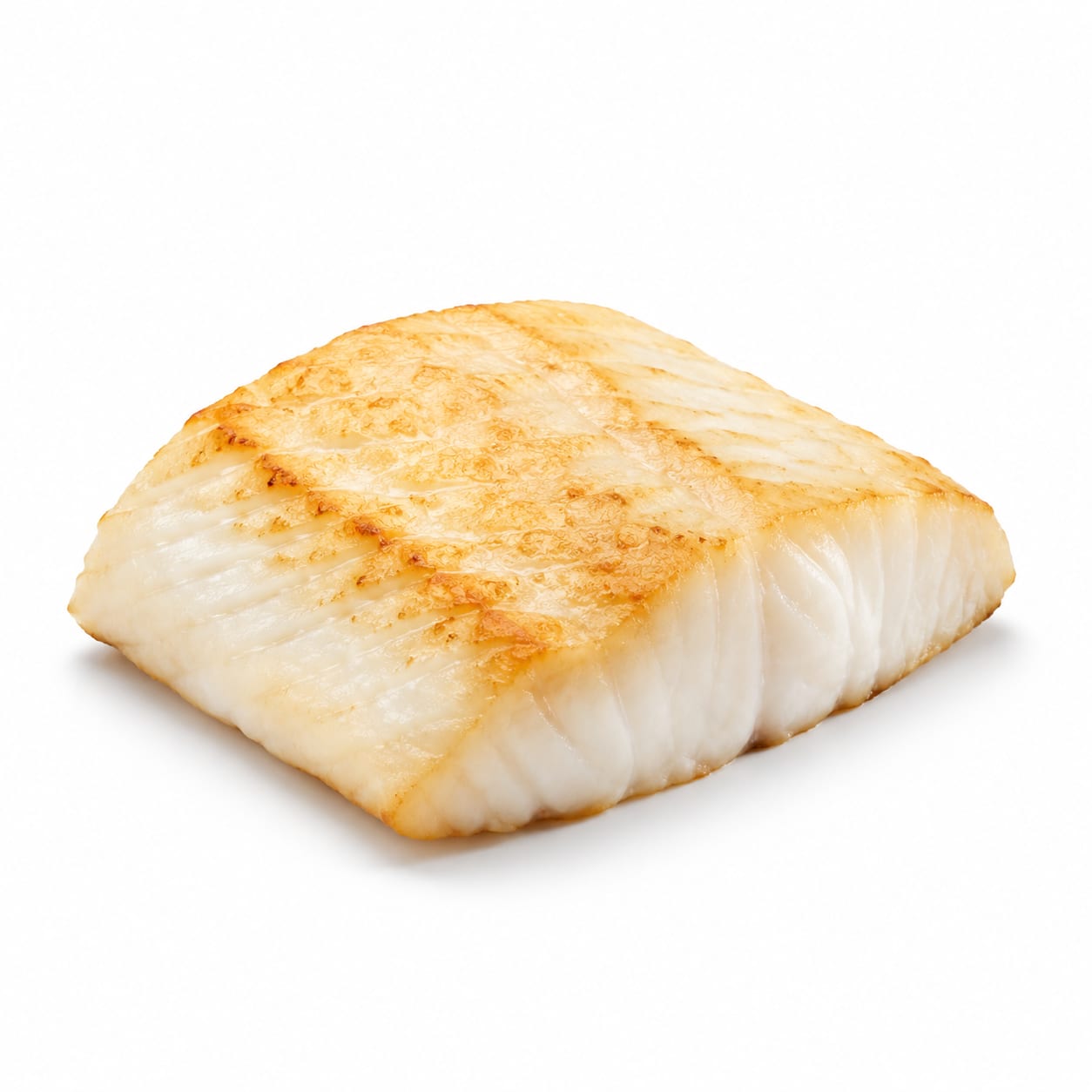
Compare with
Cod
Cod is lower in calories and fat than catfish, making it slightly better for strict weight loss, but catfish provides more satiety due to its slightly higher fat content.
Cod is lower in calories, but catfish offers more satiety per serving due to its slightly higher fat content.
This food
Catfish
VS75% alike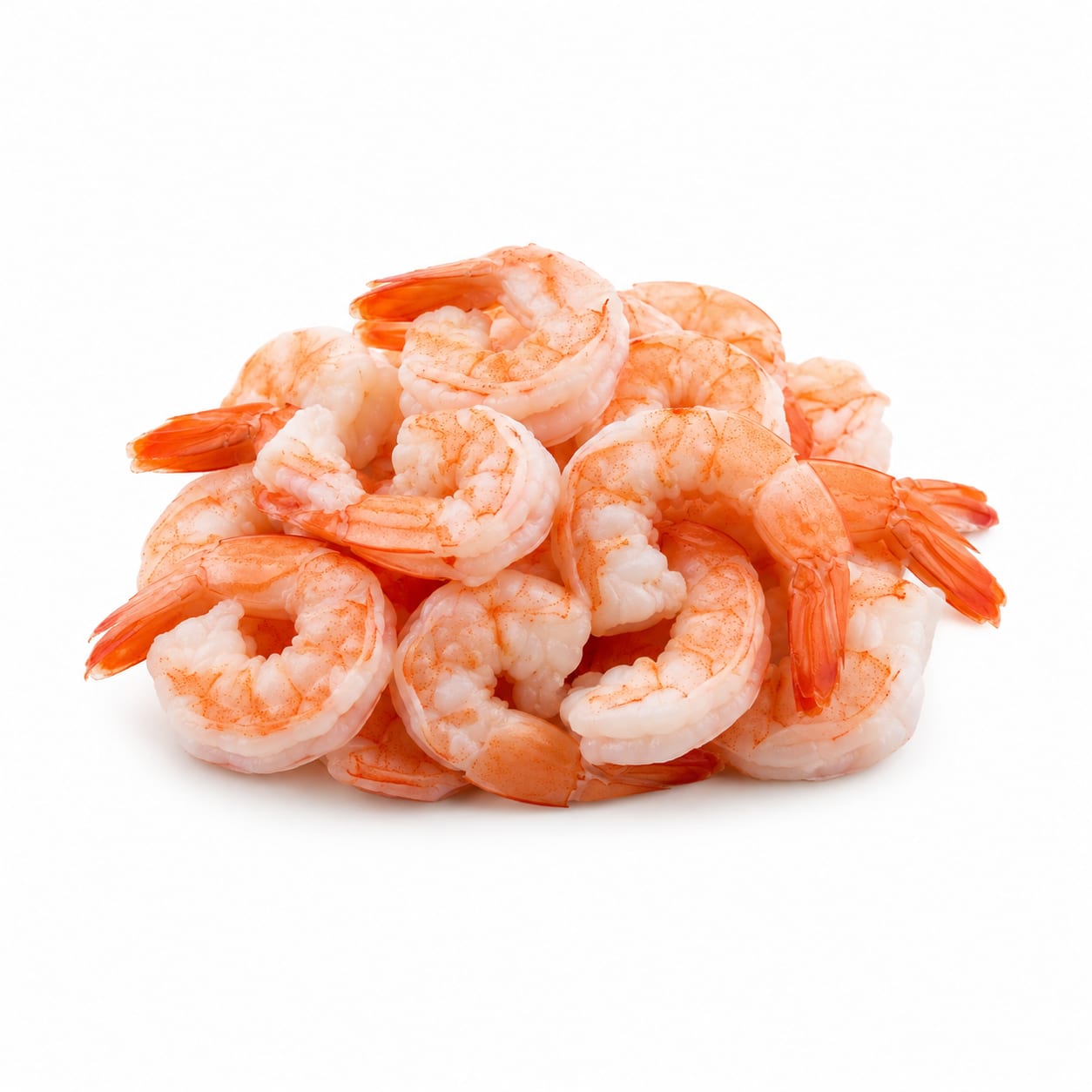
Compare with
Shrimp
Shrimp is lower in calories and fat than catfish, but catfish offers a more substantial, filling portion size for meals.
Shrimp is lower in calories, while catfish provides a heartier, more filling portion size for meals.
This food
Catfish
VS80% alike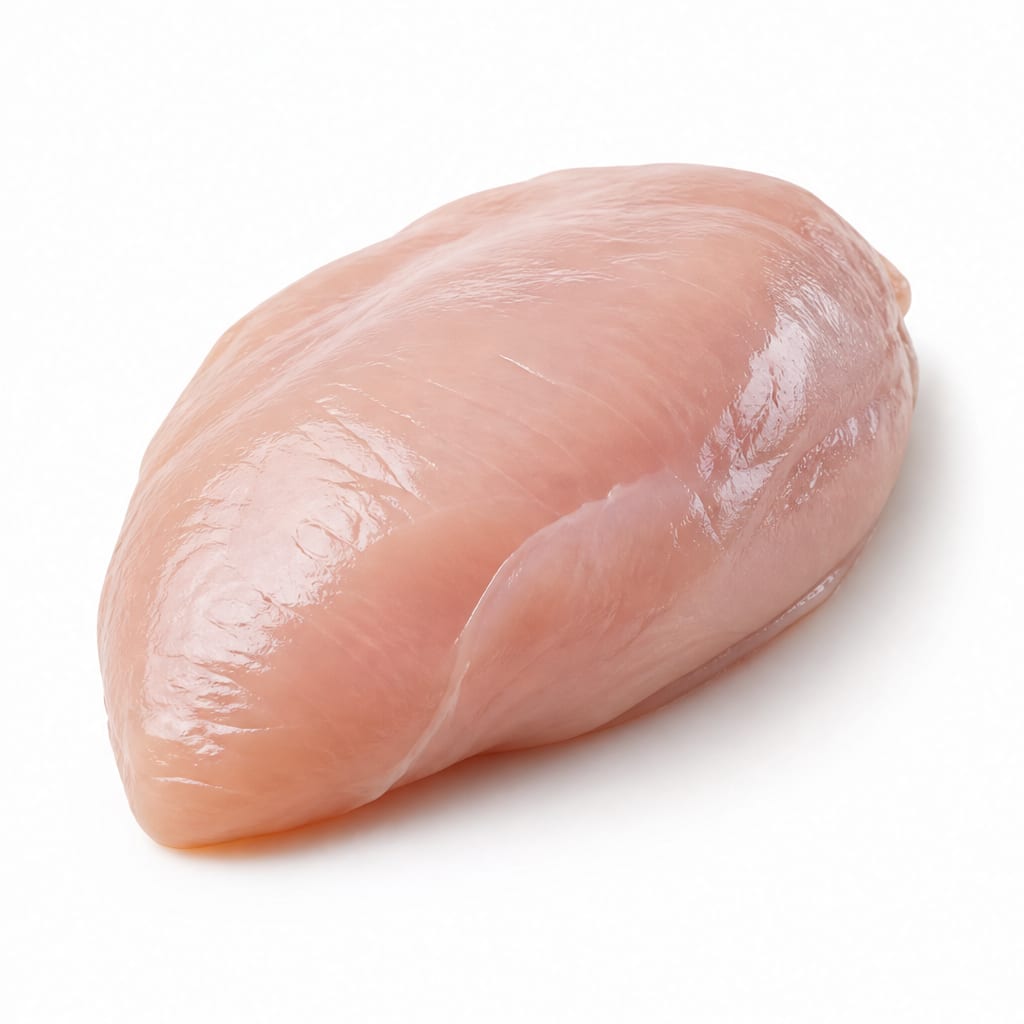
Compare with
Chicken Breast
Chicken breast is higher in protein and lower in fat than catfish, making it superior for muscle gain, while catfish offers beneficial marine nutrients like vitamin D.
Chicken breast is higher in protein for muscle gain, while catfish provides unique marine nutrients like vitamin D.
This food
Catfish
VS95% alike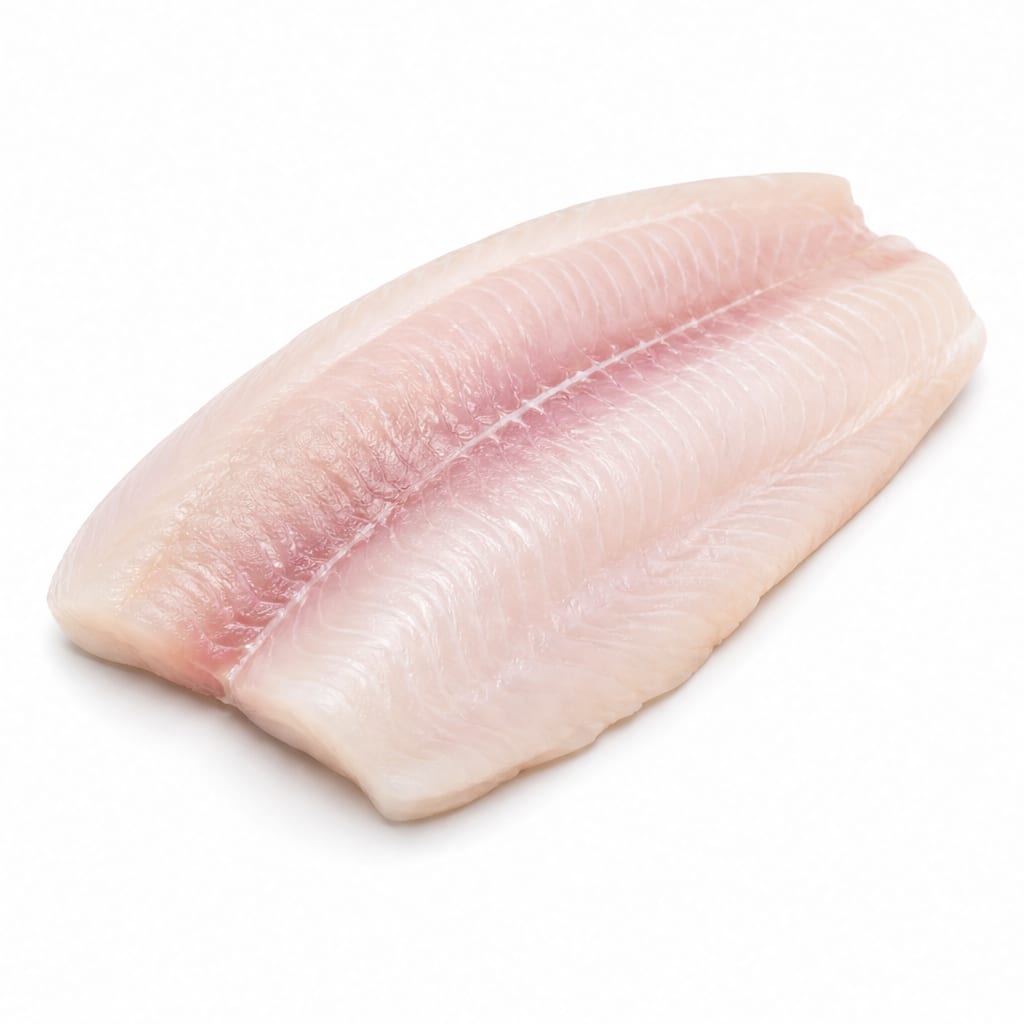
Compare with
Swai
US farm-raised catfish is a safer, more regulated choice than imported swai, offering better food safety and nutritional consistency.
US farm-raised catfish is a safer, more regulated choice than imported swai, offering better food safety and consistency.
This food
Catfish
VS75% alike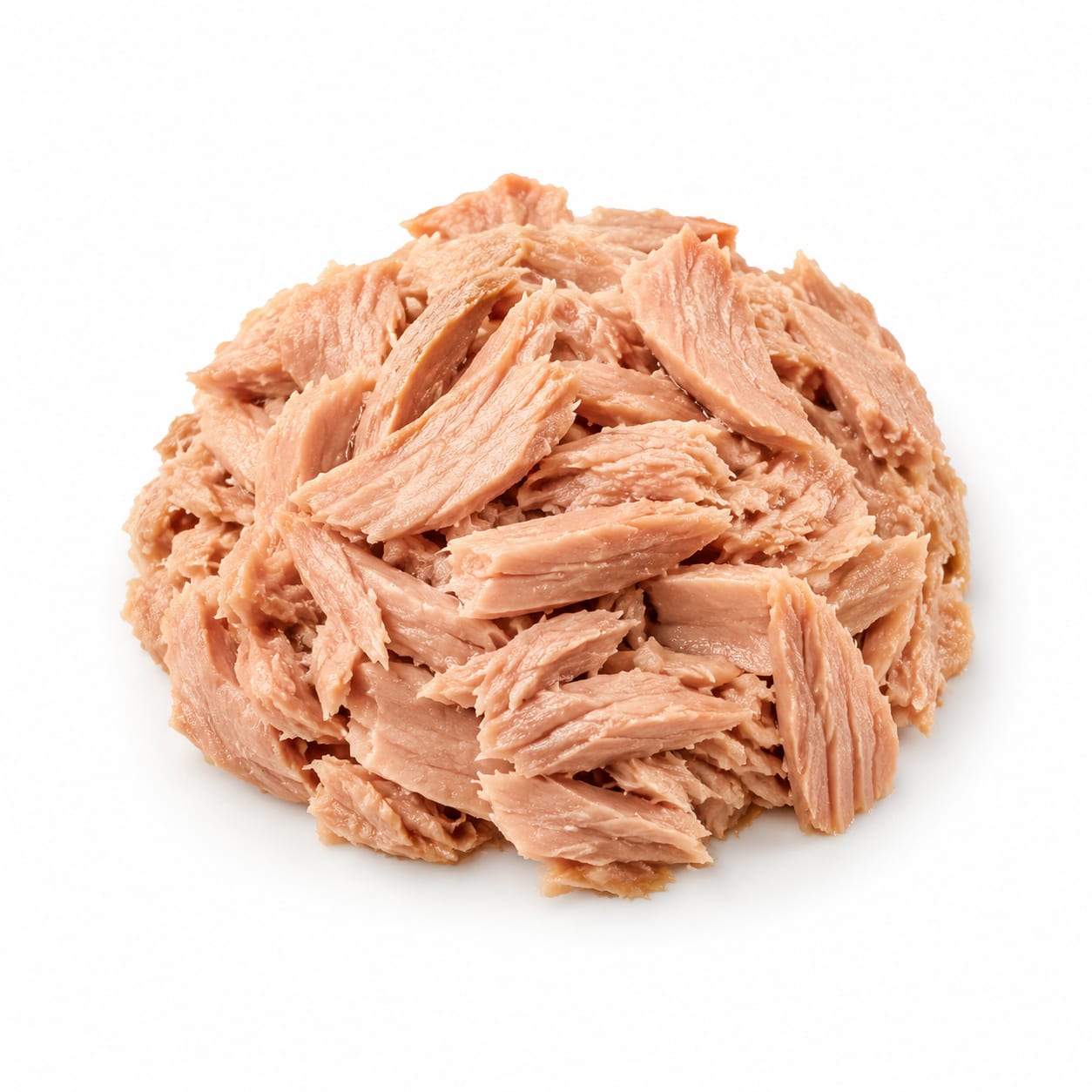
Compare with
Tuna
Tuna provides more protein and is lower in fat, but catfish is a safer low-mercury alternative for frequent consumption.
Tuna offers more protein, but catfish is a safer low-mercury option for frequent seafood consumption.
This food
Catfish
VS80% alike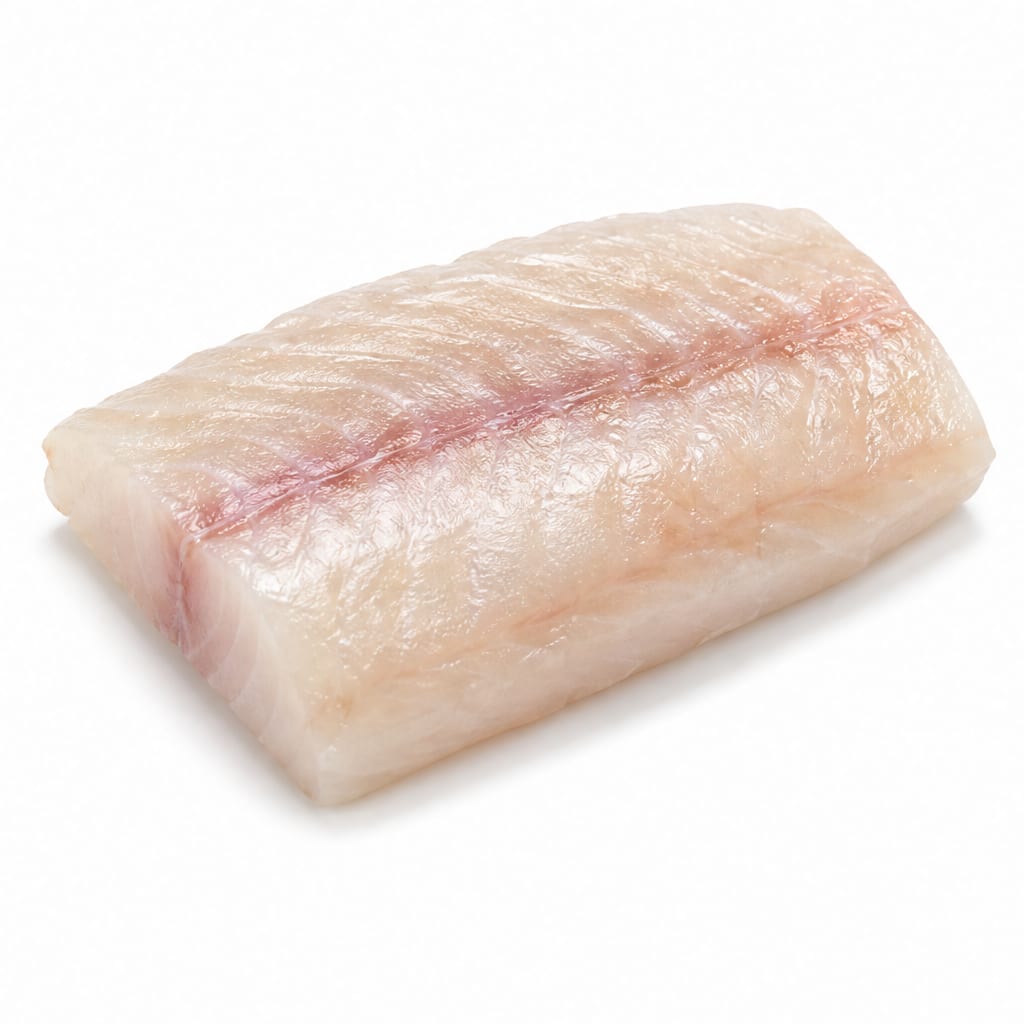
Compare with
Pollock
Pollock is lower in calories and fat, making it slightly better for weight loss, while catfish has a firmer texture and more vitamin D.
Pollock is lower in calories for dieting, while catfish provides a firmer texture and more vitamin D.
This food
Catfish
VS80% alike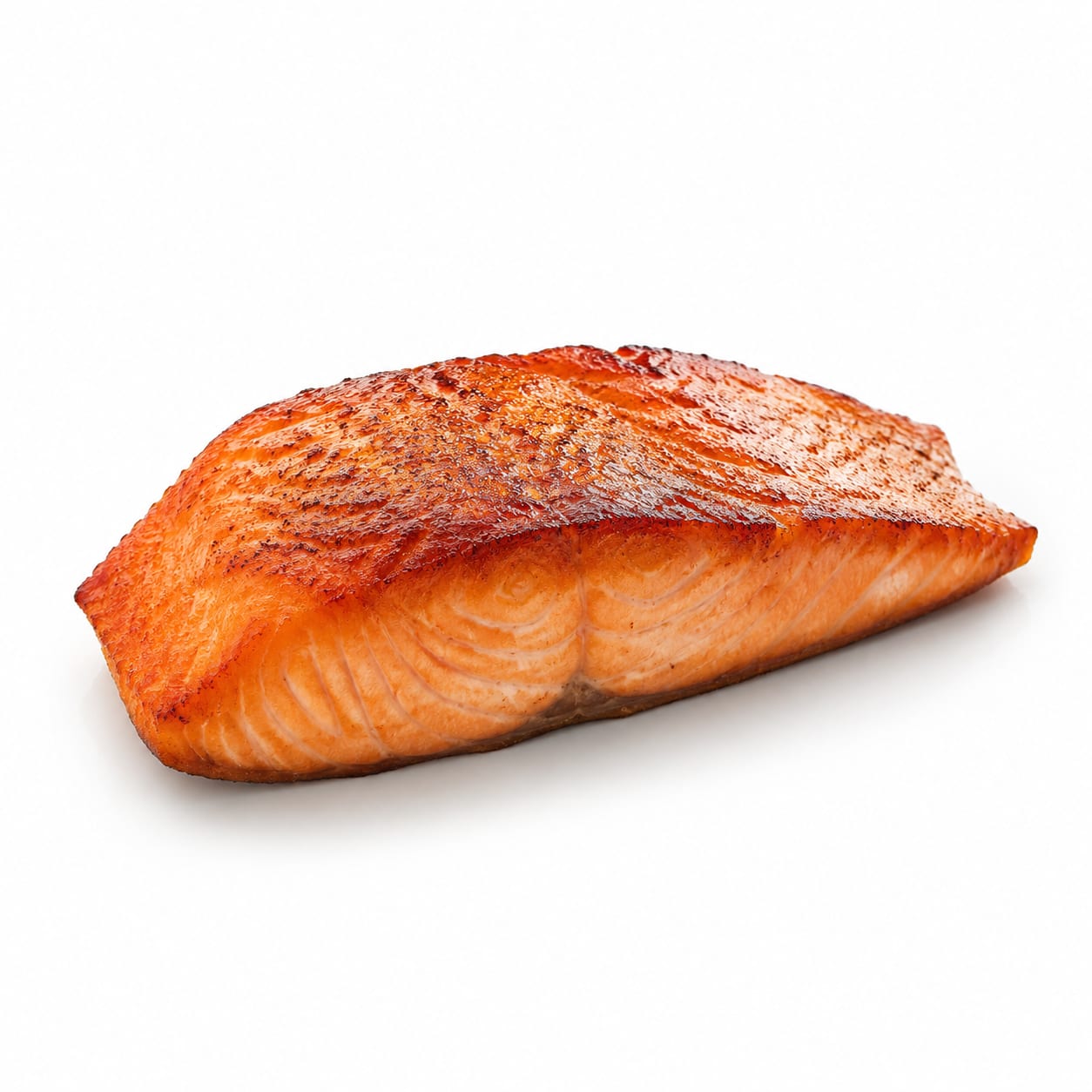
Compare with
Trout
Rainbow trout offers more omega-3 fatty acids for heart health, while catfish is a leaner, lower-calorie option for weight management.
Trout provides more omega-3s for heart health, while catfish is a leaner, lower-calorie option for weight loss.
This food
Catfish
VS82% alike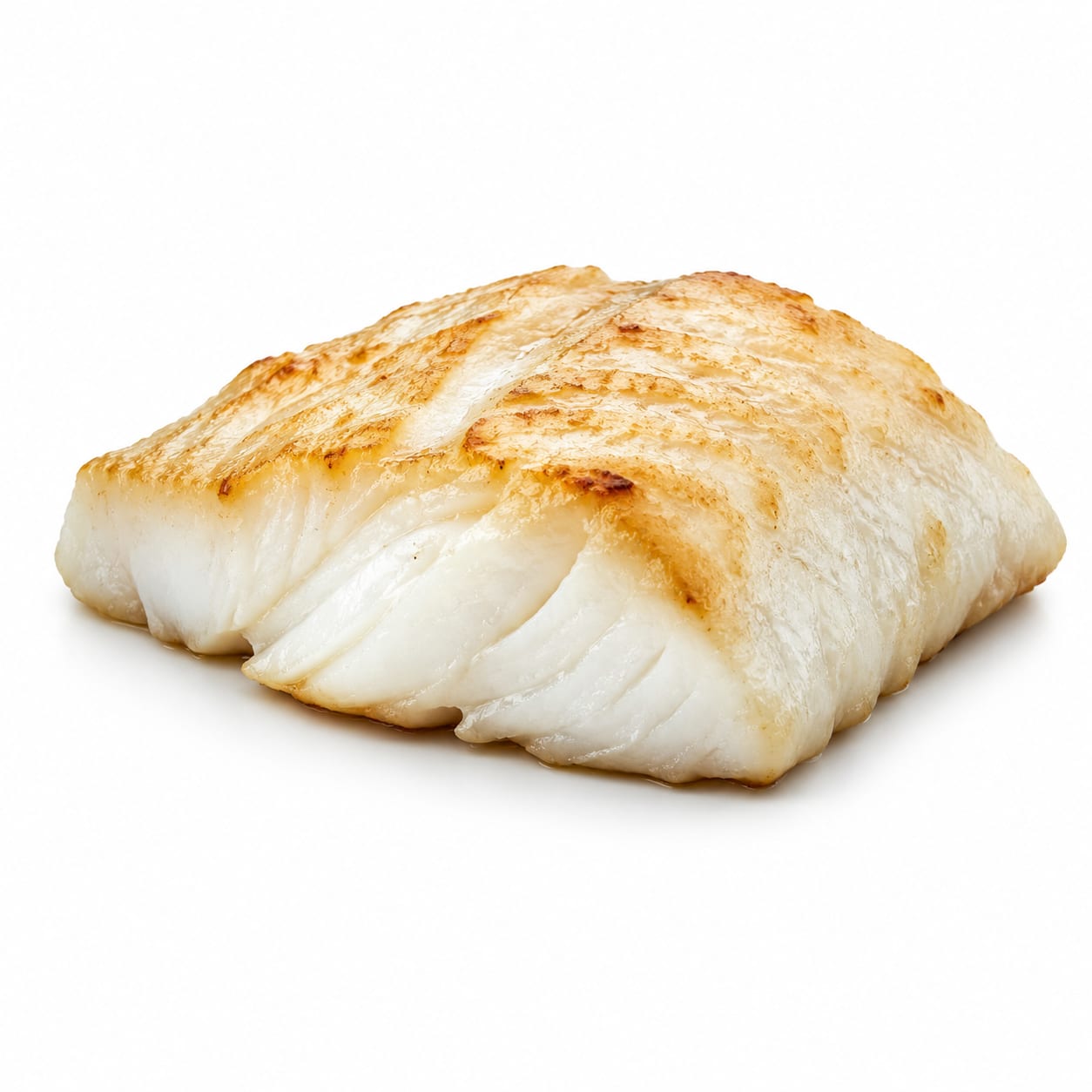
Compare with
Haddock
Haddock is lower in calories and fat than catfish, but catfish provides a richer flavor and more satisfying texture due to its slightly higher fat content.
Haddock is lower in calories, but catfish offers a richer flavor and more satisfying texture for meals.
Common questions
FAQ
Answers aligned with how people search for this food.
Is catfish good for weight loss?
Yes, catfish is excellent for weight loss. It is a low-calorie, high-protein food that increases satiety and helps preserve lean muscle mass when eaten baked or grilled instead of fried.
Does catfish have a lot of mercury?
No, catfish is considered a low-mercury seafood. As bottom feeders that are mostly farm-raised, they accumulate significantly less mercury than large predatory fish like tuna or swordfish.
Is farm-raised catfish safe to eat?
US farm-raised catfish is highly regulated and safe to eat, often testing lower in contaminants than wild-caught. However, imported catfish may have less stringent safety standards regarding antibiotics and chemicals.
Can diabetics eat catfish?
Yes, catfish contains zero carbohydrates and will not spike blood sugar. Its high protein content also helps stabilize post-meal glucose levels.
Is catfish a good source of protein?
Yes, a 3.5 ounce serving provides about 18 grams of high-quality complete protein, making it a strong choice for muscle maintenance and repair.
What is the healthiest way to cook catfish?
Baking, grilling, or broiling catfish are the healthiest methods. Frying adds significant calories, unhealthy fats, and carbohydrates from the breading.
Is catfish considered a fatty fish?
Catfish is relatively lean, though farmed catfish has a slightly higher fat content than wild-caught. It does not qualify as a high omega-3 fatty fish like salmon or mackerel.
What is the difference between catfish and swai?
Swai is a type of catfish imported from Southeast Asia. It is generally cheaper but raised with less regulatory oversight than US farm-raised catfish, potentially posing higher contamination risks.
Transparency
Data confidence
Estimated confidence for nutrition data, interpretation, safety notes, and comparisons.
Nutrition data
Health analysis
Food safety
Comparisons