
Nutrition comparison
Catfish vs Salmon: Nutrition, Omega-3, and Health Benefits Compared
Discover the key nutritional differences between Catfish and Salmon. Learn which fish is better for omega-3s, budget, and overall health.
Overall winner · Salmon
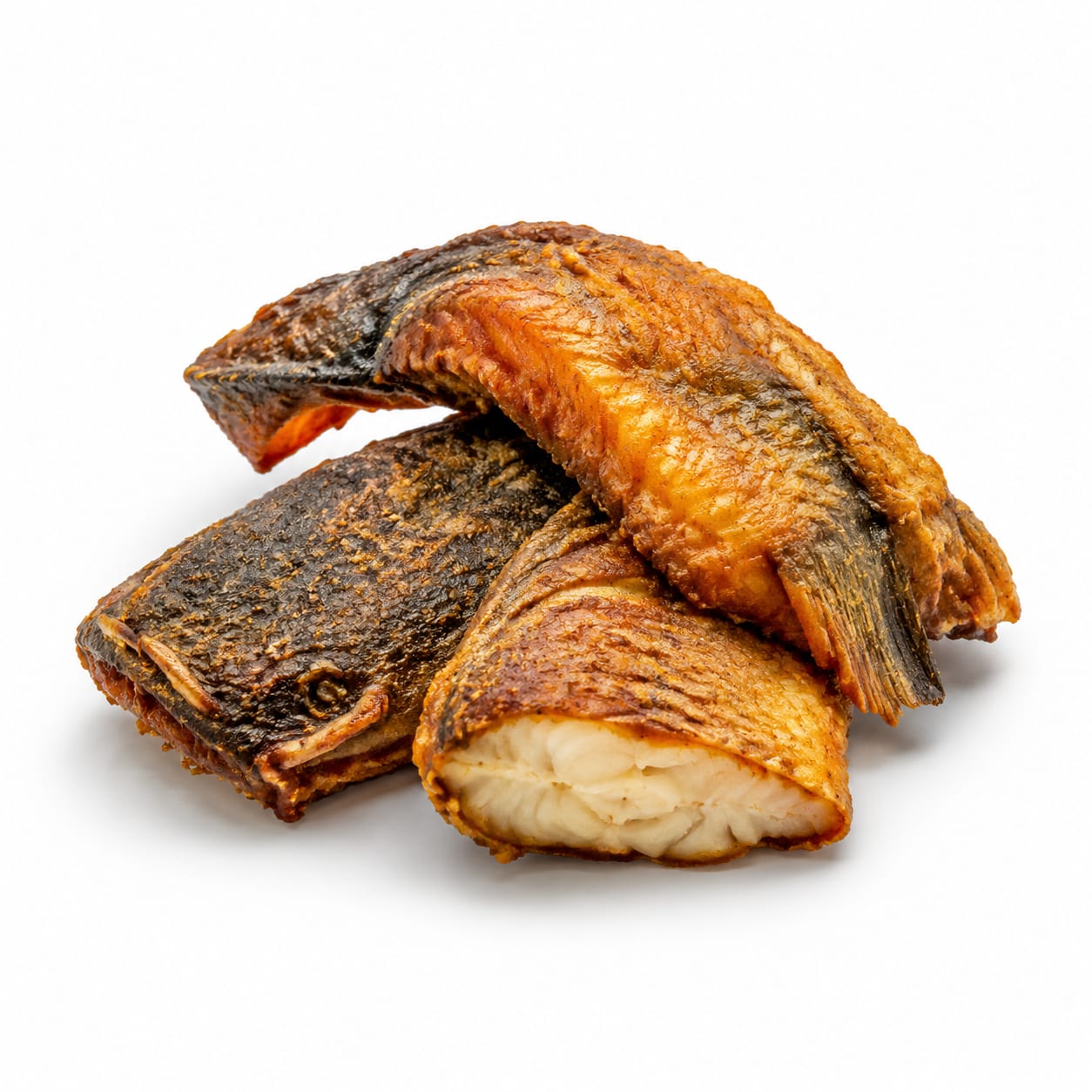
Catfish
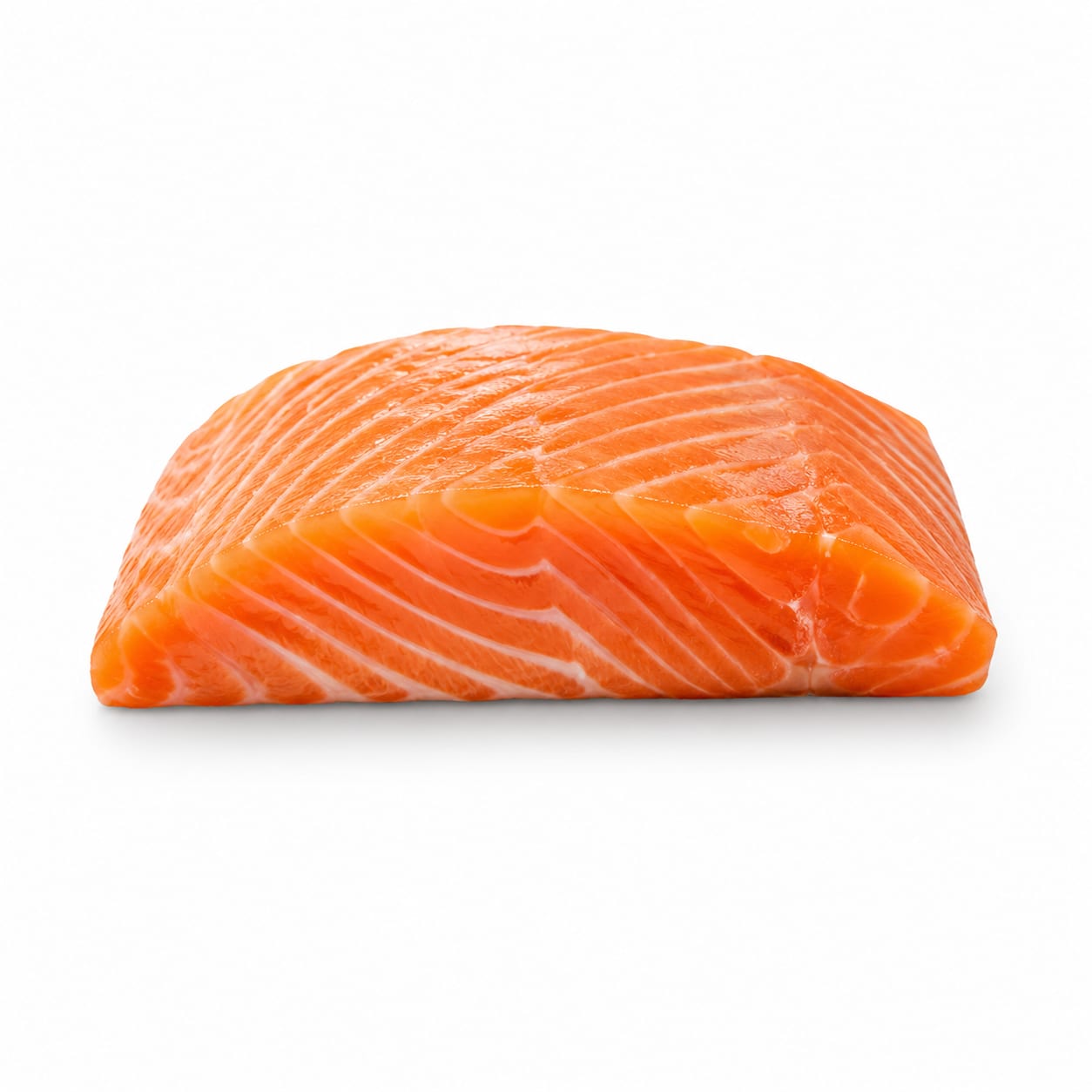
Salmon
Salmon dominates for omega-3s and brain health, but Catfish offers a budget-friendly, lean protein alternative.
Salmon scores significantly higher due to its exceptional omega-3 content and micronutrient density, while Catfish remains a solid, affordable choice but lacks the same healthy fat profile.
You trade the powerful anti-inflammatory fats of Salmon for the wallet-friendly, mild-flavored lean protein of Catfish.
At a glance
Executive summary
Overall
Salmon
Healthier
Salmon
More practical
Catfish
Daily use
Salmon
Key comparison lenses
Omega-3 and heart health comparison
Salmon is renowned for its omega-3 content, while Catfish is much lower, making this the most critical nutritional difference.
Budget and accessibility
Catfish is significantly cheaper and more accessible in many regions, making it a practical staple versus the premium price of Salmon.
Contaminant and farming safety
Both fish are commonly farm-raised, raising questions about antibiotics, PCBs, and heavy metals in the food supply.
Best choice for
Catfish
- Budget-conscious families needing affordable protein
- People who prefer mild, non-fishy flavors
- Those tracking fat intake while wanting lean protein
Salmon
- Individuals focused on heart and brain health
- People needing a natural omega-3 boost
- Those looking for highly satiating, nutrient-dense meals
Least suitable for
Catfish
- People relying on fish for omega-3 intake
- Those avoiding potentially lower-quality farm-raised fish
Salmon
- Shoppers on a strict grocery budget
- People who dislike rich, oily fish flavors
Deep comparison
Dimension by dimension
Each lens scores both foods and breaks down who each option suits.
- Dimension 1 · Priority 98Salmon
Omega-3 & Heart Health
Catfish · 25Salmon · 98Salmon is one of the best sources of EPA and DHA omega-3s; Catfish has very little.
Tradeoff
Choosing Catfish saves money but means missing out on the cardiovascular and anti-inflammatory benefits of omega-3s.
Why it matters
Omega-3s are crucial for heart health, brain function, and reducing inflammation.
Real-world impact
Eating Salmon regularly can lower blood pressure and improve mood, while Catfish acts more like a standard lean protein.
Catfish
- Maintaining a low-fat diet
Better for
- Meeting daily omega-3 needs naturally
Worse for
Salmon
- Reducing heart disease risk
- Supporting brain health and cognitive function
- Lowering chronic inflammation
Better for
- Strict low-fat dietary protocols
Worse for
- Dimension 2 · Priority 85Catfish
Cost & Accessibility
Catfish · 92Salmon · 45Catfish is widely available and very affordable, whereas Salmon is often a premium-priced item.
Tradeoff
Salmon offers superior nutrition, but Catfish makes regular fish consumption financially realistic for more households.
Why it matters
Consistency in eating healthy foods often depends on whether they fit your weekly grocery budget.
Real-world impact
Catfish can be a weekly staple without straining finances, while Salmon might be reserved for special occasions for some families.
Catfish
- Frequent family dinners on a budget
- Bulk meal prepping
Better for
- Getting the most nutritional bang for your buck
Worse for
Salmon
- Investing in high-impact nutritional quality
Better for
- Sticking to a tight grocery budget
Worse for
- Dimension 3 · Priority 80Salmon
Micronutrient Density
Catfish · 55Salmon · 90Salmon is packed with Vitamin D, B12, and selenium, while Catfish offers some B12 but falls short on fat-soluble vitamins.
Tradeoff
Salmon delivers a broader spectrum of hard-to-get nutrients like Vitamin D, whereas Catfish provides basic nutrition without the extras.
Why it matters
Vitamin D and B12 are common deficiencies that impact energy and immune function.
Real-world impact
A serving of Salmon can cover your daily Vitamin D needs, leaving you more energized, while Catfish won't move the needle much there.
Catfish
- Getting basic lean protein and B12
Better for
- Correcting a Vitamin D deficiency
Worse for
Salmon
- Boosting Vitamin D levels naturally
- Supporting immune function with selenium
Better for
- Avoiding excess selenium if consumed in extreme amounts
Worse for
- Dimension 4 · Priority 75Salmon
Satiety & Meal Satisfaction
Catfish · 70Salmon · 90Salmon's healthy fats keep you full much longer than the leaner Catfish.
Tradeoff
Catfish is lighter and less filling, which might leave you reaching for a snack sooner.
Why it matters
Meals that keep you full prevent overeating and late-night cravings.
Real-world impact
A Salmon dinner will likely keep you satisfied until morning, while Catfish might require a heartier side dish to match that fullness.
Catfish
- Lighter meals when you don't want to feel heavy
Better for
- Managing hunger on low-calorie diets
Worse for
Salmon
- Staying full for hours after dinner
- Preventing late-night snacking
Better for
- Eating right before bed if you dislike feeling stuffed
Worse for
Timeline
Health impact over time
Short-term
Hours to days
Catfish
- Provides steady, light energy without feeling heavy
- Easy to digest due to low fat content
Salmon
- Highly satisfying meal that curbs hunger quickly
- Rich mouthfeel makes the meal feel more indulgent
Long-term
Months to years
Catfish
- Supports muscle maintenance with lean protein
- Lacks the cardiovascular protection provided by omega-3s
Salmon
- Significantly reduces risk of heart disease and stroke
- Supports cognitive health and may slow age-related memory decline
Risk profile
Safety & processing
Both Catfish and Salmon are typically sold as fresh or frozen fillets with no additives, though farmed varieties may involve feed additives that don't appear on ingredient lists.
Catfish
Antibiotic and pesticide residues
mediumImported farm-raised Catfish often have looser regulations regarding antibiotics and chemical treatments than US-farmed varieties.
Omega-6 excess
lowFarm-raised Catfish feed can be high in soy and corn, leading to higher omega-6 fats which can be inflammatory in excess.
Salmon
PCBs and dioxins
mediumFarmed Salmon can accumulate higher levels of industrial pollutants compared to wild-caught, though still within safe limits for moderate consumption.
Mercury exposure
lowSalmon is generally a low-mercury fish, but frequent consumption of large farmed salmon can slightly increase exposure.
Who wins for whom
Audience fit
Same foods, different winners depending on your goal.
children
SalmonSalmon's DHA is critical for brain development in children, though Catfish is a safer bet for extremely picky eaters due to its milder flavor.
daily consumption
SalmonIf budget allows, Salmon provides more daily nutritional benefits, though Catfish is a perfectly acceptable daily lean protein alternative.
diabetes
SalmonThe omega-3s in Salmon improve insulin sensitivity and help manage blood sugar, whereas Catfish lacks this protective effect.
elderly
SalmonSalmon protects against cognitive decline and heart disease, two major concerns for aging adults.
muscle gain
SalmonSalmon offers high-quality protein alongside anti-inflammatory omega-3s, which aid in muscle recovery and growth.
weight loss
SalmonSalmon's high protein and healthy fats provide better satiety, making it easier to eat fewer calories overall without feeling deprived.
Your move
Decision guide
Choose Catfish
- You are feeding a family on a budget and need affordable protein
- You dislike the strong flavor of oily fish
- You want a leaner protein source for a low-fat diet
Choose Salmon
- You want to boost your omega-3 intake naturally
- Heart and brain health are top priorities for you
- You prefer rich, satisfying flavors in your meals
Either works if
- You simply need a solid, high-quality protein source for dinner
- You are rotating fish varieties to diversify your diet
Avoid both if
- You have a severe fish or seafood allergy
Final recommendation
Make Salmon your go-to when health and nutrition are the priority, but keep Catfish in rotation for budget-friendly weeks or when you crave a lighter, milder fish.
Practical
Consumer tips
- 1
Look for US-farmed Catfish to ensure stricter safety and environmental standards compared to imported varieties.
- 2
Choose wild-caught Salmon when possible to avoid PCBs and get a better omega-3 to omega-6 ratio.
- 3
Canned Salmon is a budget-friendly hack that retains all the omega-3 benefits at a fraction of the fresh price.
- 4
If cooking Catfish, try blackening or grilling to add flavor without heavy breading, which adds unnecessary calories.