
Nutrition comparison
Catfish vs Trout: Which Fish Is Healthier? Nutrition, Omega-3, and Safety Compared
Trout delivers far more omega-3s and a cleaner safety profile than Catfish, but Catfish wins on price and availability. See the full nutritional breakdown and expert recommendation.
Overall winner · Trout
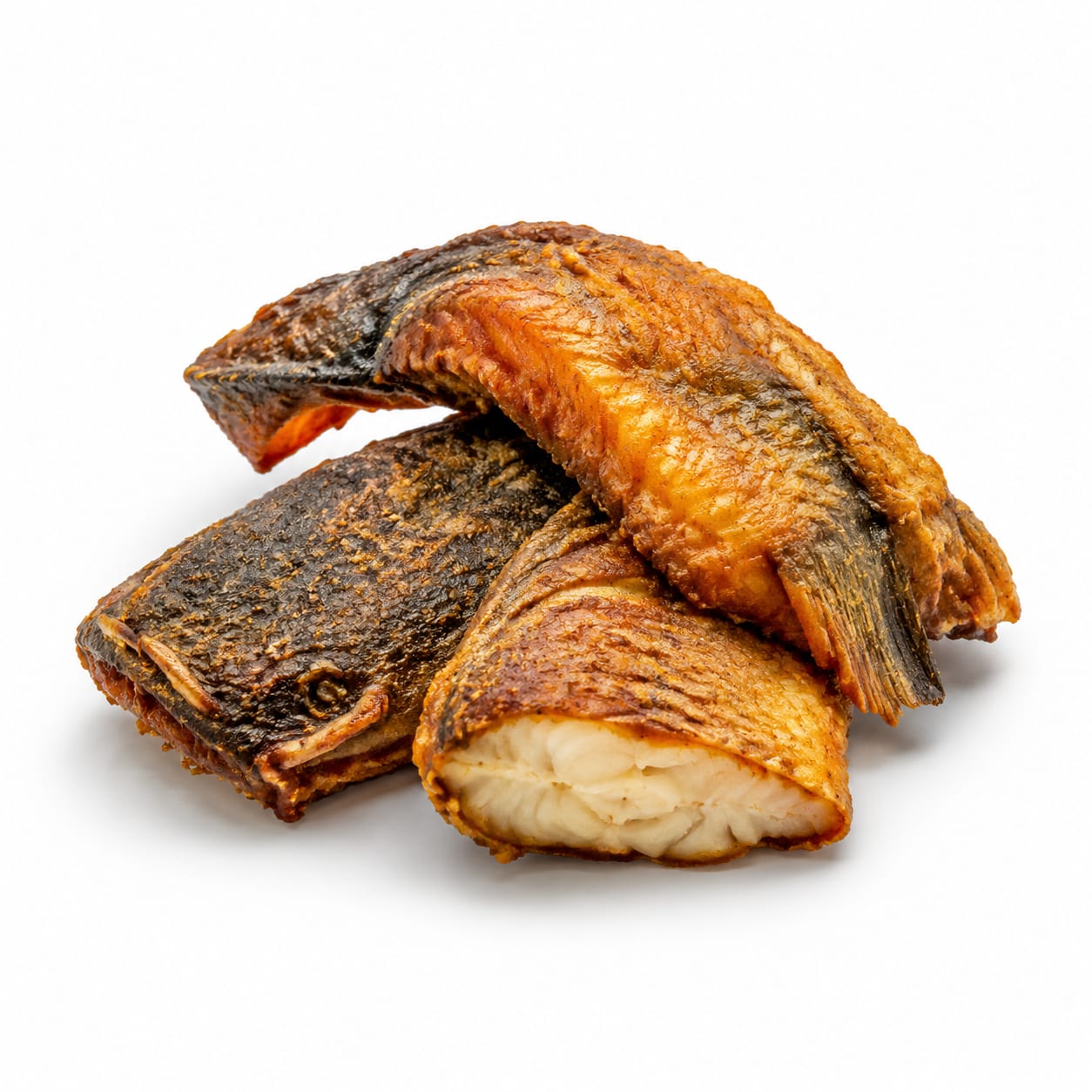
Catfish
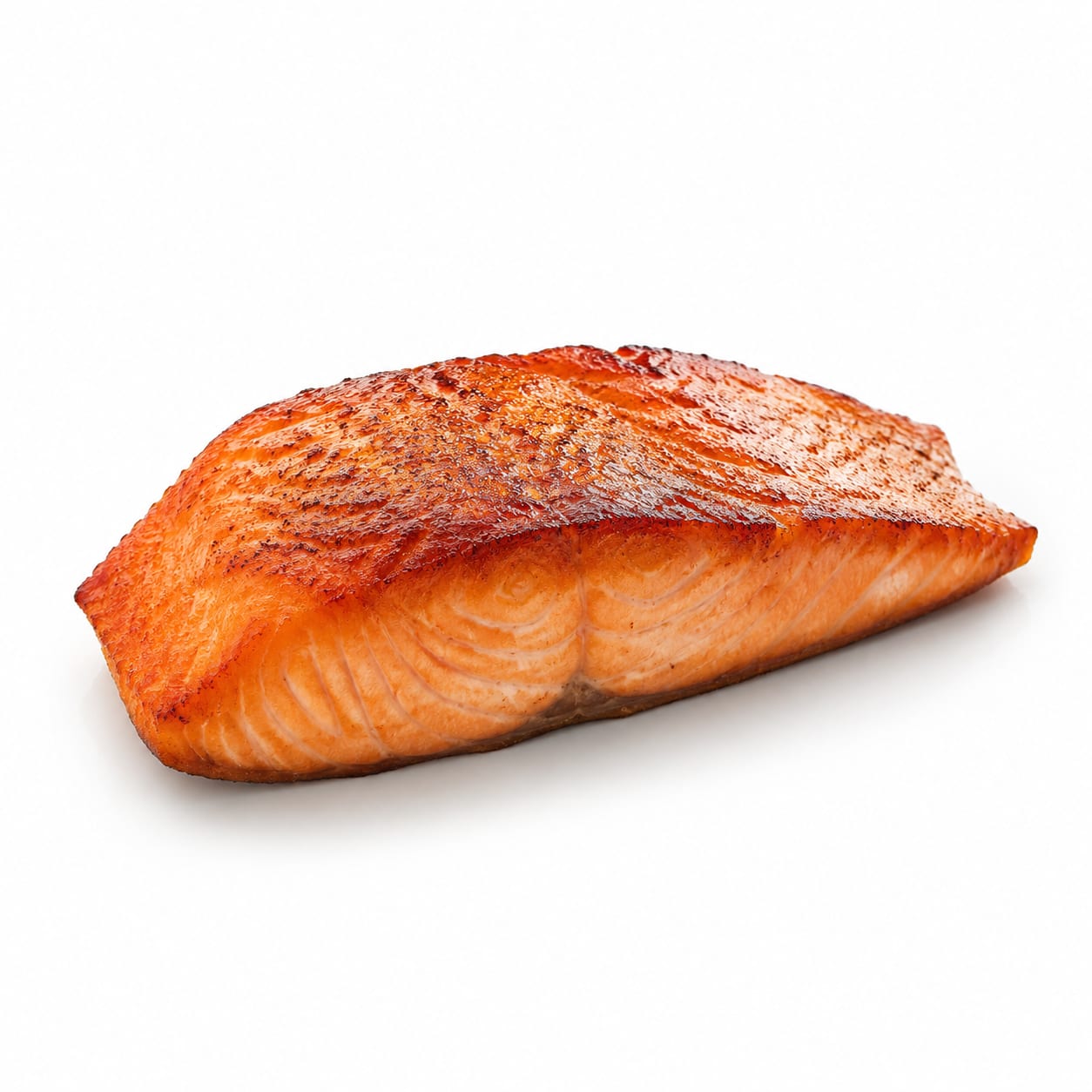
Trout
Trout wins on nutrition and omega-3s, but Catfish wins on budget and accessibility. The health gap is real but not dramatic.
Trout scores notably higher due to its superior omega-3 profile, better fat quality, and lower contaminant risk. Catfish remains a respectable, affordable protein source but carries nutritional compromises that matter over time.
You trade superior omega-3s and cleaner fat quality in Trout for the affordability and widespread availability of Catfish.
At a glance
Executive summary
Overall
Trout
Healthier
Trout
More practical
Catfish
Daily use
Trout
Key comparison lenses
omega-3 and heart health comparison
Trout dramatically outperforms Catfish in omega-3 content, making this the single most consequential difference between the two
contaminant and bottom-feeder safety concerns
Catfish are bottom feeders, raising legitimate questions about environmental contaminants and what they accumulate
fat quality and inflammatory impact
The omega-6 to omega-3 ratio differs substantially, affecting inflammation and long-term health outcomes
budget and everyday accessibility
Catfish is significantly cheaper and more available in many regions, making it a practical staple
farming practices and sustainability
Both are commonly farmed, but farming methods and environmental impact vary meaningfully
Best choice for
Catfish
- Budget-conscious families needing affordable protein
- Southern and soul food cuisine traditions
- People who prefer milder, less fishy-tasting seafood
- Frying and heavy seasoning preparations
- Rural areas with limited fresh fish access
Trout
- Heart health and cardiovascular protection
- Anti-inflammatory diets and autoimmune conditions
- Pregnancy and brain development support
- Whole-foods clean eating approaches
- Those prioritizing nutrient density per calorie
Least suitable for
Catfish
- People strictly managing omega-6 to omega-3 ratios
- Those concerned about bottom-feeder contaminant exposure
- Anti-inflammatory diet protocols
- Pregnant women avoiding potential environmental toxins
Trout
- Very tight grocery budgets
- People who dislike stronger fish flavors
- Regions where fresh Trout is unavailable or overpriced
Deep comparison
Dimension by dimension
Each lens scores both foods and breaks down who each option suits.
- Dimension 1 · Priority 95Trout
Omega-3 and Heart Health
Catfish · 30Trout · 88Trout delivers roughly 3-5 times more omega-3s than Catfish, making it far more protective for your heart and brain.
Tradeoff
Catfish provides decent protein but almost negligible omega-3 benefits compared to Trout.
Why it matters
Omega-3s reduce heart disease risk, support brain function, and lower systemic inflammation. This is not a small nutritional gap.
Real-world impact
Eating Trout twice a week meaningfully moves the needle on heart health markers. Catfish would barely register the same benefit.
Catfish
- Affordable protein intake
Better for
- Anti-inflammatory diets
- Heart-protective eating patterns
Worse for
Trout
- Cardiovascular disease prevention
- Brain health and cognitive function
- Reducing chronic inflammation
- Pregnancy DHA needs
Better for
- No significant disadvantage here
Worse for
- Dimension 2 · Priority 88Trout
Contaminant and Safety Profile
Catfish · 50Trout · 78Catfish are bottom feeders that accumulate more environmental contaminants. Trout, especially farmed, has a cleaner safety profile.
Tradeoff
Farmed Catfish from regulated US operations are reasonably safe, but the bottom-feeder biology inherently carries more risk than Trout.
Why it matters
Long-term exposure to heavy metals, PCBs, and agricultural chemicals matters more than most people think, especially with frequent consumption.
Real-world impact
If you eat fish multiple times weekly, choosing Trout over Catfish meaningfully reduces your cumulative contaminant load over years.
Catfish
- US-farmed Catfish from regulated facilities are monitored for safety
Better for
- Bottom-feeders naturally concentrate sediment contaminants
- Imported Catfish has weaker safety oversight
- PCB and dioxin accumulation potential
Worse for
Trout
- Lower bioaccumulation risk by nature of feeding habits
- Better mercury safety profile
- Farmed Trout operations are generally well-regulated
Better for
- Larger lake Trout can accumulate more mercury than smaller stream Trout
Worse for
- Dimension 3 · Priority 82Trout
Fat Quality and Inflammatory Impact
Catfish · 35Trout · 85Trout has a favorable omega-3 to omega-6 ratio. Catfish leans heavily toward omega-6 fats, which can promote inflammation when consumed in excess.
Tradeoff
Catfish provides satisfying richness but from fats that most people already overconsume. Trout delivers fats that most people desperately need more of.
Why it matters
The typical Western diet already has excessive omega-6 and insufficient omega-3. Catfish reinforces the imbalance; Trout helps correct it.
Real-world impact
Regularly choosing Trout over Catfish subtly shifts your fat intake toward an anti-inflammatory pattern without requiring supplements.
Catfish
- Richer mouthfeel that satisfies comfort food cravings
Better for
- High omega-6 content adds to dietary imbalance
- No significant DHA or EPA contribution
Worse for
Trout
- Anti-inflammatory omega-3 to omega-6 ratio
- Supports rather than undermines typical dietary fat balance
- DHA and EPA directly usable by the body
Better for
- Slightly leaner, less indulgent eating experience
Worse for
- Dimension 4 · Priority 72Trout
Protein Quality and Satiety
Catfish · 68Trout · 80Both provide solid protein, but Trout offers slightly more protein per calorie and a more complete amino acid profile.
Tradeoff
The protein gap is modest. Catfish still satisfies hunger well, especially when prepared with filling sides.
Why it matters
Protein quality affects how well your body builds and repairs tissue, and how long you stay full after eating.
Real-world impact
Both fish keep you satisfied. The difference is marginal enough that protein alone should not drive your choice.
Catfish
- Still provides complete, high-quality protein
- Heavier texture can feel more filling in the moment
Better for
- More calories per gram of protein due to higher fat content
Worse for
Trout
- Slightly higher protein per serving
- Better protein-to-calorie ratio
- More favorable leucine content for muscle maintenance
Better for
- No significant disadvantage here
Worse for
- Dimension 5 · Priority 75Catfish
Affordability and Accessibility
Catfish · 90Trout · 55Catfish is one of the most affordable fish proteins available. Trout commands a premium, especially fresh.
Tradeoff
You pay significantly less for Catfish but get less nutritional value per dollar spent on health outcomes.
Why it matters
Budget constraints are real. If Trout is not affordable, Catfish is still far better than no fish at all.
Real-world impact
A family of four can eat Catfish twice a week for what one Trout dinner might cost. That accessibility matters for consistent protein intake.
Catfish
- Often half the price per pound of Trout
- Widely available frozen and fresh in grocery stores
- Common in restaurants and fish markets nationwide
- Staple protein in many regional food cultures
Better for
- Lower health return on investment despite lower price
Worse for
Trout
- Higher nutrient density per dollar if you can afford it
Better for
- Prohibitively expensive for some households
- Less available in rural and inland areas
- Frozen Trout is less commonly stocked than frozen Catfish
Worse for
- Dimension 6 · Priority 60It depends
Cooking Versatility and Culinary Tradition
Catfish · 72Trout · 72Catfish excels in frying and bold seasoning. Trout shines in delicate preparations that preserve its flavor. Different strengths, not directly comparable.
Tradeoff
Catfish preparations often add unhealthy fats through frying. Trout preparations tend to be leaner but require more cooking skill.
Why it matters
How you cook fish matters as much as which fish you choose. Fried Catfish negates much of its already modest health advantage over other proteins.
Real-world impact
Blackened Catfish or grilled Trout are both excellent choices. Deep-fried Catfish with heavy breading is closer to junk food than health food.
Catfish
- Holds up beautifully to frying, blackening, and heavy spices
- Familiar comfort food for many Southern and Midwest diets
- Forgiving to cook, hard to overcook badly
Better for
- Most popular preparations involve deep frying
- Healthiest preparations are less culturally common
Worse for
Trout
- Elegant enough for fine dining and date nights
- Excellent baked, grilled, or pan-seared with minimal additions
- Pairs well with simple lemon and herb preparations
Better for
- Easy to overcook and dry out
- Less forgiving for inexperienced cooks
Worse for
Timeline
Health impact over time
Short-term
Hours to days
Catfish
- Fried Catfish causes sluggishness and digestive heaviness due to oil and breading
- Grilled or baked Catfish provides steady protein energy without crash
- High sodium in typical Catfish seasonings may cause bloating
Trout
- Trout provides clean, sustained energy with no heaviness when baked or grilled
- Rich omega-3 content may improve mood and mental clarity within hours of eating
- Light enough for a satisfying lunch without afternoon drowsiness
Long-term
Months to years
Catfish
- Regular fried Catfish consumption increases cardiovascular risk from trans fats and excess omega-6
- Frequent bottom-feeder consumption adds to cumulative contaminant burden over decades
- Consistent Catfish intake without other omega-3 sources leaves a significant nutritional gap
Trout
- Regular Trout consumption meaningfully lowers heart disease and stroke risk
- Sustained omega-3 intake supports brain volume preservation and cognitive aging
- Anti-inflammatory fat profile contributes to lower chronic disease risk over time
Risk profile
Safety & processing
Both fish are whole, minimally processed foods in their fresh form. However, frozen Catfish products sometimes contain sodium tripolyphosphate preservatives, and imported Catfish may have antibiotic residues. Farmed Trout generally has cleaner additive profiles.
Catfish
Environmental contaminant accumulation
mediumBottom-feeding behavior exposes Catfish to sediment-bound PCBs, dioxins, and agricultural runoff chemicals. US-farmed Catfish is monitored but imported varieties often are not.
Antibiotic residues in imported Catfish
mediumImported Catfish, particularly from Vietnam and China, has been flagged for unauthorized antibiotic use. Country of origin labeling helps but is inconsistently enforced.
Frying-related acrylamide and trans fat exposure
highThe most common Catfish preparation involves deep frying in battered coatings, creating acrylamide and often introducing industrial trans fats from fryer oils.
Trout
Mercury in larger lake Trout
lowSmaller stream and farmed Rainbow Trout have very low mercury. Large lake-dwelling Trout can accumulate more, but still typically fall well below high-mercury species like swordfish.
Farmed Trout dye and feed concerns
lowSome farmed Trout receive astaxanthin supplements for pink color, but these are generally recognized as safe. Feed quality varies by operation but is well-regulated in the US and EU.
Who wins for whom
Audience fit
Same foods, different winners depending on your goal.
children
TroutDHA from Trout supports brain development, and its lower contaminant profile is safer for growing bodies. However, many kids prefer Catfish's milder taste.
daily consumption
TroutTrout's superior fat profile and lower contaminant risk make it safer and more beneficial for frequent consumption. Catfish is fine occasionally but not ideal as a daily staple.
diabetes
TroutOmega-3s improve insulin sensitivity, and Trout's lower omega-6 load avoids the inflammatory burden that worsens diabetic outcomes.
elderly
TroutOmega-3s protect against cognitive decline and cardiovascular events, both critical concerns for aging populations. Trout delivers these benefits far more effectively.
muscle gain
TroutSlightly higher protein content per serving and better leucine profile make Trout marginally more effective for muscle building and recovery.
weight loss
TroutTrout provides more protein and omega-3s per calorie, and its typical preparations involve less added fat than Catfish dishes.
Your move
Decision guide
Choose Catfish
- Budget is the primary constraint and you need affordable protein
- You strongly prefer mild fish flavor and dislike stronger-tasting seafood
- You are cooking Southern-style dishes where Catfish is traditional and irreplaceable
- You can access US-farmed Catfish and plan to bake, grill, or blacken it
Choose Trout
- Heart health and omega-3 intake are priorities for you
- You are pregnant, planning pregnancy, or feeding young children
- You want maximum nutritional return from your seafood choices
- You enjoy delicate fish flavor and simpler preparations
- You eat fish regularly and care about cumulative contaminant exposure
Either works if
- You only eat fish occasionally and neither will dramatically move your health needle
- You are getting omega-3s from other sources like salmon or sardines
- You are comparing baked or grilled preparations of both
Avoid both if
- You have a fish allergy
- You are following a strict vegan or plant-based diet
- You cannot verify the source and are concerned about contamination
Final recommendation
Choose Trout when you can afford it and care about long-term health outcomes. Its omega-3 advantage is substantial and meaningful. Choose Catfish when budget or taste preference demands it, but opt for US-farmed, and bake or blacken instead of frying. The worst version of Catfish is fried; the best version of Trout is simply grilled with lemon.
Practical
Consumer tips
- 1
Always check country of origin on Catfish. US-farmed is significantly safer than imported varieties.
- 2
If buying frozen Catfish, check ingredient lists for sodium tripolyphosphate, which inflates weight and adds sodium.
- 3
Rainbow Trout is the most common and affordable Trout variety. It farmed responsibly and widely available.
- 4
For the healthiest Catfish preparation, try blackened in a cast iron pan with minimal oil instead of deep frying.
- 5
If Trout is too expensive fresh, check the frozen section. Frozen Rainbow Trout fillets are often much cheaper and nearly as good.
- 6
Pair either fish with roasted vegetables or a large salad to build a complete, satisfying meal without heavy sides.
- 7
Avoid Catfish from unverified sources at buffets or all-you-can-eat restaurants where sourcing is opaque.