
Nutrition comparison
Catfish vs Pollock: Nutrition, Mercury, and Health Comparison
Compare Catfish vs Pollock to see which fish is healthier. Learn about protein, omega-3s, mercury levels, and whether farmed Catfish or wild Pollock is better for your diet.
Overall winner · Pollock
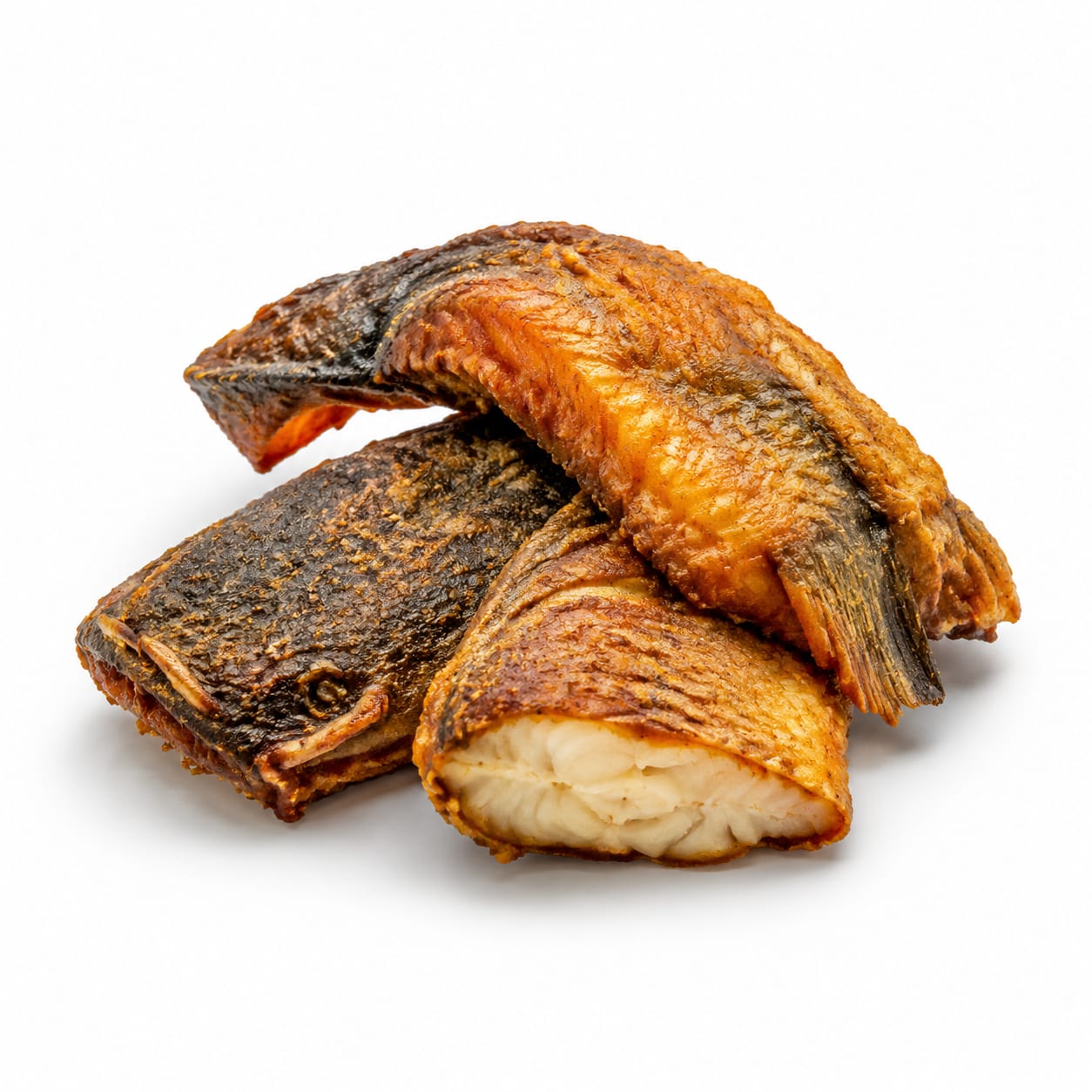
Catfish
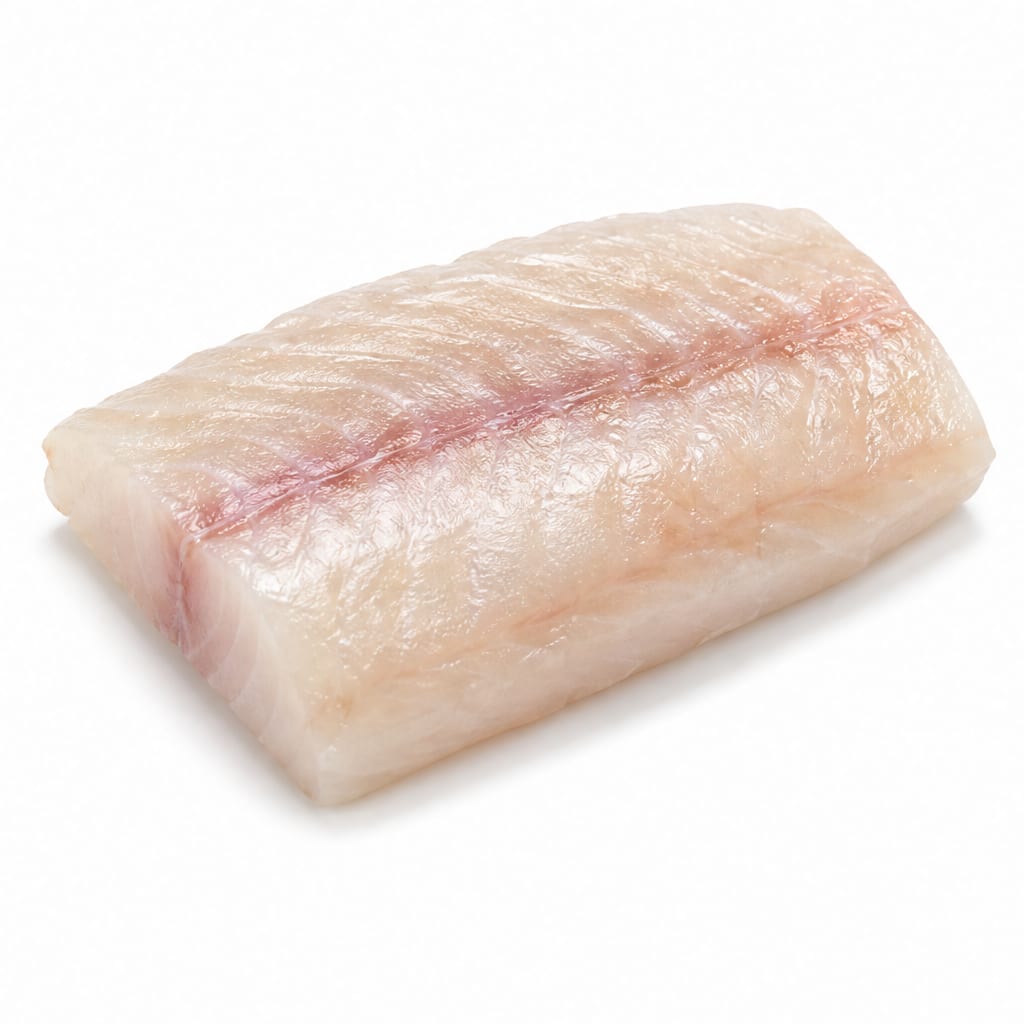
Pollock
Pollock is the leaner, wild-caught choice with a superior omega-3 profile, making it better for regular health-focused eating. Catfish offers a firmer, more satiating bite that holds up beautifully to bold seasonings and frying.
Pollock scores higher due to its leanness, wild-caught status, and excellent omega-3 to omega-6 ratio. Catfish remains a solid choice but loses points for higher fat content and the nutritional compromises of farm-raised fish.
You trade the lower calories and wild-caught purity of Pollock for the richer mouthfeel and culinary sturdiness of Catfish.
At a glance
Executive summary
Overall
Pollock
Healthier
Pollock
More practical
It depends
Daily use
Pollock
Key comparison lenses
Lean protein vs moderate-fat fish
Pollock is extremely lean while Catfish carries more fat, affecting calorie density and meal planning.
Wild-caught vs farm-raised implications
Pollock is almost exclusively wild-caught, while most Catfish is farm-raised, impacting omega-3 to omega-6 ratios and contaminant profiles.
Omega-3 quality and inflammation
Pollock provides better anti-inflammatory omega-3s per calorie, whereas farmed Catfish can have higher omega-6 levels.
Best choice for
Catfish
- Hearty Southern-style meals
- Those wanting a more filling, fat-rich protein
- Grilling or blackening due to firm texture
Pollock
- Low-calorie weight loss diets
- Heart-healthy weekly meal prep
- Flaky fish tacos or baked dishes
Least suitable for
Catfish
- Strict low-fat diets
- Those avoiding farmed seafood
Pollock
- High-calorie bulking phases
- Deep-frying preparations
Deep comparison
Dimension by dimension
Each lens scores both foods and breaks down who each option suits.
- Dimension 1 · Priority 92Pollock
Protein & Calorie Density
Catfish · 70Pollock · 95Pollock delivers more protein per calorie, making it a dieter's dream. Catfish is more calorie-dense due to its higher fat content.
Tradeoff
Catfish fills you up faster because of its fat, but Pollock lets you eat a larger portion for fewer calories.
Why it matters
If you are tracking calories or trying to lose weight, Pollock gives you more volume and protein for your calorie budget.
Real-world impact
A Pollock fillet feels like a light, clean lunch that won't slow you down. Catfish feels more like a hearty dinner.
Catfish
- Satiety without needing large portions
Better for
- Calorie counting when portion sizes are large
Worse for
Pollock
- Maximizing protein intake while cutting calories
Better for
- Feeling hungry soon after if eaten alone without sides
Worse for
- Dimension 2 · Priority 88Pollock
Omega-3 to Omega-6 Balance
Catfish · 60Pollock · 90Pollock offers a cleaner anti-inflammatory fat profile. Farmed Catfish often contains more omega-6 fats from its grain-based diet.
Tradeoff
Catfish provides more total fat for flavor, but it comes with inflammatory omega-6s. Pollock offers less total fat but a much healthier ratio.
Why it matters
A high omega-6 to omega-3 ratio can promote inflammation over time, counteracting some of the heart benefits of eating fish.
Real-world impact
Eating Pollock regularly supports heart health and reduces inflammation. Eating Catfish daily might not give you the same anti-inflammatory boost.
Catfish
- Those who struggle to get enough dietary fat
Better for
- Managing inflammatory conditions like arthritis
Worse for
Pollock
- Reducing systemic inflammation
- Supporting cardiovascular health
Better for
- Strict keto or very high-fat diets
Worse for
- Dimension 3 · Priority 85Pollock
Sourcing & Contaminants
Catfish · 75Pollock · 92Pollock is wild-caught from clean Alaskan waters with minimal contaminants. Catfish is mostly farmed, which carries different risks.
Tradeoff
Farmed Catfish is heavily regulated in the US and very low in mercury, but wild Pollock avoids the antibiotics and pesticides sometimes used in aquaculture.
Why it matters
What the fish eats directly affects what you eat. Wild fish generally have a cleaner diet and fewer chemical exposures.
Real-world impact
Choosing Pollock gives you peace of mind about purity. Choosing US-farmed Catfish is still safe, but requires trusting farm practices.
Catfish
- Inland areas where fresh farmed fish is more accessible
Better for
- Avoiding farm-raised seafood entirely
Worse for
Pollock
- Avoiding aquaculture chemicals
- Sustainable seafood choices
Better for
- Those concerned about ocean microplastics
Worse for
- Dimension 4 · Priority 75Catfish
Culinary Texture & Versatility
Catfish · 88Pollock · 78Catfish has a firm, steak-like texture that stands up to aggressive cooking methods. Pollock is delicate and flaky.
Tradeoff
Catfish survives deep-frying and heavy grilling beautifully. Pollock excels in gentle baking or as a flaky filling but falls apart easily.
Why it matters
The wrong cooking method can ruin your meal. Matching the fish to the recipe is crucial for enjoyment.
Real-world impact
Catfish is perfect for blackened fish tacos or a crispy fried sandwich. Pollock is ideal for fish pies, chowders, or light baked fillets.
Catfish
- Frying and blackening
- Hearty, flavorful dishes
Better for
- Light, subtle flavor profiles
Worse for
Pollock
- Baking and steaming
- Delicate flaky textures
Better for
- High-heat grilling or heavy breading
Worse for
Timeline
Health impact over time
Short-term
Hours to days
Catfish
- Higher fat content provides longer-lasting fullness
- Can feel heavy if eaten in large fried portions
Pollock
- Light on the stomach and easy to digest
- May require a side of healthy fats to feel fully satisfied
Long-term
Months to years
Catfish
- Farmed omega-6 fats may not support heart health as effectively as wild fish
- Consistent intake of fried Catfish can contribute to weight gain
Pollock
- Excellent for maintaining a lean body composition
- Consistent omega-3 intake supports brain and heart health over decades
Risk profile
Safety & processing
Both Catfish and Pollock are naturally minimally processed when bought as fresh or frozen fillets. The main difference is their living environment—farms versus the wild ocean.
Catfish
Aquaculture chemical exposure
lowUS-farmed Catfish is well-regulated, but imported varieties may have higher exposure to antibiotics or pesticides.
Pollock
Parasites in raw preparations
mediumLike all wild fish, Pollock can carry parasites if consumed raw without proper freezing.
Who wins for whom
Audience fit
Same foods, different winners depending on your goal.
children
PollockPollock is a low-mercury, wild-caught fish with a mild flavor, making it a safe and easy introduction to seafood for kids.
daily consumption
PollockWild-caught Pollock has a cleaner fat profile and lower calorie density, making it a safer everyday staple than farmed Catfish.
diabetes
PollockThe lower fat content and anti-inflammatory omega-3 profile in Pollock are more protective against insulin resistance.
elderly
PollockPollock is easier to chew and digest due to its flaky texture, and its omega-3s support cognitive health in aging.
muscle gain
PollockPollock provides more protein per calorie, allowing for better macro management when bulking cleanly.
weight loss
PollockPollock is extremely lean and high in protein, making it much easier to fit into a calorie deficit.
Your move
Decision guide
Choose Catfish
- You are making a Southern-style dish, frying, or blackening
- You want a firmer, meatier fish that feels like a steak
- You prefer the richer mouthfeel of a moderately fatty fish
Choose Pollock
- You want a lean, low-calorie protein source
- You prioritize wild-caught and sustainable seafood
- You are making a delicate dish like chowder, fish pie, or baked fillets
Either works if
- You just need a mild white fish for tacos
- You are mixing seafood into a heavily seasoned stew where the fish's native flavor is hidden
Avoid both if
- You have a severe fish allergy
- You are strictly following a plant-based diet
Final recommendation
Make Pollock your go-to for everyday, health-focused meals due to its leanness and wild-caught benefits. Save Catfish for when you want a heartier, more comforting dish that stands up to bold flavors and frying.
Practical
Consumer tips
- 1
If buying Catfish, look for US farm-raised to ensure stricter safety and environmental standards.
- 2
Avoid pre-breaded Catfish or Pollock sticks, as they turn a healthy fish into a high-sodium, ultra-processed meal.
- 3
Pollock is often sold as generic white fish; check the label to ensure you are getting genuine Alaska Pollock.
- 4
When baking Pollock, add a drizzle of olive oil to keep it moist and boost healthy fats.