
Nutrition comparison
Catfish vs Haddock: Which White Fish is Healthier?
Compare Catfish and Haddock to find out which fish is better for weight loss, heart health, and daily meals. Learn the nutritional differences and best cooking methods.
Overall winner · Haddock
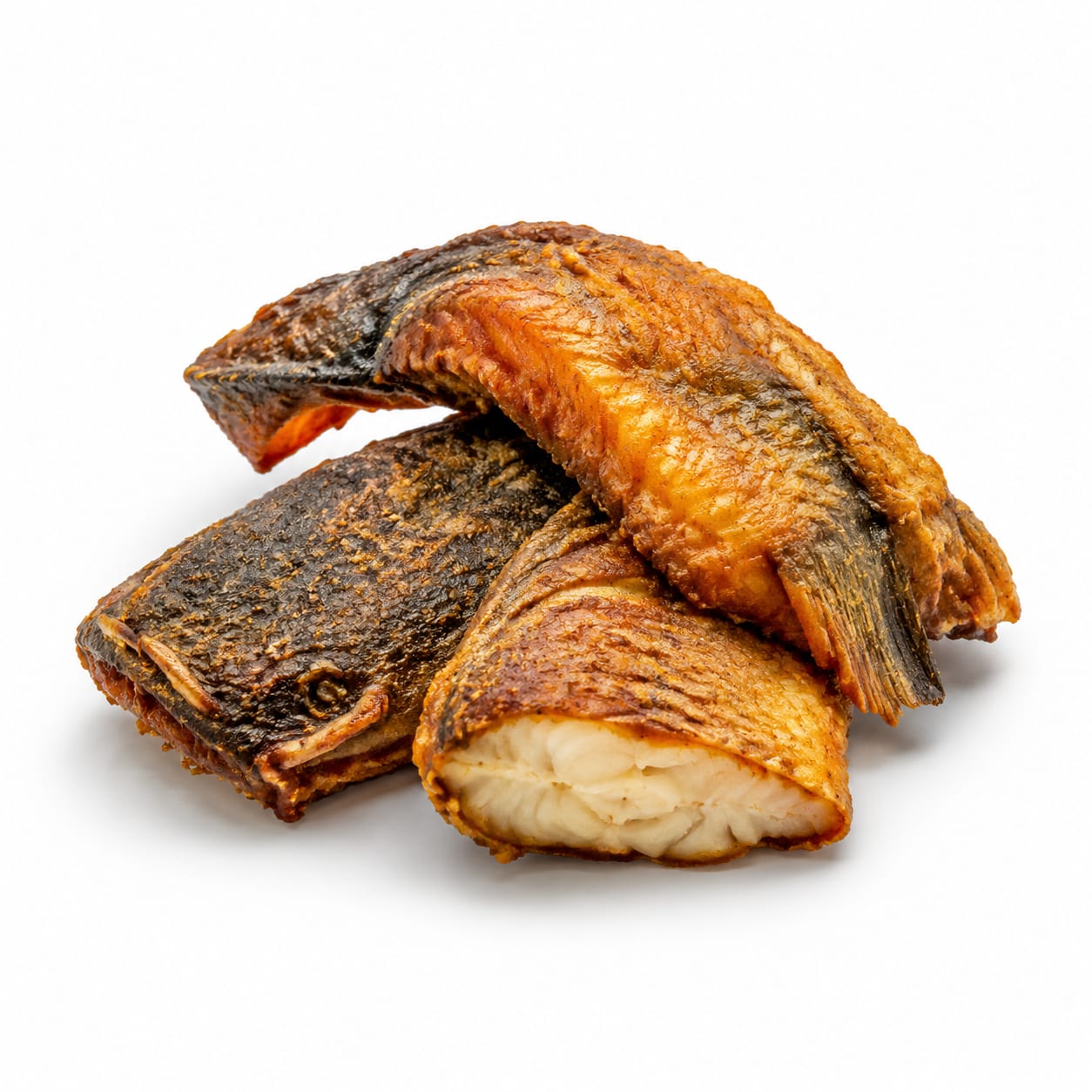
Catfish
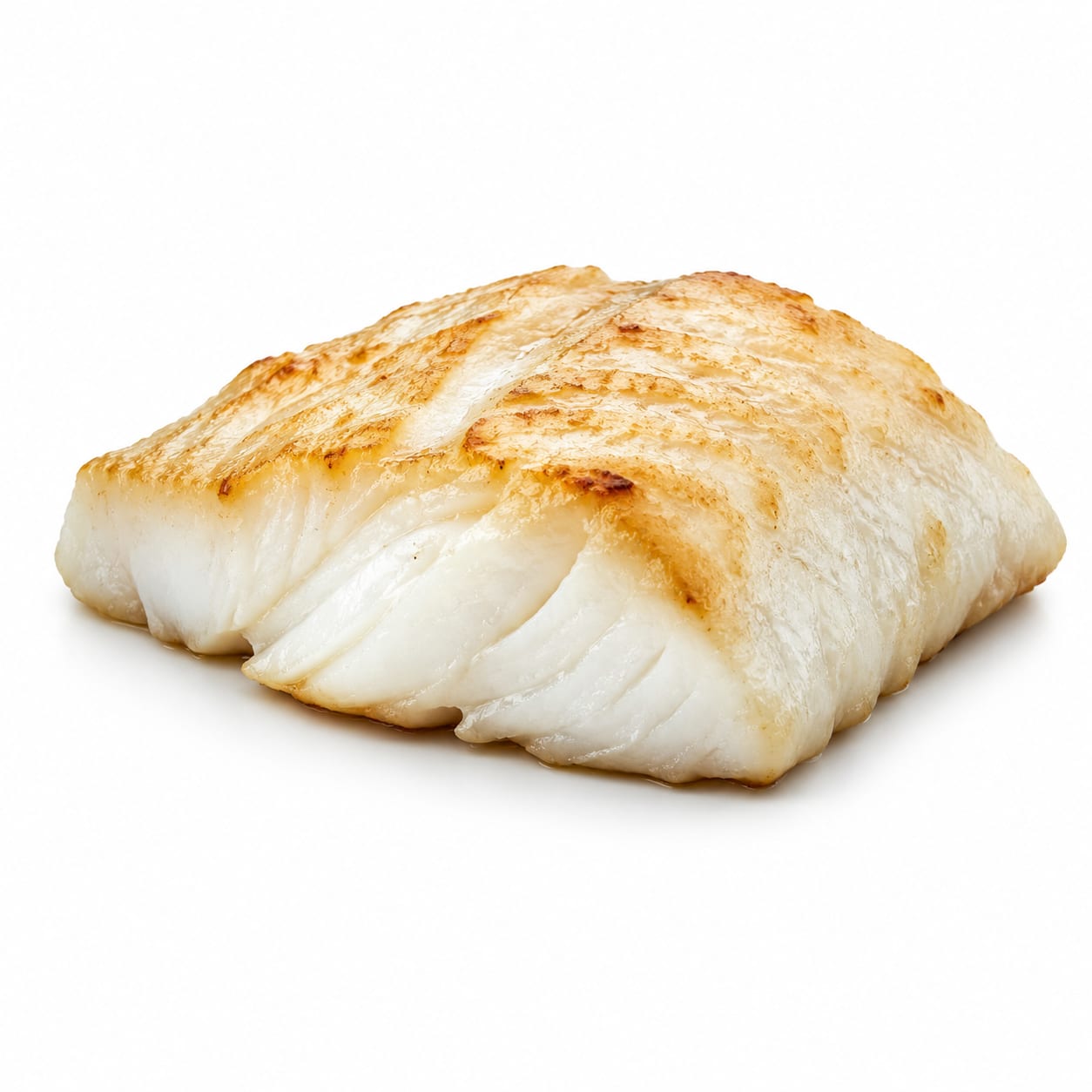
Haddock
Haddock is the leaner, cleaner protein source for daily eating, while Catfish offers a richer, more satisfying bite at the cost of more fat.
Haddock scores higher due to its superior leanness, cleaner farmed-wild profile, and versatility in healthy cooking. Catfish is still nutritious but its higher fat content and typical preparation methods hold it back slightly.
You trade the low-calorie leanness of Haddock for the higher fat content and fuller mouthfeel of Catfish.
At a glance
Executive summary
Overall
Haddock
Healthier
Haddock
More practical
It depends
Daily use
Haddock
Key comparison lenses
Lean protein vs richer fish
Haddock is very low in fat and calories, while Catfish is notably richer and higher in fat, changing how they fit into diets.
Mercury and contaminant exposure
Comparing a farmed freshwater fish to a wild-caught saltwater fish raises distinct concerns about mercury, antibiotics, and pollutants.
Culinary preparation and health impact
Catfish is frequently deep-fried, while Haddock is typically baked or broiled, heavily influencing the final health profile of the meal.
Best choice for
Catfish
- People following a higher-fat or keto-style diet
- Those wanting a more filling, richer tasting fish
- Budget-conscious shoppers looking for affordable farmed fish
Haddock
- People counting calories or watching their fat intake
- Anyone seeking a clean, light post-workout protein
- Those who prefer mild, flaky white fish for quick baking
Least suitable for
Catfish
- People strictly limiting dietary fat
- Those avoiding farmed seafood
- Individuals prone to heavy breading and deep-frying
Haddock
- Those looking for omega-3 rich fish
- People who find very lean fish too dry
- Those seeking substantial, heavy meals
Deep comparison
Dimension by dimension
Each lens scores both foods and breaks down who each option suits.
- Dimension 1 · Priority 95Haddock
Calorie Density and Leanness
Catfish · 60Haddock · 95Haddock is extremely lean with barely any fat, while Catfish carries significantly more natural fat calories.
Tradeoff
Catfish is more filling and satisfying due to its fat content, but Haddock gives you far more protein per calorie.
Why it matters
If you are managing weight, Haddock lets you eat a larger portion for fewer calories. Catfish might leave you satisfied sooner but at a higher caloric cost.
Real-world impact
A 6oz Haddock fillet feels like a light, energizing dinner. A 6oz Catfish fillet feels more like a hearty, comforting meal.
Catfish
- Keto and low-carb diets
- Meals where you want lasting fullness
Better for
- Strict low-fat diets
- Cutting phases for bodybuilding
Worse for
Haddock
- Calorie-controlled diets
- Lean muscle-building phases
Better for
- Those needing omega-3s from their fish
- Very active people needing calorie-dense meals
Worse for
- Dimension 2 · Priority 85Haddock
Contaminant and Safety Profile
Catfish · 70Haddock · 85Haddock has very low mercury for a saltwater fish, while Catfish has low mercury but carries farmed seafood risks.
Tradeoff
You choose between the low-mercury but farm-exposed Catfish, and the wild-caught but ocean-exposed Haddock.
Why it matters
Farmed Catfish can occasionally have antibiotic or pesticide residues depending on sourcing. Haddock is wild but faces microplastic exposure.
Real-world impact
Haddock is a safer regular choice for pregnant women and children due to its wild, low-mercury nature. Catfish is safe if you verify it comes from reputable farms.
Catfish
- Those strictly avoiding ocean mercury
- Budget buyers accessing regulated domestic farms
Better for
- People avoiding farmed fish entirely
- Those concerned about agricultural runoff
Worse for
Haddock
- Pregnant women seeking low-mercury wild fish
- Those avoiding farmed seafood antibiotics
Better for
- Those worried about ocean microplastics
- Strict farm-to-table advocates
Worse for
- Dimension 3 · Priority 75Catfish
Omega-3 and Heart Health
Catfish · 65Haddock · 40Neither is a salmon-level omega-3 powerhouse, but Catfish provides slightly more healthy fats than Haddock.
Tradeoff
Catfish offers a bit more anti-inflammatory fats, while Haddock is almost fat-free, offering practically zero omega-3s.
Why it matters
If you rely on fish for your omega-3 intake, neither is ideal, but Catfish at least contributes a small amount.
Real-world impact
Eating Catfish gives a modest omega-3 bump, but you will still need other sources like salmon or chia seeds to meet your needs.
Catfish
- Getting small amounts of omega-3s
- Balancing out a very lean meal plan
Better for
- Those who assume all fish are high in omega-3s
Worse for
Haddock
- Keeping total dietary fat extremely low
Better for
- Relying on it for heart-healthy fats
Worse for
Timeline
Health impact over time
Short-term
Hours to days
Catfish
- Provides steady, longer-lasting energy due to higher fat content
- Feels heavier in the stomach, reducing post-meal snacking urges
Haddock
- Delivers rapid, clean protein without sluggishness
- May leave you hungry sooner if not paired with a healthy fat source
Long-term
Months to years
Catfish
- Can support a balanced diet if baked or grilled, but frying it regularly raises heart disease risk
- Consistent farmed fish consumption requires trusting supplier quality controls
Haddock
- Excellent for maintaining lean body mass and cardiovascular health over time
- Very low fat content means you must ensure you get essential fatty acids from other foods
Risk profile
Safety & processing
Both are whole, minimally processed fish in their raw form. Catfish gets a medium additive concern because farmed varieties may be exposed to feed additives and antibiotics, whereas Haddock is typically wild-caught.
Catfish
Farmed seafood contaminants
mediumDepending on the country of origin and farming practices, Catfish may be exposed to antibiotics or agricultural runoff. US farm-raised Catfish is generally well-regulated.
Unhealthy preparation methods
highCatfish is very frequently deep-fried and breaded, which drastically increases calories, inflammatory oils, and carbs.
Haddock
Ocean-borne microplastics
lowAs a wild saltwater fish, Haddock is exposed to microplastics, though levels are generally low in this species.
Overfishing sustainability
mediumSome Haddock stocks are better managed than others. Sourcing from MSC-certified fisheries is recommended.
Who wins for whom
Audience fit
Same foods, different winners depending on your goal.
children
HaddockHaddock is low in mercury, easy to chew when flaked, and has a mild taste that kids usually accept well.
daily consumption
HaddockHaddock's low fat and clean wild profile make it a safer, lighter choice for everyday meals.
diabetes
HaddockHaddock has zero carbs and very low fat, reducing insulin resistance risks, provided it is not breaded.
elderly
HaddockHaddock is very gentle on the digestive system due to its leanness and is easy to chew and prepare softly.
muscle gain
HaddockHaddock offers more protein per calorie, making it easier to hit macro targets without exceeding fat limits.
weight loss
HaddockHaddock is extremely low in calories and fat, making portion control and calorie tracking much easier.
Your move
Decision guide
Choose Catfish
- You prefer a richer, meatier fish that holds up well to bold seasonings
- You are on a low-carb or keto diet and welcome the extra natural fats
- You have access to high-quality, domestically farmed Catfish
Choose Haddock
- You want a light, flaky fish for a weeknight dinner
- You are watching your caloric intake or trying to lose weight
- You prefer the peace of mind that comes with wild-caught seafood
Either works if
- You just need a solid, zero-carb protein source for a salad
- You are willing to bake or grill either fish with a squeeze of lemon
Avoid both if
- You are looking for a high-omega-3 fish like salmon or mackerel
- You have a severe allergy to finfish
Final recommendation
Go with Haddock for a lean, everyday protein that pairs beautifully with light sides. Choose Catfish when you crave something richer and more comforting, but try to bake or grill it instead of deep-frying to keep the health profile intact.
Practical
Consumer tips
- 1
If buying Catfish, look for US farm-raised to ensure stricter safety regulations compared to imported varieties.
- 2
Skip the deep fryer for Catfish; blackening or baking it gives great flavor without the heavy oil.
- 3
Since Haddock is so lean, brush it with olive oil before baking to keep it moist and add healthy fats.
- 4
Check for MSC certification on Haddock packaging to ensure sustainable fishing practices.
- 5
If Haddock is too expensive, check the frozen section—it holds up very well when flash-frozen.