
Nutrition comparison
Catfish vs Cod: Nutrition, Health Benefits, and Which is Better
Compare Catfish vs Cod to discover which fish is healthier for weight loss, heart health, and daily nutrition. Learn the real differences in fat, calories, and safety.
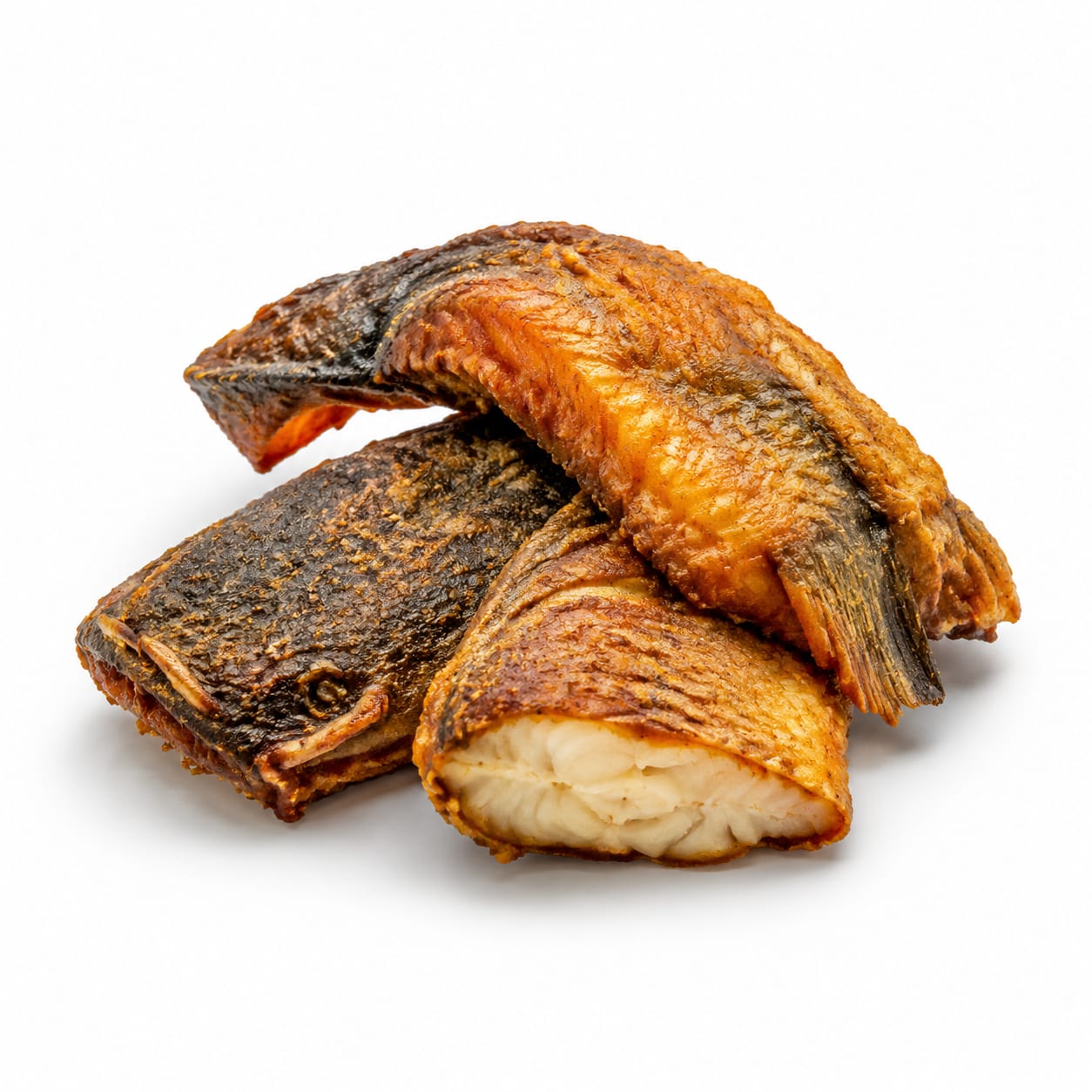
Catfish
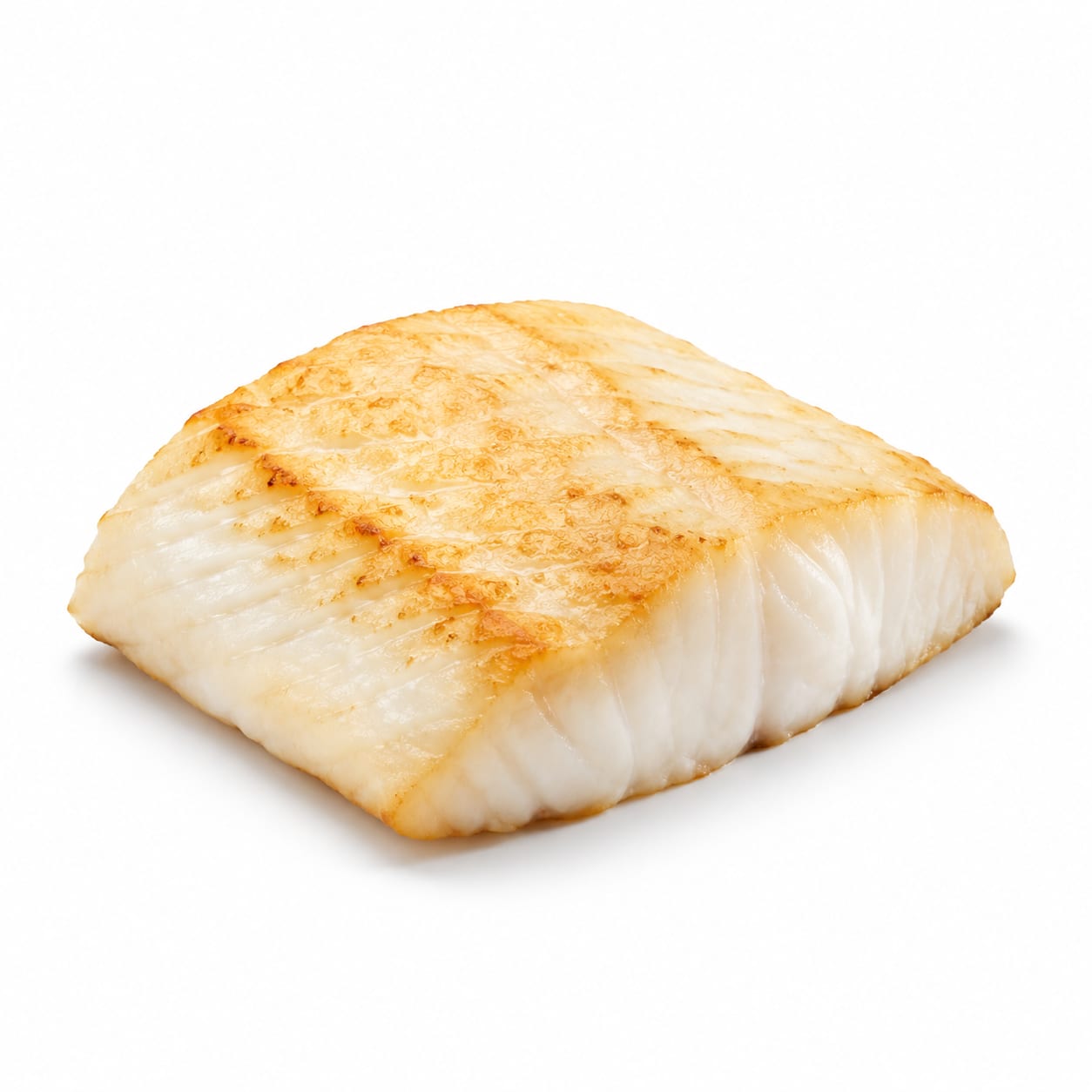
Cod
Cod is the cleaner, leaner choice for everyday health, while Catfish offers a richer, more satisfying meal experience at a lower cost.
Cod scores higher due to its superior lean protein profile and cleaner fat composition, but Catfish remains a solid, affordable choice that excels in specific culinary contexts.
You trade the low-calorie, clean-fat profile of Cod for the hearty texture and budget-friendly comfort of Catfish.
At a glance
Executive summary
Overall
It depends
Healthier
Cod
More practical
Catfish
Daily use
Cod
Key comparison lenses
lean protein vs richer flavor
Catfish is notably fattier and richer, while Cod is prized for its lean, flaky texture.
omega3 to omega6 ratio
Farmed Catfish can have a less favorable omega-6 to omega-3 ratio compared to wild Cod, impacting inflammation.
contaminant and farming safety
Catfish is often farmed, raising concerns about water quality and antibiotics, whereas Cod is wild-caught but faces mercury and overfishing scrutiny.
calorie density for weight management
Cod offers significantly fewer calories per serving, making it a staple for calorie-conscious diets.
Best choice for
Catfish
- Keto and low-carb dieters needing higher fat
- Budget-conscious households
- Hearty, comfort-food meals like stews or frying
Cod
- Weight loss and lean muscle diets
- Heart-health focused eating plans
- Light, flaky fish recipes
Least suitable for
Catfish
- Strict low-fat diets
- Those avoiding farmed seafood
- People sensitive to inflammatory omega-6 fats
Cod
- Those needing high-calorie intake on a budget
- Deep-frying enthusiasts seeking a sturdy fish
Deep comparison
Dimension by dimension
Each lens scores both foods and breaks down who each option suits.
- Dimension 1 · Priority 90Cod
Calorie Density and Leanness
Catfish · 60Cod · 95Cod is exceptionally lean, delivering high protein with minimal calories. Catfish carries notably more fat, increasing its calorie load.
Tradeoff
Choosing Catfish means consuming 2-3 times more calories from fat per serving compared to Cod, which can quietly push you over daily calorie goals.
Why it matters
If you are tracking calories or trying to lose weight, lean proteins make portion control effortless.
Real-world impact
A Cod dinner leaves you light and energized afterward, whereas a Catfish dinner can feel heavier and more sedating.
Catfish
- Low-carb diets where fat is welcome
- Active individuals needing sustained calorie intake
Better for
- Strict calorie counting
- Fat-restricted meal plans
Worse for
Cod
- Calorie-restricted diets
- Lean muscle building phases
Better for
- Those struggling to get enough daily calories
Worse for
- Dimension 2 · Priority 85Cod
Fat Quality and Inflammation
Catfish · 55Cod · 85Cod provides a cleaner omega-3 to omega-6 ratio. Farmed Catfish often contains elevated omega-6 levels due to grain-based feed.
Tradeoff
Eating Catfish frequently might contribute to dietary omega-6 excess, potentially promoting inflammation over time.
Why it matters
A balanced omega ratio supports heart health and keeps systemic inflammation low.
Real-world impact
Regular Cod consumption aligns well with anti-inflammatory eating, while daily Catfish might not offer the same heart-protective benefits.
Catfish
- Diets naturally low in omega-6
- Occasional comfort meals
Better for
- Diets already high in seed oils and omega-6s
- Daily consumption routines
Worse for
Cod
- Heart-healthy diets
- Chronic inflammation management
Better for
- Those seeking high omega-3 from fish (Salmon is better)
Worse for
- Dimension 3 · Priority 80Cod
Contaminant and Farming Safety
Catfish · 65Cod · 80Wild Cod generally has fewer antibiotic and chemical residue concerns than imported farmed Catfish, though US-farmed Catfish is well-regulated.
Tradeoff
Cheaper imported Catfish can carry hidden risks from unregulated farming practices, requiring careful label reading.
Why it matters
Antibiotics and pesticides in farmed seafood can disrupt gut health and contribute to antibiotic resistance.
Real-world impact
Choosing US-farmed Catfish or wild Cod gives you peace of mind, but bargain-bin Catfish is a gamble.
Catfish
- Buyers who verify US-farmed sourcing
Better for
- Consumers buying unverified imported fish
Worse for
Cod
- Those wanting consistently wild-caught fish
- People avoiding farmed seafood entirely
Better for
- Those avoiding Atlantic ocean fish due to microplastic concerns
Worse for
- Dimension 4 · Priority 75It depends
Culinary Versatility and Satisfaction
Catfish · 85Cod · 80Catfish has a sturdy, meaty texture that holds up beautifully to frying and heavy seasoning. Cod is delicately flaky and best with lighter cooking methods.
Tradeoff
Catfish easily becomes a heavy comfort meal, while Cod is more forgiving for light, healthy preparations.
Why it matters
A fish you actually enjoy eating is better for long-term diet adherence than one you find bland.
Real-world impact
Catfish shines in a crispy blackened sandwich, while Cod is perfect in a bright fish taco or baked with herbs.
Catfish
- Deep-frying and blackening
- Hearty stews and chowders
Better for
- Delicate flavor profiles
- Raw or ceviche applications
Worse for
Cod
- Baking and poaching
- Fish tacos and light salads
Better for
- Heavy battering and deep-frying
Worse for
Timeline
Health impact over time
Short-term
Hours to days
Catfish
- Provides a highly satisfying, filling meal due to higher fat content
- Can feel heavy or greasy if fried
Cod
- Delivers light, clean energy without a sluggish aftermath
- May leave you hungry sooner if not paired with healthy fats
Long-term
Months to years
Catfish
- Regular consumption of farmed Catfish may skew omega-6 intake upward
- Affordable protein access supports sustained dietary compliance
Cod
- Supports cardiovascular health and lean body composition
- Low mercury levels make it safe for frequent consumption
Risk profile
Safety & processing
Both are whole foods, but farmed Catfish carries a moderate risk of exposure to feed additives and antibiotics, especially if imported. Wild Cod is as natural as it gets.
Catfish
Antibiotic and chemical residues
mediumImported farmed Catfish may be exposed to unregulated antibiotics and pesticides. Always look for US-farmed to mitigate this.
Omega-6 excess
lowGrain-fed farmed varieties accumulate omega-6 fats, which can promote inflammation if eaten as a daily staple.
Cod
Mercury exposure
lowCod is relatively low on the food chain, making it a low-mercury choice safe for weekly consumption.
Overfishing and sustainability
mediumSome Atlantic Cod stocks are depleted. Choosing Pacific Cod or MSC-certified options ensures ecological safety.
Who wins for whom
Audience fit
Same foods, different winners depending on your goal.
children
CodCod has a milder flavor, lower contaminant risk, and is safer for developing nervous systems due to low mercury.
daily consumption
CodThe clean fat profile and low contaminant burden of Cod make it a safer daily staple than farmed Catfish.
diabetes
CodThe lean profile of Cod avoids the added dietary fat that can worsen insulin resistance, unlike fattier Catfish.
elderly
CodCod is easier to digest, lighter on the stomach, and supports heart health without adding heavy saturated fats.
muscle gain
CodCod provides a higher protein-to-calorie ratio, making it easier to hit protein targets without excess calories.
weight loss
CodCod offers significantly fewer calories and almost zero fat, making it effortless to stay in a calorie deficit.
Your move
Decision guide
Choose Catfish
- You are following a keto or low-carb diet and welcome the extra fat
- You want a budget-friendly, meaty fish that absorbs bold spices beautifully
- You can source US-farmed Catfish to ensure safe farming practices
Choose Cod
- You want a lean, low-calorie protein for weight management
- You eat fish multiple times a week and need a clean, low-mercury option
- You prefer a flaky, mild fish for light recipes like tacos or baked dishes
Either works if
- You simply want a solid protein source to mix up your weekly meal prep
- You are pairing the fish with heavy sides and need a versatile base
Avoid both if
- You have a severe fish or shellfish allergy
- You are strictly avoiding all animal proteins
Final recommendation
Make Cod your go-to for everyday lean nutrition and heart health. Choose Catfish when you crave a heartier, comfort-food experience, but prioritize US-farmed to avoid the health and ethical pitfalls of unregulated imports.
Practical
Consumer tips
- 1
When buying Catfish, look specifically for 'US Farm-Raised' to ensure stricter safety and environmental standards.
- 2
If buying Cod, check for the MSC blue tick to guarantee sustainable fishing practices.
- 3
Avoid pre-breaded versions of either fish, as they add empty calories and unhealthy seed oils.
- 4
Bake, grill, or poach Cod to preserve its delicate texture; blacken or stew Catfish to complement its firmer bite.