
Nutrition comparison
Catfish vs Shrimp: Nutrition, Taste & Health Comparison
Compare Catfish vs Shrimp to see which seafood is healthier. Learn about protein, calories, cholesterol, and the best choice for weight loss and heart health.
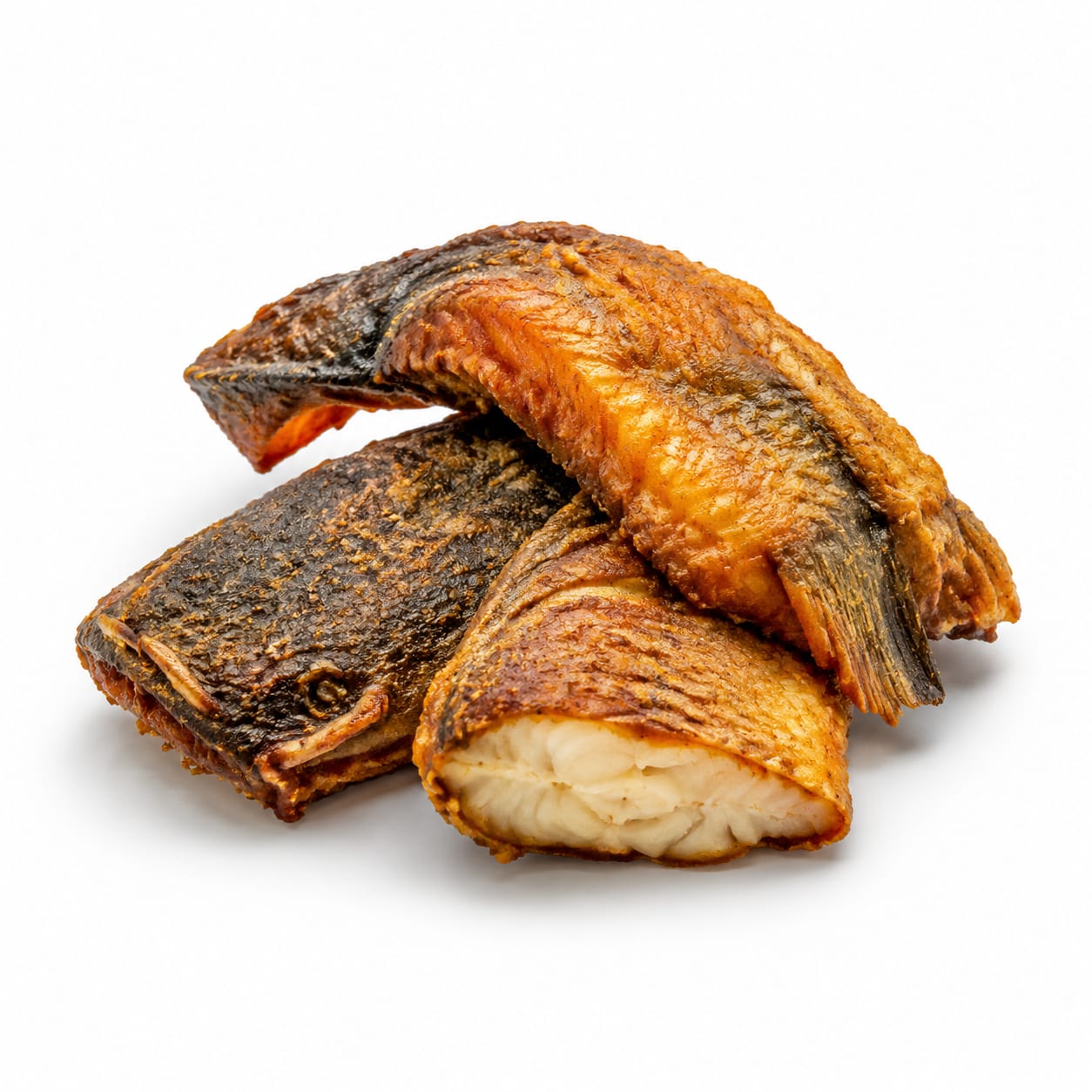
Catfish
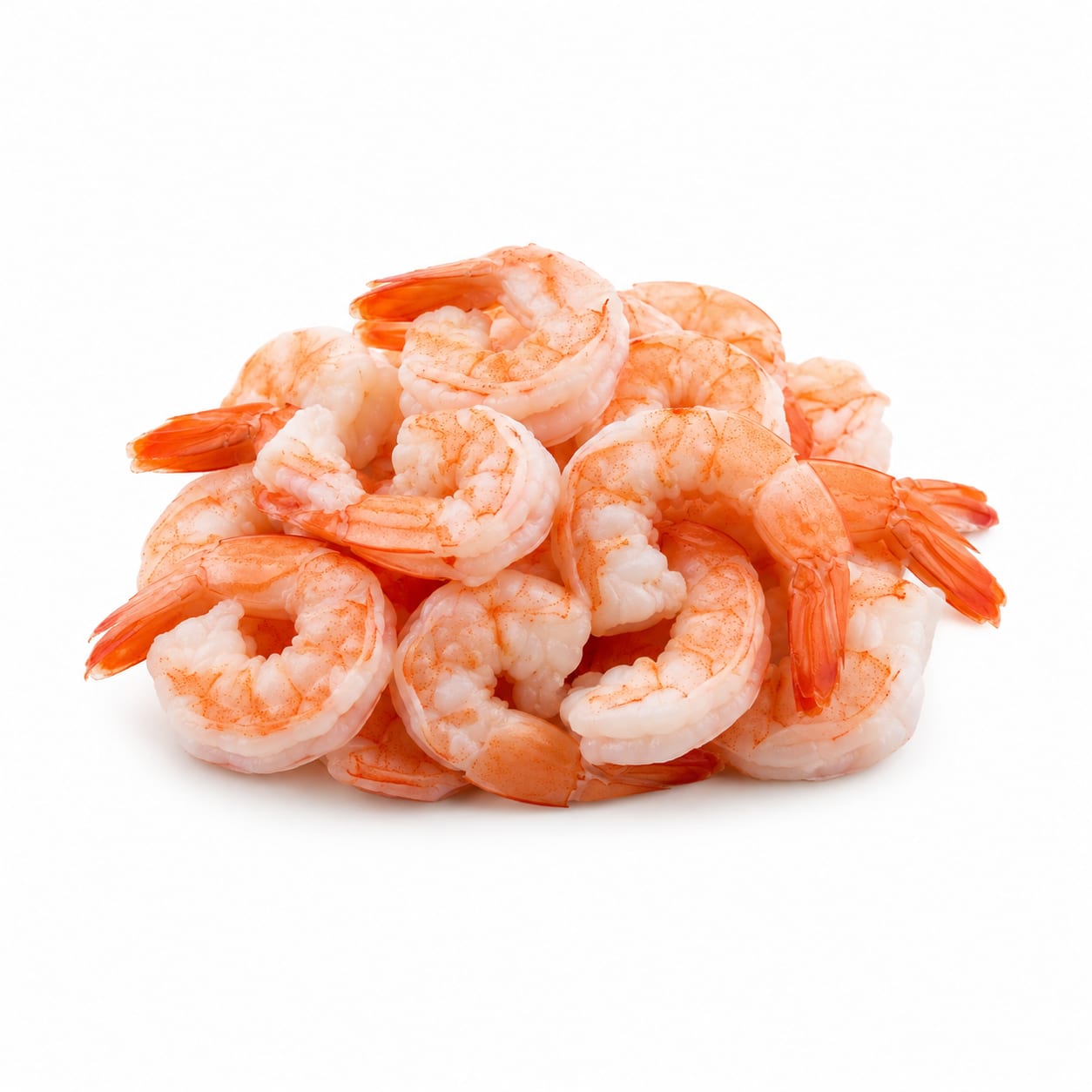
Shrimp
Shrimp delivers lean, fast-cooking protein for weight-conscious meals, while Catfish offers a heartier, budget-friendly comfort bite that often comes breaded and fried.
Shrimp scores higher due to its superior protein-to-calorie ratio and leanness, but Catfish remains a solid, affordable choice if baked or grilled instead of fried.
Shrimp gives you more protein per calorie but carries a cholesterol hit and shellfish allergy risk; Catfish is more filling and affordable but typically eaten fried, adding excess calories and fat.
At a glance
Executive summary
Overall
It depends
Healthier
Shrimp
More practical
Shrimp
Daily use
It depends
Key comparison lenses
Lean protein vs comfort food profile
Shrimp is prized for its lean protein, while Catfish is often associated with heavier, comforting meals.
Cholesterol and heart health impact
Shrimp is notoriously high in dietary cholesterol, whereas Catfish preparation often introduces saturated fats.
Farm-raised contaminants and sourcing
Both are heavily farm-raised, raising questions about antibiotics, water quality, and feed.
Culinary convenience and speed
Shrimp cooks in minutes, while Catfish often requires more involved preparation like breading.
Best choice for
Catfish
- Budget-friendly family dinners
- People with shellfish allergies
- Hearty comfort food cravings
Shrimp
- Low-calorie weight loss diets
- Quick weeknight meals
- Elegant appetizers and lean protein needs
Least suitable for
Catfish
- Strict low-fat diets if fried
- People avoiding farm-raised fish
- Those watching calorie-dense meals
Shrimp
- People with shellfish allergies
- Those strictly limiting dietary cholesterol
- Very tight grocery budgets
Deep comparison
Dimension by dimension
Each lens scores both foods and breaks down who each option suits.
- Dimension 1 · Priority 95Shrimp
Calorie and Protein Efficiency
Catfish · 60Shrimp · 92Shrimp packs far more protein into fewer calories, making it a dieter's dream. Catfish is more calorie-dense, especially with traditional breading.
Tradeoff
You get a more filling, heavier meal with Catfish, but Shrimp keeps your calorie budget in check.
Why it matters
If you're trying to lose weight or build lean muscle, protein density is key to staying full without overeating.
Real-world impact
A shrimp stir-fry leaves you light and energized; a fried catfish basket leaves you full and potentially sluggish.
Catfish
- Bulking on a budget
- Heavy meals after intense physical labor
Better for
- Calorie-counting diets
- Light lunch options
Worse for
Shrimp
- Cutting calories without going hungry
- Post-workout lean recovery
Better for
- Those needing dense, long-lasting satiety from fats
Worse for
- Dimension 2 · Priority 88Shrimp
Heart Health and Fats
Catfish · 65Shrimp · 75Shrimp is high in cholesterol but very low in saturated fat. Catfish has less cholesterol but is often cooked in ways that add saturated fat.
Tradeoff
Shrimp's cholesterol is less concerning for most people than the saturated fat you get from frying Catfish.
Why it matters
Saturated fat impacts heart health more strongly than dietary cholesterol for most individuals.
Real-world impact
Grilled shrimp supports a heart-friendly routine, while fried catfish can easily become a weekend indulgence that weighs on your lipid panel over time.
Catfish
- Those sensitive to dietary cholesterol
- Meals where baking or grilling is guaranteed
Better for
- Frequent fried food eaters
- Strict low-fat protocols
Worse for
Shrimp
- Low-fat diet followers
- Those prioritizing lean heart-healthy meals
Better for
- Hyper-responders to dietary cholesterol
Worse for
- Dimension 3 · Priority 82It depends
Contaminants and Sourcing
Catfish · 65Shrimp · 65Both carry farm-raising concerns. Catfish are bottom feeders often farmed with antibiotics, while Shrimp face microplastic and antibiotic issues depending on origin.
Tradeoff
Catfish farming is mostly domestic with better regulations, while Shrimp imports often lack strict oversight, though wild Shrimp is cleaner.
Why it matters
What you absorb from your seafood matters just as much as the nutrients you get.
Real-world impact
Buying US-farmed Catfish or wild-caught Shrimp costs more but drastically reduces your exposure to harmful antibiotics and pollutants.
Catfish
- Buying affordable domestic fish with decent regulations
Better for
- Unverified imported bottom-feeders
Worse for
Shrimp
- Access to high-quality wild-caught seafood
Better for
- Cheap imported farmed shrimp with unknown antibiotic use
Worse for
- Dimension 4 · Priority 75Shrimp
Culinary Flexibility and Convenience
Catfish · 70Shrimp · 88Shrimp cooks in minutes and adapts to countless global cuisines. Catfish is delicious but heavily tied to specific preparations like frying or blackening.
Tradeoff
Shrimp offers weeknight speed and versatility, while Catfish delivers a specific comforting experience that takes more effort to keep healthy.
Why it matters
The easier it is to cook a healthy food, the more often you'll actually eat it instead of ordering takeout.
Real-world impact
Throwing shrimp in a pan takes 5 minutes for a fast dinner; making Catfish often involves a messy breading station.
Catfish
- Southern-style comfort meals
- Weekend fish fries
Better for
- Rushed weeknight cooking
- Light salad toppers
Worse for
Shrimp
- 15-minute weeknight dinners
- Meal prep and salads
Better for
- Traditional Southern recipes
- Hearty winter stews
Worse for
Timeline
Health impact over time
Short-term
Hours to days
Catfish
- Provides heavy, satisfying fullness
- Can cause sluggishness if fried in heavy oil
Shrimp
- Light, energizing meal
- Quick digesting, great for post-workout
Long-term
Months to years
Catfish
- Frequent fried consumption raises cardiovascular risk
- Baked Catfish offers steady, affordable protein
Shrimp
- Supports lean muscle maintenance and weight control
- Frequent consumption of farmed varieties may increase antibiotic and microplastic exposure
Risk profile
Safety & processing
Both are whole, natural proteins in their raw form. Shrimp gets a medium additive concern because it is frequently treated with sulfites or sodium tripolyphosphate to preserve color and moisture.
Catfish
Antibiotic and pollutant exposure
mediumFarm-raised Catfish can contain residues from feed and water quality, though US regulations are stricter than overseas.
Breading spoilage
lowPre-breaded Catfish can harbor bacteria if not kept at proper temperatures.
Shrimp
Shellfish allergy
highShrimp is a top allergen that can cause severe anaphylactic reactions.
Microplastics and antibiotics
mediumImported farmed Shrimp often test positive for banned antibiotics and higher microplastic levels.
Sulfite preservatives
mediumSome Shrimp are treated with sulfites to prevent blackening, which can trigger asthma in sensitive individuals.
Who wins for whom
Audience fit
Same foods, different winners depending on your goal.
children
CatfishCatfish avoids the severe shellfish allergy risk and offers a milder, kid-friendly texture when baked.
daily consumption
It dependsShrimp is leaner for daily eating, but daily seafood consumption benefits from rotating sources to avoid building up specific contaminants.
diabetes
ShrimpBoth are carb-free, but Shrimp's lower calorie and fat profile makes blood sugar management easier.
elderly
ShrimpShrimp is extremely easy to chew and digest, providing high-quality lean protein to prevent muscle loss.
muscle gain
ShrimpShrimp offers higher protein density per calorie, fueling muscle repair without excess fat.
weight loss
ShrimpShrimp has far fewer calories and almost zero carbs, making it incredibly easy to fit into a calorie deficit.
Your move
Decision guide
Choose Catfish
- You crave Southern comfort food but can bake or air-fry it
- You have a shellfish allergy
- You want an affordable, filling protein for a family dinner
Choose Shrimp
- You want a lean, low-calorie protein source
- You need meals ready in under 10 minutes
- You are focusing on weight loss or muscle maintenance
Either works if
- You want a high-quality whole-food protein instead of red meat
- You are making a seafood stew or gumbo
Avoid both if
- You have a strict seafood allergy
- You are following a plant-based diet
- You cannot source quality versions and want to avoid farm-raised contaminants
Final recommendation
Let your goals decide. Choose Shrimp for everyday lean protein and quick meals, and save Catfish for comforting weekends—just skip the deep fryer to keep it healthy.
Practical
Consumer tips
- 1
Look for US-farmed Catfish to ensure better farming regulations and fewer contaminants.
- 2
Buy wild-caught Shrimp when possible to avoid antibiotics and microplastics found in imported farms.
- 3
Air-fry or bake Catfish with a light panko crust instead of deep-frying to cut calories without losing the crunch.
- 4
Check Shrimp labels for added sulfites or sodium tripolyphosphate, which pump up the weight with water and salt.
- 5
Squeeze fresh lemon on both to boost flavor without relying on heavy sauces or butter.