
Nutrition comparison
Catfish vs Swai: Safety, Nutrition, and Which to Buy
Catfish and Swai look similar but differ in safety, nutrition, and farming standards. Learn which is healthier, which is riskier, and when each makes sense.
Overall winner · Catfish
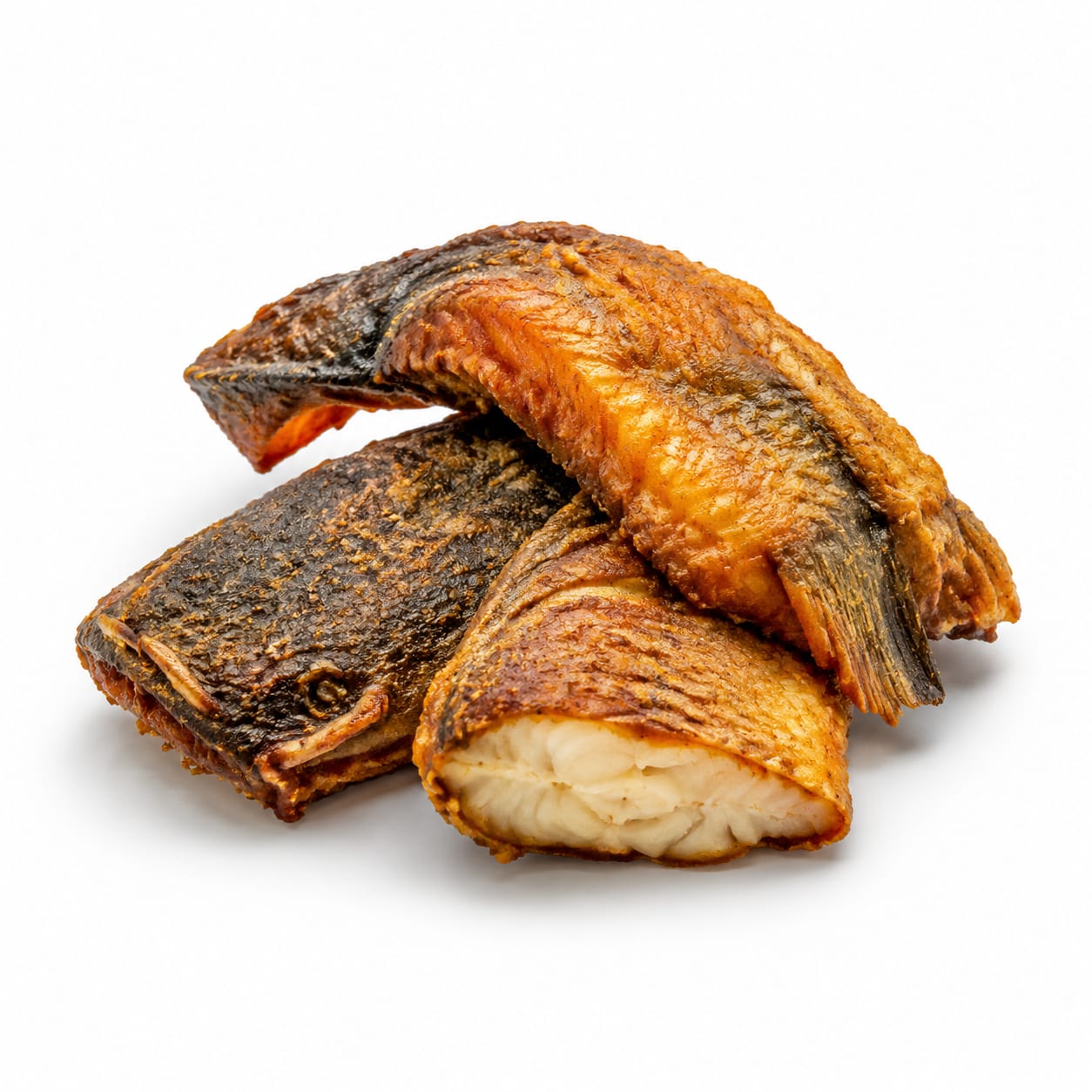
Catfish
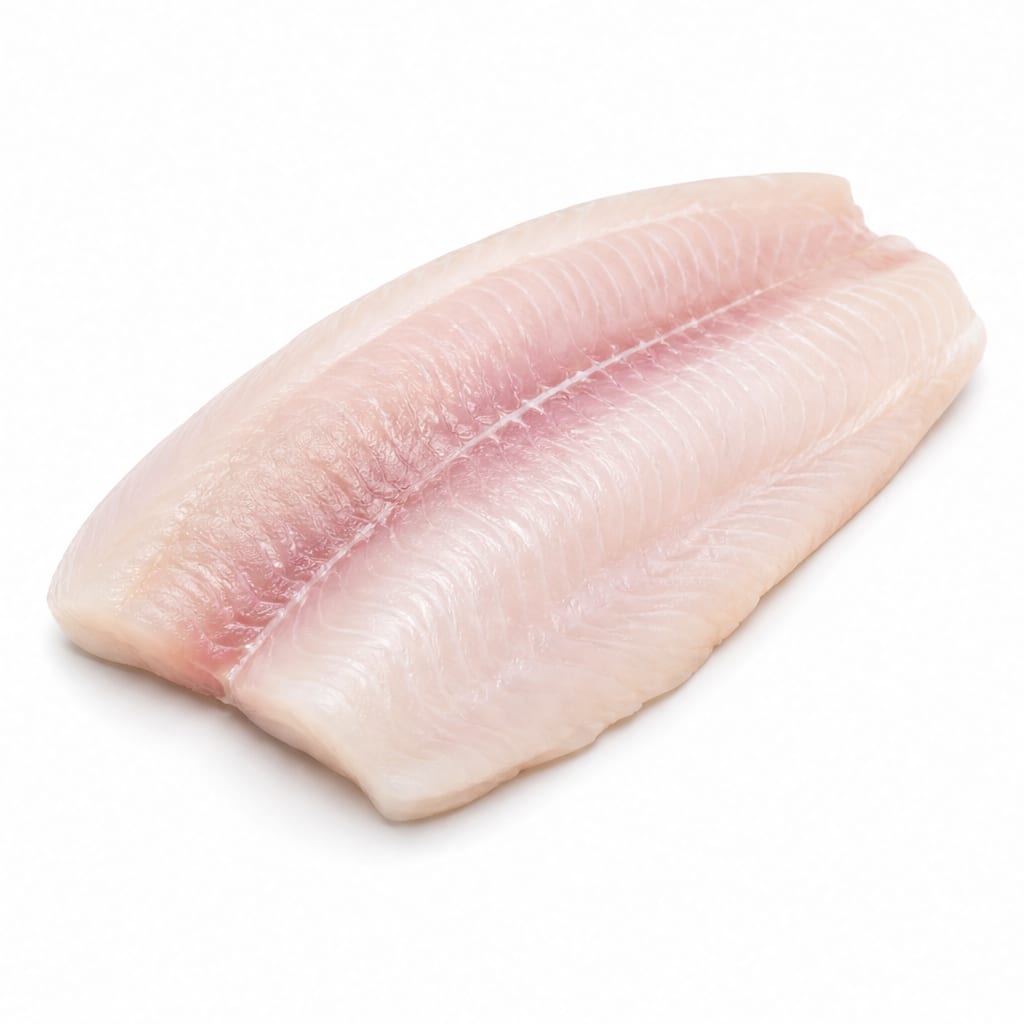
Swai
Catfish wins on nutrition and safety. Swai wins on price. The gap in regulatory oversight makes this a meaningful health decision, not just a taste preference.
Catfish scores significantly higher due to stronger nutritional profile and much better safety oversight. Swai is not worthless but carries meaningful risk that pulls its score down.
You pay more for Catfish but get stricter safety standards and better nutrition. Swai saves money but carries higher contamination risk.
At a glance
Executive summary
Overall
Catfish
Healthier
Catfish
More practical
Swai
Daily use
Catfish
Key comparison lenses
safety and contamination
Swai is imported from Vietnam with looser farming regulations, raising concerns about antibiotics, water quality, and heavy metals
regulatory oversight
US farm-raised catfish is USDA-inspected; Swai faces far less rigorous oversight
nutritional value
Both are lean white fish but differ meaningfully in protein density and omega-3 content
value and budget
Swai is dramatically cheaper, which drives many purchasing decisions
taste and cooking quality
Texture and flavor differ enough to influence meal satisfaction
Best choice for
Catfish
- Families wanting safer seafood with reliable oversight
- Anyone prioritizing protein intake and omega-3s
- People who eat fish multiple times per week
- Those concerned about antibiotic residues in food
Swai
- Budget-conscious shoppers needing affordable protein
- Occasional fish eaters who want a cheap option
- Large households feeding many people on a tight budget
- Recipes with heavy seasoning where fish quality matters less
Least suitable for
Catfish
- Very tight food budgets
- Those who dislike stronger fish flavor
Swai
- Pregnant women and young children due to contamination risk
- People eating fish daily who accumulate more exposure
- Anyone avoiding antibiotic residues in food
Deep comparison
Dimension by dimension
Each lens scores both foods and breaks down who each option suits.
- Dimension 1 · Priority 95Catfish
safety_and_contamination
Catfish · 85Swai · 40US farm-raised catfish is one of the most regulated fish you can buy. Swai farming in Vietnam operates under far looser standards.
Tradeoff
Cheaper Swai means accepting unknowns about water quality, antibiotic use, and testing rigor.
Why it matters
Contaminants accumulate over time. Even low levels matter if you eat fish regularly.
Real-world impact
A family eating Swai weekly gets more cumulative exposure than someone having it occasionally. The risk compounds.
Catfish
- Pregnant women needing safe seafood
- Children with developing systems
- Regular fish consumers
Better for
- No real safety downside beyond typical fish mercury awareness
Worse for
Swai
- Rare occasions where single exposure risk is minimal
Better for
- Antibiotic residue exposure
- Potential heavy metal contamination from farming water
- Inconsistent testing before export
Worse for
- Dimension 2 · Priority 80Catfish
protein_and_nutrition
Catfish · 78Swai · 62Catfish delivers more protein per serving and notably more omega-3 fatty acids. Swai is leaner but less nutrient-dense.
Tradeoff
Swai has slightly fewer calories but you sacrifice protein quality and healthy fats.
Why it matters
Higher protein means more satiety and better muscle maintenance. Omega-3s support heart and brain health.
Real-world impact
A Catfish dinner keeps you fuller longer. Swai might leave you snacking an hour later.
Catfish
- Athletes and active people needing protein
- Anyone wanting omega-3 benefits from fish
- Those using fish as a main protein source
Better for
- Slightly higher in calories and fat than Swai
Worse for
Swai
- Strict calorie counters who prioritize low calories over nutrient density
Better for
- Lower protein means less satiety
- Minimal omega-3 content reduces heart health benefit
Worse for
- Dimension 3 · Priority 75Swai
affordability_and_access
Catfish · 50Swai · 90Swai is one of the cheapest fish available. Catfish costs roughly double per pound in most markets.
Tradeoff
Budget relief comes with the safety and nutrition compromises already covered.
Why it matters
For many households, affordability determines whether fish appears on the table at all.
Real-world impact
Swai lets a family of four eat fish for under $10. Catfish might push that toward $18-20.
Catfish
- Those who can afford to prioritize quality over price
Better for
- Cost can be prohibitive for weekly consumption
Worse for
Swai
- Large families on tight budgets
- Anyone who otherwise would not eat fish at all
- College students and young adults meal prepping cheaply
Better for
- Low price reflects lower production standards
Worse for
- Dimension 4 · Priority 55It depends
taste_and_texture
Catfish · 72Swai · 65Catfish has a firmer texture and more distinct flavor. Swai is softer and milder, which some prefer and others find bland.
Tradeoff
Catfish tastes like something. Swai disappears into sauces but lacks character on its own.
Why it matters
Enjoyment drives whether you keep eating fish long-term.
Real-world impact
Fried Catfish is a Southern classic for a reason. Swai works better in a curry where the sauce carries the dish.
Catfish
- Southern-style frying and blackening
- Dishes where fish should stand out
- People who enjoy distinct fish flavor
Better for
- Can taste muddy if not cleaned properly
Worse for
Swai
- Mild-flavored fish tacos
- Curries and heavily seasoned dishes
- Picky eaters who dislike fishy taste
Better for
- Can feel mushy and uninspiring
- Falls apart easily in cooking
Worse for
- Dimension 5 · Priority 65Catfish
environmental_sustainability
Catfish · 70Swai · 45US catfish farming has better environmental controls and land management. Swai farming in Vietnam has documented issues with water pollution and habitat disruption.
Tradeoff
Importing Swai also adds transportation emissions, though the farming itself is the bigger concern.
Why it matters
Unsustainable farming eventually collapses, affecting future supply and local ecosystems.
Real-world impact
Choosing US-farmed catfish supports more responsible aquaculture. Swai demand incentivizes cheaper, less careful practices.
Catfish
- Environmentally conscious consumers
- Those wanting to support domestic agriculture
Better for
- Still a farmed fish with some environmental footprint
Worse for
Swai
- Not clearly better on any environmental metric
Better for
- Documented waterway pollution near farms
- Long shipping distance from Southeast Asia
- Less transparent supply chain
Worse for
Timeline
Health impact over time
Short-term
Hours to days
Catfish
- Solid protein keeps you satisfied for hours
- Omega-3s support steady energy without crashes
- Heavier meal feel may not suit light lunch preferences
Swai
- Lighter calorie load feels less heavy after eating
- Lower protein may trigger hunger sooner
- Minimal omega-3 means less anti-inflammatory benefit in the moment
Long-term
Months to years
Catfish
- Regular omega-3 intake supports heart and brain health over years
- Consistent protein helps maintain muscle as you age
- Low contamination risk makes frequent consumption safer
Swai
- Cumulative antibiotic residue exposure is a real but hard-to-quantify concern
- Lower nutrient density means you get less health benefit per meal over time
- Possible heavy metal accumulation with very frequent consumption
Risk profile
Safety & processing
Both are sold as fresh or frozen fillets with minimal processing. However, Swai is more likely to be treated with sodium tripolyphosphate to retain water weight, which adds sodium and alters texture. Catfish is less commonly treated this way.
Catfish
Mercury exposure
lowFarm-raised catfish consistently tests low in mercury. Safe for regular consumption including pregnant women in moderation.
Sporadic bacterial contamination
lowUSDA inspection of domestic catfish reduces this risk significantly compared to imported fish.
Swai
Antibiotic residues
mediumVietnamese fish farms have documented use of antibiotics banned in US aquaculture. Residue testing at import is inconsistent.
Heavy metal contamination
mediumMekong River water quality varies. Some Swai samples have shown elevated levels of lead and other metals.
Mislabeling and fraud
mediumSwai is sometimes sold as catfish, basa, or simply 'white fish.' You may not always know what you are getting.
Microbial contamination
lowLess rigorous inspection means slightly higher chance of spoilage or bacterial issues, though cooking eliminates most risk.
Who wins for whom
Audience fit
Same foods, different winners depending on your goal.
children
CatfishLower contamination risk is especially important for developing bodies. The safety gap here is the deciding factor.
daily consumption
CatfishFrequent consumption amplifies safety concerns. Catfish holds up better as a regular protein source.
diabetes
CatfishBoth are low-carb, but Catfish's higher protein and omega-3 content supports better blood sugar stability and reduced inflammation.
elderly
CatfishOmega-3s support cognitive and joint health. Lower contamination risk matters more as the body becomes less resilient.
muscle gain
CatfishMore protein per serving and better amino acid profile support muscle repair and growth more effectively.
weight loss
CatfishHigher protein keeps you fuller on similar calories, making it easier to stick with a calorie deficit without snacking.
Your move
Decision guide
Choose Catfish
- You eat fish more than once a week
- You are pregnant, nursing, or feeding young children
- You want the most nutritional return per dollar even if the dollar amount is higher
- Safety and regulatory oversight matter to you
- You enjoy a fish with real flavor and firm texture
Choose Swai
- Your food budget is very tight and fish would otherwise not be an option
- You only eat fish occasionally and want something cheap
- You are making a heavily sauced dish where fish quality is backgrounded
- You prefer very mild fish with soft texture
Either works if
- You want a lean protein for a salad or grain bowl
- You are doing a fish fry and plan to eat it immediately
- You are rotating protein sources and neither will dominate your diet
Avoid both if
- You have a fish allergy
- You are strictly avoiding all farmed seafood
- You are looking for high omega-3 fish like salmon or sardines instead
Final recommendation
If you can afford Catfish, choose it. The safety and nutrition gap is real, not theoretical. If Swai is all your budget allows, eat it occasionally rather than weekly, cook it thoroughly, and source from reputable brands. The cheapest fish is not always the best value when you factor in what you are really swallowing.
Practical
Consumer tips
- 1
Look for 'US Farm-Raised Catfish' labeling specifically. Imported catfish does not carry the same regulatory protections.
- 2
If buying Swai, choose brands that disclose third-party testing for antibiotics and heavy metals.
- 3
Avoid Swai fillets that appear overly white or plump, which may indicate phosphate treatment.
- 4
Freezing does not eliminate antibiotic residues or heavy metals. Only cooking addresses microbial risk.
- 5
Catfish from the Southern US is typically the freshest domestic option due to proximity to farms.
- 6
If your Swai tastes oddly soapy or metallic, discard it. This can indicate water quality issues.
- 7
Consider alternating between Catfish and other affordable safe fish like tilapia or canned sardines for variety.