
Nutrition comparison
Catfish vs Tuna: Mercury, Omega-3s, and Which Fish Is Safer to Eat Regularly
Compare catfish and tuna on mercury safety, omega-3 content, protein density, and daily consumption suitability. Find out which fish fits your health goals and how often you can safely eat each.
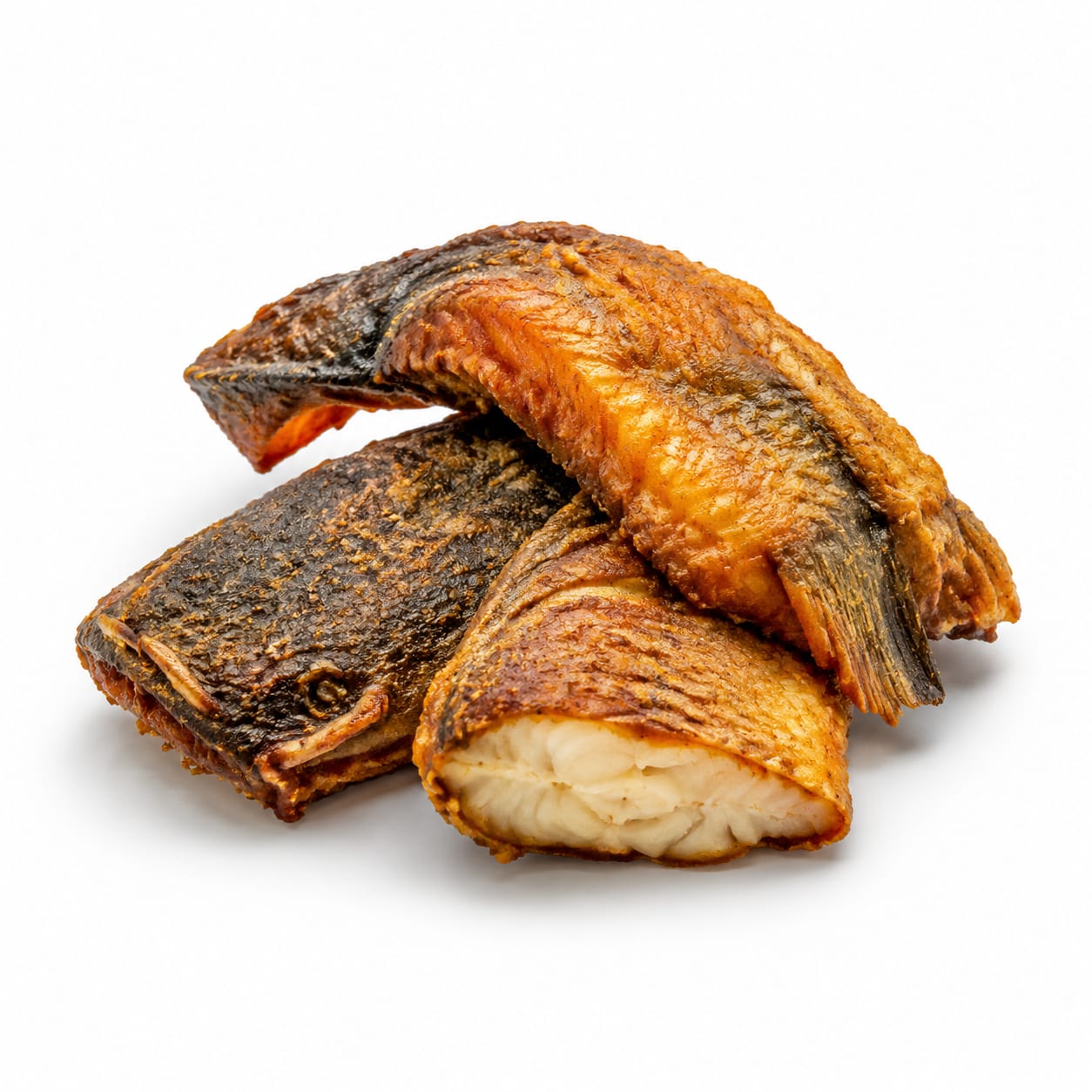
Catfish
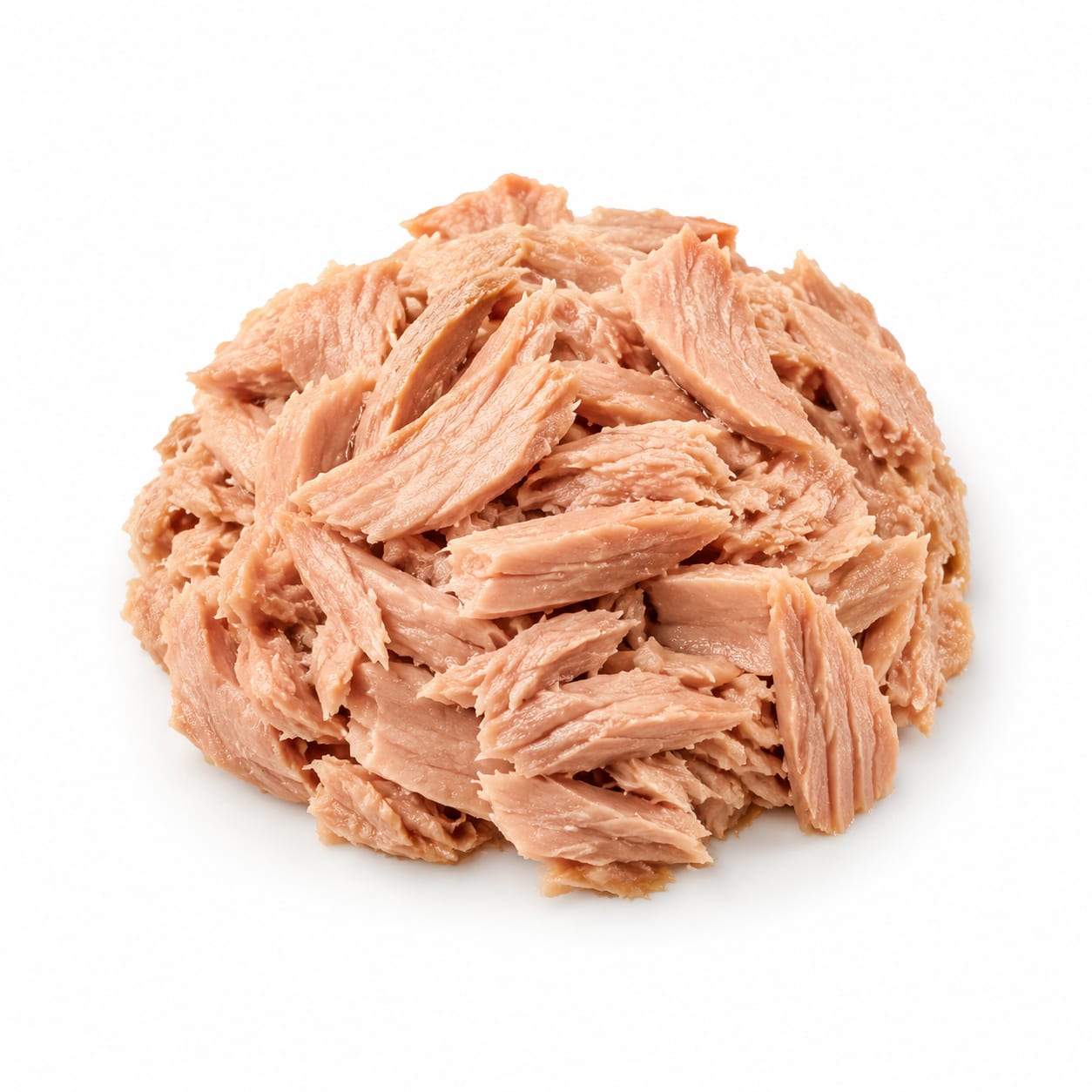
Tuna
Tuna wins on nutrition but catfish wins on safety for frequent eating. Your choice hinges on how often you eat fish and whether mercury risk matters for you.
Tuna scores higher nutritionally but loses ground on safety for frequent consumption. Catfish is the safer everyday choice but nutritionally weaker. The 6-point gap reflects tuna's stronger nutrient profile being partially offset by mercury risk.
Tuna delivers superior omega-3s and protein density, but catfish lets you eat fish more often without worrying about mercury buildup.
At a glance
Executive summary
Overall
It depends
Healthier
Tuna
More practical
Tuna
Daily use
Catfish
Key comparison lenses
mercury exposure and safe consumption frequency
Tuna's mercury content is the single biggest differentiator and safety concern driving this comparison
omega-3 and heart health benefits
Tuna delivers significantly more EPA/DHA, making it the clear cardiovascular choice
protein density for muscle and satiety
Both are protein-rich but tuna offers more protein per calorie, appealing to fitness-focused users
everyday meal versatility and convenience
Canned tuna is a pantry staple while catfish requires cooking, shaping practical daily use
farming vs wild catch sustainability and contamination
Catfish is mostly farmed with antibiotic concerns; tuna faces overfishing and heavy metal accumulation
Best choice for
Catfish
- Pregnant women and children who need low-mercury fish
- People eating fish 4+ times per week
- Budget-conscious families wanting affordable protein
- Anyone concerned about heavy metal accumulation
Tuna
- Athletes and lifters maximizing protein per calorie
- People eating fish 1-2 times per week for omega-3s
- Heart health-focused individuals needing EPA/DHA
- Anyone wanting convenient pantry-ready protein
Least suitable for
Catfish
- Those seeking maximum omega-3 intake
- People wanting lean, low-fat protein sources
- Anyone needing shelf-stable quick meal options
Tuna
- Pregnant or breastfeeding women (especially albacore)
- Young children with developing nervous systems
- People already eating high-mercury fish regularly
Deep comparison
Dimension by dimension
Each lens scores both foods and breaks down who each option suits.
- Dimension 1 · Priority 95Catfish
Mercury and Heavy Metal Safety
Catfish · 88Tuna · 42Catfish has dramatically lower mercury levels, making it safe for frequent consumption. Tuna, especially albacore, accumulates significant mercury that limits safe intake.
Tradeoff
You gain nutritional superiority with tuna but accept a real ceiling on how often you can safely eat it.
Why it matters
Mercury accumulates over time and can impair neurological function, especially in developing brains and frequent fish eaters.
Real-world impact
A person eating canned tuna daily could exceed safe mercury limits within weeks. Catfish can be eaten multiple times weekly without this concern.
Catfish
- Pregnant women
- Children under 12
- Anyone eating fish 3+ times weekly
Better for
- No significant safety downside for catfish
Worse for
Tuna
- Adults eating fish occasionally
- Those prioritizing nutrient density over frequency
Better for
- Pregnant and breastfeeding women
- Toddlers and young children
- People with multiple high-mercury fish in their diet
Worse for
- Dimension 2 · Priority 90Tuna
Omega-3 Fatty Acid Content
Catfish · 35Tuna · 89Tuna is a potent source of EPA and DHA omega-3s. Catfish contains far less, delivering modest anti-inflammatory benefits at best.
Tradeoff
If heart health and inflammation reduction are your priority, tuna is clearly superior. But you must balance that against mercury exposure.
Why it matters
EPA and DHA omega-3s reduce triglycerides, lower blood pressure, and fight systemic inflammation. Catfish simply cannot match this benefit.
Real-world impact
Two servings of tuna per week meaningfully moves the needle on omega-3 status. Catfish would require far more servings to achieve similar levels.
Catfish
- People already supplementing with fish oil
Better for
- Relying on catfish alone for omega-3s is insufficient
Worse for
Tuna
- Those not taking omega-3 supplements
- People with elevated triglycerides
- Anyone fighting chronic inflammation
Better for
- Cannot eat enough tuna to maximize omega-3s due to mercury
Worse for
- Dimension 3 · Priority 82Tuna
Protein Quality and Density
Catfish · 62Tuna · 91Tuna delivers more protein per calorie with a leaner profile. Catfish provides solid protein but with more fat and fewer grams per serving.
Tradeoff
Tuna is the efficient choice for muscle and satiety. Catfish fills you up but with less protein efficiency.
Why it matters
Higher protein density means better muscle maintenance, more satiety per bite, and easier calorie control.
Real-world impact
A can of tuna gives you roughly 20g protein for 90 calories. Catfish delivers similar protein but at nearly double the calories due to higher fat content.
Catfish
- Those wanting more satisfying, filling meals
Better for
- Strict calorie counters wanting maximum protein
Worse for
Tuna
- Athletes tracking macros carefully
- Anyone cutting calories while preserving muscle
- Post-workout recovery meals
Better for
- People finding very lean fish unsatisfying
Worse for
- Dimension 4 · Priority 75Tuna
Convenience and Meal Versatility
Catfish · 45Tuna · 85Canned tuna is a ready-to-eat pantry staple. Catfish requires refrigeration, preparation, and cooking time.
Tradeoff
Tuna fits into quick meals, lunches, and travel. Catfish demands more effort but rewards with a heartier eating experience.
Why it matters
The best protein source is the one you actually use. Convenience often determines what reaches your plate.
Real-world impact
Tuna salad takes 3 minutes. Catfish requires thawing, seasoning, and at least 15 minutes of cooking. That gap matters on busy weeknights.
Catfish
- Weekend meals with more prep time
- Southern-style comfort food cooking
Better for
- Busy professionals with limited cooking time
- Anyone without reliable refrigeration
Worse for
Tuna
- Quick work lunches
- Travel and dorm room meals
- Emergency pantry protein
- No-cook meal assembly
Better for
- People tired of canned fish textures
Worse for
- Dimension 5 · Priority 68Catfish
Cost and Accessibility
Catfish · 82Tuna · 65Farmed catfish is one of the most affordable fish options available. Canned tuna is cheap but fresh tuna is expensive.
Tradeoff
Catfish gives you consistent low pricing. Canned tuna is budget-friendly but fresh tuna steaks are a luxury item.
Why it matters
Sustainable protein choices must fit your grocery budget long-term.
Real-world impact
Catfish fillets typically cost $4-7 per pound. Canned tuna runs $1-3 per can but fresh tuna can exceed $20 per pound.
Catfish
- Families feeding multiple people affordably
- Consistent weekly meal planning on a budget
Better for
- Not available in all regions equally
Worse for
Tuna
- Canned tuna for single-serving budget meals
Better for
- Fresh tuna is prohibitively expensive for regular use
Worse for
- Dimension 6 · Priority 72Tuna
Vitamin and Mineral Profile
Catfish · 55Tuna · 84Tuna is richer in vitamin D, B12, selenium, and niacin. Catfish provides decent B12 and selenium but falls short on vitamin D.
Tradeoff
Tuna functions almost like a supplement for B12 and selenium. Catfish covers basics but does not stand out micronutrient-wise.
Why it matters
Vitamin D and B12 deficiencies are common. Tuna meaningfully helps close those gaps.
Real-world impact
One serving of tuna can provide over 100% of daily B12 needs. Catfish covers about half that.
Catfish
- Those getting vitamin D from other sources
Better for
- Reliance on catfish alone leaves vitamin D gaps
Worse for
Tuna
- Older adults at risk for B12 deficiency
- People with limited sun exposure needing vitamin D
- Anyone wanting selenium's antioxidant protection
Better for
- Selenium toxicity risk if eating tuna extremely frequently
Worse for
Timeline
Health impact over time
Short-term
Hours to days
Catfish
- Hearty, filling meal that satisfies hunger for hours
- Milder flavor makes it approachable for fish-averse eaters
- Higher fat content provides steadier post-meal energy
Tuna
- Lean protein creates strong satiety without heaviness
- Quick-digesting protein ideal for post-workout recovery
- Canned versions may cause bloating due to sodium content
Long-term
Months to years
Catfish
- Safe for frequent consumption without mercury accumulation
- Moderate omega-3 intake provides some cardiovascular benefit
- Farmed varieties may expose you to antibiotic residues if sourcing is poor
Tuna
- Regular consumption above guidelines risks mercury buildup affecting memory and focus
- Strong omega-3 intake supports heart and brain health when consumed at safe frequencies
- Selenium from tuna may offer thyroid and immune support long-term
Risk profile
Safety & processing
Fresh catfish fillets are typically sold with minimal processing. Canned tuna undergoes cooking, canning, and often added salt or oil, making it more processed. Fresh tuna steaks are comparable to catfish in naturalness but are less commonly purchased due to cost.
Catfish
Antibiotic residues in farmed catfish
mediumUS-farmed catfish is regulated, but imported catfish from Vietnam and other regions may have looser antibiotic standards. Always check country of origin.
Environmental contaminants in bottom-feeding
lowCatfish are bottom feeders but farmed varieties have controlled diets that minimize this concern compared to wild-caught.
Tuna
Mercury accumulation
highAlbacore tuna contains roughly 3x more mercury than light canned tuna. Bigeye and yellowfin are even higher. Frequent consumption poses real neurological risk.
BPA from can linings
mediumMany canned tuna brands still use BPA in can linings. Look for BPA-free labeled brands to reduce endocrine disruption risk.
Scombroid poisoning from improperly stored fresh tuna
lowIf fresh tuna is not kept cold enough, histamine can build up causing allergic-type reactions. This is rare with reputable suppliers.
Who wins for whom
Audience fit
Same foods, different winners depending on your goal.
children
CatfishLower mercury makes catfish significantly safer for developing nervous systems. Children should strictly limit tuna intake.
daily consumption
CatfishCatfish can safely be eaten multiple times per week. Tuna should be limited to 2-3 servings maximum depending on the variety.
diabetes
TunaTuna has virtually zero carbohydrates and more protein, creating better blood sugar stability. However, both are solid choices for diabetic diets.
elderly
It dependsTuna provides crucial B12 and vitamin D that seniors often lack, but mercury sensitivity increases with age. Two servings weekly of light canned tuna balances both concerns.
muscle gain
TunaMore protein per calorie and superior amino acid profile support muscle protein synthesis more efficiently.
weight loss
TunaTuna's higher protein density and lower calorie count make it more effective for calorie-controlled diets, assuming you stick to safe serving limits.
Your move
Decision guide
Choose Catfish
- You are pregnant, breastfeeding, or feeding young children
- You eat fish more than twice per week
- You want a safer everyday protein without tracking mercury intake
- You prefer milder, less fishy flavors
- You cook Southern-style meals regularly
Choose Tuna
- You eat fish only 1-2 times per week and want maximum nutritional impact
- Heart health and omega-3 intake are top priorities
- You need convenient no-cook protein for lunches
- You are an athlete tracking protein per calorie
- You want affordable shelf-stable emergency protein
Either works if
- You rotate fish types throughout the week anyway
- You are a healthy adult with no special mercury sensitivity
- You enjoy both and want dietary variety
Avoid both if
- You have a fish or seafood allergy
- You are vegan or vegetarian
- You have gout and are sensitive to purine-rich foods
Final recommendation
Eat both strategically. Use tuna 1-2 times weekly for omega-3s and protein density, and fill remaining fish meals with catfish for safe variety. This combination gives you tuna's nutritional advantages without crossing mercury thresholds. If you must pick only one, catfish is the safer long-term daily choice, while tuna is the stronger occasional one.
Practical
Consumer tips
- 1
Choose light canned tuna over albacore to cut mercury by roughly two-thirds
- 2
Look for US-farmed catfish to ensure stricter antibiotic and feed regulations
- 3
Buy BPA-free canned tuna brands to reduce endocrine disruptor exposure
- 4
Pair catfish with omega-3-rich sides like walnuts or flaxseed to compensate for its lower EPA/DHA content
- 5
Freeze fresh tuna immediately if not cooking within a day to prevent histamine buildup
- 6
Check country of origin labels on catfish — imported varieties may have weaker safety standards
- 7
Rinse canned tuna to remove roughly 20-30% of added sodium
- 8
Alternate between catfish and tuna weekly rather than eating only one type