
Nutrition comparison
Catfish vs Chicken Breast: Nutrition, Protein & Health Comparison
Comparing Catfish and Chicken Breast? Discover which protein is better for weight loss, muscle gain, and overall health, plus the hidden risks of farmed fish.
Overall winner · Chicken Breast
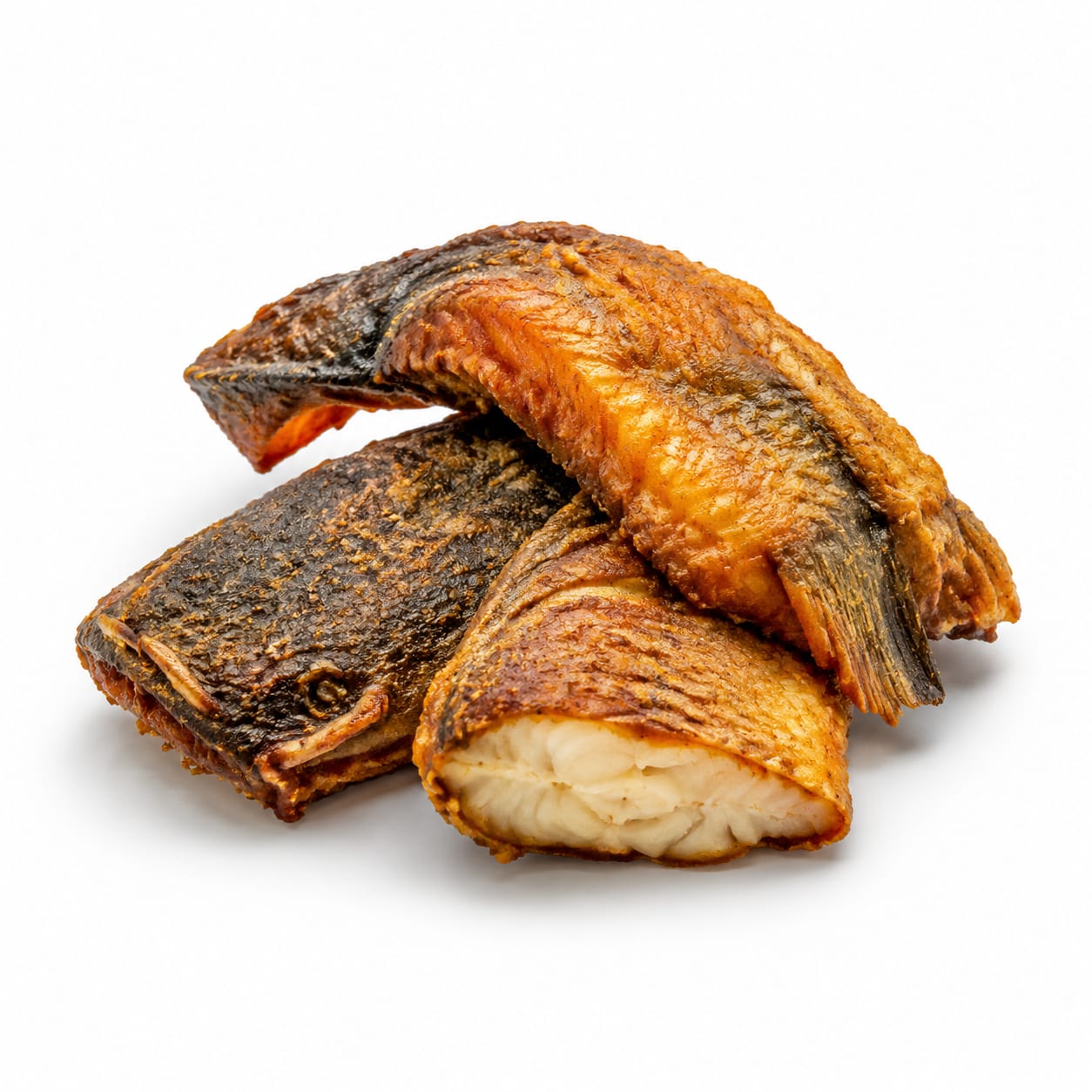
Catfish
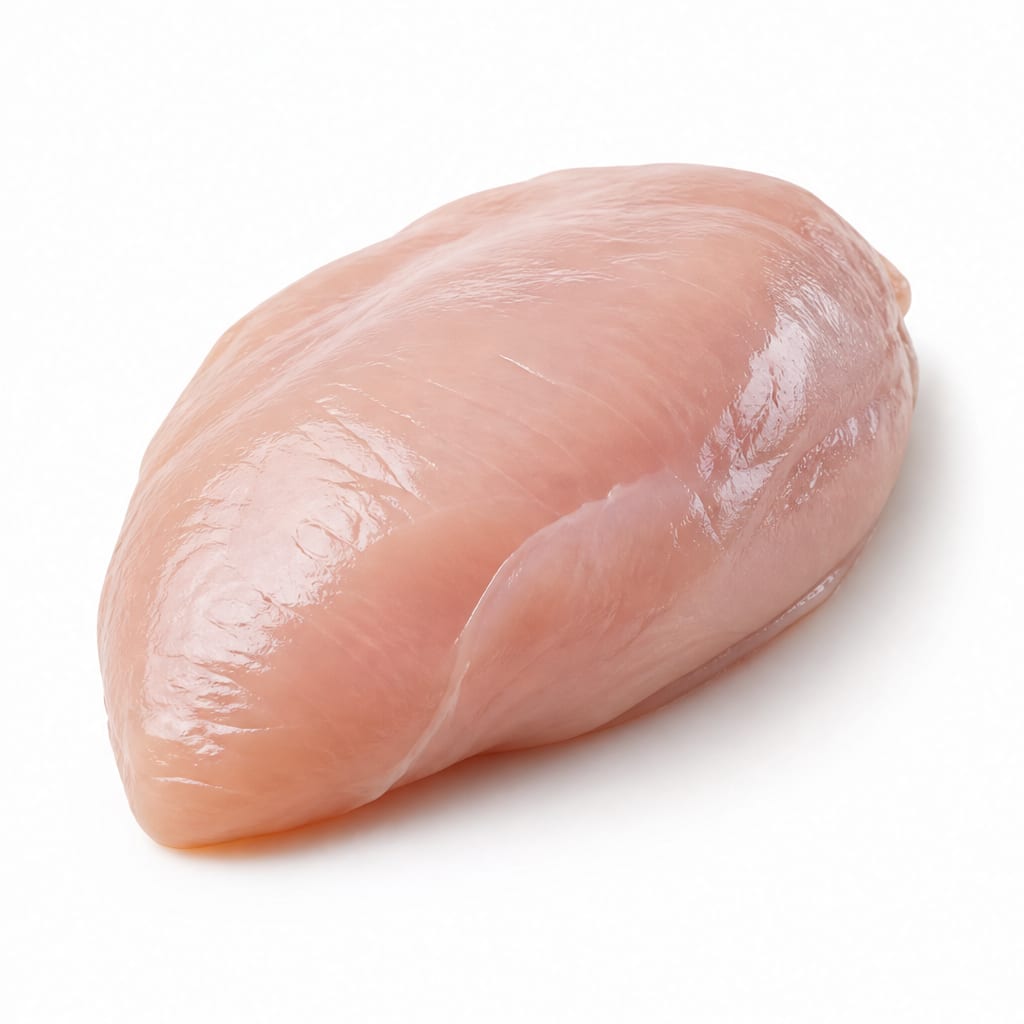
Chicken Breast
Chicken Breast wins for pure lean protein and calorie efficiency, making it the safer daily driver. Catfish offers a flavorful, comforting alternative with beneficial fats, but its nutritional value heavily depends on how it's cooked and where it's sourced.
Chicken Breast scores significantly higher due to its unmatched protein-to-calorie ratio and universal meal-prep utility. Catfish lags slightly because its healthfulness is heavily compromised by common frying preparations and farmed feed quality issues.
Maximum protein and minimal fat versus more flavor and healthy fats with a higher calorie and contaminant risk.
At a glance
Executive summary
Overall
Chicken Breast
Healthier
Chicken Breast
More practical
Chicken Breast
Daily use
Chicken Breast
Key comparison lenses
lean protein sourcing for muscle gain or weight loss
Chicken breast is the gold standard for lean protein, while Catfish offers a different macronutrient profile with higher fat content.
fat quality and omega-3 vs omega-6 balance
Catfish provides marine fats but farmed varieties are often high in omega-6, whereas Chicken Breast is nearly fat-free.
contaminant and farming practice safety
Both are heavily farmed, raising questions about antibiotics in poultry and waterborne pollutants or feed quality in Catfish.
culinary versatility and meal prep practicality
Chicken breast adapts to nearly any cuisine, while Catfish is more niche and often prepared in less healthy ways like frying.
Best choice for
Catfish
- Those seeking marine omega-3s who find salmon too expensive
- Pescatarians wanting a hearty, meaty fish
- Southern cuisine enthusiasts who bake or grill instead of fry
Chicken Breast
- Bodybuilders and athletes needing high protein with minimal calories
- Anyone on a strict calorie deficit or weight loss plan
- Meal preppers needing a neutral, versatile protein base
Least suitable for
Catfish
- People strictly monitoring their omega-6 to omega-3 ratio
- Those avoiding farmed seafood due to pollutant concerns
- Anyone looking for ultra-lean protein for a competition cut
Chicken Breast
- Pescatarians and those avoiding land-based meats
- People tired of dry, lean meats who struggle with diet adherence
- Those looking to increase dietary fat intake naturally
Deep comparison
Dimension by dimension
Each lens scores both foods and breaks down who each option suits.
- Dimension 1 · Priority 95Chicken Breast
Protein Density & Quality
Catfish · 70Chicken Breast · 98Chicken Breast is the undisputed champion of lean protein, delivering far more protein per calorie than Catfish.
Tradeoff
You get a richer, more satisfying mouthfeel from Catfish's fat, but you sacrifice the pure protein efficiency that Chicken Breast provides.
Why it matters
Higher protein density means you can build and repair muscle while staying in a calorie deficit much more easily.
Real-world impact
Eating Chicken Breast after a workout gives your muscles exactly what they need without filling your daily calorie budget. Catfish leaves less room for carbs or sides.
Catfish
- Those who struggle to eat enough overall calories
- People wanting a more satisfying, fat-containing protein
Better for
- Competitive bodybuilders in a cutting phase
- People who want maximum protein with minimal calories
Worse for
Chicken Breast
- Weightlifters hitting high protein targets
- Anyone tracking macros strictly
Better for
- Those who find lean meats too dry or unappetizing
- People needing higher fat intake for satiety
Worse for
- Dimension 2 · Priority 85It depends
Fat Profile & Omega Balance
Catfish · 65Chicken Breast · 75Catfish contains actual omega-3s, but farmed varieties are disproportionately high in omega-6s. Chicken Breast has almost no fat, giving you total control over your added cooking fats.
Tradeoff
Catfish offers built-in marine fats, but they might be the wrong kind if farmed. Chicken Breast requires you to add your own fat, but you can choose high-quality sources like olive oil.
Why it matters
An imbalanced omega-6 to omega-3 ratio can promote inflammation, counteracting the benefits of eating fish.
Real-world impact
Grilling Catfish sounds healthy, but if it's farm-raised, you might be getting more inflammatory fats than anti-inflammatory ones. Cooking Chicken Breast in avocado oil guarantees a healthy fat profile.
Catfish
- Those eating wild-caught Catfish for genuine omega-3 benefits
- People avoiding added cooking fats
Better for
- Those fighting systemic inflammation from poor omega ratios
- Consumers buying cheap, imported farmed Catfish
Worse for
Chicken Breast
- Anyone wanting strict control over their fat sources
- People reducing overall dietary fat
Better for
- People on keto or high-fat diets who need fat-sourced energy
Worse for
- Dimension 3 · Priority 80It depends
Contaminant & Sourcing Safety
Catfish · 60Chicken Breast · 72Both carry farming risks, but Catfish bottom-feeding habits and aquatic environments make them more susceptible to persistent pollutants if not strictly regulated.
Tradeoff
Chicken has risks with antibiotic resistance and salmonella, but poultry farming standards are heavily monitored. Catfish safety varies wildly between US farm-raised and imported varieties.
Why it matters
Long-term exposure to heavy metals, PCBs, or antibiotic residues undermines the health benefits of eating whole proteins.
Real-world impact
Buying US farm-raised Catfish ensures a cleaner product, but grabbing whatever is on sale could mean exposure to unsafe water contaminants. Chicken is generally more consistent regardless of the brand.
Catfish
- Consumers with reliable access to wild-caught or certified US farm-raised Catfish
Better for
- Budget shoppers buying unverified imported Catfish
- People highly concerned about aquatic pollutants
Worse for
Chicken Breast
- Shoppers wanting consistent, heavily regulated protein safety
- Those concerned about waterborne microplastics and heavy metals
Better for
- Those avoiding poultry due to antibiotic resistance concerns
Worse for
- Dimension 4 · Priority 75Chicken Breast
Culinary Versatility & Meal Prep
Catfish · 55Chicken Breast · 95Chicken Breast takes on any flavor profile and fits into nearly any global cuisine. Catfish is niche and often demands heavy breading or frying to mask its muddy flavor.
Tradeoff
Catfish delivers a unique, comforting taste when you want Southern-style cooking, but Chicken Breast is the blank canvas you can eat five days a week without getting bored.
Why it matters
If a food is hard to cook healthily or fit into varied meals, you're less likely to stick with your diet.
Real-world impact
You can bake, grill, shred, or stir-fry Chicken Breast for a quick weeknight dinner. Catfish usually requires a specific recipe to taste good, making it a harder staple for busy lifestyles.
Catfish
- Weekend cooks preparing a specific seafood meal
- Fans of bold, regional flavors like blackened Cajun fish
Better for
- People who lack time for specialized cooking
- Those who only like fish if it's fried
Worse for
Chicken Breast
- Busy professionals doing Sunday meal prep
- Households needing one protein for multiple different meals
Better for
- Pescatarians
- Those who experience palate fatigue from eating the same protein daily
Worse for
Timeline
Health impact over time
Short-term
Hours to days
Catfish
- Provides a heavier, more satisfying meal due to higher fat content
- Can cause sluggishness if heavily fried or breaded
Chicken Breast
- Delivers clean, light energy without a heavy digestive load
- May leave you hungry quickly if not paired with a healthy fat or fiber source
Long-term
Months to years
Catfish
- Wild-caught varieties support heart health and brain function via omega-3s
- Farmed varieties may contribute to chronic inflammation if high in omega-6s
Chicken Breast
- Consistently supports lean muscle mass preservation and a healthy metabolism
- Overconsumption without dietary variety might lead to nutrient gaps found in seafood
Risk profile
Safety & processing
Both Catfish and Chicken Breast are whole, minimally processed proteins in their raw form. The real concern isn't processing, but rather the farming practices and what the animals were fed or exposed to before reaching your plate.
Catfish
PCBs and Heavy Metals
mediumFarmed Catfish can accumulate industrial pollutants and heavy metals from water and feed, though US regulations keep this relatively low. Imported varieties are riskier.
Antibiotic Residues
mediumImported Catfish farming often uses antibiotics banned in the US, increasing the risk of antibiotic-resistant bacteria.
Chicken Breast
Salmonella and Campylobacter
mediumRaw Chicken Breast requires strict kitchen hygiene to prevent cross-contamination and foodborne illness.
Antibiotic Residues
lowUS poultry production has heavily reduced antibiotic use, though concerns remain for conventional farming.
Who wins for whom
Audience fit
Same foods, different winners depending on your goal.
children
Chicken BreastChicken Breast is easier to chew, safer regarding heavy metal exposure, and less likely to have a strong, off-putting fishy taste for kids.
daily consumption
Chicken BreastChicken Breast is easier to rotate through different recipes and lacks the cumulative contaminant risk of eating fish every single day.
diabetes
Chicken BreastChicken Breast has zero carbohydrates and very low fat, preventing insulin resistance issues linked to high-fat diets.
elderly
Chicken BreastThe ultra-lean profile supports cardiovascular health and is gentle on the digestive system, while being easy to chew for dental issues.
muscle gain
Chicken BreastThe extremely high protein density and complete amino acid profile of Chicken Breast make it the superior choice for muscle repair and growth.
weight loss
Chicken BreastChicken Breast provides maximum protein and satiety for the fewest calories, making it far easier to maintain a deficit.
Your move
Decision guide
Choose Catfish
- You are craving a comforting, flavorful fish dinner and plan to bake or grill it
- You have access to high-quality, US farm-raised or wild-caught Catfish
- You want natural marine fats in your diet but find salmon too expensive
Choose Chicken Breast
- You need a reliable, lean protein for daily meal prep
- You are strictly counting calories or macronutrients for weight loss or muscle gain
- You want a neutral protein that absorbs the flavor of whatever spices or sauces you use
Either works if
- You simply need a whole-food protein source and are willing to adjust your side dishes to balance the meal
- You are eating a varied diet and want to rotate between land and sea proteins
Avoid both if
- You are following a strict vegan or plant-based diet
- You have severe allergies to fish or poultry
Final recommendation
Make Chicken Breast your daily workhorse for its unbeatable lean protein and versatility. Treat Catfish as a flavorful weekly rotation option, but prioritize sourcing US farm-raised or wild-caught, and always bake or grill it instead of frying to keep the health benefits intact.
Practical
Consumer tips
- 1
Always look for 'US Farm-Raised' Catfish to avoid the contaminant and antibiotic risks of imported fish.
- 2
If you find Catfish tastes too muddy, soak it in buttermilk for 30 minutes before cooking to neutralize the flavor.
- 3
Buy organic or antibiotic-free Chicken Breast when possible to reduce exposure to resistant bacteria.
- 4
Do not overcook Chicken Breast; pounding it to an even thickness ensures it cooks uniformly and stays tender.
- 5
Skip the cornmeal breading on Catfish and try blackening seasoning instead for a flavorful, low-calorie crust.