
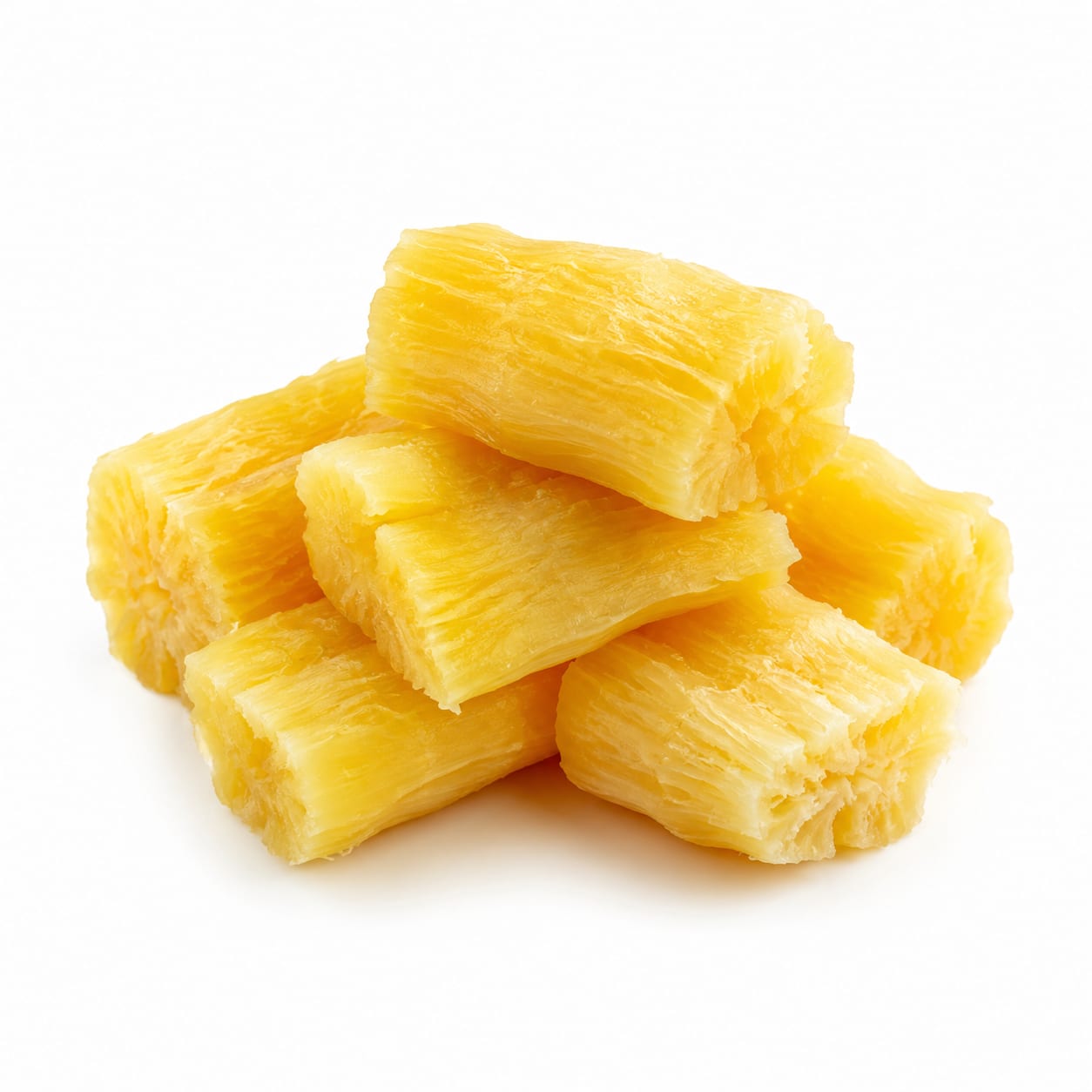
Root Vegetable
Cassava
A starchy tropical root vegetable that serves as a major carbohydrate staple but must be cooked before eating to remove toxins.
A major starchy root crop native to South America, widely cultivated in tropical regions for its dense carbohydrate content. It is a staple food for millions but requires proper preparation to remove naturally occurring toxins.
dense carbohydrate staple root
Typical serving · 100g
Common varieties · bitter cassava, sweet cassava, yuca blanca, yuca amarilla
Overall context score across nutrition, safety, and diet fit
The story
What makes it unique
Cassava is a dense carbohydrate source with rapid digestion once cooked, low protein and fat, and minimal fiber. It contains cyanogenic glycosides which must be deactivated through heat processing. Its macronutrient profile is dominated by starch, providing high energy density but limited micronutrient diversity.
Varieties: bitter cassava · sweet cassava · yuca blanca · yuca amarilla
Per 100g
Nutrition breakdown
Macro balance and key metrics at a glance.
Energy
Density 1.60 kcal/g
Protein
Carbs
Fat
Fiber
Sugar
1.7 g
Sodium
14 mg
Potassium
271 mg
Glycemic index
46
Glycemic load
17
Water content
60%
Standout compounds
Nutrient highlights
Vitamin C
moderateSupports immune function and collagen synthesis
Manganese
moderateEssential for metabolism, bone formation, and antioxidant defense
Resistant Starch
moderateFeeds beneficial gut bacteria and improves insulin sensitivity when cooled after cooking
Carbohydrates
highProvides quick, dense energy for physical activity
Wellness map
Health scores & processing
NOVA processing scale
minimally_processed · Whole food
Raw whole cassava is an unprocessed agricultural commodity, though it requires peeling and thorough cooking to be safe for consumption.
Diet compatibility
- Weight loss
- Muscle gain
- Diabetes
- Gut health
- Low carb
- High protein
- Heart health
Relative standing
Food rankings
Qualitative ranks compared to similar whole foods.
- Satietygood
- Blood sugarpoor
- Nutrient densitypoor
- Fitness fuelexcellent
- Processing qualityexcellent
Eat with confidence
Food safety profile
Raw cassava contains cyanogenic glycosides which convert to cyanide in the body; thorough peeling, soaking, and cooking are essential to detoxify it.
Evidence confidence 95%
- Pesticideslow
- Antibioticslow
- Heavy metalsmoderate
- Contaminationmoderate
Watch for
- cyanogenic glycosides (linamarin)
- aflatoxins (in dried cassava)
Safer choices
Sweet cassava varieties contain lower toxin levels than bitter varieties and are safer for home preparation.
Prep tips
Always peel completely, cut into pieces, boil thoroughly until soft, and discard the cooking water to remove cyanide compounds.
Strict guidelines exist for allowable cyanide levels in commercially sold cassava flour and chips.
Deep dive
Health analysis
How this food may fit different goals and preparation choices.
Weight loss
High energy density and carbohydrate content make it easy to overconsume calories compared to water-rich vegetables.
Blood sugar
High starch load causes a rapid rise in blood glucose; not ideal for glycemic control without pairing with protein or fat.
Fitness & energy
Excellent source of dense, fast-digesting carbohydrates ideal for replenishing glycogen after intense exercise.
Gut health
Low fiber content limits prebiotic benefits, though resistant starch formed upon cooling can support beneficial gut bacteria.
Processing quality
Whole cassava is an unprocessed whole food, though cassava flour and tapioca are highly refined derivatives.
Food safety
Improper preparation can lead to acute cyanide poisoning; thorough boiling or roasting is strictly required.
Common mistakes
Assuming it can be eaten raw like a carrot, or substituting cassava flour 1:1 in recipes without adjusting liquids.
Best preparation
Boiling until fork-tender is the safest and most common method, effectively eliminating toxins while softening the dense starch.
Practical guide
Best use cases
When and how this food fits real eating patterns.
Post-workout recovery
Replenishes muscle glycogen rapidly with dense, fast-digesting carbohydrates.
Gluten-free baking
Cassava flour serves as a neutral-tasting, grain-free base for various recipes.
High-calorie bulking
Provides efficient calorie and carbohydrate intake for weight gain or heavy labor.
Balance sheet
Pros & cons
Upsides
- Excellent source of dense energy for active individuals
- Naturally gluten-free and grain-free
- Contains resistant starch which benefits gut microbiome when cooled
- Versatile for making flours, chips, and traditional dishes
Trade-offs
- Highly toxic if consumed raw or undercooked
- Very high in carbohydrates and calories
- Low in protein and dietary fiber compared to other staples
- Can spike blood sugar levels rapidly
Fit check
Who is it for?
Great match
- post-workout glycogen replenishment
- gluten-free diets
- calorie-dense bulking
- endurance athletes
Consider alternatives
- strict low-carb diets
- blood sugar management
- weight loss diets
- raw food diets
Side by side
How it compares
Open the full head-to-head analysis for nutrition, safety, and practical tradeoffs.
This food
Cassava
VS85% alike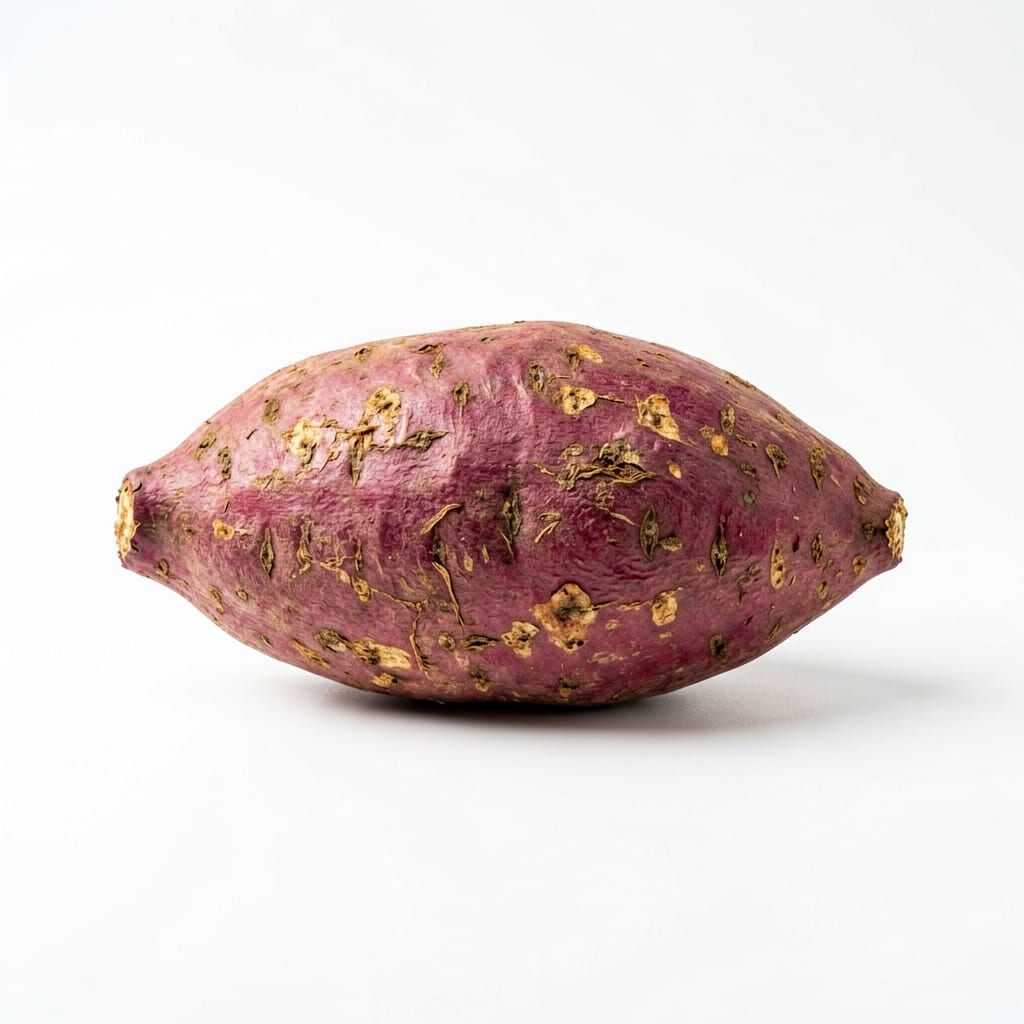
Compare with
Sweet Potato
Sweet potatoes are vastly richer in vitamin A and fiber, while cassava provides denser energy and a milder flavor for gluten-free baking.
Sweet potatoes win for vitamins and fiber, while cassava provides more pure carb energy for heavy workouts.
This food
Cassava
VS90% alike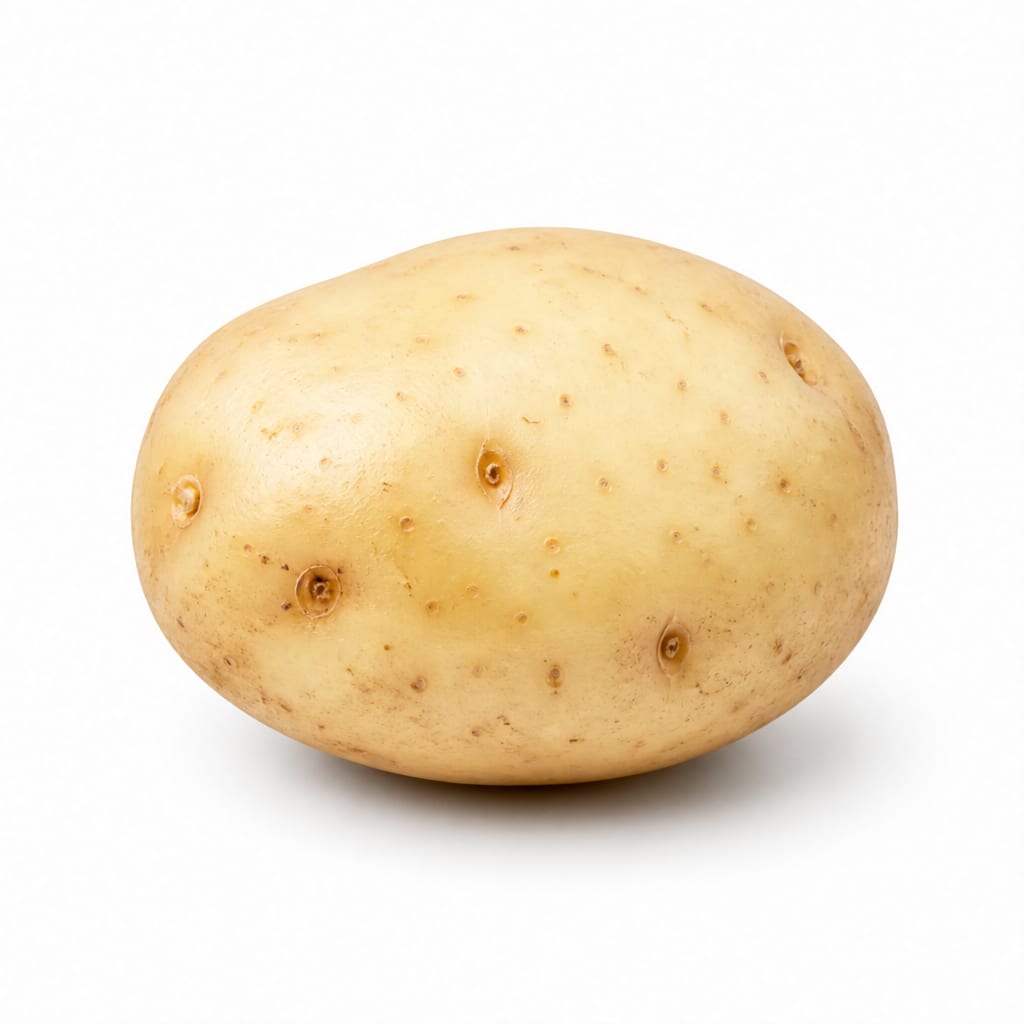
Compare with
White Potato
White potatoes offer more protein and vitamin C, whereas cassava is a gluten-free alternative with slightly more energy density.
White potatoes provide more protein and vitamin C, while cassava offers denser carbs and a gluten-free profile.
This food
Cassava
VS80% alike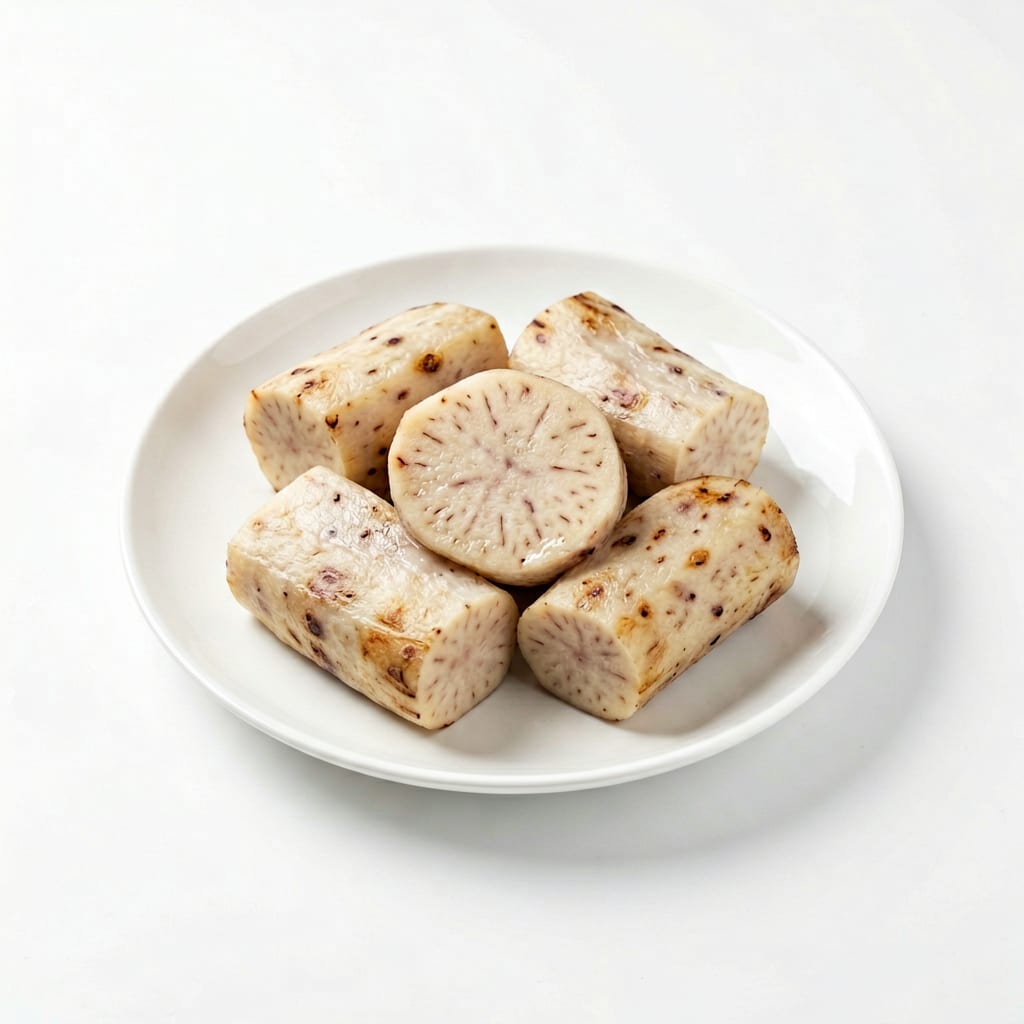
Compare with
Taro
Taro offers more fiber and a lower glycemic impact, while cassava provides a higher calorie load for energy needs.
Taro is higher in fiber and gentler on blood sugar, whereas cassava is better for dense, post-workout carb loading.
This food
Cassava
VS85% alike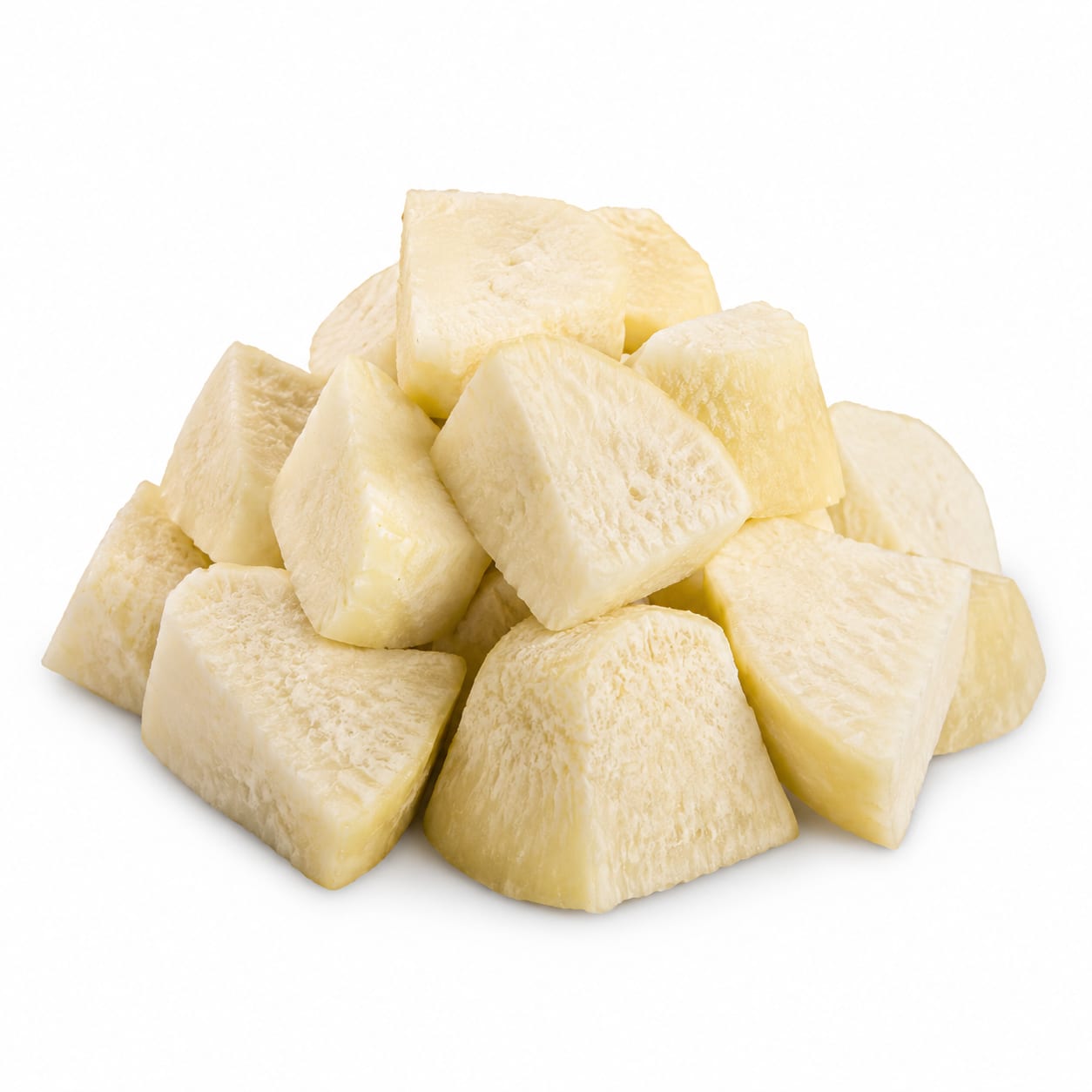
Compare with
Yam
Yams are slightly drier and less calorie-dense than cassava, offering similar macronutrient profiles but different culinary uses.
Yams are slightly lower in calories and better for weight management, while cassava provides more rapid energy.
This food
Cassava
VS70% alike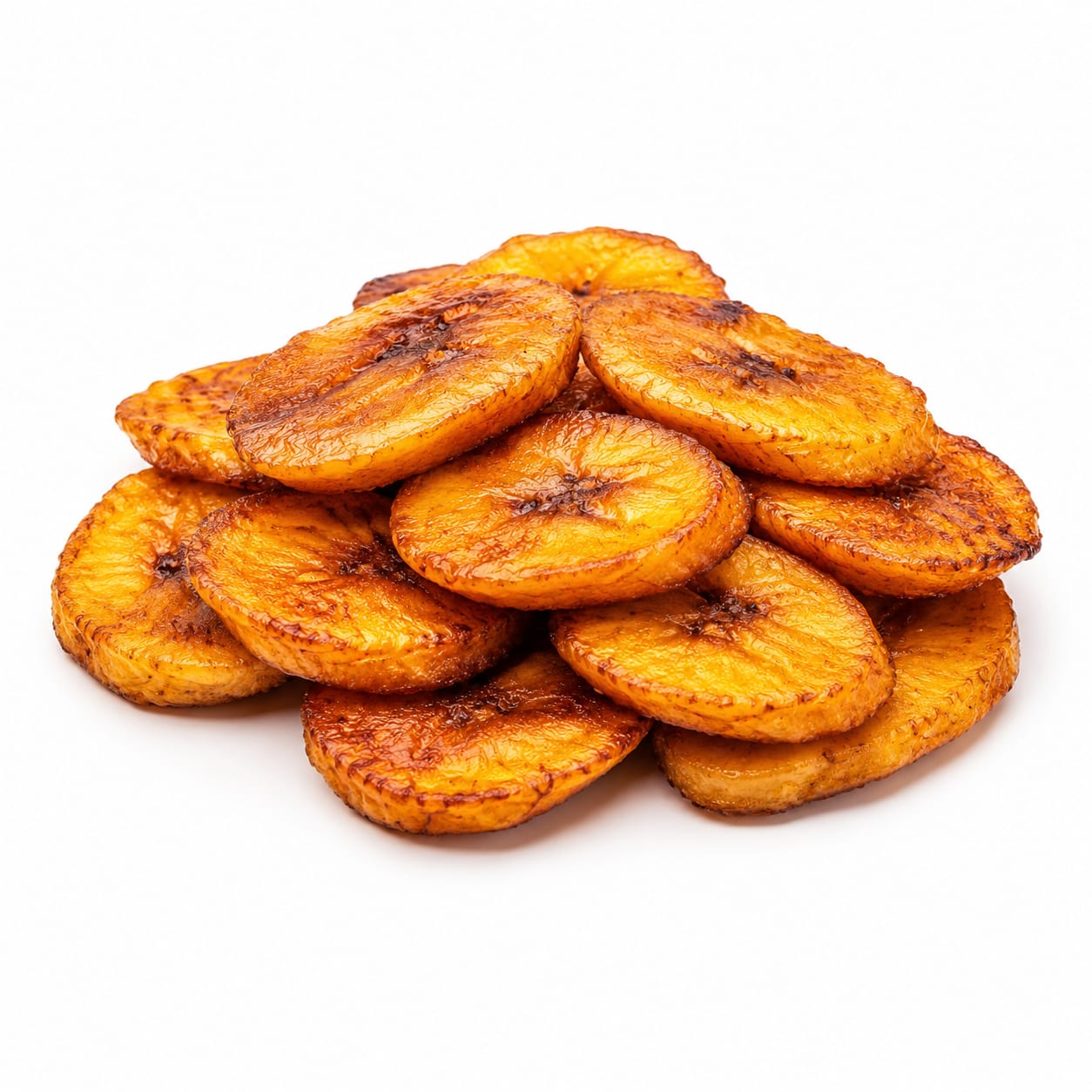
Compare with
Plantain
Plantains offer more potassium and vitamins, while cassava provides a denser, starchier base with less sugar.
Plantains provide more potassium and micronutrients, while cassava offers a sugar-free, dense starch for energy.
This food
Cassava
VS65% alike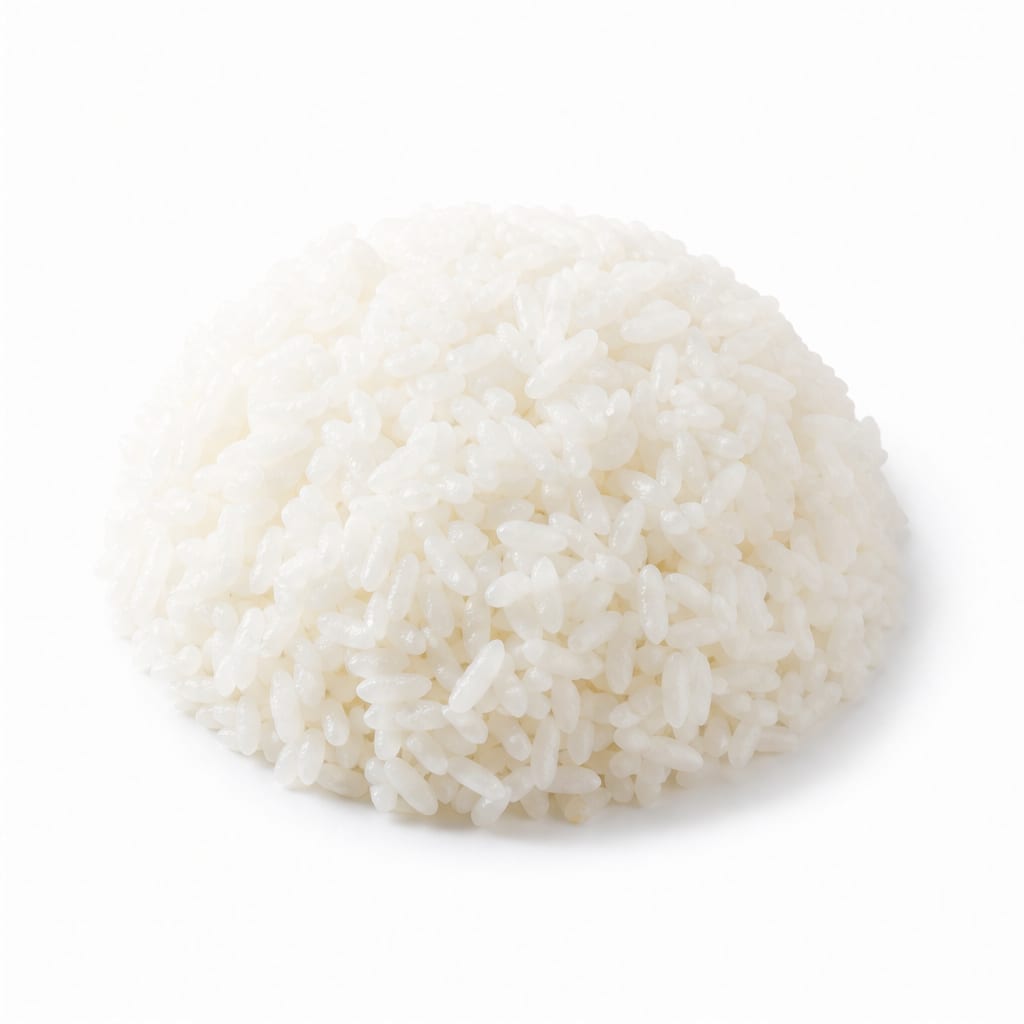
Compare with
White Rice
White rice is easier to digest and lacks toxicity risks, but cassava offers more resistant starch and is a whole food root.
White rice digests faster for quick energy, while cassava provides more resistant starch and satiety per serving.
This food
Cassava
VS50% alike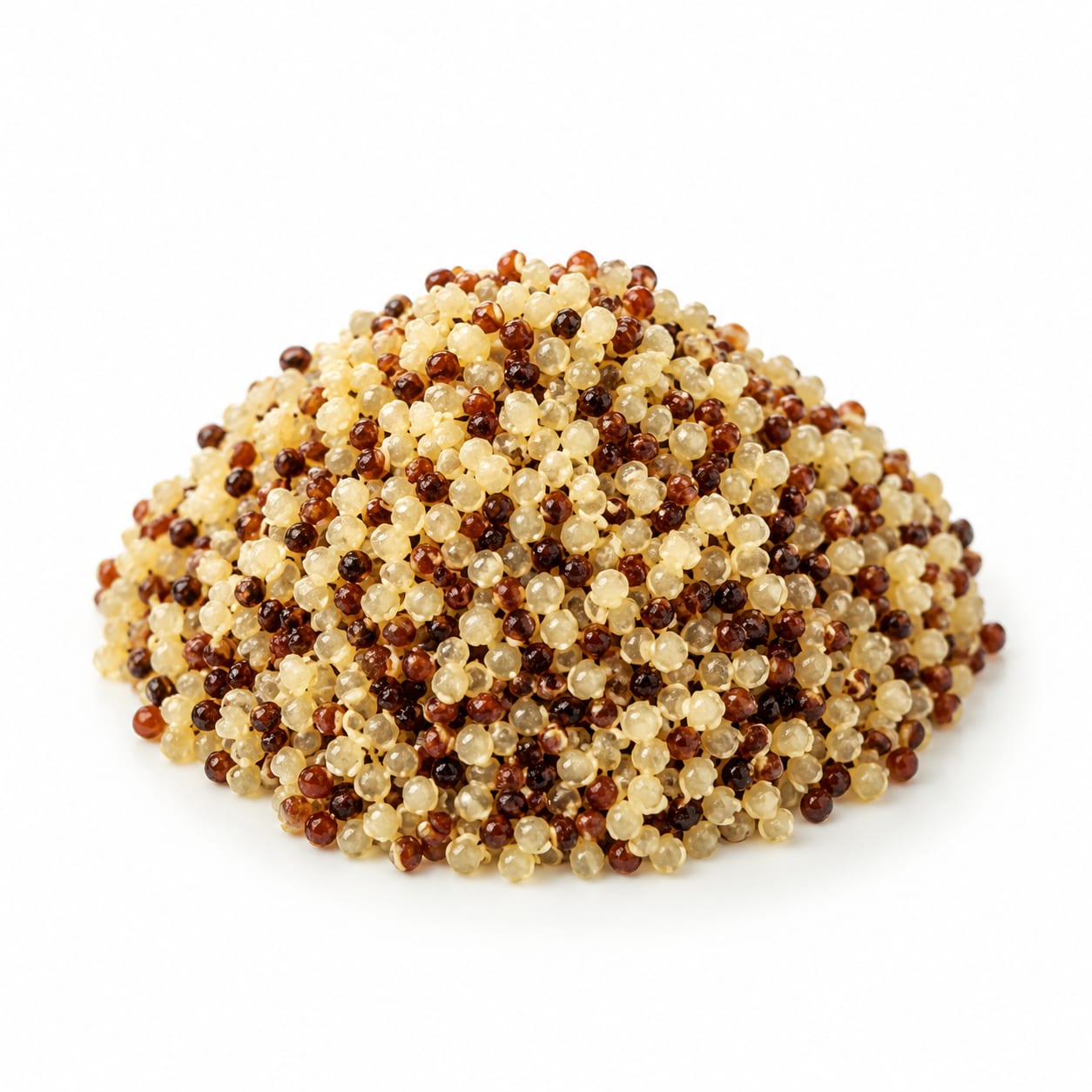
Compare with
Quinoa
Quinoa is vastly superior in protein, fiber, and micronutrients, while cassava is purely a dense carbohydrate source.
Quinoa is much higher in protein and fiber for overall health, while cassava is strictly a dense carb source.
This food
Cassava
VS95% alike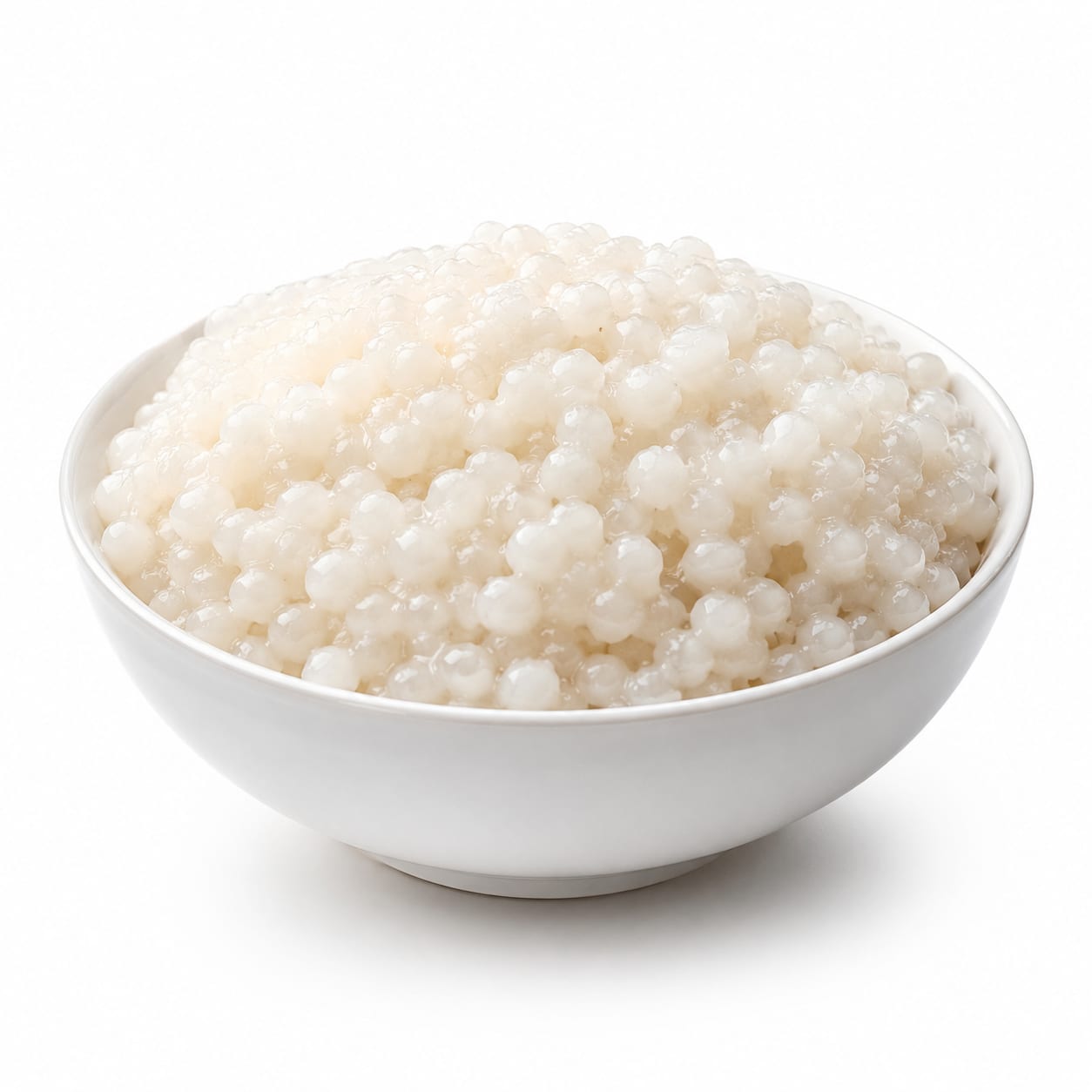
Compare with
Tapioca
Tapioca is a highly refined pure starch lacking the fiber and nutrients of the whole cassava root, which offers more resistant starch.
Whole cassava retains more fiber and nutrients, while tapioca is a refined, pure starch extract of cassava.
This food
Cassava
VS55% alike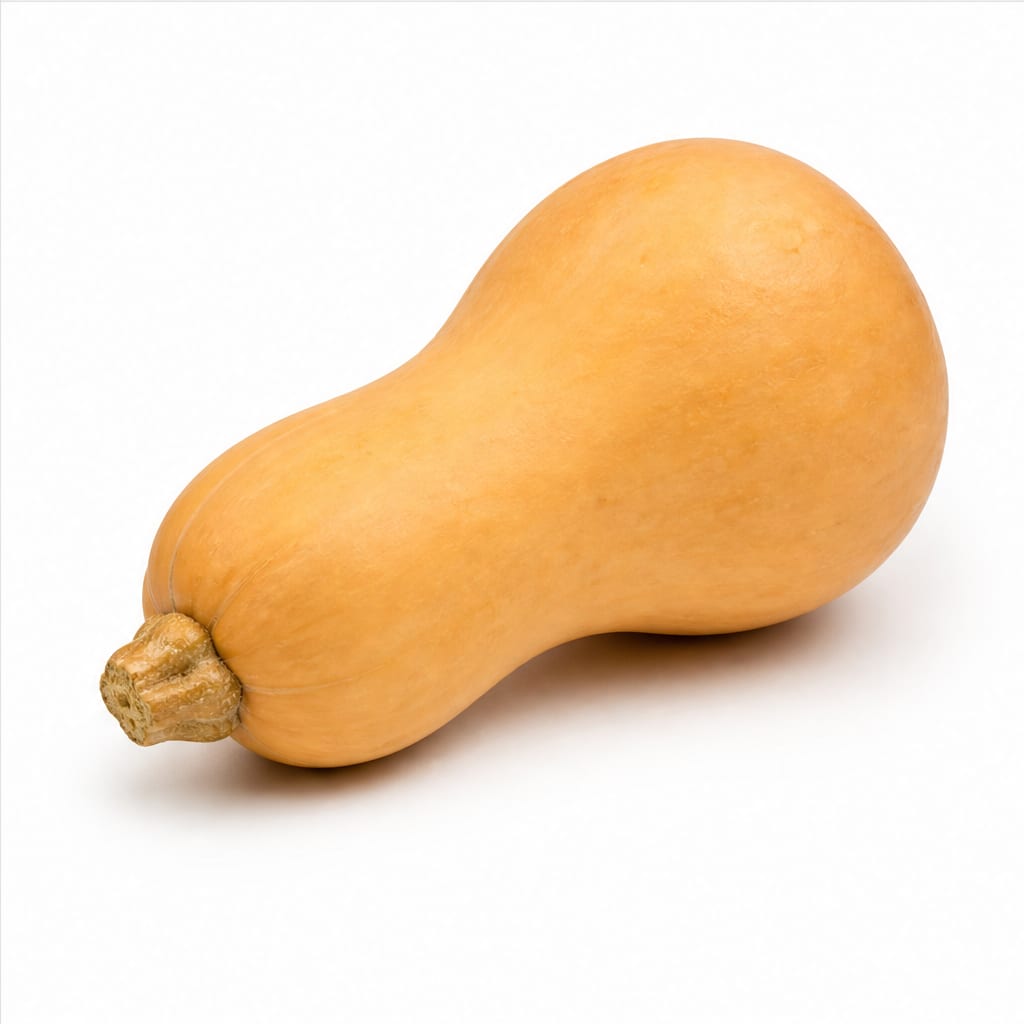
Compare with
Butternut Squash
Butternut squash is much lower in calories and carbs, rich in vitamin A, making it better for weight loss, while cassava is better for energy.
Butternut squash is lower in calories and richer in vitamins, while cassava provides dense carbs for heavy exertion.
This food
Cassava
VS60% alike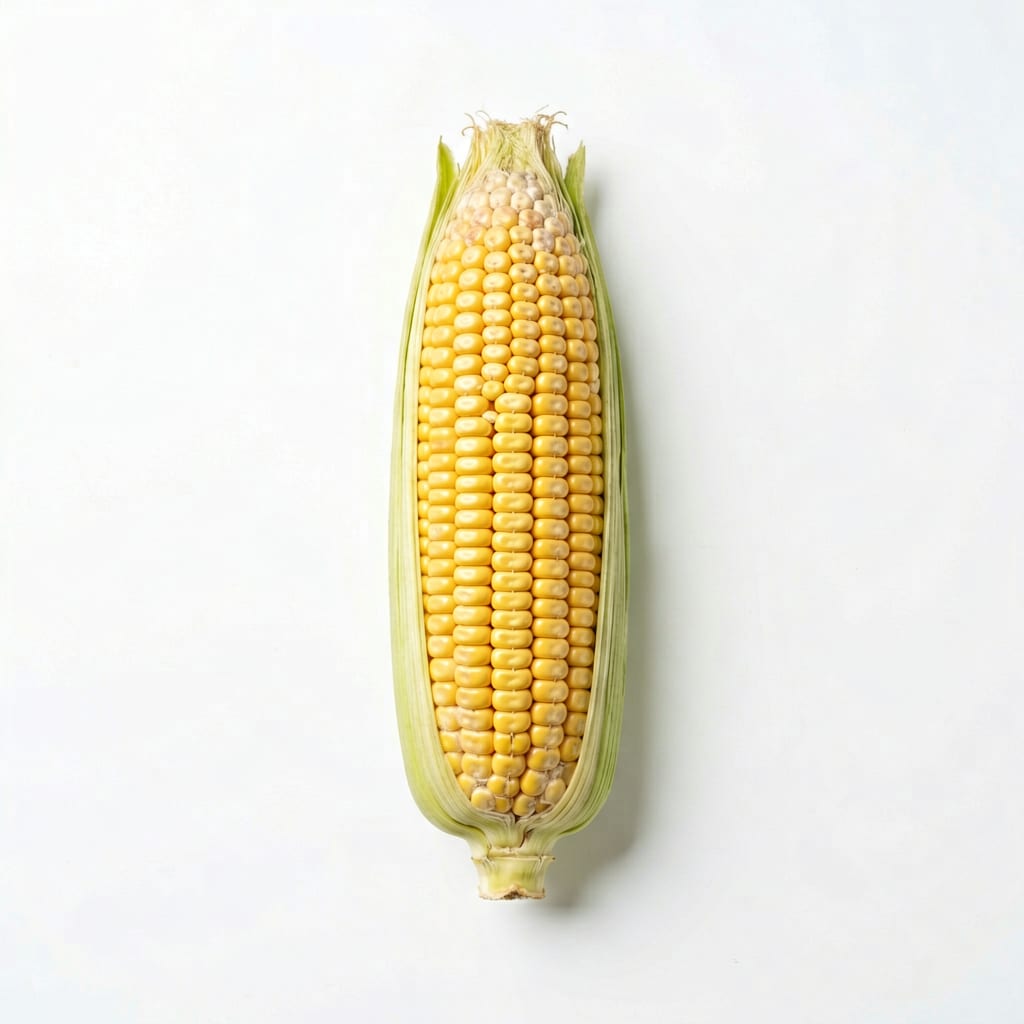
Compare with
Corn
Corn offers more protein and fiber, while cassava provides a denser, completely gluten-free starch base.
Corn provides more protein and fiber, while cassava delivers a denser, grain-free carbohydrate source.
Common questions
FAQ
Answers aligned with how people search for this food.
Is cassava healthier than potato?
Potatoes offer more vitamins, potassium, and fiber, while cassava provides denser carbohydrates and serves as a common gluten-free and paleo-friendly alternative.
Why is cassava toxic if eaten raw?
Raw cassava contains cyanogenic glycosides that release cyanide when digested. Proper peeling and thorough cooking destroy these compounds, making the root safe to eat.
Can you eat cassava on a keto diet?
No, cassava is very high in carbohydrates with nearly 40 grams per 100-gram serving, making it incompatible with ketogenic or strict low-carb diets.
Is cassava good for weight loss?
Due to its high calorie and carbohydrate density, cassava is less ideal for weight loss compared to lower-calorie, water-rich vegetables like cauliflower or zucchini.
How do you remove cyanide from cassava?
Peel the root completely, cut it into pieces, and boil it thoroughly in water. Discarding the cooking water removes the water-soluble cyanogenic compounds.
What does cassava taste like?
Cooked cassava has a mild, slightly sweet, and nutty flavor with a dense, starchy texture similar to a waxy potato or yam.
Is cassava flour gluten-free?
Yes, cassava flour is naturally gluten-free and widely used as a grain-free substitute for wheat flour in baking and cooking.
Can diabetics eat cassava?
Cassava has a high carbohydrate content that can spike blood sugar. Diabetics should consume it cautiously, stick to small portions, and pair it with protein or healthy fats.
Transparency
Data confidence
Estimated confidence for nutrition data, interpretation, safety notes, and comparisons.
Nutrition data
Health analysis
Food safety
Comparisons