
Nutrition comparison
Cassava vs Tapioca: Nutrition, Safety, and Which Is Healthier
Compare cassava and tapioca to understand the nutritional differences, safety concerns, and best uses for each. Learn which starch is right for your diet.
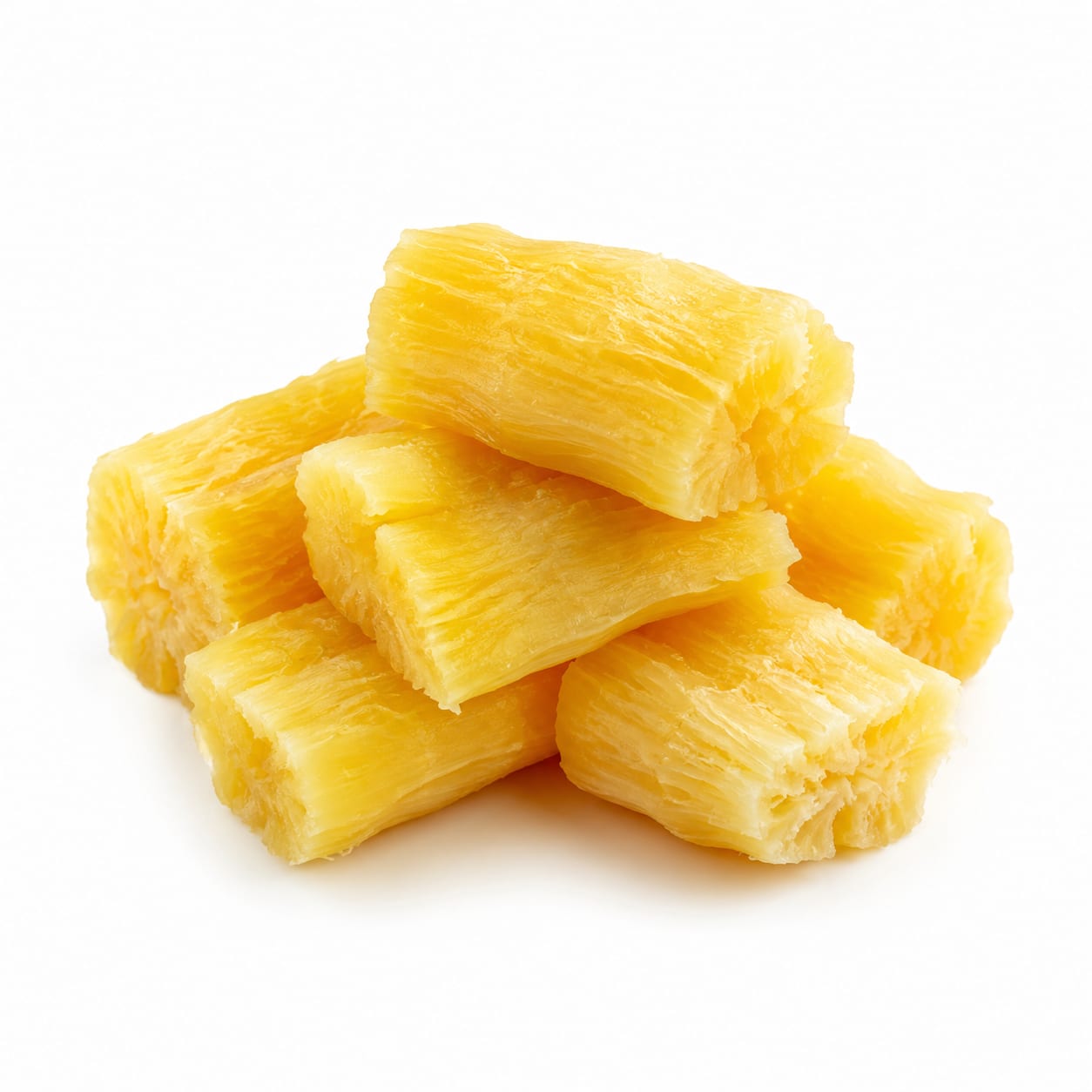
Cassava
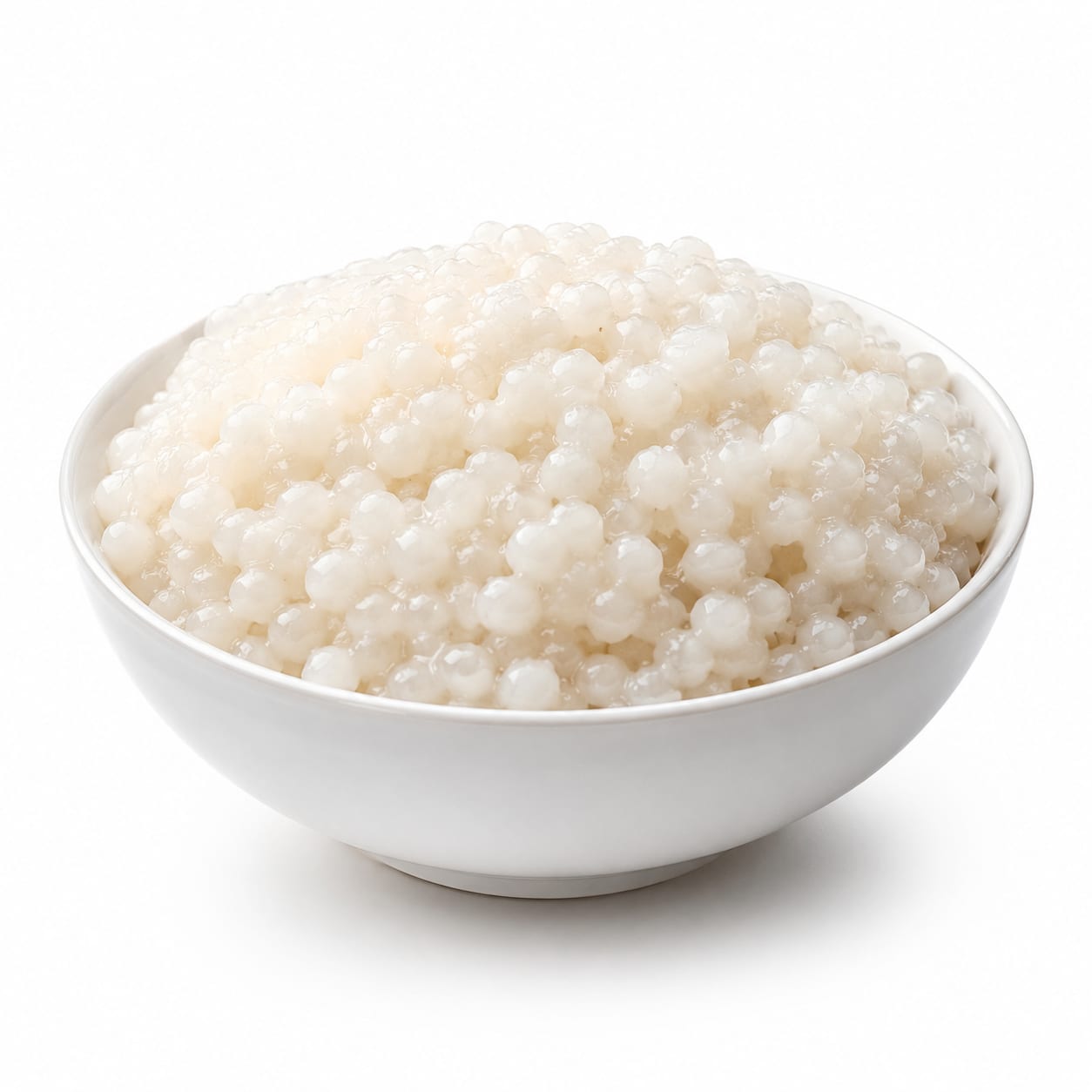
Tapioca
Cassava offers real nutrition and fullness but demands careful preparation, while tapioca is a safe, convenient pure starch with almost zero nutritional value.
Cassava scores significantly higher due to its whole-food nutritional profile and fiber content. Tapioca falls behind because it is essentially an empty carbohydrate, though it wins on safety and convenience.
You trade fiber, vitamins, and satiety for safety, convenience, and culinary versatility.
At a glance
Executive summary
Overall
It depends
Healthier
Cassava
More practical
Tapioca
Daily use
Cassava
Key comparison lenses
Whole food vs extracted starch nutrient density
Cassava is a whole root vegetable with fiber and vitamins, while tapioca is the pure starch extracted from it, stripping away almost all nutrients.
Safety and toxicity concerns
Cassava contains naturally occurring cyanogenic glycosides that require proper preparation to neutralize, whereas tapioca is inherently safe due to the extraction process.
Blood sugar and glycemic impact
Both are heavy in carbohydrates, but tapioca's lack of fiber makes it a faster-digesting, higher-glycemic option compared to whole cassava.
Culinary role and practicality
Cassava serves as a hearty side dish or main carb, while tapioca is primarily a thickening agent or dessert base, making them functionally different in the kitchen.
Best choice for
Cassava
- People seeking a filling, whole-food carbohydrate source
- Those wanting more fiber, vitamins, and minerals from their starches
- Traditional diets where proper cassava preparation is well understood
Tapioca
- Baking and cooking applications requiring a reliable thickener
- People with sensitive digestion who need a bland, easy-to-process starch
- Making desserts, bubble tea, or gluten-free recipes
Least suitable for
Cassava
- Anyone unfamiliar with the proper soaking and cooking methods to remove toxins
- People looking for a quick-cooking weeknight carbohydrate
- Those seeking a low-calorie or low-carb option
Tapioca
- Anyone relying on it as a primary carbohydrate source for daily nutrition
- People managing blood sugar spikes or insulin resistance
- Those seeking satiety or fullness from their meals
Deep comparison
Dimension by dimension
Each lens scores both foods and breaks down who each option suits.
- Dimension 1 · Priority 95Cassava
Nutrient Density
Cassava · 55Tapioca · 5Cassava provides modest amounts of vitamin C, potassium, and magnesium, while tapioca is stripped of nearly all micronutrients during processing.
Tradeoff
You lose almost all vitamins and minerals when turning cassava into tapioca starch.
Why it matters
Relying on tapioca as a carb source provides calories but no nutritional support for immune function, electrolytes, or bone health.
Real-world impact
A meal with cassava contributes to your daily vitamin and mineral needs; a meal with tapioca requires you to get those nutrients entirely from other foods.
Cassava
- Meeting daily micronutrient needs through carbs
- Adding nutritional value to balanced meals
Better for
- Cannot match the nutrient density of non-starchy vegetables or whole grains
Worse for
Tapioca
- Providing pure energy without interfering with other flavors or nutrients
Better for
- Contributing empty calories that displace more nutritious foods
Worse for
- Dimension 2 · Priority 90Tapioca
Safety and Toxins
Cassava · 40Tapioca · 95Raw cassava contains cyanogenic compounds that can be toxic if not properly prepared, while tapioca is naturally free of these toxins due to the extraction process.
Tradeoff
Cassava's whole-food benefits come with a non-negotiable preparation burden to ensure safety.
Why it matters
Improperly prepared cassava can cause acute cyanide poisoning and long-term neurological issues, making knowledge of preparation critical.
Real-world impact
You can cook tapioca pearls with zero safety concerns, but cooking cassava requires peeling, soaking, and thorough cooking every single time.
Cassava
- None regarding safety; it requires vigilance
Better for
- Risk of acute toxicity if rushed or improperly prepared
- Requires specific culinary knowledge to eat safely
Worse for
Tapioca
- Worry-free cooking and consumption
- Safe for children and vulnerable populations without special preparation
Better for
- None regarding safety
Worse for
- Dimension 3 · Priority 85Cassava
Blood Sugar Stability
Cassava · 35Tapioca · 15Neither food is ideal for blood sugar, but cassava's fiber slows digestion slightly, whereas tapioca acts as a rapid-hit starch.
Tradeoff
Tapioca digests very quickly, causing sharper blood sugar spikes than whole cassava.
Why it matters
Frequent blood sugar spikes from tapioca can worsen insulin resistance and increase hunger soon after eating.
Real-world impact
Eating tapioca pudding or bubble tea often leads to an energy crash within an hour, while a moderate portion of cassava provides slightly steadier energy.
Cassava
- Slightly slower carbohydrate release
- More manageable glycemic response when paired with protein and fat
Better for
- Still a high-glycemic root that requires portion control
Worse for
Tapioca
- Quick energy for athletes who need immediate carbohydrate replenishment
Better for
- Rapid blood sugar spike and crash cycle
- High risk of increasing cravings and overeating
Worse for
- Dimension 4 · Priority 80Cassava
Satiety and Fullness
Cassava · 65Tapioca · 20Cassava's fiber and physical bulk keep you full, while tapioca digests rapidly and leaves you hungry again quickly.
Tradeoff
Tapioca's refined nature means it passes through your system fast, offering very little lasting satisfaction.
Why it matters
Foods that fail to provide satiety often lead to overconsumption and difficulty managing weight.
Real-world impact
A cassava side dish can hold you over until the next meal, but tapioca-based snacks often leave you reaching for more food within an hour.
Cassava
- Staying full between meals
- Reducing the urge to snack
Better for
- Can feel heavy if eaten in large quantities
Worse for
Tapioca
- Light eating before intense exercise when you don't want a heavy stomach
Better for
- Leads to rapid return of hunger
- Easy to overconsume without realizing it
Worse for
- Dimension 5 · Priority 75Tapioca
Culinary Convenience
Cassava · 30Tapioca · 85Tapioca is shelf-stable, quick to prepare, and versatile as a thickener, while cassava requires peeling, soaking, and lengthy cooking.
Tradeoff
Cassava demands significant prep time and knowledge, whereas tapioca is ready to use with minimal effort.
Why it matters
Convenience often dictates what people actually eat on busy days, giving tapioca a practical edge.
Real-world impact
You can stir tapioca starch into a sauce in seconds, but preparing cassava is a multi-step process best suited for weekends or planned meals.
Cassava
- Hearty, satisfying side dish for traditional meals
Better for
- Time-consuming preparation
- Short shelf life for the fresh root
Worse for
Tapioca
- Quick thickening for soups, sauces, and pies
- Gluten-free baking applications
- Fast dessert preparation
Better for
- Not satisfying as a standalone food
Worse for
Timeline
Health impact over time
Short-term
Hours to days
Cassava
- Provides sustained energy with moderate fiber to slow digestion
- Risk of digestive upset or toxicity if undercooked
- Very filling, which helps control overall calorie intake at mealtime
Tapioca
- Rapid energy spike followed by a crash
- Leaves you hungry again shortly after eating
- Gentle on the stomach and easy to digest for those with GI issues
Long-term
Months to years
Cassava
- Contributes to better micronutrient intake over time
- Supports healthier blood sugar patterns compared to refined starches
- Chronic risk of neurological issues if consistently undercooked
Tapioca
- High regular consumption can contribute to insulin resistance
- Displaces more nutritious foods in the diet, potentially leading to nutrient gaps
- May contribute to weight gain if used frequently as a dessert base
Risk profile
Safety & processing
Cassava is a whole root eaten in its natural form after cooking. Tapioca is a refined extract of that root, removing all fiber and nutrients to isolate the pure starch. Neither typically contains artificial additives, but tapioca is far more processed.
Cassava
Cyanogenic glycosides (cyanide precursors)
highRaw or improperly prepared cassava can release hydrogen cyanide, leading to acute poisoning or chronic neurological damage. Proper peeling, soaking, and thorough cooking are mandatory.
Tapioca
Contamination during processing
lowCommercially produced tapioca is generally very safe, with minimal risk of cyanide residue due to the extraction and washing process.
Who wins for whom
Audience fit
Same foods, different winners depending on your goal.
children
TapiocaTapioca is safer and easier to digest for children, completely removing the cyanide risk associated with improperly prepared cassava.
daily consumption
CassavaWhen properly prepared, cassava provides more nutritional value and satiety for daily meals, whereas daily tapioca consumption would contribute too many empty calories.
diabetes
It dependsNeither is ideal for diabetes. Cassava has a slight edge due to its fiber content, but both are high-carb, high-glycemic foods that require strict portion control and pairing with protein and fat.
elderly
TapiocaTapioca is gentle on the digestive system and carries no toxin risk, making it more suitable for elderly individuals with sensitive stomachs or decreased digestive function.
muscle gain
TapiocaTapioca's rapid-digesting starch can be useful post-workout for quick glycogen replenishment, though neither food provides the protein needed for muscle building.
weight loss
CassavaCassava's fiber and bulk provide more satiety, making it easier to control portions and avoid overeating compared to tapioca's empty, quick-digesting calories.
Your move
Decision guide
Choose Cassava
- You want a filling, whole-food carb with actual vitamins and minerals
- You are comfortable with the proper preparation methods to ensure safety
- You are looking for a hearty alternative to potatoes or rice
Choose Tapioca
- You need a reliable, gluten-free thickener for cooking or baking
- You want a gentle, easy-to-digest starch for an upset stomach
- You are making desserts or bubble tea
Either works if
- You need a dense carbohydrate source to fuel intense physical activity
- You are following a gluten-free diet and need alternative starches
Avoid both if
- You are on a low-carb or ketogenic diet
- You are managing severe insulin resistance and need low-glycemic carb sources
Final recommendation
Choose cassava as your everyday carbohydrate for its nutritional benefits and satiety, but only if you are committed to preparing it safely. Keep tapioca in your pantry as a useful culinary tool for thickening and baking, not as a dietary staple.
Practical
Consumer tips
- 1
Always peel, soak, and thoroughly cook cassava to eliminate cyanide risk—never eat it raw.
- 2
If buying frozen cassava, check that it is pre-peeled and ready to boil for safer, easier preparation.
- 3
Use tapioca starch as a 1:1 thickener for gravies and fruit pies instead of wheat flour for a glossy, gluten-free result.
- 4
Pair either food with a protein source and healthy fats to blunt the blood sugar spike.
- 5
Avoid relying on tapioca puddings or bubble tea as regular snacks due to their high sugar and empty calorie content.