
Nutrition comparison
Cassava vs Butternut Squash: Nutrition, Safety, and Health Comparison
Butternut squash delivers far more vitamins and is safer to eat than cassava, which requires careful preparation to avoid cyanide risk. Compare nutrition, blood sugar impact, and best uses for each.
Overall winner · Butternut Squash
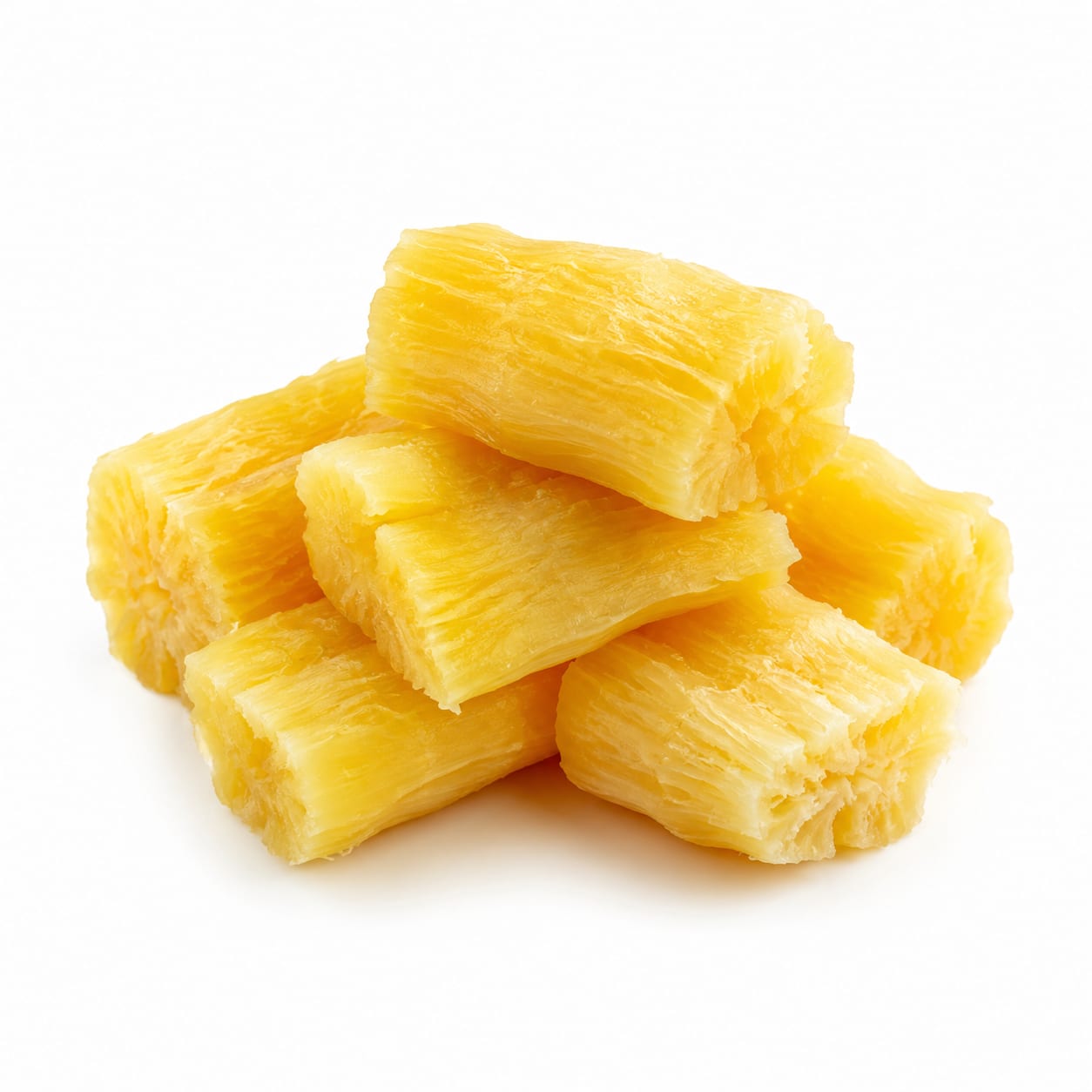
Cassava
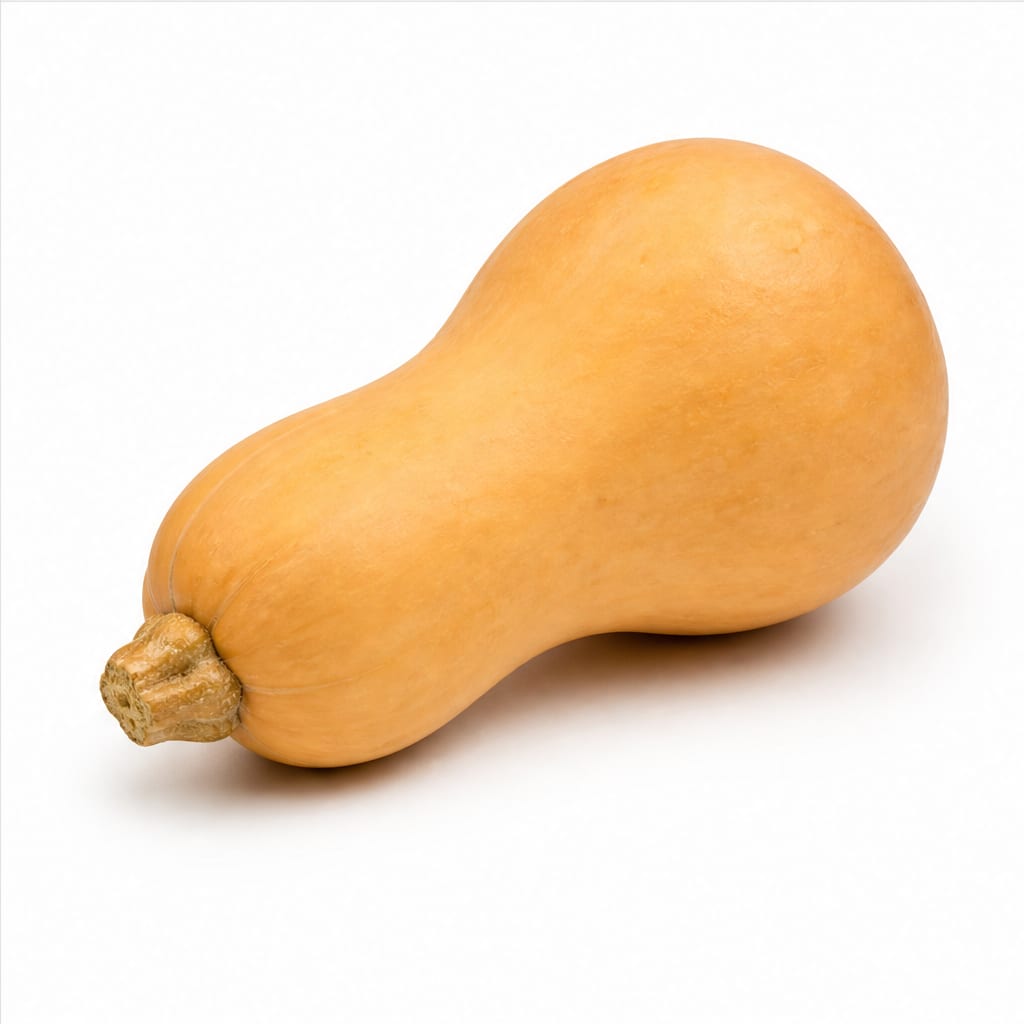
Butternut Squash
Butternut squash delivers far more nutrition per calorie with significantly less safety risk, making it the stronger everyday choice for most people.
Butternut squash wins decisively on nutritional density, safety, and blood sugar impact. Cassava scores meaningfully only on calorie provision and cultural staple value, which narrows its appeal to specific use cases.
Cassava provides more dense starchy energy for high-calorie needs, but sacrifices vitamin content and requires careful preparation to avoid toxicity.
At a glance
Executive summary
Overall
Butternut Squash
Healthier
Butternut Squash
More practical
Butternut Squash
Daily use
Butternut Squash
Key comparison lenses
nutritional density and vitamin content
Butternut squash is dramatically richer in vitamins A and C, making this the most lopsided dimension in the comparison
blood sugar and carbohydrate load
Cassava is very starch-heavy with a high glycemic impact, while butternut squash offers steadier energy with less carb density
food safety and toxicity risk
Cassava contains cyanogenic glycosides that require proper preparation, a unique safety concern absent in butternut squash
calorie and energy needs
Cassava serves as a calorie-dense staple in many cultures, which can be an advantage or disadvantage depending on goals
satiety and meal satisfaction
Both foods are filling but in different ways — cassava through sheer carb bulk, butternut squash through fiber and volume
Best choice for
Cassava
- Active individuals needing calorie-dense carb fuel
- Tropical and West African cuisine traditions
- Endurance athletes seeking starch-heavy energy loading
- Budget-conscious bulk calorie sourcing in developing regions
Butternut Squash
- Anyone prioritizing vitamin A and antioxidant intake
- Weight-conscious eaters wanting volume without excess calories
- People managing blood sugar who still want carb satisfaction
- Families wanting a safe, kid-friendly vegetable side
Least suitable for
Cassava
- People unfamiliar with proper cassava preparation techniques
- Anyone managing diabetes or insulin resistance
- Those seeking nutrient-dense rather than calorie-dense foods
- Households with children where raw cassava could be mishandled
Butternut Squash
- Extremely active individuals who need high-calorie starch staples
- Cuisines where cassava is culturally irreplaceable
- Situations requiring long shelf-stable dry storage
Deep comparison
Dimension by dimension
Each lens scores both foods and breaks down who each option suits.
- Dimension 1 · Priority 95Butternut Squash
Nutritional Density
Cassava · 30Butternut Squash · 88Butternut squash is loaded with vitamin A, vitamin C, potassium, and antioxidants. Cassava is mostly starch with minimal micronutrients.
Tradeoff
Cassava fills you with carb energy but leaves micronutrient gaps. Butternut squash nourishes broadly but provides less raw fuel.
Why it matters
Eating butternut squash is like getting a multivitamin with your carbs. Cassava is more like eating pure energy with a weak nutritional bonus.
Real-world impact
Regular butternut squash eaters get far more immune-supporting vitamin A and skin-protecting vitamin C without thinking about supplements.
Cassava
- Pure calorie refueling after intense physical labor
Better for
- Reliance on cassava as a primary food risks micronutrient deficiencies over time
Worse for
Butternut Squash
- Meeting daily vitamin needs through food
- Supporting immune function during cold season
- Getting more nutrition per dollar spent on produce
Better for
- Will not provide the dense carb calories needed for heavy training days
Worse for
- Dimension 2 · Priority 90Butternut Squash
Blood Sugar Stability
Cassava · 32Butternut Squash · 68Cassava has a high glycemic index and loads a lot of starch quickly. Butternut squash has a moderate glycemic load with more fiber to slow absorption.
Tradeoff
Cassava gives fast energy but can spike blood sugar. Butternut squash releases energy more gradually with less crash risk.
Why it matters
If you sit at a desk all day, cassava's starch surge works against you. Butternut squash keeps things steadier without sacrificing satisfaction.
Real-world impact
A cassava-heavy lunch can leave you sluggish by 3pm. Butternut squash as a side keeps energy more even throughout the afternoon.
Cassava
- Pre-workout carb loading when you want quick available energy
- Post-exercise glycogen replenishment
Better for
- Rapid blood sugar spikes followed by crashes
- Not suitable as a frequent carb source for diabetics
Worse for
Butternut Squash
- Managing prediabetes or insulin resistance
- Avoiding afternoon energy crashes
- Sustained energy for sedentary or lightly active days
Better for
- May not provide enough fast carbs for high-intensity athletic performance
Worse for
- Dimension 3 · Priority 88Butternut Squash
Food Safety
Cassava · 40Butternut Squash · 95Cassava contains cyanogenic glycosides that can release cyanide if not properly prepared. Butternut squash has no significant toxicity risk.
Tradeoff
Cassava demands knowledge and care to eat safely. Butternut squash is essentially worry-free to prepare.
Why it matters
Improperly prepared cassava can cause acute cyanide poisoning and long-term neurological issues. This is not a theoretical risk — it affects communities worldwide.
Real-world impact
With butternut squash, you peel, cook, and eat. With cassava, you must know to peel thoroughly, soak, and cook fully — shortcuts can be dangerous.
Cassava
- No safety advantage — cassava always requires careful handling
Better for
- Raw or undercooked cassava can cause cyanide poisoning
- Chronic exposure to poorly processed cassava is linked to konzo and tropical ataxic neuropathy
Worse for
Butternut Squash
- Safe for children to help prepare in the kitchen
- No special knowledge needed for safe consumption
- Zero risk of acute toxic reactions from improper cooking
Better for
- No meaningful safety downside
Worse for
- Dimension 4 · Priority 75Cassava
Calorie Density and Energy Provision
Cassava · 82Butternut Squash · 48Cassava delivers roughly 160 calories per 100g compared to butternut squash's 45 calories. For pure fuel, cassava wins easily.
Tradeoff
Cassava is excellent when you need lots of calories cheaply. Butternut squash is better when you want to feel full without overconsuming.
Why it matters
In contexts of food scarcity or high physical demand, cassava's calorie density is a feature, not a bug. For most sedentary modern lifestyles, it becomes a liability.
Real-world impact
Farm workers and athletes may thrive on cassava's energy. Office workers may find it too easy to overeat.
Cassava
- Hard laborers needing affordable calorie-dense staples
- Athletes carb-loading before endurance events
- Underweight individuals trying to gain mass
Better for
- Easy to overconsume calories without realizing
- Promotes weight gain in sedentary contexts
Worse for
Butternut Squash
- Weight loss or maintenance without feeling deprived
- Large portion satisfaction without calorie excess
Better for
- Insufficient as a sole calorie source for very active people
Worse for
- Dimension 5 · Priority 70It depends
Satiety and Meal Satisfaction
Cassava · 70Butternut Squash · 72Cassava fills you with heavy starch density. Butternut squash fills you with volume and fiber. Both satisfy, but in different ways.
Tradeoff
Cassava feels heavier and more filling per bite. Butternut squash lets you eat more volume for fewer calories while still feeling satisfied.
Why it matters
If you love that dense, comforting fullness from starchy food, cassava delivers. If you prefer feeling light but satisfied, butternut squash wins.
Real-world impact
A cassava side feels like a proper hearty meal. A butternut squash side feels nourishing without the heaviness.
Cassava
- Hearty comfort meals where dense starch feels right
- Cold weather eating where heavy food is psychologically satisfying
Better for
- Can feel too heavy in warm weather or light meals
Worse for
Butternut Squash
- Meals where you want to feel satisfied but not sluggish
- Balanced plates where the vegetable should not dominate calorie-wise
Better for
- May not feel like enough food for someone used to dense starch staples
Worse for
- Dimension 6 · Priority 72Butternut Squash
Antioxidant and Anti-inflammatory Value
Cassava · 22Butternut Squash · 85Butternut squash is rich in beta-carotene and vitamin C, both potent antioxidants. Cassava provides minimal antioxidant value.
Tradeoff
Butternut squash actively fights oxidative stress. Cassava is essentially neutral on this front.
Why it matters
Chronic inflammation underlies many modern diseases. Butternut squash contributes meaningfully to your body's defense. Cassava does not.
Real-world impact
Eating butternut squash regularly supports skin health, immune resilience, and long-term disease protection. Cassava is just energy.
Cassava
- No antioxidant advantage over butternut squash
Better for
- Contributes nothing meaningful to antioxidant intake
Worse for
Butternut Squash
- Reducing oxidative stress from everyday pollution and stress
- Supporting skin and eye health through beta-carotene
- Adding anti-inflammatory foods to a pro-inflammatory diet
Better for
- No meaningful downside here
Worse for
Timeline
Health impact over time
Short-term
Hours to days
Cassava
- Quick energy from dense starch but possible blood sugar spike and crash
- Risk of digestive discomfort if undercooked due to residual cyanogenic compounds
- Heavy fullness that may reduce desire for other nutrient-rich foods
Butternut Squash
- Steady energy with less blood sugar volatility
- Comforting, naturally sweet flavor without sugar crash
- High water and fiber content supports comfortable digestion
Long-term
Months to years
Cassava
- Reliance as a dietary staple without diversification risks vitamin A and iron deficiency
- Chronic exposure to improperly processed cassava is linked to neurological conditions
- High glycemic load may contribute to insulin resistance with frequent consumption
Butternut Squash
- Consistent beta-carotene intake supports eye health and immune function over decades
- Lower calorie density helps maintain healthy weight long-term
- Potassium content supports cardiovascular health with regular consumption
Risk profile
Safety & processing
Both foods are whole, minimally processed root vegetables. Cassava is sometimes sold as flour or tapioca, which adds processing steps, but the whole root itself is unprocessed. Neither carries artificial additive concerns in their whole form.
Cassava
Cyanogenic glycoside poisoning
highCassava contains compounds that release hydrogen cyanide when raw or undercooked. Bitter varieties contain much higher levels. Proper peeling, soaking, and thorough cooking are essential to reduce risk.
Chronic neurological damage from long-term low-level exposure
mediumEven sub-acute cyanide exposure from consistently poor processing is linked to konzo (a paralytic disorder) and tropical ataxic neuropathy, particularly in cassava-dependent populations.
Butternut Squash
Pesticide residue on conventionally grown squash
lowButternut squash has a thick skin that protects the flesh, and it typically appears on lower-concern pesticide lists. Peeling further reduces any residue.
Spoilage from improper storage
lowLike all produce, butternut squash can develop mold if stored in damp conditions, but it keeps well for weeks in cool, dry storage.
Who wins for whom
Audience fit
Same foods, different winners depending on your goal.
children
Butternut SquashButternut squash is safer to prepare, naturally sweet and appealing to kids, and packed with vitamin A for growth. Cassava's cyanide risk makes it unsuitable for households unfamiliar with proper preparation.
daily consumption
Butternut SquashButternut squash can be eaten daily without safety concerns and provides accumulating nutritional benefits. Cassava is safe daily only when properly prepared and is nutritionally incomplete as a frequent staple.
diabetes
Butternut SquashButternut squash has a lower glycemic load and more fiber, causing gentler blood sugar responses. Cassava's dense starch can spike glucose significantly.
elderly
Butternut SquashOlder adults benefit more from butternut squash's vitamin A, potassium, and easier digestion. Cassava's blood sugar impact and safety concerns are less appropriate for aging bodies.
muscle gain
CassavaCassava's higher calorie and carb content supports the caloric surplus and glycogen replenishment needed for muscle building, though neither food is a protein source.
weight loss
Butternut SquashButternut squash provides large satisfying portions at roughly one-quarter the calorie density of cassava, making it far easier to maintain a calorie deficit.
Your move
Decision guide
Choose Cassava
- You are highly active and need affordable, calorie-dense carb fuel
- You grew up with cassava and know how to prepare it properly
- You are carb-loading for an endurance event and want a dense starch source
- You live in a region where cassava is a dietary staple and other carbs are scarce
Choose Butternut Squash
- You want maximum nutrition per calorie from your carb sources
- You are managing your weight, blood sugar, or both
- You have children and want a safe, easy vegetable side
- You are building a nutrient-dense diet and want anti-inflammatory benefits
- You are unsure about proper cassava preparation techniques
Either works if
- You want a hearty starchy side and are comfortable with either flavor profile
- You are meal-prepping roasted vegetables for the week
Avoid both if
- You need a high-protein food — neither provides meaningful protein
- You are on a strict very-low-carb or ketogenic diet
Final recommendation
For most people in most contexts, butternut squash is the clearly better choice — safer, more nutritious, gentler on blood sugar, and easier to incorporate into a healthy diet. Choose cassava when you specifically need its dense starchy energy and you are confident in proper preparation. If you are unsure how to prepare cassava safely, always choose butternut squash instead.
Practical
Consumer tips
- 1
If cooking cassava, always peel completely, soak for several hours, and cook thoroughly — never eat it raw or undercooked
- 2
Bitter cassava varieties require more extensive processing than sweet varieties; know which type you have
- 3
Butternut squash skin is edible when roasted and adds extra fiber, but cassava skin must always be removed
- 4
Roasting butternut squash with olive oil dramatically improves beta-carotene absorption
- 5
Cassava flour and tapioca are processed forms that remove cyanogenic compounds but also strip most remaining nutrients
- 6
If you enjoy cassava culturally, pair it with vitamin A-rich foods like leafy greens to compensate for its nutritional gaps
- 7
Butternut squash stores for weeks in a cool dark place, making it a practical pantry vegetable
- 8
For the safest and most nutritious option, choose butternut squash as your default starchy vegetable and enjoy cassava as an occasional dish when properly prepared