
Nutrition comparison
Cassava vs Plantain: Which Tropical Staple Is Healthier?
Compare cassava and plantain nutrition, safety, and health impact. Learn which starchy staple is better for blood sugar, weight management, and daily use.
Overall winner · Plantain
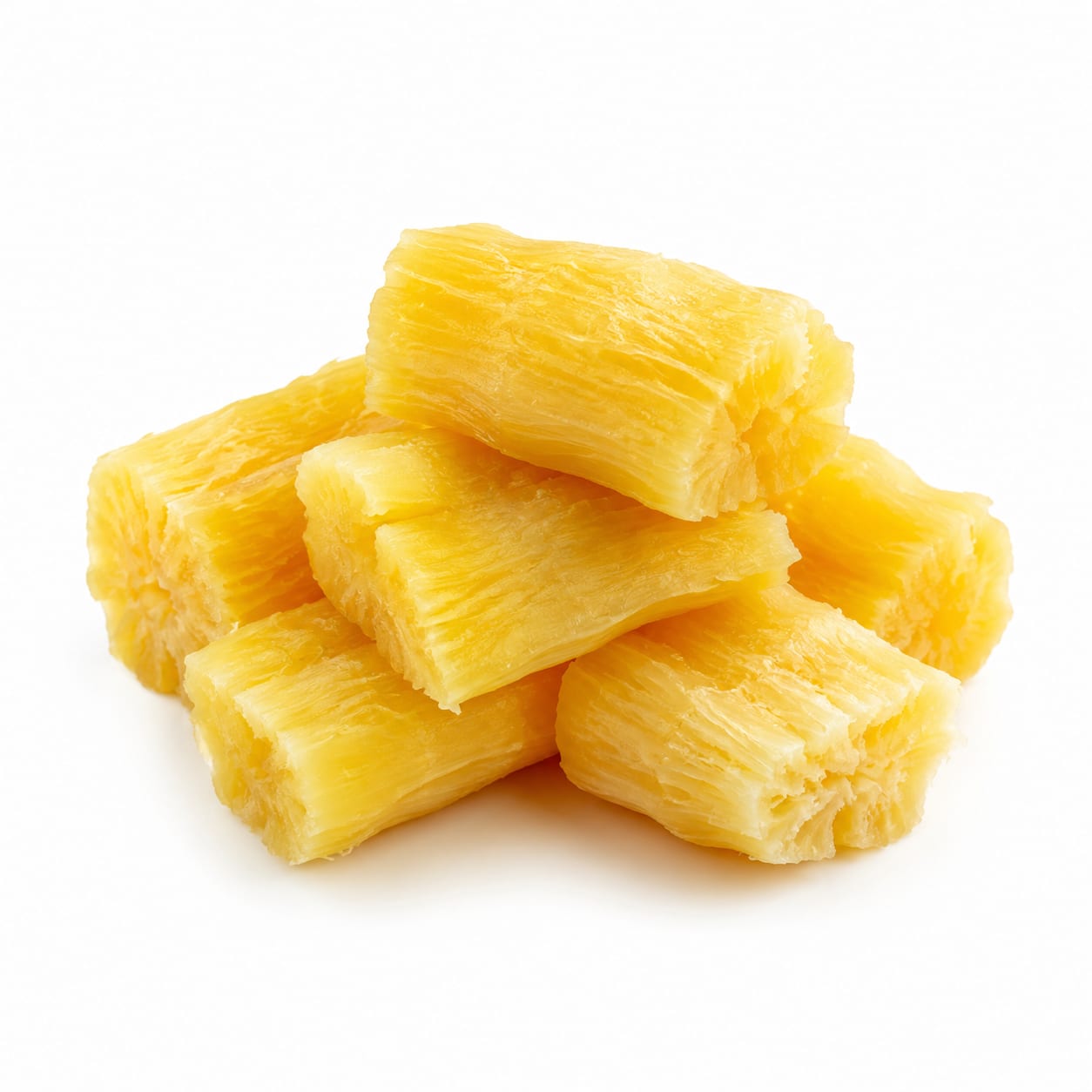
Cassava
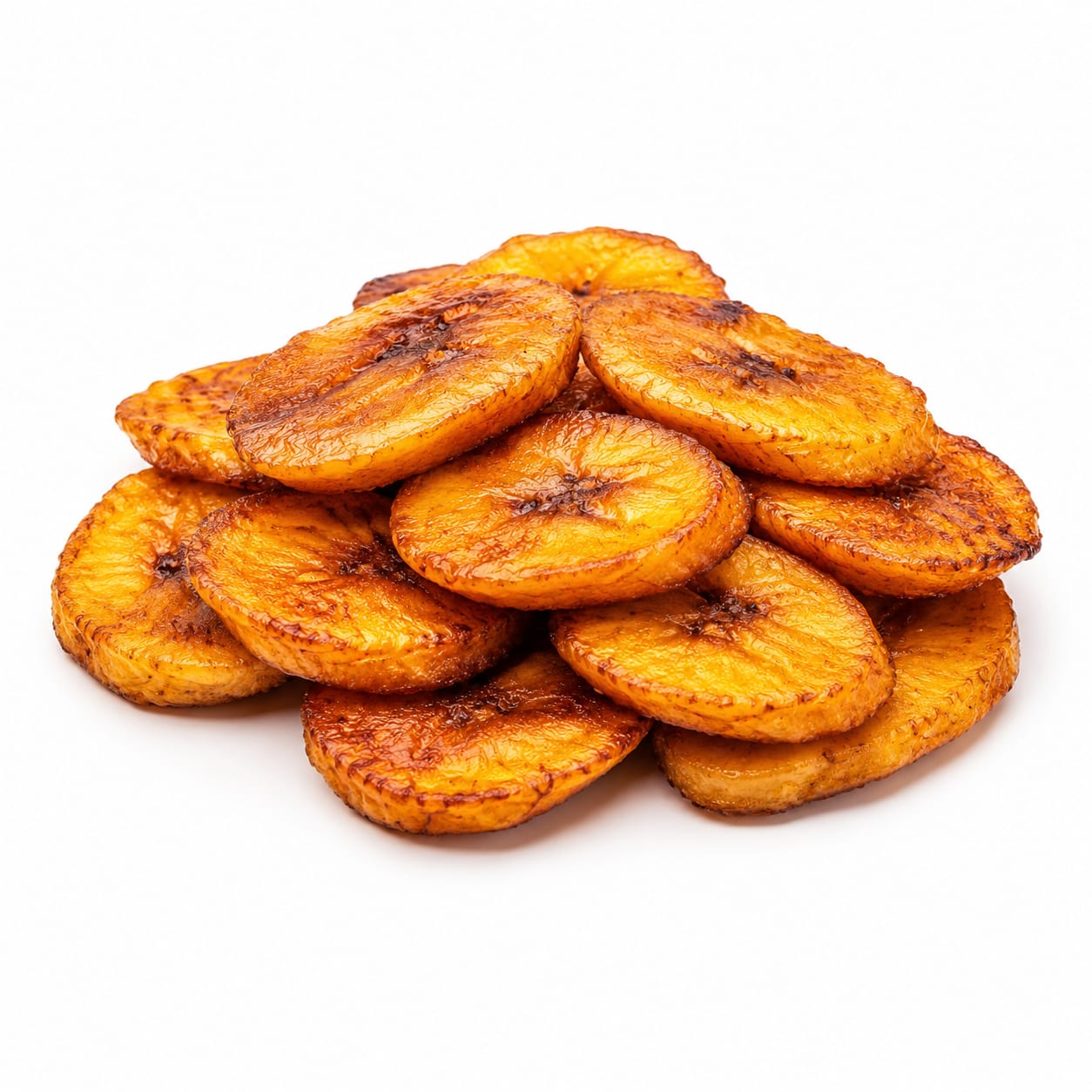
Plantain
Plantain delivers more nutrition per calorie and carries no toxicity risk, making it the safer and more nourishing everyday staple. Cassava fills you up fast but requires careful preparation and offers less micronutrient payoff.
Plantain scores notably higher due to its superior micronutrient profile, fiber content, and complete absence of toxicity risk. Cassava loses ground on safety and nutritional density despite being an effective calorie source.
Cassava is denser and more filling per serving, but Plantain gives you significantly more vitamins, minerals, and fiber with zero safety concerns.
At a glance
Executive summary
Overall
Plantain
Healthier
Plantain
More practical
Plantain
Daily use
Plantain
Key comparison lenses
staple carb selection
Both are major tropical starch staples, so users are likely deciding which carb base to rely on daily
safety and preparation
Cassava contains natural toxins that require careful preparation, making safety a critical differentiator
nutritional value comparison
Users want to know which staple offers more vitamins, minerals, and overall nourishment per calorie
blood sugar management
Both are high-carb foods, so glycemic impact matters for diabetics and energy stability
weight management
Calorie density and satiety differ meaningfully between these two staples
Best choice for
Cassava
- People needing maximum calories on a budget
- Those seeking a very dense, filling carb base for heavy labor days
- Cultures where cassava preparation knowledge is generational and routine
Plantain
- Anyone prioritizing nutritional value from their carb source
- People managing blood sugar who want fiber-rich carbs
- Families wanting a safe, easy-to-prepare staple with no toxicity risk
- Those looking for potassium and vitamin A support
Least suitable for
Cassava
- Anyone unfamiliar with proper cassava preparation methods
- People with kidney issues who must limit cyanogenic exposure
- Those seeking nutrient-dense rather than calorie-dense foods
Plantain
- People who need extremely high calorie density for weight gain
- Those specifically wanting a neutral-flavor starch base
Deep comparison
Dimension by dimension
Each lens scores both foods and breaks down who each option suits.
- Dimension 1 · Priority 92Plantain
nutritional_density
Cassava · 30Plantain · 68Plantain provides substantially more vitamins and minerals per calorie than cassava, which is largely empty starch.
Tradeoff
Cassava gives you more calories per gram, but those calories come with very little micronutrient accompaniment.
Why it matters
If your staple carb is your biggest daily food volume, its nutrient content significantly impacts your overall health.
Real-world impact
Relying on plantain as your base means you are quietly getting potassium, vitamin A, and vitamin C every meal without thinking about it. Cassava forces you to get those elsewhere.
Cassava
- Situations where sheer caloric intake is the priority
Better for
- Those at risk of micronutrient deficiencies
- Pregnant women needing folate and vitamin A
Worse for
Plantain
- Anyone not taking a multivitamin
- People whose diet lacks diverse vegetable intake
Better for
- Dimension 2 · Priority 95Plantain
safety_and_toxicity
Cassava · 35Plantain · 95Cassava contains cyanogenic glycosides that can cause acute poisoning or chronic health issues if improperly prepared. Plantain has no such risk.
Tradeoff
Cassava is safe when correctly processed, but that processing is non-optional and sometimes skipped under time pressure or ignorance.
Why it matters
A staple food that can harm you if prepared wrong is a real risk, especially for children and in households without traditional preparation knowledge.
Real-world impact
With plantain, you can cook it straight from the market with zero worry. With cassava, every preparation requires peeling, soaking, and thorough cooking — shortcuts can lead to headaches, nausea, or worse.
Cassava
- Inexperienced cooks
- Children who may eat undercooked portions
- Communities with limited water access for soaking
Worse for
Plantain
- Households with children
- Anyone new to cooking tropical staples
- Busy cooks who cannot guarantee thorough processing
Better for
- Dimension 3 · Priority 78Plantain
blood_sugar_stability
Cassava · 40Plantain · 62Green plantain has more fiber and resistant starch, slowing glucose absorption. Cassava digests faster and causes sharper blood sugar rises.
Tradeoff
Ripe plantain becomes sweeter and higher glycemic, narrowing the gap with cassava significantly.
Why it matters
Steadier blood sugar means fewer energy crashes, less cravings, and better long-term metabolic health.
Real-world impact
A green plantain meal keeps you satisfied longer without the afternoon slump. Cassava can feel energizing initially but may leave you hungry again sooner.
Cassava
- Post-workout when fast carbs are actually desired
Better for
- Sedentary people who do not need rapid glucose
- Diabetics
Worse for
Plantain
- Sustained energy through a workday
- Pre-diabetic individuals managing glucose spikes
- Anyone tired of the carb crash cycle
Better for
- Dimension 4 · Priority 80Cassava
satiety_and_fullness
Cassava · 78Plantain · 65Cassava is extremely dense and filling per serving, often satisfying hunger with smaller portions than plantain.
Tradeoff
That fullness comes from sheer starch density, not from fiber or protein, so it may not last as long as fiber-driven satiety.
Why it matters
Feeling full matters for portion control and avoiding overeating, but the quality of that fullness determines how long it lasts.
Real-world impact
A cassava meal feels heavy and satisfying immediately. A plantain meal feels lighter but the fiber keeps you comfortable longer between meals.
Cassava
- Heavy labor days needing maximum stomach fill
- People who prefer feeling very full after eating
Better for
- People who dislike feeling sluggish after meals
Worse for
Plantain
- Those who prefer lighter meals that still sustain
- People trying to avoid that overly stuffed feeling
Better for
- Those needing maximum satiety from minimal food volume
Worse for
- Dimension 5 · Priority 72Plantain
versatility_and_preparation
Cassava · 55Plantain · 75Plantain works across ripeness stages — green for savory starchy dishes, ripe for sweeter preparations. Cassava has fewer distinct preparation modes.
Tradeoff
Cassava makes exceptional flour and fried products, but plantain adapts to more meal types without special processing.
Why it matters
A staple that works in more dishes reduces meal monotony and makes healthy eating easier to sustain.
Real-world impact
You can use green plantain for tostones, yellow for a mild side, or black-ripe for sweet dishes — all from the same fruit. Cassava is more one-note without extra processing steps.
Cassava
- Making gluten-free flours and baking
- Fried cassava as a specific comfort food
Better for
- Spontaneous cooking without soaking time
Worse for
Plantain
- Weeknight cooking with minimal planning
- Households wanting variety from a single staple
- Sweet and savory applications from one ingredient
Better for
- Dimension 6 · Priority 68Plantain
potassium_and_electrolytes
Cassava · 35Plantain · 82Plantain is an excellent potassium source, supporting blood pressure and muscle function. Cassava provides minimal electrolytes.
Tradeoff
If you already eat plenty of potassium-rich foods, this gap matters less. For many people, plantain is a meaningful potassium contributor.
Why it matters
Most diets are deficient in potassium, and a staple food that delivers it daily is a quiet health win.
Real-world impact
Eating plantain regularly can help with leg cramps, blood pressure management, and post-exercise recovery without any supplements.
Cassava
- Those relying on their staple for electrolyte support
Worse for
Plantain
- Active people losing electrolytes through sweat
- Anyone managing blood pressure naturally
- Older adults needing potassium for heart health
Better for
Timeline
Health impact over time
Short-term
Hours to days
Cassava
- Quick energy from easily digested starch
- Heavy fullness that may cause sluggishness in sedentary people
- Risk of nausea or headache if undercooked or improperly processed
Plantain
- Steadier energy release, especially from green plantain
- Better hydration support from potassium content
- Lighter post-meal feeling compared to cassava
Long-term
Months to years
Cassava
- Risk of chronic cyanide exposure if preparation is consistently inadequate
- Potential for micronutrient deficiencies if cassava dominates the diet without diverse sides
- Higher long-term diabetes risk from frequent rapid glucose spikes
Plantain
- Better blood pressure management from consistent potassium intake
- Improved digestive regularity from higher fiber
- Lower risk of vitamin A deficiency, especially with ripe plantain
Risk profile
Safety & processing
Both foods are whole, unprocessed staples when purchased fresh. The key difference is that cassava requires more extensive home processing for safety, while plantain needs only standard cooking.
Cassava
Cyanogenic glycoside poisoning
highRaw or improperly processed cassava contains compounds that release cyanide. Bitter cassava varieties are especially dangerous. Symptoms range from headache and nausea to acute poisoning and death in extreme cases.
Chronic cyanide exposure
mediumLong-term consumption of inadequately processed cassava is linked to konzo (a paralytic disorder) and tropical ataxic neuropathy, particularly in populations relying heavily on cassava with limited dietary diversity.
Plantain
Allergic reaction
lowPlantain allergy is rare but possible, typically presenting as oral allergy syndrome or skin irritation.
Who wins for whom
Audience fit
Same foods, different winners depending on your goal.
children
PlantainZero toxicity risk and better vitamin content make plantain safer and more nourishing for growing children. Cassava preparation errors pose real dangers to kids.
daily consumption
PlantainBetter nutrient profile, no safety concerns, and more preparation variety make plantain more sustainable as a daily staple without monotony or risk.
diabetes
PlantainGreen plantain has more fiber and resistant starch, resulting in a lower glycemic impact. Cassava digests quickly and can spike blood sugar more sharply.
elderly
PlantainPlantain supports blood pressure through potassium, provides vitamin A for immune function, and requires no special safety processing — all particularly valuable for older adults.
muscle gain
CassavaCassava provides more readily available carbohydrates per serving, useful for fueling intense training and replenishing glycogen quickly post-workout.
weight loss
PlantainPlantain has fewer calories per serving and more fiber, helping with portion control and longer-lasting satisfaction without overeating.
Your move
Decision guide
Choose Cassava
- You need maximum calories on a tight budget
- You are an athlete or laborer needing dense, fast carbs
- You have reliable traditional preparation knowledge and never skip processing steps
- You specifically want cassava flour for gluten-free baking
Choose Plantain
- You want more nutrition from your staple carb
- You have children or elderly family members at the table
- You value easy, worry-free cooking
- You are managing blood sugar, blood pressure, or weight
- You want one ingredient that works for savory and sweet dishes
Either works if
- You are eating a diverse diet with plenty of vegetables and protein alongside
- You enjoy tropical cuisine and rotate between multiple starches
Avoid both if
- You are on a strict low-carb or ketogenic diet
- You have severe diabetes and need to minimize all starch intake
Final recommendation
Plantain is the better everyday staple for most people. It nourishes more, risks less, and adapts to more meals. Cassava has its place for high-calorie needs and cultural traditions, but its safety requirements and lower nutrient density make it the less practical default choice.
Practical
Consumer tips
- 1
Always peel and soak cassava thoroughly before cooking — never skip this step, even if you are in a hurry
- 2
Green plantain gives you the lowest glycemic impact; save ripe plantain for occasional sweeter dishes
- 3
If you eat cassava regularly, ensure your diet includes iodine and sulfur-containing foods, which help the body detoxify residual cyanide compounds
- 4
Boiling cassava and discarding the water removes more toxins than roasting or frying alone
- 5
Store plantain at room temperature and let it ripen naturally — green plantain will yellow over a few days, giving you built-in variety
- 6
For the most filling meal, pair either staple with a protein source and vegetables rather than eating starch alone