
Nutrition comparison
Cassava vs White Rice: Which Carb Staple Is Healthier and Safer?
Compare cassava and white rice on blood sugar impact, safety, nutrients, and convenience. Learn which staple is better for your health goals and daily lifestyle.
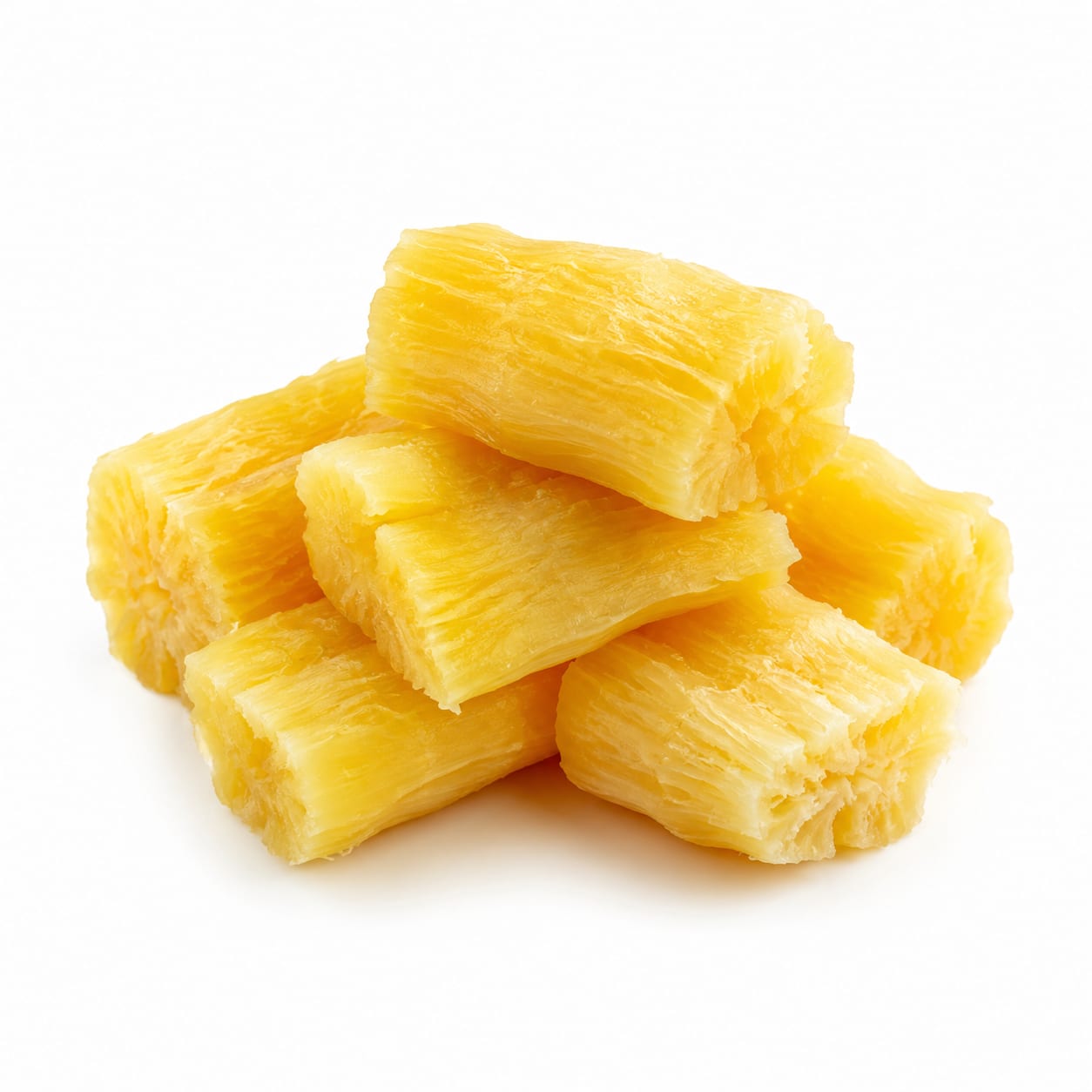
Cassava
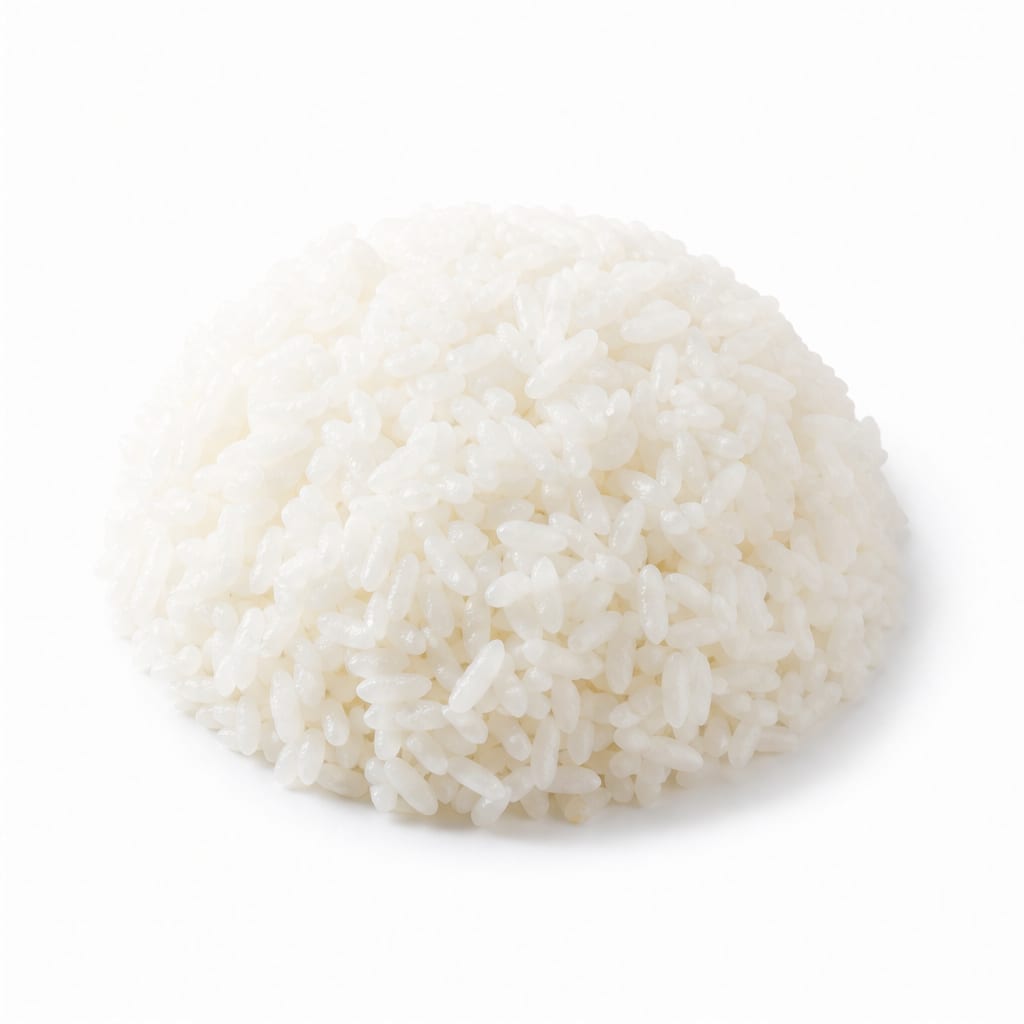
White Rice
Cassava offers more fiber, resistant starch, and nutrients, but white rice is dramatically safer and easier to use daily. Your choice hinges on whether you value nutritional edge or practical safety more.
Cassava scores slightly higher nutritionally due to fiber, resistant starch, and micronutrients, but its safety requirements and preparation burden pull it close to white rice. White rice loses on health metrics but wins heavily on convenience and safety, making this nearly even depending on user priorities.
Cassava rewards careful preparation with better blood sugar control and gut health, while white rice offers worry-free convenience at the cost of faster blood sugar spikes and fewer nutrients.
At a glance
Executive summary
Overall
It depends
Healthier
Cassava
More practical
White Rice
Daily use
White Rice
Key comparison lenses
blood sugar management
Both are high-carb staples that significantly impact blood sugar, making glycemic response the most critical comparison point
food safety and preparation
Cassava contains naturally occurring cyanogenic compounds that require proper processing, while white rice is inherently safe to eat
daily staple sustainability
Users choosing between these foods are likely deciding on a long-term carbohydrate base for meals
nutrient density tradeoffs
Both are primarily energy sources, but their micronutrient profiles differ meaningfully
digestive tolerance and gut health
Cassava's resistant starch content versus white rice's easy digestibility matters for different digestive needs
Best choice for
Cassava
- People managing blood sugar who will prepare it properly
- Those seeking more fiber and resistant starch from a carb source
- Anyone wanting a more nutrient-dense staple root vegetable
- Gut health focused individuals wanting prebiotic benefits
White Rice
- Busy households needing a quick, safe carb base
- People with sensitive digestion who need easy-to-detect foods
- Anyone unwilling to risk improper food preparation
- Elderly or immunocompromised individuals who should avoid food safety risks
Least suitable for
Cassava
- Anyone unfamiliar with proper cassava preparation techniques
- People with limited time for food preparation
- Households with children where preparation errors could be dangerous
- Those with thyroid conditions in cyanogenic compound-sensitive populations
White Rice
- People with diabetes or insulin resistance needing steady blood sugar
- Anyone seeking nutrient-dense whole food carbohydrates
- Those trying to increase daily fiber intake
Deep comparison
Dimension by dimension
Each lens scores both foods and breaks down who each option suits.
- Dimension 1 · Priority 92Cassava
Blood Sugar Stability
Cassava · 62White Rice · 35Cassava digests more slowly thanks to fiber and resistant starch, while white rice causes rapid blood sugar spikes.
Tradeoff
Cassava provides steadier energy but requires pairing with protein and fat for best results. White rice is quickly available energy but leaves you hungry again sooner.
Why it matters
Frequent blood sugar spikes from white rice can increase cravings, fatigue, and long-term metabolic risk. Cassava's slower digestion helps avoid the afternoon energy crash.
Real-world impact
A cassava-based meal keeps you fuller for 1-2 hours longer than the same calorie portion of white rice, with less of a post-meal energy dip.
Cassava
- Steady energy without crashes
- Less insulin demand per meal
- Better satiety between meals
Better for
- Still a high-carb food that requires portion control
Worse for
White Rice
- Quick energy after intense exercise
- Easy glucose availability for athletes
Better for
- Rapid blood sugar rise and fall
- Triggers hunger again within 1-2 hours
- Higher insulin demand over time
Worse for
- Dimension 2 · Priority 88White Rice
Food Safety
Cassava · 40White Rice · 90Raw cassava contains cyanogenic glycosides that can release cyanide if not properly prepared. White rice has no such risk.
Tradeoff
Cassava's safety depends entirely on correct preparation — peeling, soaking, and thorough cooking. White rice is inherently safe with minimal handling.
Why it matters
Improperly prepared cassava can cause acute cyanide poisoning, a serious and potentially fatal risk. This is not a theoretical concern in regions where cassava is a daily staple.
Real-world impact
If you rush cassava preparation or are unfamiliar with proper techniques, you could experience headaches, nausea, or worse. White rice never carries this risk regardless of your cooking skill.
Cassava
- Risk of cyanide exposure if undercooked or improperly processed
- Requires specific knowledge to prepare safely
- Dangerous for households with children if preparation is rushed
Worse for
White Rice
- No toxin risk regardless of preparation method
- Safe for children and elderly without special handling
- Foolproof even for inexperienced cooks
Better for
- Dimension 3 · Priority 78Cassava
Nutrient Density
Cassava · 55White Rice · 30Cassava provides vitamin C, folate, potassium, and manganese that white rice largely lacks after processing.
Tradeoff
Neither food is a nutritional powerhouse, but cassava retains more of its natural micronutrients while white rice loses most during milling and polishing.
Why it matters
Relying on white rice as a daily staple without diverse side dishes can contribute to micronutrient gaps over time. Cassava at least contributes some vitamins and minerals.
Real-world impact
A cup of cassava provides about 40% of your daily vitamin C needs, while white rice provides essentially zero. Over months, this difference adds up.
Cassava
- Contains meaningful vitamin C content
- Provides folate for cell repair
- Offers potassium for blood pressure regulation
- Manganese supports bone health and metabolism
Better for
- Still primarily a carbohydrate source, not a complete food
Worse for
White Rice
- Often fortified with folic acid and iron in some countries
Better for
- Milling removes most natural vitamins and minerals
- Fortification varies by country and brand
- Essentially empty calories without accompaniment
Worse for
- Dimension 4 · Priority 72Cassava
Digestive Health
Cassava · 68White Rice · 38Cassava's resistant starch feeds beneficial gut bacteria, while white rice's lack of fiber offers no prebiotic benefit.
Tradeoff
Cassava supports a healthier gut microbiome over time, but white rice is gentler during acute digestive upset when you need easily digestible food.
Why it matters
Resistant starch in cassava ferments in the gut to produce butyrate, a compound that strengthens the gut lining and reduces inflammation. White rice passes through without feeding beneficial bacteria.
Real-world impact
Regular cassava consumption can improve bowel regularity and gut health over weeks. White rice is better during stomach illness when you need low-residue food.
Cassava
- Resistant starch feeds beneficial gut bacteria
- More fiber supports regular bowel movements
- Butyrate production strengthens gut lining
Better for
- High fiber can aggravate acute digestive issues
Worse for
White Rice
- Easily tolerated during stomach illness
- Low residue for acute digestive distress
- Bland and non-irritating to inflamed gut
Better for
- No prebiotic fiber for gut bacteria
- Contributes nothing to microbiome diversity
- Can worsen constipation with regular use
Worse for
- Dimension 5 · Priority 80White Rice
Convenience and Practicality
Cassava · 35White Rice · 88White rice cooks in 15-20 minutes with no special handling. Cassava requires peeling, soaking, and careful cooking to ensure safety.
Tradeoff
White rice is a low-effort staple anyone can prepare. Cassava demands time, knowledge, and attention that many households cannot consistently provide.
Why it matters
The safest, healthiest food is the one you can actually prepare correctly day after day. If cassava preparation feels burdensome, shortcuts may compromise safety.
Real-world impact
On a busy weeknight, white rice is ready with minimal effort. Cassava requires 30+ minutes of active preparation plus cooking time, making it impractical for many schedules.
Cassava
- Requires peeling and soaking before cooking
- Longer total preparation time
- Less available in standard grocery stores
- Preparation errors can be dangerous
Worse for
White Rice
- Cooks quickly with no special technique
- Widely available in any grocery store
- No safety learning curve
- Consistent results every time
Better for
- Dimension 6 · Priority 70Cassava
Satiety and Fullness
Cassava · 65White Rice · 42Cassava's fiber and resistant starch make it more filling per calorie than white rice.
Tradeoff
Cassava keeps hunger at bay longer, but white rice's rapid digestion can be useful when you need quick refueling after intense activity.
Why it matters
Feeling full matters for portion control and avoiding unnecessary snacking. Foods that satisfy longer help maintain healthy eating patterns without willpower struggles.
Real-world impact
After a cassava meal, you are less likely to reach for snacks within 2-3 hours. After white rice, hunger returns noticeably faster.
Cassava
- More filling per serving
- Delays return of hunger
- Helps with portion control naturally
Better for
White Rice
- Quick energy replenishment after exercise
Better for
- Rapid digestion leads to quicker hunger return
- Easy to overeat because satiety signals are delayed
- Often requires larger portions to feel satisfied
Worse for
Timeline
Health impact over time
Short-term
Hours to days
Cassava
- Steadier energy levels after meals due to slower digestion
- Risk of cyanide exposure if improperly prepared — symptoms include headache, dizziness, and nausea
- More satisfying meals with less between-meal hunger
White Rice
- Quick energy availability but followed by energy dip within 1-2 hours
- Very gentle on an upset stomach or during illness recovery
- Likely to trigger hunger again sooner than cassava would
Long-term
Months to years
Cassava
- Better gut microbiome diversity from regular resistant starch intake
- Lower cumulative insulin demand compared to white rice
- Potential thyroid disruption in vulnerable populations if cyanogenic compounds are chronically consumed at low levels
- Improved bowel regularity from higher fiber intake
White Rice
- Higher risk of blood sugar dysregulation with daily consumption
- Possible contribution to micronutrient deficiencies if eaten without diverse accompaniment
- Chronic constipation risk due to zero fiber content
- May increase metabolic syndrome risk when consumed as a dominant staple
Risk profile
Safety & processing
Whole cassava root is a minimally processed natural food, while white rice has been milled and polished to remove the bran and germ. Neither typically contains artificial additives, but white rice has undergone significantly more industrial processing that strips away natural nutrients.
Cassava
Cyanogenic glycoside poisoning
highRaw or improperly prepared cassava contains compounds that release hydrogen cyanide. Bitter cassava varieties contain higher levels. Thorough peeling, soaking, and cooking are essential to reduce cyanide to safe levels.
Chronic cyanide exposure
mediumEven low-level chronic exposure from marginally prepared cassava can contribute to neurological issues and thyroid dysfunction over years, particularly in populations with low protein and iodine intake.
White Rice
Arsenic contamination
mediumRice accumulates arsenic more than other crops, particularly rice grown in former cotton fields. Rinsing rice and cooking in excess water can reduce arsenic levels by up to 50%.
Bacillus cereus food poisoning
lowCooked rice left at room temperature can harbor Bacillus cereus spores. Prompt refrigeration of leftovers prevents this common but usually mild foodborne illness.
Who wins for whom
Audience fit
Same foods, different winners depending on your goal.
children
White RiceWhite rice carries no preparation-related toxin risk, making it safer for households with children. Cassava's cyanide risk from improper cooking is not worth the nutritional advantage for most families.
daily consumption
White RiceWhite rice's foolproof preparation and consistent safety profile make it more sustainable as a daily staple. Even though cassava is nutritionally superior, the preparation burden and safety requirements make daily use impractical for most people.
diabetes
CassavaCassava's slower digestion and lower glycemic impact create less insulin demand, though both foods require careful portion control and pairing with protein and healthy fats.
elderly
White RiceOlder adults often have reduced stomach acid and slower digestion, making white rice's easy digestibility more comfortable. The safety margin is also critical for immunocompromised individuals.
muscle gain
White RiceWhite rice provides rapidly available glucose that replenishes glycogen quickly after training, and its easy digestibility means it will not sit heavy during recovery.
weight loss
CassavaCassava's higher fiber and resistant starch content provides more satiety per calorie, making it easier to control portions and reduce snacking between meals.
Your move
Decision guide
Choose Cassava
- You are experienced with proper cassava preparation and will never skip safety steps
- Blood sugar management is a priority and you want a lower-glycemic carb base
- You want more fiber and resistant starch to support gut health
- You have reliable access to fresh cassava and time to prepare it correctly
Choose White Rice
- You want a safe, convenient carb that requires no special knowledge
- You are feeding children, elderly, or immunocompromised individuals
- You need quick post-workout glycogen replenishment
- You have limited time for food preparation on most days
Either works if
- You are pairing either food with plenty of protein, healthy fats, and vegetables
- Neither food will be your sole carbohydrate source
- You rotate between multiple carb sources throughout the week
Avoid both if
- You are on a very low-carb or ketogenic diet
- You have severe insulin resistance and need to minimize all starch intake
- You are seeking nutrient-dense foods as your primary calorie source
Final recommendation
If you can commit to proper preparation, cassava is the nutritionally superior choice with better blood sugar control and gut health benefits. For most people managing busy lives, white rice is the more practical and safer daily staple. The best approach is often rotating both: cassava when you have time to prepare it carefully, white rice when convenience and safety matter most.
Practical
Consumer tips
- 1
Always peel cassava completely — cyanogenic compounds concentrate in the skin
- 2
Soak cassava in water for at least 6 hours before cooking to reduce cyanide content
- 3
Boil cassava in ample water and discard the cooking water to further remove toxins
- 4
Rinse white rice thoroughly and cook in excess water to reduce arsenic levels by up to half
- 5
Pair either food with protein and vegetables to slow digestion and improve the overall meal profile
- 6
Never eat cassava raw, even in small amounts as a taste test
- 7
If buying frozen cassava, check that it comes from a reputable supplier with proper processing standards
- 8
Choose parboiled white rice over regular white rice for slightly more retained nutrients