
Nutrition comparison
Cassava vs Sweet Potato: Nutrition, Safety, and Which Is Better for You
Compare cassava and sweet potato on nutrition, blood sugar impact, safety, and calories. Learn which root vegetable is healthier and when each one makes sense.
Overall winner · Sweet Potato
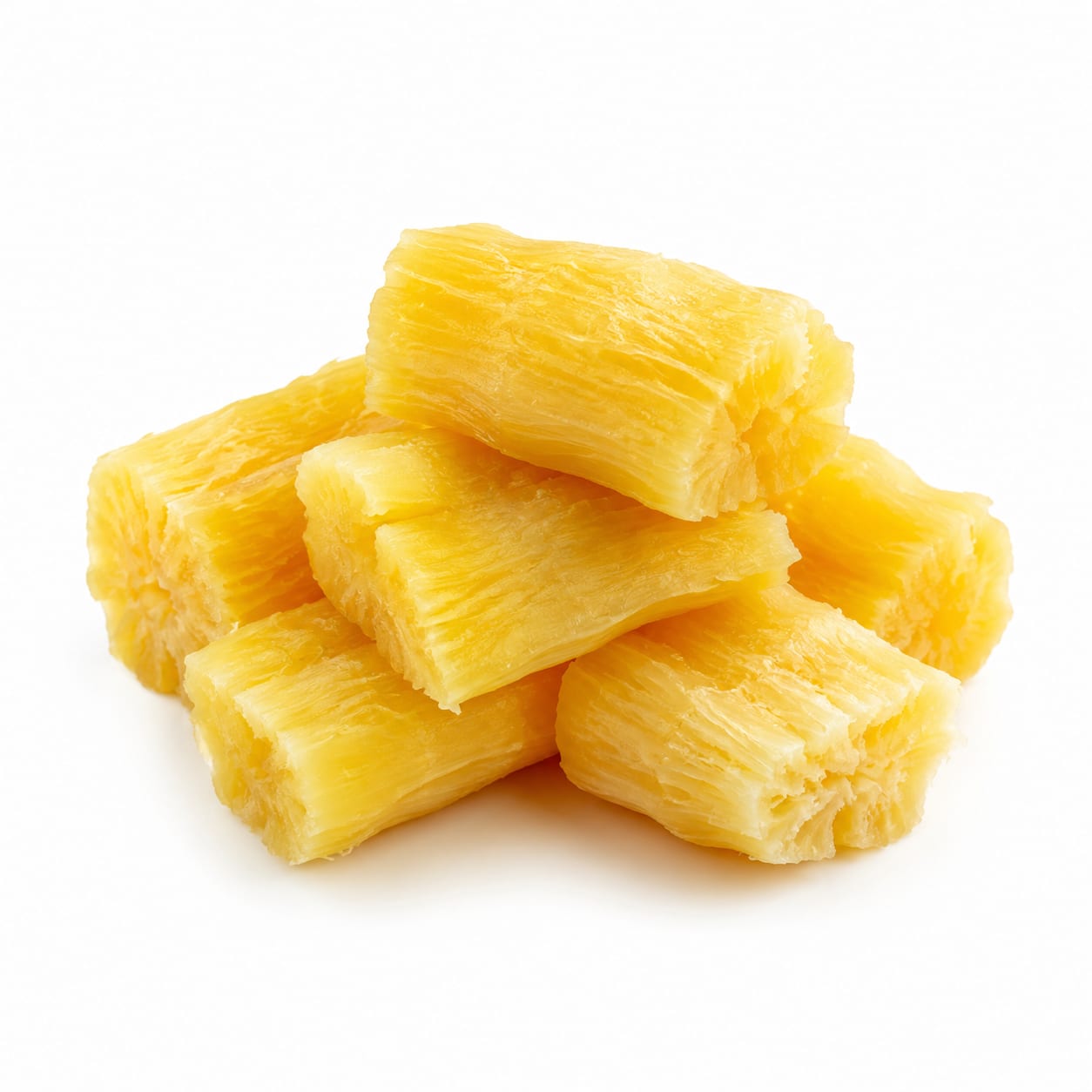
Cassava
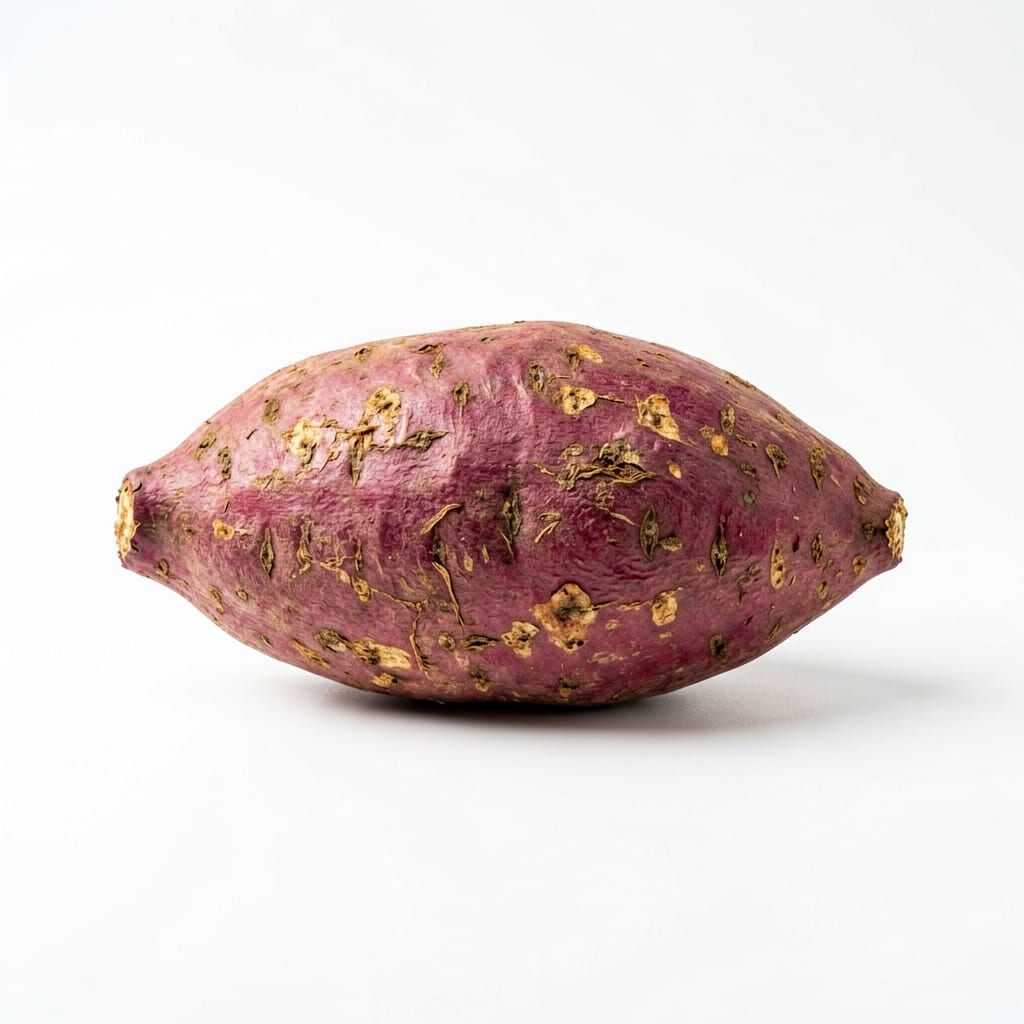
Sweet Potato
Sweet potato wins for most people most of the time thanks to far superior nutrition, easier preparation, and no toxicity risk. Cassava has its place as a calorie-dense energy source but requires careful handling.
Sweet potato scores significantly higher due to its superior micronutrient profile, fiber content, blood sugar stability, and safety. Cassava loses ground on nutrition density and the cyanogenic toxin risk, though it remains a valid calorie source in appropriate contexts.
Cassava gives you more calories and energy per bite but at the cost of minimal nutrients and a real safety risk if undercooked. Sweet potato feeds you more completely with less effort.
At a glance
Executive summary
Overall
Sweet Potato
Healthier
Sweet Potato
More practical
Sweet Potato
Daily use
Sweet Potato
Key comparison lenses
nutritional density and vitamins
Sweet potato is dramatically richer in vitamins especially vitamin A, while cassava is mostly empty carbs
safety and toxicity
Cassava contains cyanogenic glycosides that require proper preparation to avoid poisoning, a critical safety concern
blood sugar and energy stability
Both are starchy roots but sweet potato offers steadier energy with more fiber and a lower glycemic impact
calorie and weight management
Cassava is significantly more calorie-dense, which matters for weight goals
practicality and preparation
Cassava demands careful processing while sweet potato is simpler to prepare safely
Best choice for
Cassava
- Athletes needing high calorie intake
- People in regions where cassava is a traditional staple
- Those seeking gluten-free flour alternatives
- Anyone needing dense energy on a budget
Sweet Potato
- Most everyday eaters seeking balanced nutrition
- People managing blood sugar or diabetes
- Families wanting safe easy side dishes
- Anyone prioritizing vitamin A and antioxidants
Least suitable for
Cassava
- Children without careful adult preparation
- People with diabetes or insulin resistance
- Anyone unfamiliar with proper cassava processing
- Those seeking nutrient-dense low-calorie foods
Sweet Potato
- People who need very high calorie intake easily
- Those with oxalate sensitivity or kidney stone concerns
- Anyone allergic to sweet potato specifically
Deep comparison
Dimension by dimension
Each lens scores both foods and breaks down who each option suits.
- Dimension 1 · Priority 95Sweet Potato
Nutritional Density
Cassava · 25Sweet Potato · 88Sweet potato is a nutritional powerhouse with massive vitamin A, solid vitamin C, and good potassium. Cassava is mostly carbohydrate calories with very little else.
Tradeoff
Cassava fills you with energy but leaves your body wanting vitamins and minerals. Sweet potato nourishes more completely per calorie.
Why it matters
Eating nutrient-poor carbs regularly can leave you overfed but undernourished, a surprisingly common problem.
Real-world impact
A single sweet potato gives you over 400% of your daily vitamin A needs. Cassava gives you almost none.
Cassava
- Pure calorie loading for intense physical labor
Better for
- Reliance on cassava without other nutrient sources risks deficiencies
- Virtually no vitamin A, C, or significant minerals
Worse for
Sweet Potato
- Meeting vitamin needs through food naturally
- Getting more nutrition per meal
- Supporting immune function through diet
Better for
- Lower calorie density means you eat more volume for the same energy
Worse for
- Dimension 2 · Priority 88Sweet Potato
Blood Sugar Stability
Cassava · 30Sweet Potato · 68Cassava has a high glycemic index and less fiber to slow absorption. Sweet potato, especially when boiled and cooled, releases sugar more gradually.
Tradeoff
Cassava hits your bloodstream fast. Sweet potato is gentler, though still a carb source that needs portion awareness.
Why it matters
Rapid blood sugar spikes lead to energy crashes, cravings, and over time, insulin resistance.
Real-world impact
Eat cassava and you may feel hungry again within an hour. Sweet potato keeps you steadier for longer.
Cassava
- Quick energy before intense exercise
Better for
- Sharp blood sugar spikes followed by crashes
- Triggers hunger again quickly
Worse for
Sweet Potato
- Avoiding afternoon energy crashes
- Managing prediabetes or diabetes
- Sustained energy through a long workday
Better for
- Still a significant carb source that requires portion control for strict low-carb diets
Worse for
- Dimension 3 · Priority 92Sweet Potato
Safety and Toxicity
Cassava · 35Sweet Potato · 95Cassava contains cyanogenic glycosides that release cyanide if not properly prepared. Sweet potato is inherently safe to eat with normal cooking.
Tradeoff
Cassava demands knowledge and care to eat safely. Sweet potato you can simply cook and enjoy without worry.
Why it matters
Improperly prepared cassava causes acute cyanide poisoning and chronic exposure leads to neurological damage, especially in regions relying on it as a staple.
Real-world impact
Undercooked cassava can cause dizziness, headache, nausea, and in severe cases paralysis or death. Sweet potato has no such risk.
Cassava
- No advantage in safety
Better for
- Real risk of cyanide exposure if rushed or inexperienced
- Chronic low-level exposure linked to konzo and tropical ataxic neuropathy
Worse for
Sweet Potato
- Worry-free cooking for families
- No special preparation knowledge needed
- Safe for children to help prepare
Better for
- Mold on sweet potatoes can produce toxins but this is easily avoided by discarding spoiled portions
Worse for
- Dimension 4 · Priority 80Sweet Potato
Satiety and Fullness
Cassava · 50Sweet Potato · 75Sweet potato has more fiber and protein per calorie, keeping you fuller longer. Cassava fills your stomach but the satiety fades faster.
Tradeoff
Cassava gives you a heavy full feeling initially but it dissipates. Sweet potato delivers lasting satisfaction with fewer calories.
Why it matters
Foods that keep you full help prevent overeating and snacking between meals.
Real-world impact
A medium sweet potato with skin is a satisfying snack. The same calories of cassava leave you reaching for more food sooner.
Cassava
- Heavy stomach feeling for those who find that comforting
Better for
- Rapid digestion leads to quick return of hunger
- Easy to overeat calories before feeling satisfied
Worse for
Sweet Potato
- Staying full between meals without overeating
- Managing portions naturally
- Fiber supporting healthy digestion
Better for
- Some people find the sweetness less filling than plain starch
Worse for
- Dimension 5 · Priority 75Cassava
Calorie and Energy Density
Cassava · 85Sweet Potato · 55Cassava packs nearly twice the calories per serving of sweet potato, making it a dense energy source for those who need it.
Tradeoff
More calories per bite is great for the undernourished or highly active, but a liability for anyone watching their weight.
Why it matters
Calorie density determines how much food you need to meet energy needs and how easy it is to accidentally overeat.
Real-world impact
For a laborer needing 3000 calories, cassava is efficient fuel. For an office worker, it is an easy way to overshoot.
Cassava
- Athletes in heavy training blocks
- People struggling to eat enough calories
- Hikers and endurance activities
Better for
- Very easy to overconsume calories without realizing
- Not ideal for sedentary lifestyles
Worse for
Sweet Potato
- Weight management and fat loss
- Eating larger portions with fewer calories
- Avoiding unintended calorie surplus
Better for
- May not provide enough energy for very active people in small portions
Worse for
- Dimension 6 · Priority 72Sweet Potato
Preparation Convenience
Cassava · 35Sweet Potato · 85Sweet potato can be baked, boiled, or microwaved straight away. Cassava must be peeled, soaked, and thoroughly cooked to remove toxins.
Tradeoff
Sweet potato is weeknight-easy. Cassava requires planning and technique.
Why it matters
Complicated preparation is a real barrier to healthy eating, especially for busy households.
Real-world impact
You can microwave a sweet potato in 5 minutes. Cassava needs peeling, soaking, and at least 20-30 minutes of cooking with care.
Cassava
- No advantage in convenience
Better for
- Multi-step preparation process
- Cannot be eaten raw or undercooked
- Requires specific knowledge to prepare safely
Worse for
Sweet Potato
- Quick weeknight side dishes
- Minimal cooking knowledge required
- Meal prep friendly and forgiving
Better for
- No significant convenience downside
Worse for
Timeline
Health impact over time
Short-term
Hours to days
Cassava
- Quick energy from dense carbohydrates
- Potential digestive discomfort if not thoroughly cooked
- Risk of acute cyanide symptoms if improperly prepared: headache, dizziness, nausea
Sweet Potato
- Steady energy release with less spike and crash
- Comforting and easy on the stomach when cooked
- High vitamin A supports immediate immune and skin health
Long-term
Months to years
Cassava
- Risk of chronic cyanide exposure leading to neurological issues in populations relying heavily on cassava
- Potential for vitamin deficiencies if cassava dominates the diet without supplementation
- Higher glycemic load may contribute to insulin resistance over time
Sweet Potato
- Consistent vitamin A intake supports eye health and immune resilience long-term
- Fiber supports gut microbiome diversity and digestive health
- Antioxidants from beta-carotene may reduce chronic disease risk
Risk profile
Safety & processing
Both are whole root vegetables eaten in their natural state. The key difference is that cassava requires processing for safety, not for additives. Both are clean whole foods when properly prepared.
Cassava
Cyanogenic glycoside poisoning
highCassava contains compounds that release hydrogen cyanide. Bitter varieties are especially dangerous. Must be peeled, soaked, and thoroughly cooked. Improper preparation can cause acute poisoning or chronic neurological damage.
Inadequate cooking
highEven slightly undercooked cassava retains enough cyanogenic compounds to cause symptoms. This is not a food you can rush.
Sweet Potato
Mold and mycotoxins
lowSweet potatoes can develop mold when stored poorly, producing harmful compounds. Discard any soft, discolored, or moldy spots. Easily avoided with proper storage.
Oxalate content
lowSweet potatoes contain moderate oxalates. A concern only for people with a history of calcium oxalate kidney stones.
Who wins for whom
Audience fit
Same foods, different winners depending on your goal.
children
Sweet PotatoSweet potato is safer, easier to prepare correctly, and provides essential vitamins for growing bodies. Cassava's toxin risk makes it inappropriate without expert preparation.
daily consumption
Sweet PotatoSweet potato can be eaten daily safely and nutritiously. Daily cassava consumption without dietary diversity risks nutrient deficiencies and cumulative cyanide exposure.
diabetes
Sweet PotatoSweet potato has a lower glycemic impact and more fiber, leading to steadier blood sugar. Cassava spikes glucose more sharply.
elderly
Sweet PotatoNutrient density, fiber for digestion, and zero safety risk make sweet potato the clear choice for older adults who need more nutrition per bite.
muscle gain
CassavaCassava provides more carbohydrate calories per serving, useful for fueling intense training and hitting high calorie targets for muscle building.
weight loss
Sweet PotatoSweet potato has half the calorie density and more fiber, making it far easier to manage portions and stay satisfied on fewer calories.
Your move
Decision guide
Choose Cassava
- You are a highly active athlete needing dense carb fuel
- You grew up with cassava and know how to prepare it properly
- You need a gluten-free flour alternative for baking
- You are trying to gain weight and need calorie efficiency
Choose Sweet Potato
- You want the most nutritious root vegetable for everyday meals
- You are managing blood sugar, weight, or just eating healthier
- You have children or elderly family members to feed
- You want something easy to prepare without safety worries
- You care about getting vitamins and antioxidants from your carbs
Either works if
- You want a starchy side dish and have no specific health concerns
- You enjoy variety and want to rotate between different root vegetables
Avoid both if
- You are on a strict very-low-carb or ketogenic diet
- You have a specific allergy or intolerance to either root
Final recommendation
For most people in most situations, sweet potato is the clearly better choice. It delivers far more nutrition, keeps blood sugar steadier, requires no special preparation knowledge, and poses no safety risk. Cassava has legitimate value as a high-energy staple and cultural food, but its minimal nutrient content and cyanide risk make it a food that demands respect and caution. If you do eat cassava, always peel it, soak it, and cook it thoroughly. For daily eating, sweet potato wins without question.
Practical
Consumer tips
- 1
If cooking cassava, always peel deeply, soak for several hours, and boil thoroughly. Never eat it raw.
- 2
Cooling sweet potato after cooking increases resistant starch, which feeds gut bacteria and lowers the glycemic response.
- 3
Bitter cassava varieties contain far more cyanogenic compounds than sweet varieties. Know which type you have.
- 4
Sweet potato with the skin on retains more fiber and nutrients. Wash well but do not peel unnecessarily.
- 5
If using cassava flour, ensure it comes from a reputable producer who properly processes out cyanogenic compounds.
- 6
Pair either root with a protein source and healthy fat to create a balanced meal that keeps you full longer.
- 7
Purple and orange sweet potatoes have different antioxidant profiles. Mix colors for broader benefits.